Translucent blisters and corky leaf bumps: checking for oedema

In this guide (9)
Updated: 2026-09-08
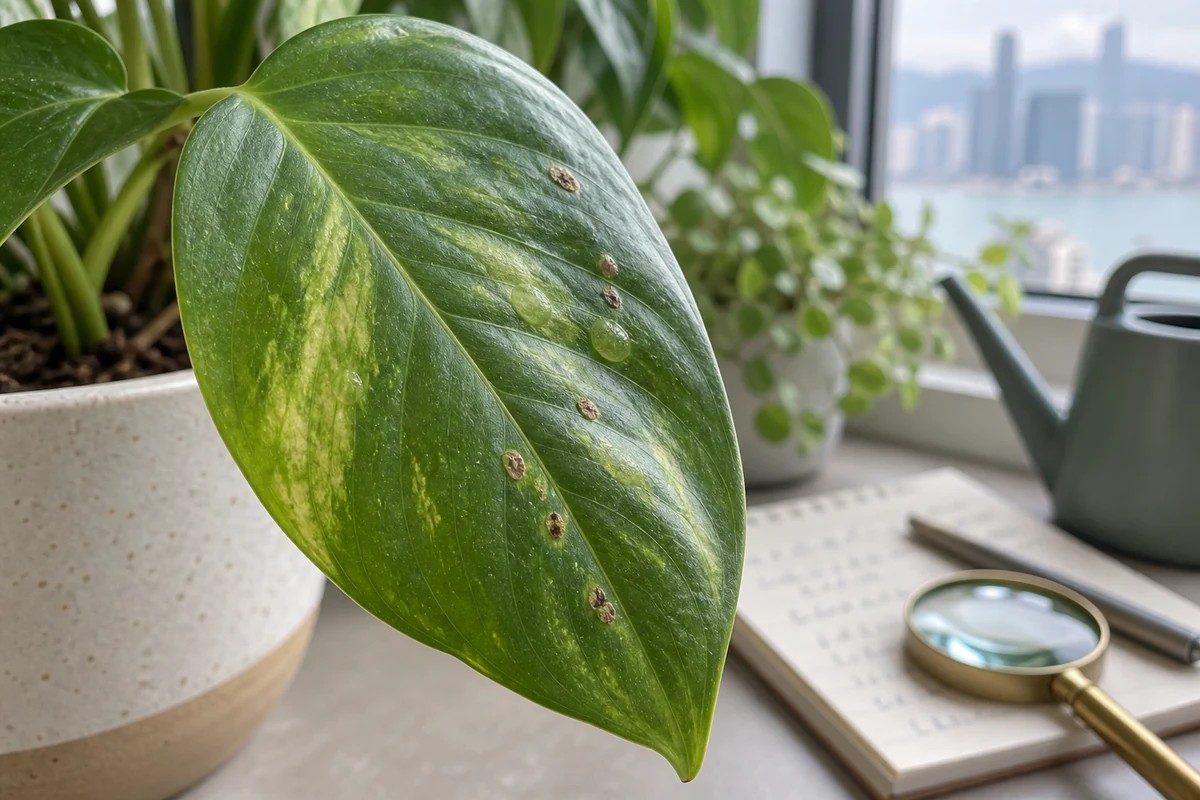
Translucent blisters that later become rough brown bumps may be oedema, a physiological injury associated with an imbalance between water uptake and water loss. Pests and diseases can produce similar-looking marks. Do not scrape each bump with a fingernail or diagnose from one photograph; track new lesions and environmental changes first.
Why old corky marks may remain
Oedema is tissue damage, not a droplet sitting on the outside of a leaf. Some blisters dry into rough corky scars that may remain after conditions improve. Judging a change as unsuccessful because the brown marks are still present three days later uses the wrong outcome measure.
University guidance often illustrates oedema with geraniums. Its cultivar susceptibility, greenhouse settings and pesticide advice cannot simply be transferred to a hoya or begonia in a Hong Kong flat. The useful transferable principles are water balance and lesion development; the actual plant still needs assessment of its foliage, roots and possible pests.
Reference: Penn State Extension — Edema of Geranium
Separate the possible causes
| Clue | Possible direction | Next step |
|---|---|---|
| Fresh blisters become dry, firm and part of the tissue | Oedema or another tissue injury | Photograph development and review moisture and conditions |
| Bumps cluster on veins or stems with stickiness | Scale or another sap-feeding pest | Magnify, separate and identify |
| Soft wet lesions expand quickly; the stem base softens | Possible disease or rot | Seek assessment rather than waiting only for a new leaf |
| Stable silver markings without tissue collapse | Possible normal leaf pattern | Compare mature leaves and the plant description |
Oedema and pests can coexist. Finding a possible insect does not explain every blister, while a corky scar does not rule out mealybugs hidden in an axil.
Reference: RHS — Leaf damage on houseplants · University of Maryland Extension — Scale Insects on Indoor Plants
Change one supported factor first
Check for standing water, a still-heavy wet root ball, and recent changes such as cloudy days, cooler nights or a move into a closed enclosure. These help reveal a change in the conditions governing water loss. Empty accumulated water and separate foliage pressed against glass or neighbouring leaves so air can move through.
Do not force transpiration by moving the plant suddenly into harsh sun or an air-conditioning jet. Do not bake the root ball completely dry to remove blisters, especially for plants needing more consistent moisture. Base the next watering on the root zone. “Clear drainage, no prolonged saturation, leaves able to dry” is a more useful target than blindly chasing one humidity percentage.
Track new damage instead of old scars
Choose two mature leaves and mark existing lesions on the photograph, not on the leaf. Take later photographs from the same angle and note fresh translucent blisters, expanding areas and whether new leaves develop the same problem. Date each change in watering or position so the sequence remains interpretable.
A plant whose old bumps remain but which develops no fresh blisters over subsequent checks may be stabilising; that does not mean the old leaf will become smooth. Another plant may have had all marked leaves removed while fresh leaves continue blistering, which calls for reassessment. These examples illustrate observation, not a promised treatment result.
Example: persistent scars do not require another treatment
Suppose a hoya has dry scars on three mature leaves and water was standing in its cachepot. After emptying it, circle the old scars on a photograph and record that the root zone is still wet and has not been watered again. At the next comparison the scars remain, but no obvious new blisters have appeared. Continued observation may be more appropriate than another treatment intended to flatten the surface.
Conversely, if those scars remain unchanged but a different leaf develops an expanding soft, wet lesion, record and investigate that separately. Do not group every symptom under oedema. The example demonstrates how to preserve room for reassessment rather than diagnosing this hypothetical plant. Actual decisions still depend on the whole plant, root zone and rate of change.
When to stop experimenting
Rapidly expanding wet lesions, unusual odour or loss of structural support deserve prompt assessment using photographs and care records. A resemblance to oedema should not delay a response to clear rot. Conversely, a mostly healthy leaf need not be removed simply because it has a few dry scars.
When buying, ask about existing marks and whether fresh lesions are still appearing. Stable new growth is more informative than demanding cosmetically perfect foliage. Keep normal markings in product photographs separate from signs of an active problem.
Sources and scope
- Penn State Extension — Edema of Geranium — Water imbalance, blisters and corky scars. Geranium-specific susceptibility, greenhouse settings and treatments are not generalised.
- RHS — Leaf damage on houseplants — Multiple environmental and biological causes of leaf damage. Not a diagnostic test from a single photograph.
- University of Maryland Extension — Scale Insects on Indoor Plants — Scale identification and follow-up inspection. No overseas pesticide products, rates or schedules are transferred.
Further reading
- Pest & Disease Control Handbook: Identifying and Treating Spider Mites, Scale, and Aphids
- Plant classification and selection
Related Plantjai plants
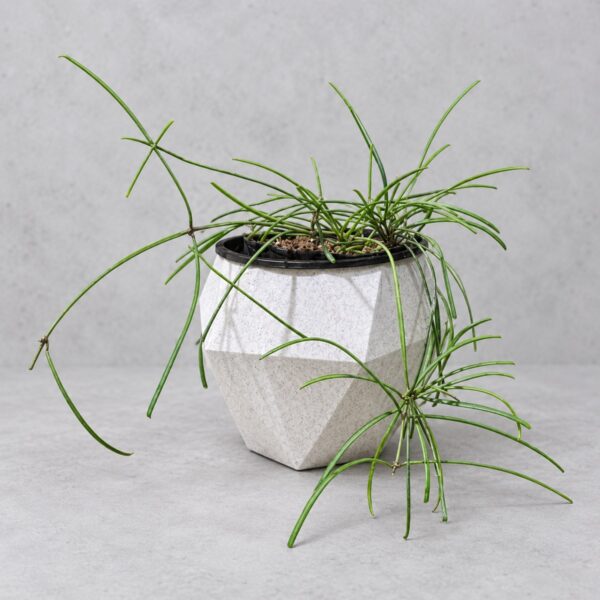
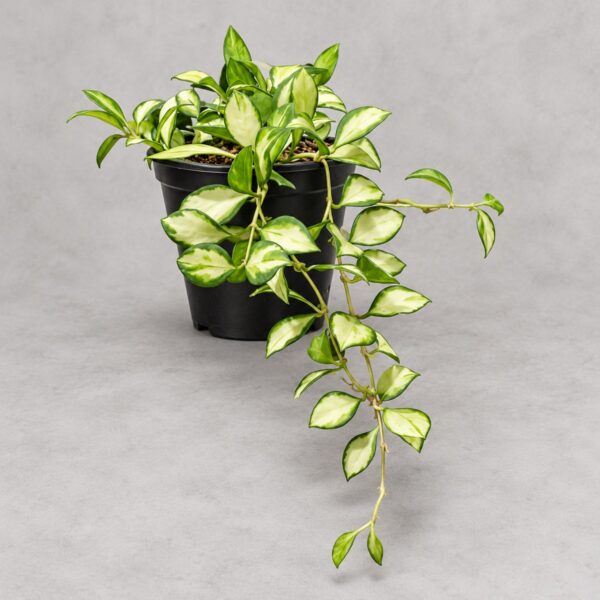
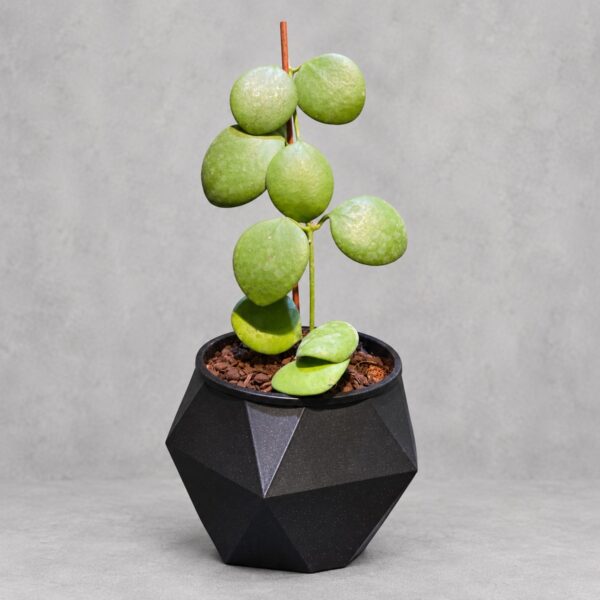
- Hoya obovata albomarginata
Thick foliage can tempt owners to scrape every bump. Use the observation method before intervening, while providing bright light and good drainage.
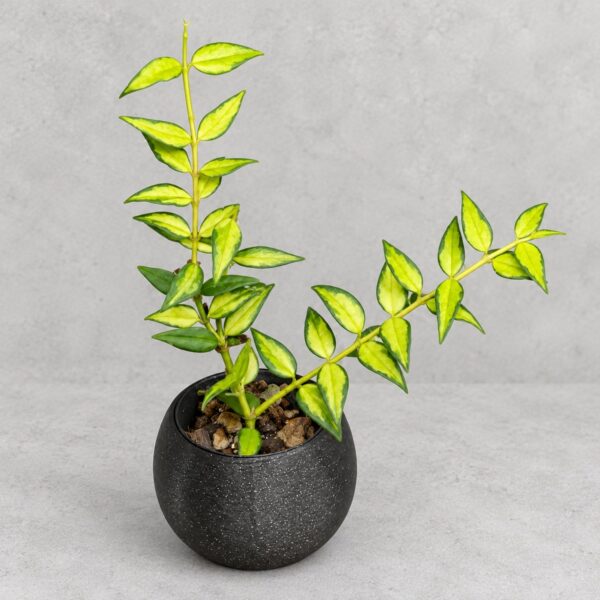
- Begonia maculata
Its natural silver spots make the distinction between normal markings and new damage especially relevant. New blisters or soft lesions require a separate assessment.
IN STORE NOW
Plants for this guide
Related plants in stock now — live prices, delivery or Causeway Bay pickup.
FREE PLANT ADVICE
Send us a photo before you change anything
WhatsApp a photo of the plant and your window light. Our Causeway Bay team will suggest care steps or plants that suit your space.
STORE · CAUSEWAY BAY
4/F, 39 Yiu Wa Street, Causeway Bay
Daily 12:30–8:00pm · ~3 min walk from Times Square
Map & directionsPlant Care