
Pest & Disease Control Handbook: Identifying and Treating Spider Mites, Scale, and Aphids

Introduction
There’s an unwritten rule in the Specimen Archive: every new plant must pass “quarantine”—two weeks of isolated observation before joining the rest of the collection. Why? Because plant pests and diseases spread faster than the common cold. One infested specimen can decimate an entire plant cabinet within a fortnight.
No one wants to deal with pests, but if you keep plants long enough, you’ll encounter them eventually. Rather than panicking, learn to identify and manage them. This handbook distils years of “combat experience” from the Archive—from what the enemy looks like, to how to evict them without resorting to chemical warfare.
Enemy Field Guide: The Four Most Common Indoor Plant Pests
Spider Mites: The Invisible Leaf Assassins
Spider mites (actually mites, not true spiders) are arguably public enemy number one for foliage plant enthusiasts. They’re microscopic, virtually invisible to the naked eye, and by the time you notice them, they’ve usually multiplied into a full-blown infestation.
Identification signs: Tiny yellow or white stippling on leaf undersides, as if pricked with a needle; in severe cases, fine webbing appears on leaf undersides and between stems. The upper leaf surface loses its sheen and begins yellowing and dropping. Spider mites particularly favour Alocasia and Calathea species with thinner leaves. Dry, warm environments are their paradise.
If you suspect spider mites, hold a white sheet of paper beneath a leaf and tap sharply—tiny dark specks falling onto the paper are your culprits. Under magnification, some may even crawl slowly.
Scale Insects: The Sticky Unwelcome Guests
Scale insects don’t look like insects at all. They resemble small brown, white, or cream-coloured bumps that seem to have grown directly from the leaf or stem surface, about one to three millimetres across. Once matured, they barely move, firmly attached while sucking plant sap.
Identification signs: Hard bumps at stem nodes and along main leaf veins; the plant feels inexplicably “sticky”—this is honeydew secreted by scale, which may also trigger sooty mould, appearing as black patches on leaf surfaces. Ficus species are particularly susceptible.
Scrape gently with a fingernail—if the “bump” comes off leaving a small dot behind, it’s almost certainly scale.
Aphids: The Green Army
Aphids are more common outdoors but can afflict indoor plants too, especially during flowering. They’re small, reproduce rapidly, and cluster on tender shoots, flower buds, and the undersides of new leaves.
Identification signs: Dense clusters of tiny insects on new growth, typically green, black, or translucent; distorted, twisted new shoots and stunted growth; sticky honeydew on leaves. Fortunately, aphids are relatively easy to deal with, unlike the more stubborn spider mites.
Whiteflies: The Little White Ghosts
Whiteflies are tiny white flying insects that scatter in a puff of white “smoke” when disturbed. They hide on leaf undersides, feeding on sap and transmitting plant viruses.
Identification signs: White insects scattering when the plant is touched; white powdery nymphs or pupal cases on leaf undersides; gradual yellowing and wilting of leaves. Whiteflies are notably resilient and require persistent treatment for eradication.
Prevention is Better Than Cure: Three Lines of Defence
At the Archive, we believe the best pest control is ensuring they never get the chance to visit.
First line: Quarantine isolation
Every new plant, regardless of how healthy it appears, should be placed in a separate area for two weeks. Carefully inspect leaf undersides, stem nodes, and soil surface. Only after confirming it’s pest-free should it join your main collection. These two weeks of patience may save you two months of trouble.
Second line: Ventilation and environment
Most pests thrive in stagnant, humid, poorly ventilated conditions. Maintain adequate air circulation (without direct strong drafts), avoid overcrowding your plants, and don’t leave water sitting on leaf surfaces for prolonged periods. Make your space inhospitable to pests.
Third line: Regular inspection
Spend five minutes each week checking your plants. No specialist tools needed—flip a few leaves to check their undersides, feel along stems for unusual bumps. This habit allows you to catch problems when pest numbers are still low. Early detection makes treatment ten times easier.
Physical Control: Gentle but Effective First Response
When pests are spotted, don’t rush for pesticides. Often, physical methods are sufficient for early-stage infestations.
Wiping and Rinsing
For scale insects, use a damp cloth or cotton bud moistened with water to wipe along stems and leaves, physically removing adults and nymphs. For spider mites, move the plant to the bathroom and rinse leaf undersides with medium shower pressure, washing away mites and webbing. Repeat weekly for three to four weeks—usually effective for mild infestations.
Yellow Sticky Traps
Yellow sticky traps are particularly effective against whiteflies and aphids—these pests are attracted to yellow. Insert traps into the potting soil to capture adults and reduce breeding rates. While they won’t eradicate pests alone, they serve as a useful supplementary tool.
Pruning and Removal
If certain branches or leaves are heavily infested, prune them without hesitation. Sacrificing one leaf to save the entire plant is arithmetic that always works in your favour. Seal discarded material in a bag and dispose of it—don’t leave it indoors.
Biological and Low-Toxicity Control: The Archive’s Gentle Arsenal
When physical methods aren’t enough and you prefer to avoid chemical pesticides, these low-toxicity options offer a middle path.
Neem Oil
Neem oil is a staple in the Archive. Derived from neem tree seeds, it contains azadirachtin, which disrupts pests’ feeding behaviour and growth hormones, achieving repellency and reproductive suppression. Effective against spider mites, scale, and aphids.
Dilute according to instructions (typically five to ten millilitres per litre of water), add a small amount of liquid soap to help adhesion, and spray evenly on leaf surfaces and undersides. Apply in the evening to avoid phototoxicity under strong light. Repeat every five to seven days for three to four applications. Neem oil smells somewhat like peanut butter mixed with garlic—not pleasant, but it dissipates as it dries.
Soap Solution
Regular washing-up liquid (without bleach or fragrance), diluted and sprayed, dissolves the waxy coating on soft-bodied pests, causing them to dehydrate and die. Particularly effective against aphids. Use approximately three to five millilitres of soap per litre of water—higher concentrations may harm plants.
Alcohol Wipe
A potent weapon against scale insects. Soak a cotton bud in seventy to seventy-five percent rubbing alcohol and dab directly onto individual scale insects—they’ll die within seconds. This method is labour-intensive but highly precise and effective for mild infestations. Avoid use under strong sunlight to prevent leaf damage from alcohol evaporation.
Severe Infestations: The Nuclear Options
If all the above methods have been tried and pests keep returning like indestructible cockroaches, it’s time for more decisive measures:
Soil replacement: Some pests (such as root mealybugs) hide in the soil, beyond the reach of sprays. In this case, completely remove the plant from its pot, wash the root system thoroughly, discard all old soil, and replant in fresh medium.
Chemical pesticides: Choose products labelled for indoor ornamental plants and follow concentration instructions strictly. Wear gloves, ensure ventilation, and temporarily move plants to a balcony or outdoor area for treatment. Return indoors only after the spray has dried. Remember, indoor environments are enclosed—pesticide residues affect not just the pests, but you and your family too.
The painful sacrifice: This is the final resort, and the hardest. If a plant is severely infested, critically weakened, and continues threatening surrounding plants, sometimes letting go is the most rational choice. Seal the infected plant, pot and all, and discard it. Don’t be sentimental—you’re saving the rest of your plant family.
Conclusion
Pests are not the end of the world. In all my years at the Archive, I’ve witnessed countless “plagues” and seen attentive growers nurse plants back from the brink. The keys are: stay calm, identify correctly, act early, and persist.
Dealing with pests and diseases is a compulsory course in plant parenthood. It teaches us observation, patience, and humility—nature’s tiny creatures constantly remind us that humans are not omnipotent. But armed with the knowledge in this handbook, you’ll at least be a prepared gardener.
If you notice unusual symptoms on your foliage plants and aren’t sure what pest you’re dealing with or how to treat it, bring photos—or bring the plant itself—to our Causeway Bay store at plantjai.com, and we’ll perform an on-site diagnosis. Every plant in the Archive deserves to be taken seriously.
IN STORE NOW
Plants for this guide
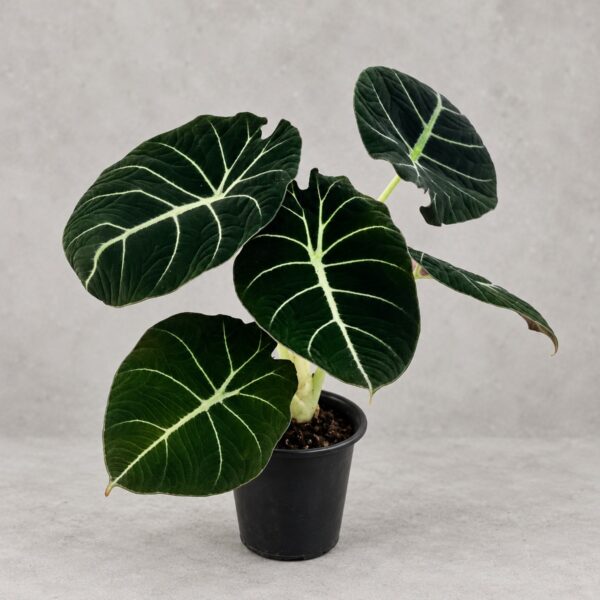
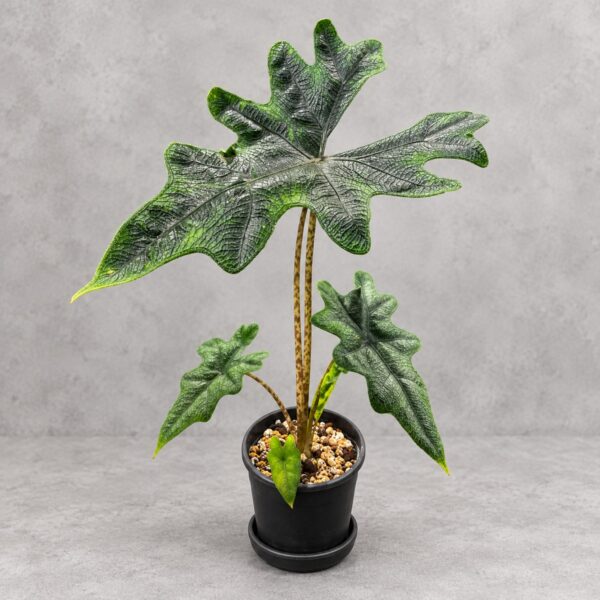
Related plants in stock now — live prices, delivery or Causeway Bay pickup.
FREE PLANT ADVICE
Send us a photo before you change anything
WhatsApp a photo of the plant and your window light. Our Causeway Bay team will suggest care steps or plants that suit your space.
STORE · CAUSEWAY BAY
4/F, 39 Yiu Wa Street, Causeway Bay
Daily 12:30–8:00pm · ~3 min walk from Times Square
Map & directionsPlant 101