
How to Care for Hoya Wayetii in Hong Kong | Plantjai

Plantjai 植仔 · Care Encyclopedia
Hoya Wayetii
Hong Kong care guide — useful before you buy and after it arrives.
Shop this plantLeaves naturally rimmed in red like a touch of lip tint, cascading down in a waterfall of pink blooms — a high-glamour Hoya that even beginners will fall for.
Origin & characteristics
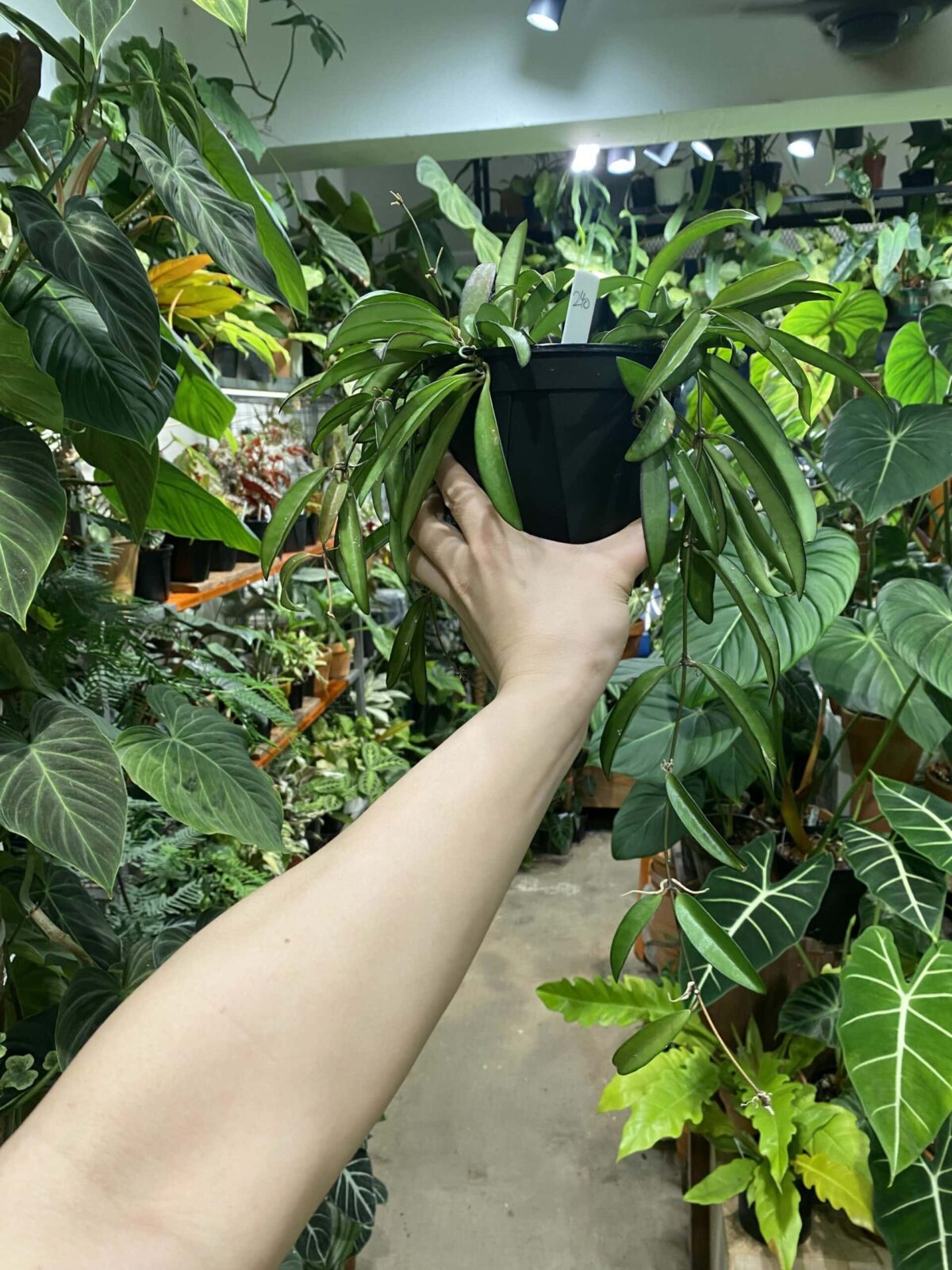
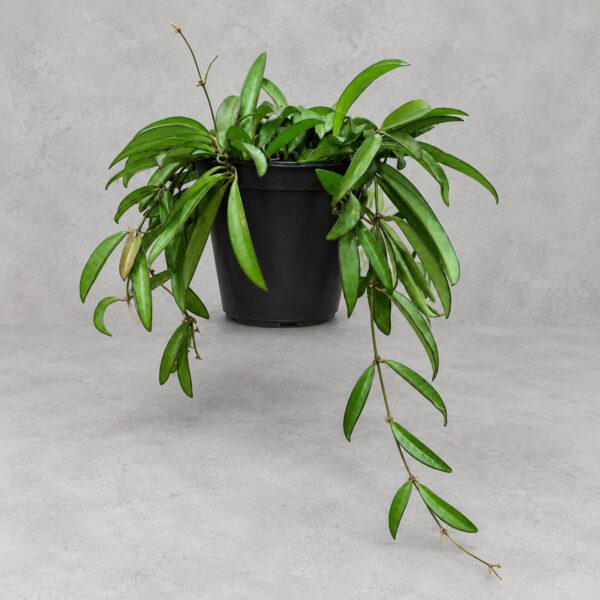
Hoya wayetii is native to the Philippines and belongs to a perennial evergreen vining species in the family Apocynaceae, genus Hoya. Its leaves are long-oval to lance-shaped, thick and leathery, with the most eye-catching feature being the leaf margins, which turn reddish-brown to deep purplish-red under strong light, as if tinted with lip colour. Mature plants produce waxy, five-pointed star-shaped flowers in spring and summer, ranging from pink to reddish-brown, clustered into umbel-shaped flower balls with a subtle sweet fragrance. Its growth habit is primarily hanging or climbing, with soft stems, making it ideal for a hanging basket or high shelf where it can trail naturally.
Toxicity note: Hoya wayetii's sap contains mild toxins, and skin contact may cause sensitivity, while ingestion can lead to digestive upset. Wash your hands after handling, and keep it away from pets or children who might accidentally ingest it.
Light
Hoya wayetii likes bright indirect light, with an east- or north-facing window position being most ideal. Receiving 4-6 hours of gentle light daily makes the red leaf margins more vivid. It can adapt to semi-shade, but light that's too weak causes the leaves to turn green and lose their red edge, and flowering will drop significantly.
Note: harsh direct midday summer sun easily scorches the leaves, causing burnt edges or white spots; prolonged placement in dim spots causes legginess and sparse leaves.
Watering
Follow the principle of "water when just dry." During the spring/summer growing season, water thoroughly once the top 2-3 cm of soil dries out; in autumn/winter when growth slows, this can be extended to every 7-10 days, or even every two weeks, depending on ambient humidity.
Tip: Hoya roots dislike standing water — better a bit dry than overly wet. Slightly wrinkled leaves are a sign of thirst and can be watered immediately. In winter, don't use water that's too cold, to avoid shocking the roots.
Soil & pot
Prioritise fast drainage and breathability. Use an orchid mix combined with succulent soil, or make your own recipe: perlite + coco coir + bark (roughly 3:3:2), ensuring fast drainage and allowing roots to breathe. Terracotta or a perforated plastic pot is the first choice, with drainage holes at the base being essential.
Note: Hoya wayetii has a relatively shallow root system, so a very deep pot isn't necessary — a wide, shallow pot suits it better. When repotting, try to preserve the original root ball to avoid damaging roots; repotting once every 1-2 years is generally sufficient.
Temperature & humidity
The ideal growing temperature is 18-28°C. It can tolerate a minimum of about 10°C, but prolonged exposure below 15°C stalls growth; above 35°C, watch ventilation and shading. For humidity, 40-60% relative humidity is ideal, and typical Hong Kong indoor conditions generally suit it well. If running the AC makes the air drier, occasional misting can help raise humidity, but avoid letting water pool at the leaf centre.
Winter warmth: when temperatures drop below 12°C, move the plant indoors or reduce watering frequency to help it get through winter.
Common problems
| Issue | Likely cause | What to do |
|---|---|---|
| Leaves losing their red edge, turning solid green | Insufficient light | Move closer to a window, increase indirect light |
| Wrinkled, soft leaves | Underwatering or root damage | Check soil moisture, water an appropriate amount; if rotted, trim and repot promptly |
| Black spots or mushy leaves | Overwatering / poor ventilation | Reduce watering, improve ventilation; repot and trim roots if severe |
| Prolonged failure to flower | Insufficient light / immature plant | Increase light, be patient — Hoyas typically need to reach a certain size before flowering |
| Leggy stems, sparse leaves | Severe light deficiency | Gradually increase light, consider pruning the tip to encourage branching |
| White powdery substance on leaf undersides | Mealybugs or scale insects | Wipe with alcohol-soaked cotton or spray neem oil, isolate the plant |
How to explain to customers
"Hoya wayetii is one of the most beautiful entry-level Hoya options — the red edge on the leaves develops naturally, no special care needed. Just remember it hates root rot the most, so always let it dry out before watering again — better a bit dry than too wet. After it flowers, don't cut off the peduncle, since Hoyas rebloom from the same spot! Place it near a window with indirect light, and when the vines start cascading down, that's when it looks its best."
Fun facts
The "wayetii" in Hoya wayetii's name honours a Filipino plant collector, Mr. Wayet. Hoya nectar sometimes drips down, which is why it's also called "Wax Plant" or "Honey Plant" in English. Although the individual flowers are small, they cluster into a hemispherical ball that looks like a miniature pink firework from a distance — quite spectacular. Also, the genus Hoya actually belongs to the Apocynaceae family, making it a relative of the desert rose!
Keywords
Hoya wayetii, Hoya, Apocynaceae, hanging plant, waxy flower, pink flower, beginner-friendly, indoor plant, indirect light, water when just dry, mild toxicity, unsuitable for pets, vining plant, red-edged leaves
參考資料(想知來源可展開)
References
- Royal Botanic Gardens, Kew — Plants of the World Online: Hoya wayetii, https://powo.science.kew.org/
- ASPCA — Toxic and Non-Toxic Plant List, https://www.aspca.org/pet-care/animal-poison-control/toxic-and-non-toxic-plants
⚠️ Contains mild toxins; sap may cause skin sensitivity, and ingestion can cause digestive upset. Keep away from pets and children.
Plantjai · Causeway Bay collector indoor plants · WhatsApp +852 66807550
For Hong Kong homes and offices. Stock and pricing follow the product page.
IN STORE NOW
Plants for this guide
Related plants in stock now — live prices, delivery or Causeway Bay pickup.
FREE PLANT ADVICE
Send us a photo before you change anything
WhatsApp a photo of the plant and your window light. Our Causeway Bay team will suggest care steps or plants that suit your space.
STORE · CAUSEWAY BAY
4/F, 39 Yiu Wa Street, Causeway Bay
Daily 12:30–8:00pm · ~3 min walk from Times Square
Map & directionsPlant Care