
Plant Care

How to Care for Hoya Hypolasia in Hong Kong | Plantjai

Hoya hypolasia 毛葉毬蘭

Plantjai 植仔 · Care Encyclopedia

Hoya Hypolasia

Hoya hypolasia 毛葉毬蘭

Hong Kong care guide — useful before you buy and after it arrives.

Shop this plant

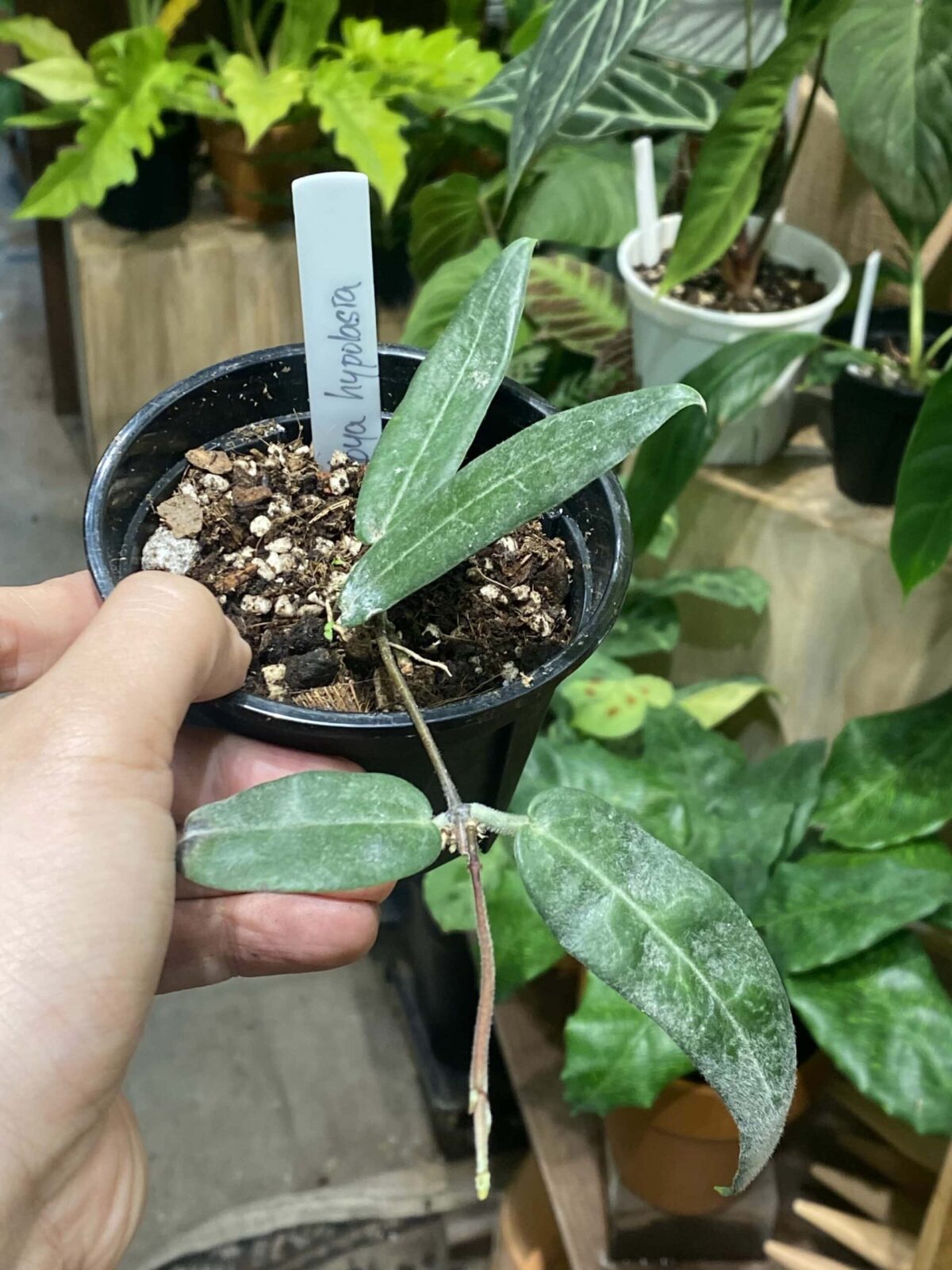
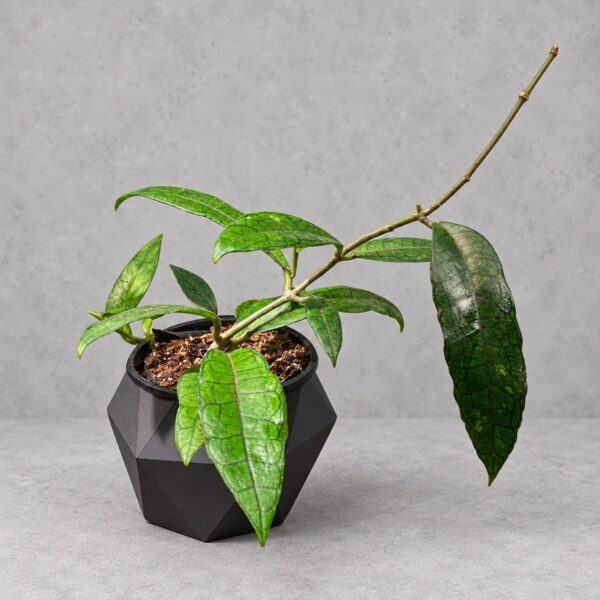
A rare Hoya with a velvety, fuzz-covered leaf surface, releasing a light sweet fragrance when it flowers — a prized piece for collectors of the fuzzy-leaved Hoya group.

LightMainly bright indirect light, avoiding harsh direct sun.
WateringBetter dry than wet — wait until the mix is 70–80% dry before watering.
SoilAn extremely fast-draining, coarse-grained, breathable mix is key.
ClimatePrefers cooler, high-humidity conditions.

Brand: Plantjai 植仔 | Classification: Apocynaceae, genus Hoya | Difficulty: advanced


Origin & characteristics

Hoya hypolasia (botanical name pending confirmation) is an epiphytic climbing vine native to Southeast Asian tropical rainforest, primarily distributed across Malaysia and Indonesian Borneo. It grows at higher elevations in mountain forests with stable humidity, clinging to tree trunks or rock surfaces.

Physical characteristics:

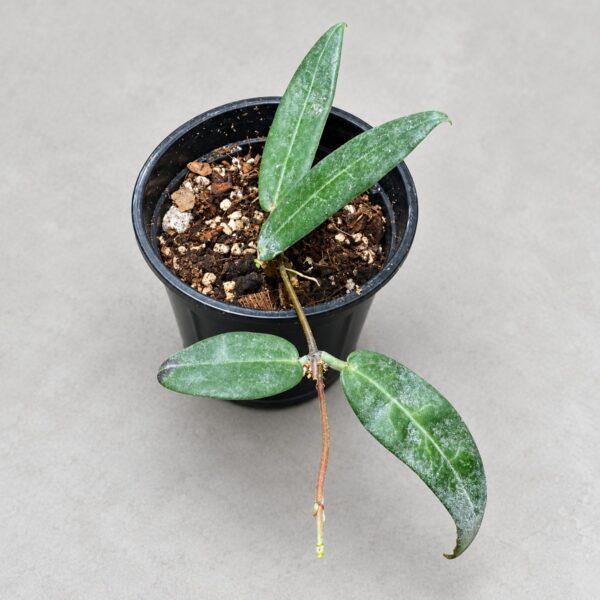
  • Leaves: densely covered in fuzz with a matte, velvety feel; leaf shape is elongated-oval, with slightly recessed veins
  • Vines: thin but climbing, with moderate to slow growth
  • Flowers: umbel clusters with pale pink or creamy-white petals and a deep red centre corona, with a light floral fragrance
  • Fuzzy leaf trait: the fuzzy surface collects dust easily and needs periodic gentle cleaning to maintain photosynthetic efficiency

Light

Mainly bright indirect light, avoiding harsh direct sun.

Hoya hypolasia is native to shadier forest floor positions, so its fuzzy leaves are quite light-sensitive. Place it near an east- or north-facing window, or 1–2 metres from a south-facing window. Too little light causes the fuzz to thin and leaf colour to dull; harsh direct sun can scorch the fuzz, leaving irreversible brown patches.

  • Ideal light: 10,000–20,000 lux (bright indirect light)
  • Daily light exposure: at least 6–8 hours
  • Avoid: harsh midday direct sun, prolonged placement in a dark corner

Watering

Better dry than wet — wait until the mix is 70–80% dry before watering.

The fuzzy-leaved Hoya group has delicate roots that are extremely sensitive to standing water. Before watering, insert a finger about 2–3 cm into the mix to confirm it's dry. In winter, when growth slows, watering can be extended to once every two weeks.

Key watering points:

  • Spring/summer (growing season): roughly every 7–10 days, adjusted for ambient humidity
  • Autumn/winter (semi-dormant): roughly every 10–14 days
  • Method: water slowly around the rim until it drains from the base, emptying the saucer after 30 minutes
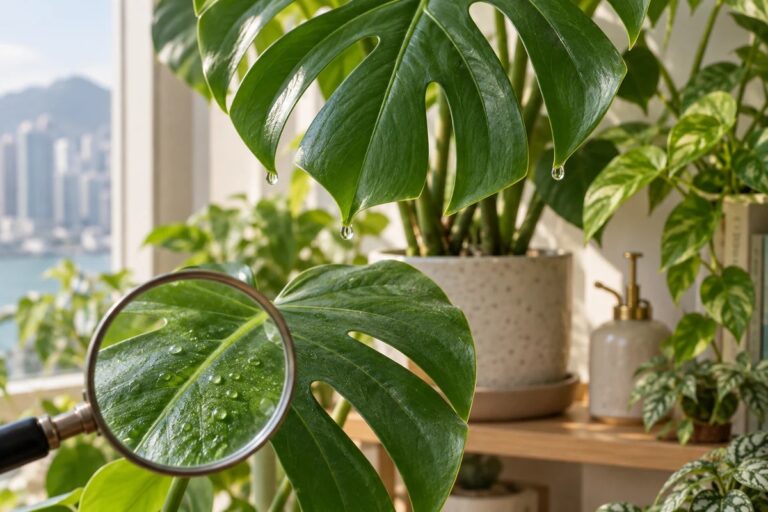
  • Note: avoid getting the fuzzy leaves wet frequently, as this can cause water spots or mould

Soil & pot

An extremely fast-draining, coarse-grained, breathable mix is key.

Hoya hypolasia needs plenty of airflow around its roots. Use an orchid-style mix as a base:

Recommended mix ratio:

  • Pine bark (medium grade): 40%
  • Perlite: 25%
  • Sphagnum moss: 20%
  • Coco coir: 15%

Pot choice:

  • A clear orchid pot or terracotta pot is preferred, for easy monitoring of root condition
  • Drainage holes are essential
  • Avoid an oversized pot — being slightly snug helps encourage flowering
  • Pair with a trellis or sphagnum moss pole for climbing support

Temperature & humidity

Prefers cooler, high-humidity conditions.

Hoya hypolasia is fairly sensitive to temperature, especially disliking stuffy heat:

ItemIdeal rangeNotes
Daytime temperature18–26°Cgrowth stalls above 30°C
Nighttime temperature15–20°Cslightly cooler nights aid nutrient accumulation
Minimum tolerance12°Ccold damage risk below 10°C
Humidity60–80%leaf tips scorch below 50%

Ways to raise humidity:

  • Place in a higher-humidity bathroom (if it has a window)
  • Use a humidifier
  • Group with other plants
  • Avoid misting the leaf surface directly (the fuzz can trap moisture and rot)

Common problems

Q1: The fuzz is thinning and leaves have lost their sheen?

Usually due to insufficient light or overly dry air. Move closer to a window or raise humidity — the fuzz should gradually recover.

Q2: Leaves turning yellow and mushy?

Almost certainly overwatering causing root rot. Stop watering immediately, check the roots, trim rot, and repot in fresh, dry mix.

Q3: New leaves are small and growth has stalled?

Possibly underdeveloped roots, excessive heat, or nutrient deficiency. Check root health and apply diluted liquid fertiliser as appropriate.

Q4: It's taking forever to flower?

Fuzzy-leaved varieties typically need to mature (vines over 30 cm) before flowering. Ensure adequate light, and a slightly drier spell in winter can help trigger blooming.

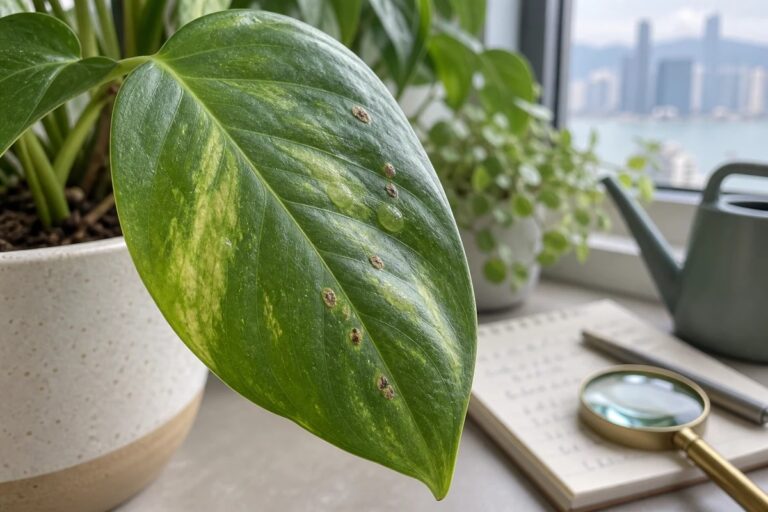
Q5: Brown scorched patches on the leaves?

Usually from strong light burning the fuzzy surface, or water droplets acting like tiny magnifying glasses. Move away from strong light and avoid getting water on the leaves.

How to explain to customers

"Hoya hypolasia is a more advanced species — the three key things to remember are: enough light but no direct sun, water sparingly and never let the roots sit wet, and keep humidity high but avoid wetting the leaf surface. The fuzzy leaves are its best feature — so soft to the touch — but that fuzz doesn't like collecting dust or moisture, so just brush it gently with a soft brush now and then. When it flowers, there's a light fragrance and the flower clusters look like tiny parasols, really delicate! It's non-toxic to cats and dogs, though the fuzzy leaves might tempt a cat to chew, so it's best kept somewhere they can't reach."

Fun facts

  • Fuzzy-leaved Hoya species (like Hoya hypolasia and Hoya villosa) may have evolved their fuzzy leaf surface to reduce water pooling and prevent mould growth in high-humidity environments.
  • Fuzzy-leaved Hoyas take on a "silvery" sheen under strong light, as the fuzz reflects light to create a distinctive visual effect.
  • After a Hoya flower fades, never cut off the peduncle (flower spur), since it reblooms repeatedly from the same spot.
  • The species epithet "hypolasia" comes from ancient Greek — "hypo-" meaning "beneath" and "lasios" meaning "hairy/woolly," describing the fuzzy covering on the underside or surface of its leaves.

Keywords

Hoya hypolasia fuzzy leaves rare species advanced care high humidity well-draining mix epiphyte Plantjai Hoya collection flowering vine non-toxic to pets botanical name pending confirmation

參考資料(想知來源可展開)

References

  • Royal Botanic Gardens, Kew — Plants of the World Online: genus Hoya, https://powo.science.kew.org/
  • ASPCA — Toxic and Non-Toxic Plant List, https://www.aspca.org/pet-care/animal-poison-control/toxic-and-non-toxic-plants

⚠️ Non-toxic to cats and dogs; sap may cause mild skin irritation in sensitive individuals.


Plantjai · Causeway Bay collector indoor plants · WhatsApp +852 66807550

Hoya hypolasia

Plantjai shop · In stock online

Hoya hypolasia

HK$218.00

Hong Kong delivery · Causeway Bay pickup

For Hong Kong homes and offices. Stock and pricing follow the product page.