
How to Care for Hoya Compacta in Hong Kong | Plantjai

Plantjai 植仔 · Care Encyclopedia
Hoya Compacta
Hong Kong care guide — useful before you buy and after it arrives.
Shop this plantNaturally twisted, rope-like leaves and a sweet fragrance when it blooms — the ultimate low-maintenance showpiece for busy plant parents!
Brand: Plantjai
>
Botanical name note: Hoya compacta is a widely used trade name; some taxonomists consider it a horticultural form of Hoya carnosa 'Compacta.' Botanical name pending confirmation.
Origin & characteristics
- Native range: tropical and subtropical Southeast Asia (India, Thailand, Malaysia region)
- Growth habit: climbing vine, cascading rope-like as it matures, reaching 1–2 metres
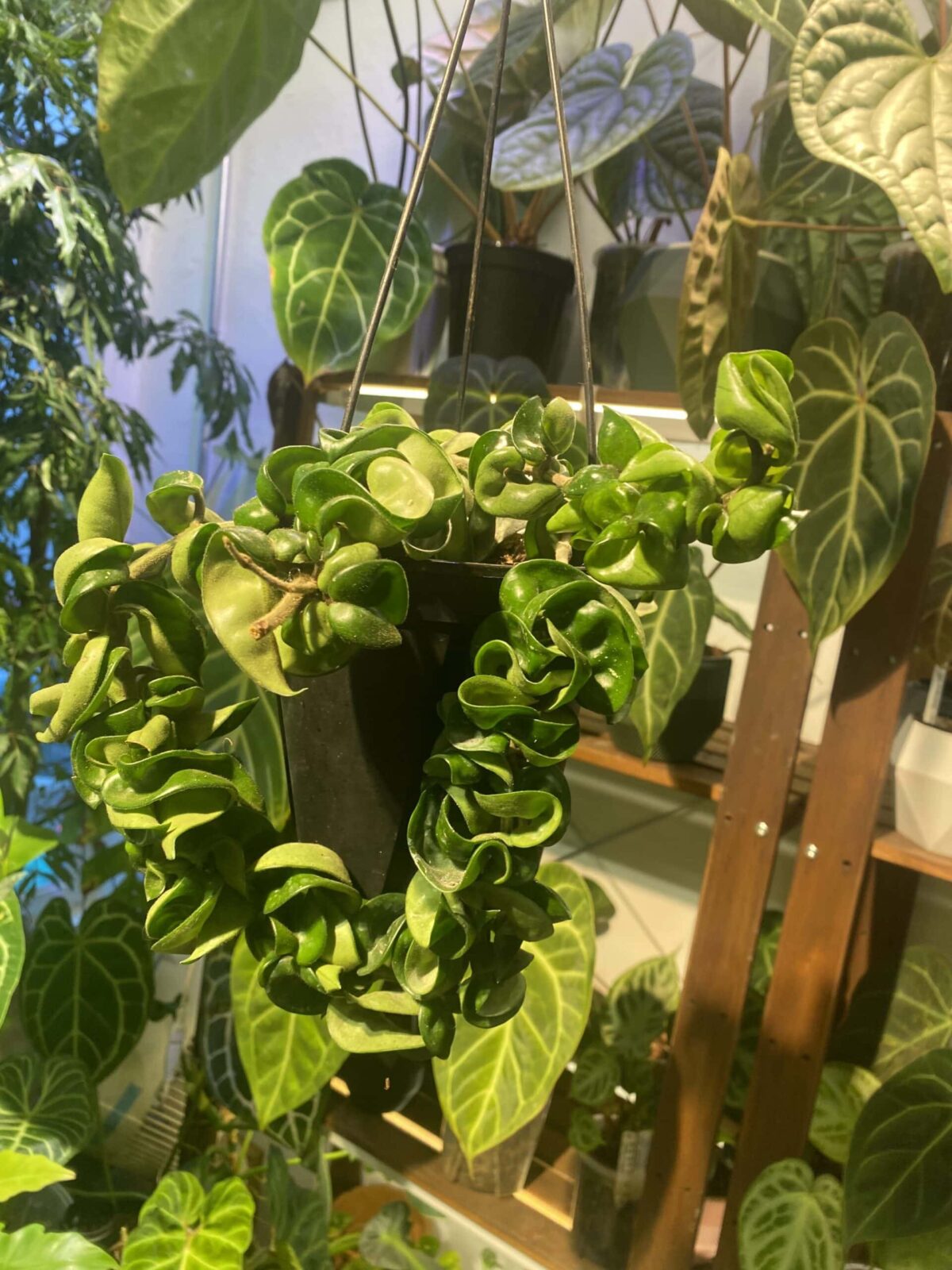
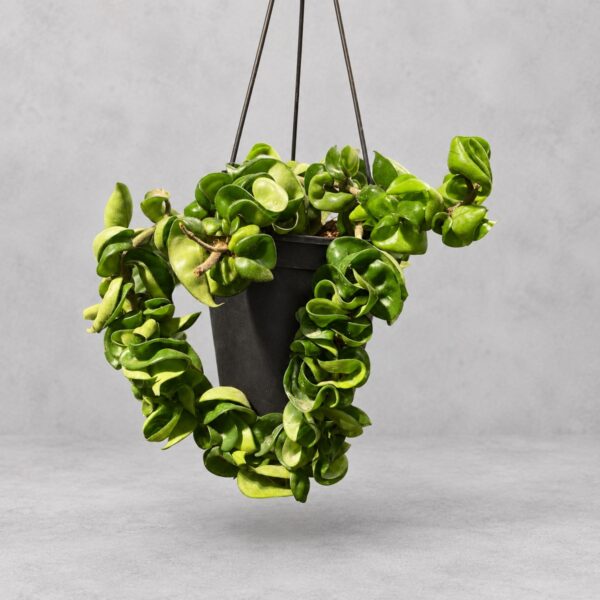
- Leaf characteristics: thick, succulent leaves twisted into a curly, rope-like shape, with a waxy surface and glossy deep green colour
- Flowering characteristics: flowers repeatedly emerge from the same peduncle (spur), forming globe-shaped umbels in white, pink, or magenta, blooming for 2–3 weeks with a sweet, honey-like fragrance
- Growth rate: moderate to slow
- Pet safety: ✅ non-toxic to cats and dogs
Light
- Ideal light: bright indirect light, east- or west-facing windows are best
- Acceptable range: north-facing window (with sheer curtain) or a spot with grow-light supplementation
- Notes:
- Avoid harsh midday direct sun, which easily scorches leaves yellow
- Insufficient light slows growth and makes flowering difficult
- Rotate the pot every two weeks for even growth, preventing it from leaning toward the light
- To encourage flowering, it can tolerate a little gentle morning direct sun in winter/spring
Watering
- Watering frequency: let the top 2–5 cm of soil dry out first, roughly every 7–10 days in summer, roughly every 2–3 weeks in winter
- Watering method: water slowly around the rim of the pot until it drains fully from the base, avoiding standing water
- Signs of underwatering: wrinkled, soft leaves mean it's thirsty
- Signs of overwatering: yellow, mushy leaves and persistently damp soil
- Seasonal adjustment: reduce watering significantly during slower autumn/winter growth
- Important reminder: better dry than wet! Hoya compacta is drought-tolerant but extremely prone to root rot
Soil & pot
- Soil recipes:
- Recipe 1 (recommended): 2 parts succulent soil + 1 part perlite
- Recipe 2 (advanced): 1 part orchid mix + 1 part peat + 1 part perlite
- Recipe 3 (simple): quality indoor potting soil with extra perlite mixed in for aeration
- Key point: must be fast-draining and breathable, since the roots need plenty of airflow
- Pot choice:
- Must have drainage holes; plastic or terracotta both work
- Prefers being "snug," so no need to rush into a bigger pot
- A hanging pot is recommended, letting the vines cascade naturally to show off their "rope" form
- When to repot: every 2–3 years, or when roots emerge from the drainage holes
- Repotting tip: a new pot 2 inches wider than the old one is enough — don't jump too large at once
Temperature & humidity
- Ideal temperature: 18–29°C (typical room temperature is fine)
- Minimum tolerance: 10°C — bring it indoors if temperatures drop below this
- Humidity requirement: 40% or above, typical household humidity is not usually an issue
- Raising humidity:
- If humidity is consistently below 40%, a bright bathroom or a humidity tray at the base helps
- Avoid placing near AC or heater vents
- Flowering tip: slightly cooler nights (around 15–18°C) before flowering can help trigger blooming
Common problems
| Issue | Likely cause | What to do |
|---|---|---|
| Yellow, mushy leaves | Overwatering / root rot | Check roots, trim rot, repot with fresh soil, reduce watering |
| Wrinkled, soft leaves | Underwatering | Water thoroughly right away, then maintain a normal watering rhythm |
| Leggy stems, widely spaced leaves | Insufficient light | Move closer to a window or add a grow light |
| Won't flower | Insufficient light / immature plant / repotted too often | Increase light, let the plant get slightly pot-bound, don't cut off flower stalks |
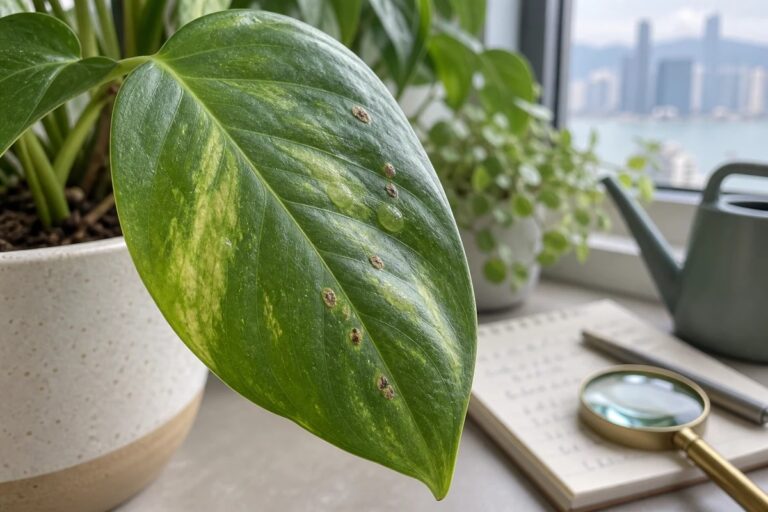
| Brown spots on leaves | Sunburn | Move away from strong light, trim off severely damaged leaves |
| White cottony spots on leaf undersides | Mealybugs | Dab with an alcohol-soaked cotton swab, or spray neem oil |
How to explain to customers
"Hoya compacta is a great low-maintenance pick — just remember one thing: better dry than wet! Its leaves are naturally curly, like little twists, so cute. When it flowers you get a lovely fragrance, but to get it to flower you need to give it enough light and avoid moving it around too much. Feed it a light fertiliser once each spring and summer, and it only needs repotting every two to three years. It's non-toxic to cats and dogs, so pet families can bring it home worry-free!"
Fun facts
- The flowers of Hoya compacta bloom year after year from the same peduncle (spur), so never cut off the flower stalk after it blooms!
- Its English name, "Hindu Rope Plant," comes from the way its stems twist and curl like a rope.
- The flowers release an even more intense sweet fragrance at night, attracting nocturnal pollinating insects.
- The curled leaf form is actually the result of an abnormal growth pattern during leaf development — a natural mutation rather than something that curls up later.
Keywords
Plantjai Hoya compacta Hindu Rope Plant curly Hoya indoor plant low-maintenance plant climbing plant non-toxic plant pet safe flowering plant well-draining soil bright indirect light drought-tolerant curly-leaf plant fragrant flowers
參考資料(想知來源可展開)
References
- Royal Botanic Gardens, Kew — Plants of the World Online: Hoya carnosa, https://powo.science.kew.org/
- ASPCA — Toxic and Non-Toxic Plant List, https://www.aspca.org/pet-care/animal-poison-control/toxic-and-non-toxic-plants
⚠️ Non-toxic to cats and dogs; sap may cause mild skin irritation in sensitive individuals.
Plantjai · Causeway Bay collector indoor plants · WhatsApp +852 66807550
For Hong Kong homes and offices. Stock and pricing follow the product page.
IN STORE NOW
Plants for this guide
Related plants in stock now — live prices, delivery or Causeway Bay pickup.
FREE PLANT ADVICE
Send us a photo before you change anything
WhatsApp a photo of the plant and your window light. Our Causeway Bay team will suggest care steps or plants that suit your space.
STORE · CAUSEWAY BAY
4/F, 39 Yiu Wa Street, Causeway Bay
Daily 12:30–8:00pm · ~3 min walk from Times Square
Map & directionsPlant Care