
Plant droplets or pests? Guttation, honeydew and sticky leaves

Updated: 2026-09-08
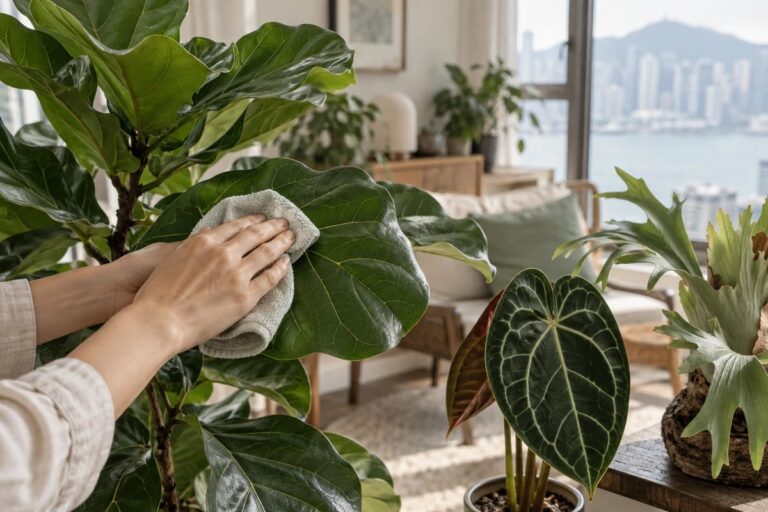
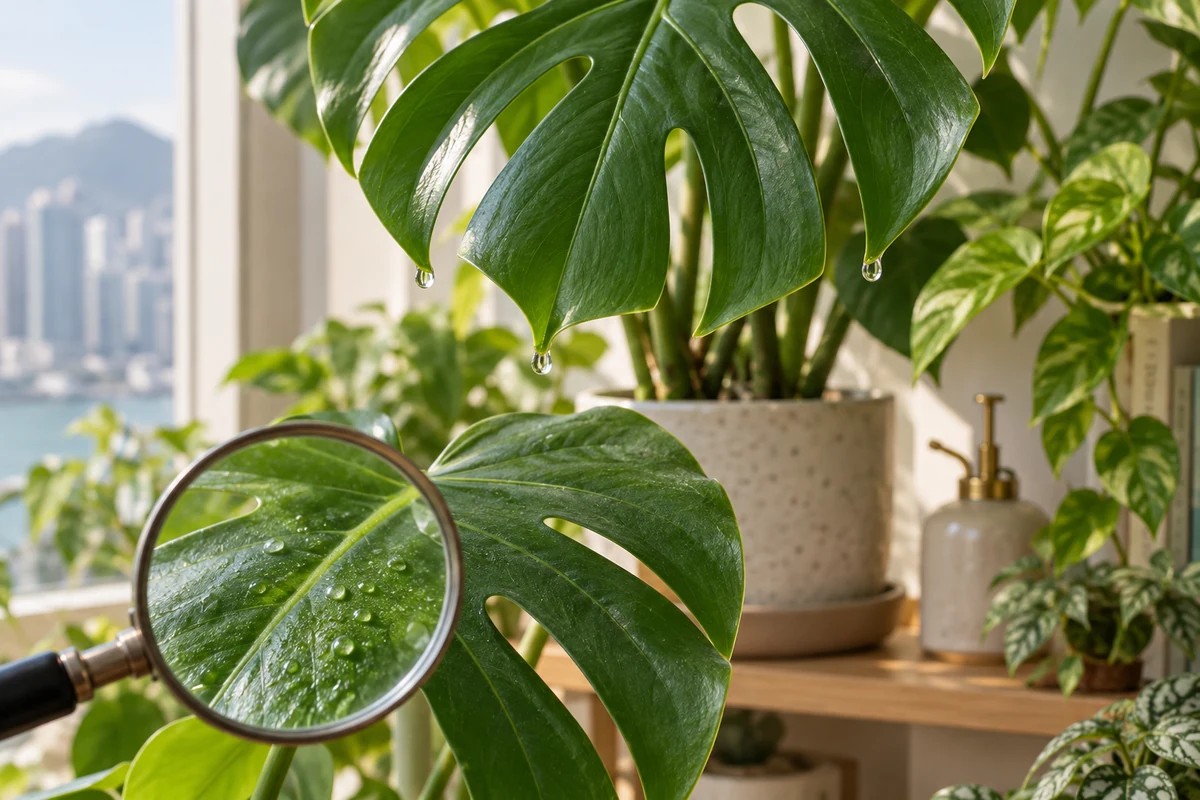
Neat droplets at leaf tips in the morning may be guttation. Persistent stickiness on lower leaves and furniture calls for a search for honeydew-producing sap-feeding insects. Clear appearance or stickiness alone cannot distinguish them, and both can occur together. Record the location, timing and plant condition before choosing observation, cleaning or pest isolation.
Guttation is different from dew and thirst
Guttation releases liquid through hydathodes at leaf margins or tips and is associated with root pressure. It is easier to notice when water is available at the roots and transpiration is low. Dew forms when atmospheric moisture condenses on a cooler surface. A marginal droplet is a clue, not proof that roots are either healthy or rotting.
Guttation fluid can contain dissolved substances and leave a mark when dry. Do not taste it or let pets drink it; clean furniture with a water-dampened cloth. Continue to assess moisture in the root zone. Droplets do not automatically mean watering must stop, and their disappearance does not mean the plant immediately needs another drink.
Reference: University of Missouri — Guttation: A Pressure Relief for Plants
Map the sticky areas
| Observation | Inspect first | This does not prove |
|---|---|---|
| Morning tip droplets that later dry | Watering time, leaf margins and overall condition | That pests are absent |
| Broad sticky areas on lower leaves and furniture | Leaves, stems and axils above them | That scale is definitely responsible |
| Stickiness with cottony material or fixed bumps | Magnified clues to mealybugs or scale | That all white fluff is an insect |
| Liquid at a wound or consistent small site | Recent cuts, rubbing and normal secretory structures | That one pesticide application will solve it |
A sticky spot on furniture may not sit directly below the source because overlapping leaves intercept droplets. Trace upwards from the lowest sticky leaf instead of inspecting only the leaf that looks dirty.
Reference: Iowa State Extension — Sticky deposits on houseplants · University of Maryland Extension — Scale Insects on Indoor Plants
Make three comparable observations
First, photograph the whole plant and the deposit before cleaning, noting the last watering and air-conditioning changes. Second, gently clean a small area of a mature smooth leaf or the furniture and see whether the deposit returns in the same place. Third, inspect undersides and nodes at another time, especially areas not checked previously. These are observation stages, not a mandatory waiting period before acting on obvious pests.
Avoid moving, flushing, feeding and spraying the plant all at once; that makes the cause of any change difficult to interpret. If live pests are visible or cottony clusters and bumps are increasing, separate the plant from others, clean shared tools and select a response for the identified pest.
Cleaning is followed by source control
If there are a few droplets and otherwise normal growth, protect furniture, empty standing water and continue care based on the root zone. Persistently wet media, a soft stem base or an unusual smell calls for root-zone investigation. Do not seal leaf tips with glue or cut off every dripping tip.
If honeydew is responsible, wiping only removes the deposit. Scale or mealybugs may remain in sheaths, stem junctions and around the pot, so follow-up inspection matters. If a control product is needed, use only label directions applicable to Hong Kong, the target plant and the indoor setting. Do not copy an overseas brand, concentration or fixed spraying interval.
A common misleading combination
Suppose a monstera was watered last night, has tip droplets this morning, and also has one sticky lower leaf. Record these separately: “Droplets at upper leaf tips; broad sticky deposit on lower leaf.” The first observation is consistent with guttation but does not explain the second or justify skipping a pest check.
When asking for help, provide a whole-plant view, the undersides above the affected area, a close-up of the droplets and the watering history. That is more useful than one photograph of a sticky leaf. The aim is to identify the source and track improvement, not to demand that a living plant never produces any secretion.
Make the observation useful to another carer
When two people care for the collection, “dripping again” is too vague. An example entry is “Tuesday morning: droplets at two upper leaf tips; cleaned table still non-sticky in the afternoon; no moving insects seen,” with a photograph of the same position. This is a hypothetical record. Failing to see insects does not exclude them, so inspect previously hidden areas later.
If the table becomes sticky again while the tips are dry, update those two observations separately instead of carrying yesterday’s guess forward as today’s conclusion. Record the name and time of any treatment already applied so another person does not repeat it. A seller receiving this information can distinguish what was observed from what was inferred, without first guessing which part of the plant “dripping” refers to.
Sources and scope
- University of Missouri — Guttation: A Pressure Relief for Plants — Root pressure, hydathodes and guttation. Location and timing are clues, not proof against pests or root problems.
- Iowa State Extension — Sticky deposits on houseplants — Sap-feeding pests and honeydew. Stickiness alone cannot identify the pest species.
- University of Maryland Extension — Scale Insects on Indoor Plants — Scale identification and follow-up inspection. No overseas pesticide products, rates or schedules are transferred.
Further reading
- Pest & Disease Control Handbook: Identifying and Treating Spider Mites, Scale, and Aphids
- Plant classification and selection
Related Plantjai plants
- Monstera deliciosa
Its broad leaves and clear tips make droplet positions easy to record. Provide bright indirect light and drainage; droplets are not a request for more water.
- Philodendron 'Pink Princess'
Allows close inspection of leaves, petioles and nodes. It suits a buyer who can inspect regularly and provide room for climbing growth.
IN STORE NOW
Plants for this guide
Related plants in stock now — live prices, delivery or Causeway Bay pickup.
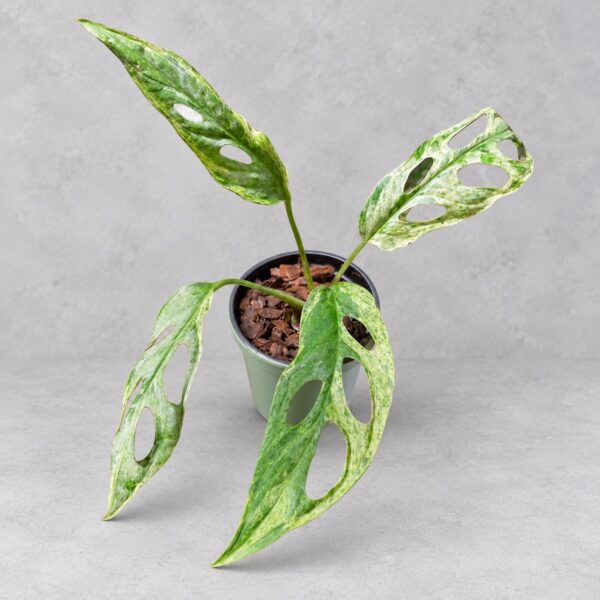
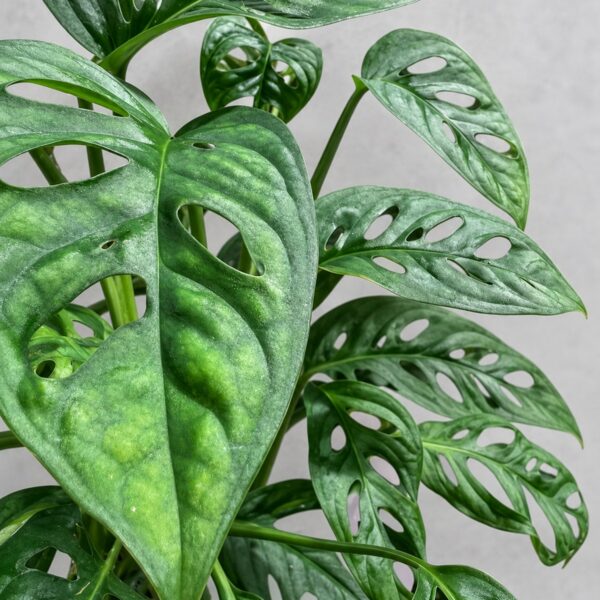
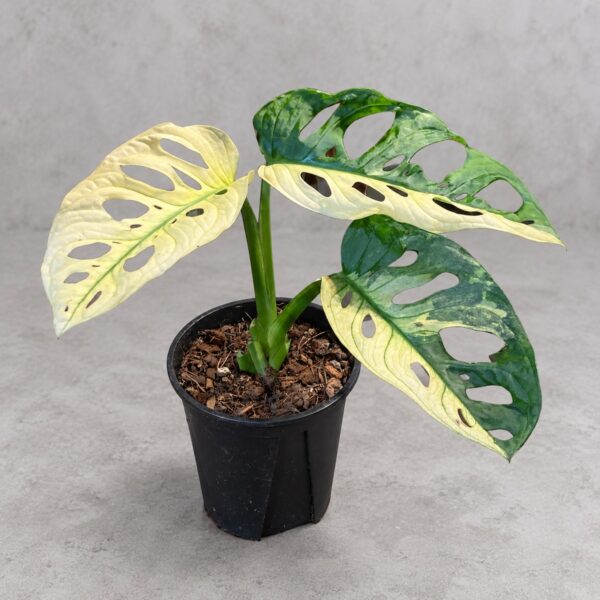
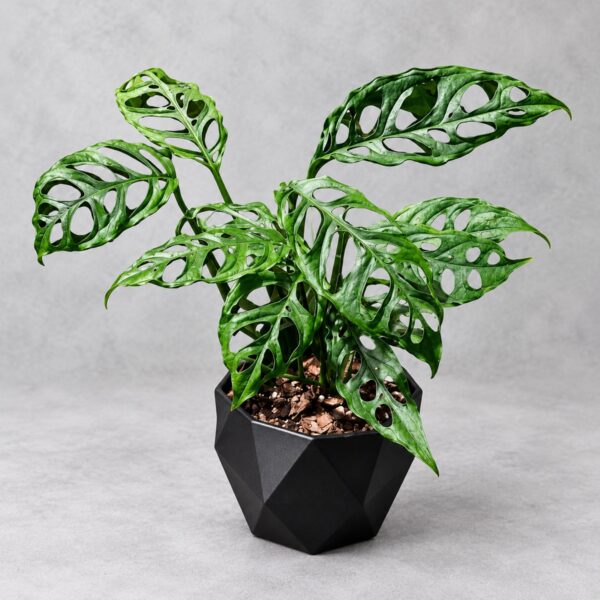
Monstera obliqua Peru
Original price was: HK$480.00.HK$280.00Current price is: HK$280.00.
In stock · store pickup
View plant
FREE PLANT ADVICE
Send us a photo before you change anything
WhatsApp a photo of the plant and your window light. Our Causeway Bay team will suggest care steps or plants that suit your space.
STORE · CAUSEWAY BAY
4/F, 39 Yiu Wa Street, Causeway Bay
Daily 12:30–8:00pm · ~3 min walk from Times Square
Map & directionsPlant Care