Acclimating Velvet-Leaf Anthuriums to a Hong Kong Home


In this guide (7)
- 01Ask four questions before buying a humidifier
- 02Measure near the foliage, not from the outdoor forecast
- 03Keep air, roots and light as separate decisions
- 04Leaving high humidity: change one major condition at a time
- 05Observe expanding leaves without forcing them open
- 06An acclimation log that makes the next leaf informative
- 07Further reading and next steps
Acclimating a velvet-leaf Anthurium is not simply setting a humidity meter to one number. Manage the difference between its previous and new environments together with leaf-level light, root water supply and air movement. A plant just removed from a humid propagation environment should not be assumed to tolerate the same conditions as a similarly named plant established indoors for months.
“Velvet-leaf Anthurium” covers different species, hybrids and cultivated selections. This guide uses foliage types such as Anthurium crystallinum as its context. It does not transfer every numerical recommendation for flowering anthuriums—or the success of one specimen—to every collector plant.
Ask four questions before buying a humidifier
- Identity: is the label a species, a documented hybrid or a trade name? Preserve uncertainty where parentage is unknown.
- Previous environment: an open room, greenhouse, cabinet or closed propagation box? Use numerical claims only when there is a record.
- Root stage: an established potted plant, newly rooted specimen, fresh division or recent medium change? A large leaf does not prove an established root system.
- Leaf stage: emerging, expanding or mature? Photograph it so that original damage can be distinguished from later changes.
Missing information is not permission to guess. If there is no humidity record, write “previous humidity unknown” and make conservative, observable changes instead of inventing a professional-looking percentage.
Measure near the foliage, not from the outdoor forecast
Humid outdoor weather in Hong Kong does not establish the conditions in an air-conditioned room or plant cabinet. Place a thermometer–hygrometer near representative foliage, away from direct mist, air outlets and the wet surface of a pot. Record different times and the effect of air-conditioning. Inconsistent sensor placement can hide the variation you are trying to understand.
The RHS cultivation information for A. crystallinum supports bright indirect light and higher humidity. It does not establish one compulsory percentage for every hybrid. Interpret relative humidity alongside temperature rather than chasing a single display value.
If a humidifier is needed, maintain it according to its instructions and check for persistent wetness on foliage, walls, electrical equipment and the cabinet floor. The objective is an appropriate air environment, not continuously wet leaves.
Keep air, roots and light as separate decisions
| What you want to improve | Observe | Not a substitute |
|---|---|---|
| Air humidity | Leaf-level temperature, humidity and daily variation | Adding more water to already wet mix |
| Root water supply | Moisture, roots and drainage | Misting foliage without checking the root ball |
| Light acclimation | Light at the leaves, direct sun, lamp distance and growth | Using high humidity to compensate for excessive sun |
The RHS anthurium guide explains that wilting can occur when water loss from leaves exceeds root uptake. A plant that still droops after humidity is increased may therefore need root-zone investigation, not simply more humidity.
Misting is not a substitute for sustained environmental management. If you use a cabinet, establish workable light, air movement, drainage and equipment maintenance. A closed door does not by itself create ideal growing conditions.
Leaving high humidity: change one major condition at a time
A plant established in an open room does not need to be enclosed again merely because it has changed owners. Greater caution is needed with humidity-dependent propagation material, tender roots or recent transport stress. Stabilise position and watering, then gradually adjust ventilation or exposure according to observed response.
Do not remove a cover, change the medium, divide the plant and substantially increase light on the same day. A temporary clear cover must stay out of overheating direct sun and allow easy observation, ventilation and cleaning. It is not a sealed box that guarantees unattended success.
There is no dependable universal formula promising that a fixed daily opening time will complete acclimation on a particular day. Look instead for sustained leaf condition, a functioning root zone and the absence of new injury after a change. If the plant declines, stop accelerating the transition and investigate.
Observe expanding leaves without forcing them open
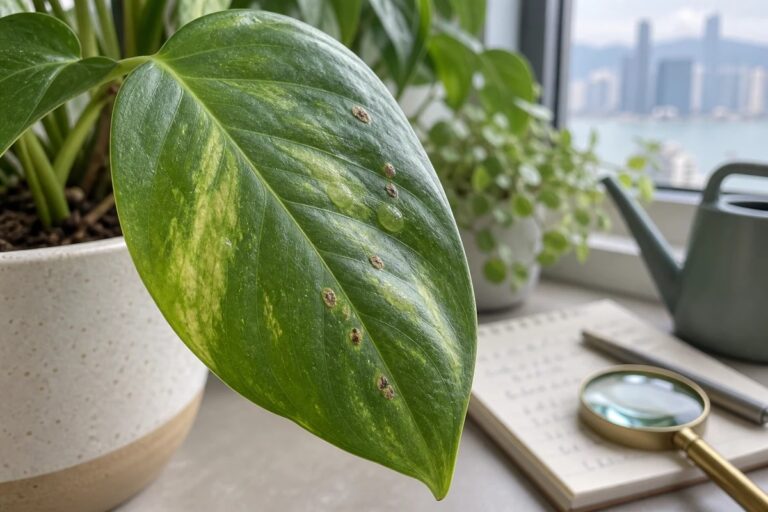
Compare an emerging leaf’s size, texture and colour with mature foliage on the same plant and with documented traits of its identity. A softer or differently coloured immature leaf is not automatically diseased, but not every distortion is normal either. Record expansion and any enlarging dark lesions.
A leaf that struggles to expand does not diagnose low humidity on its own. Check environmental changes, root water supply, pests and physical injury. Avoid pulling tender foliage, tearing away sheaths or pouring fertiliser solution into the growing point. A soft, decaying growing point needs closer assessment, not simply more mist.
Keep anthuriums away from chewing children and pets. The RHS advises gloves when handling them and keeping them out of reach. Put away tools and removed plant material after maintenance.
An acclimation log that makes the next leaf informative
| Item | Details |
|---|---|
| Background | Label, source, arrival date and known or unknown previous conditions |
| Leaf environment | Sensor position, temperature and humidity changes, light and air-conditioning |
| Root zone | Pot, medium, watering decisions and drainage |
| Changes | Dates of ventilation, position or lamp-distance adjustments; one major change at a time |
| New foliage | Consistent photographs, expansion, mature condition and new injury |
Home suitability means sustained healthy growth under conditions you can maintain—not merely retaining a beautiful greenhouse-grown leaf. Keeping appropriate equipment or reconsidering a plant choice is not a failure; it is a decision grounded in the conditions you can actually provide.
Further reading and next steps
Plantjai Plant Care Encyclopedia · Plantjai Journal · Explore Anthurium crystallinum
IN STORE NOW
Plants for this guide
Related plants in stock now — live prices, delivery or Causeway Bay pickup.
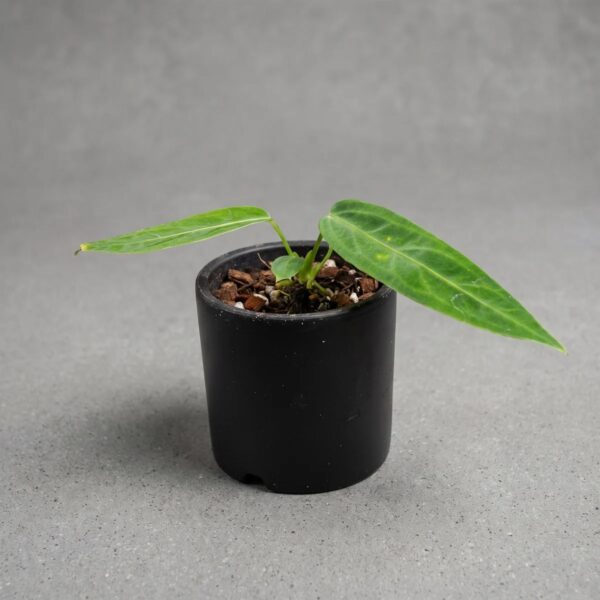
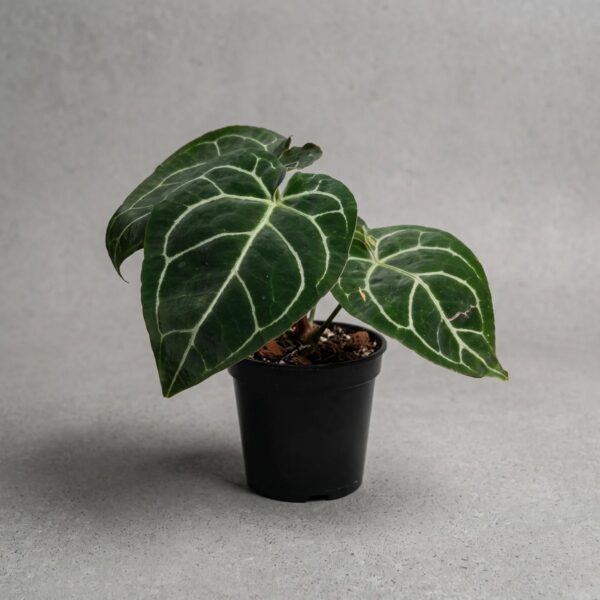
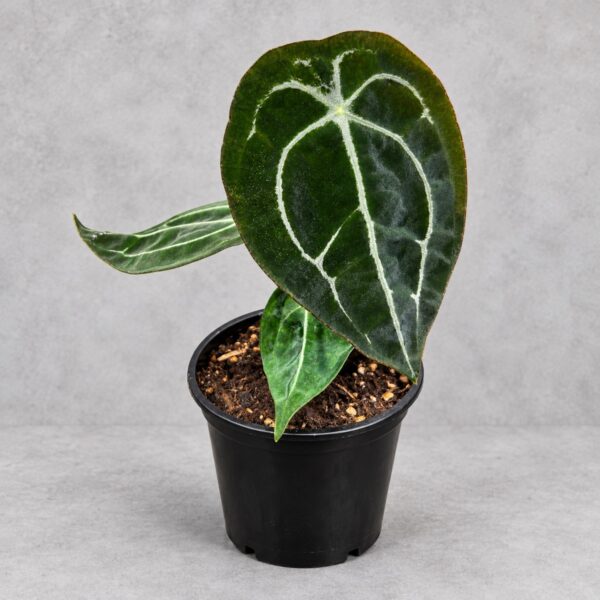
Anthurium crystallinum
Anthurium crystallinum
Original price was: HK$780.00.HK$380.00Current price is: HK$380.00.
In stock · store pickup
View plant
FREE PLANT ADVICE
Send us a photo before you change anything
WhatsApp a photo of the plant and your window light. Our Causeway Bay team will suggest care steps or plants that suit your space.
STORE · CAUSEWAY BAY
4/F, 39 Yiu Wa Street, Causeway Bay
Daily 12:30–8:00pm · ~3 min walk from Times Square
Map & directionsPlant Care