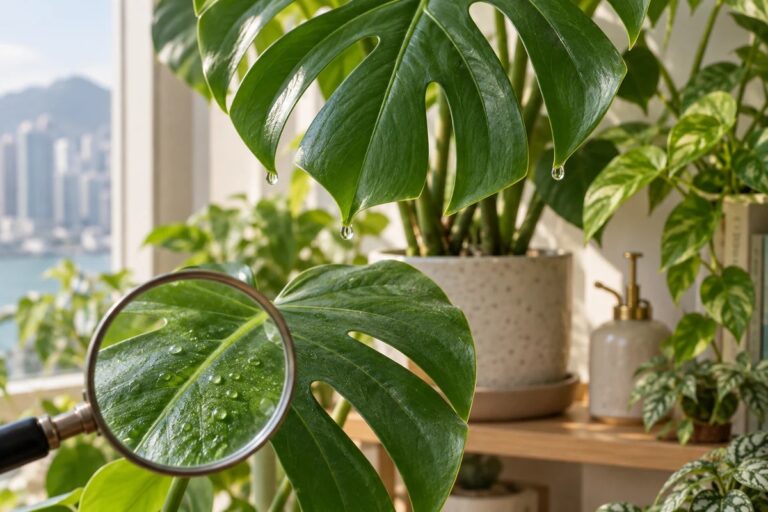

How to clean smooth, velvet and staghorn fern leaves


In this guide (9)
Updated: 2026-09-08
Clean leaves to remove dust while preserving the surface. Wipe mature smooth leaves gently with a damp soft cloth; try a very soft clean brush on velvet foliage. Leave the silvery hairs on staghorn fronds intact. Identify patterned markings, sticky deposits and unfolding leaves before treating them as dirt.
Inspect three places before cleaning
Look at the top, underside and petiole junction of the same leaf. Dust is usually loose material spread across the surface, sometimes heavier on the side facing a corridor or window. Cottony clusters in leaf axils, or sticky deposits with a dark film, need investigation beyond cleaning. Take a close photograph and look for moving insects before washing away the evidence.
Natural markings and hairs are not dirt merely because they look pale. Begonia spots, anthurium veins and staghorn hairs are different surface features. If uncertain, inspect them with a magnifier and compare them with the plant description. Leaving an uncertain patch alone is easier to correct than removing a whole natural surface layer.
Match the tool to the surface
| Surface | First approach | Stop when |
|---|---|---|
| Mature, smooth and firm | Damp soft cloth with room-temperature water; support the underside | The leaf is dragged or develops marks |
| Velvet or finely hairy | Very soft brush on a small area | Hairs lift, colour changes or brush marks remain |
| Thin, tender or unfolding | Protect its position and postpone direct cleaning | Any pulling or creasing occurs |
| Silvery staghorn surface | Identify the natural hairs and avoid rubbing | A rubbed area becomes shiny green |
A brush is not a tool for scrubbing away hardened residue. If gentle brushing does not remove a sticky deposit on velvet foliage, test an extremely light water treatment on a small area and observe it, or ask for help. Do not keep increasing pressure until the leaf looks clean.
Reference: Iowa State Extension — Cleaning houseplant foliage · University of Florida IFAS — Staghorn Fern
A practical routine for each plant
Prepare two soft cloths, one for cleaning and one for catching drips, plus a small bowl of clean water. Start with plants showing no suspicious pests, then handle those needing investigation. Clean tools between plants rather than wiping the whole collection with one dirty cloth. Support a mature leaf and wipe gently from base towards tip, working around splits so cloth corners do not catch.
If a gentle rinse is more practical, set the water temperature and pressure first and move the pot somewhere that drains safely. Do not automatically saturate an already wet root ball, or leave dirty runoff in a decorative outer pot. Return the plant to a bright position away from strong airflow and allow surface moisture to disperse. Direct hot sun is not a drying treatment.
Why skip oil, milk and leaf polish?
A shiny surface does not demonstrate better plant health. Cooking oil, milk and unknown mixtures add residues and make later pest inspection or colour comparisons harder. Household washing-up detergent is not the same formulation as a plant-labelled insecticidal soap. Dust removal normally requires neither.
If leaf polish has already been applied, do not try to strip it with solvents. Keep the product name and application date, check for discolouration, softening or scorch, and follow its instructions. Cleaning is routine maintenance, not a substitute for pest identification. Removing one visible insect does not establish that an infestation is gone.
Example: inspect a pale patch before brushing
Suppose an anthurium beside a window undergoing renovation develops a pale patch. Photograph it and compare other mature leaves in the same light, checking whether the patch follows veins or natural markings. If it appears to be loose dust, try a very soft brush on one small edge. If it does not move, stop instead of scraping with a fingernail. This limited trial helps choose a next step; it does not establish that the whole plant is pest-free.
Move the plant away from construction dust while maintaining suitable light. If fresh deposits keep arriving, address their source. When cleaning a neighbouring fiddle-leaf fig, use clean tools and support the leaf. Sharing a shelf does not make the same pressure or cloth suitable. “Mark not identified; treatment deferred” is a useful record too.
Clean when needed, with a small follow-up check
Photograph one mature leaf after cleaning and check the following day for fresh rub marks. At the next routine inspection, see whether dust has actually returned. A window, nearby renovation and a quiet room can create very different cleaning needs. A clean leaf does not need another treatment just to satisfy a weekly schedule.
Four notes are enough: plant ID, surface type, method and response. For example, “A03 / mature smooth leaf / water and soft cloth / no new marks next day.” This illustrates a record, not a tested result for a particular plant. If new damage keeps appearing, stop using that tool. A second cleaning will not erase an existing scar.
Sources and scope
- Iowa State Extension — Cleaning houseplant foliage — Gentle dust removal with water and a soft cloth. The workflow is editorial synthesis, not a complete pest treatment.
- University of Florida IFAS — Staghorn Fern — Shield fronds, fertile fronds and natural surface hairs. Do not rub off hairs or assume identical sizes and moisture needs across species.
Further reading
- Variegation, Silver Patterns, and Fuzz: The Science of Foliage Plant Leaf Texture
- Plant classification and selection
Related Plantjai plants
- Ficus pandurata
Its broad leaves suit supported wiping with a damp soft cloth. It still needs bright light; polishing cannot compensate for a dark position.
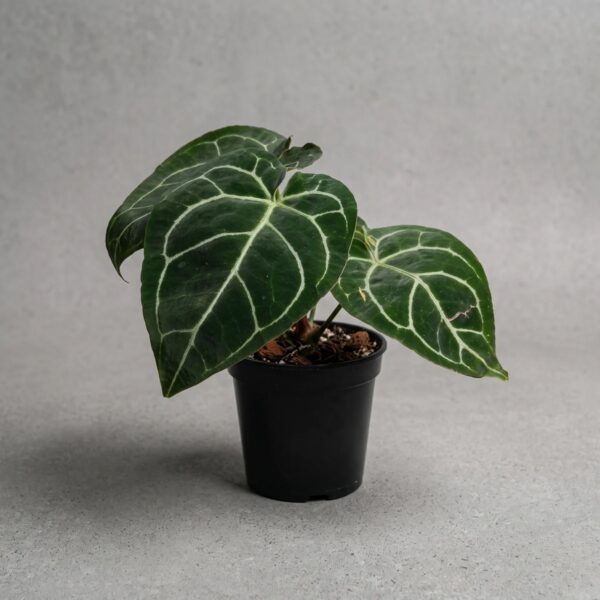
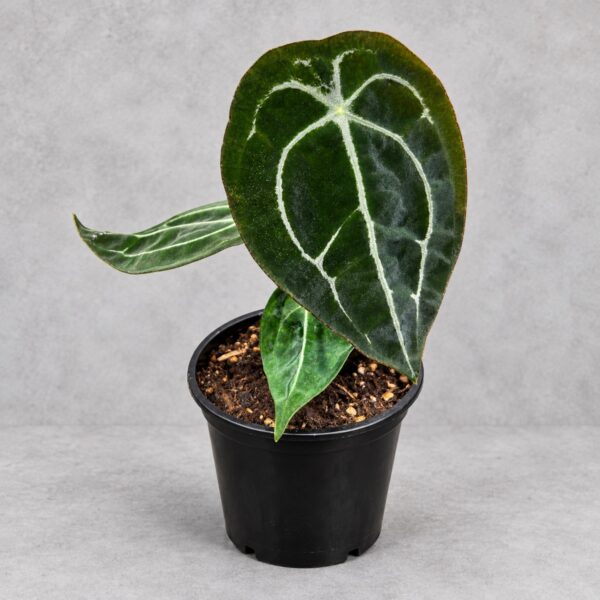
- Anthurium crystallinum
Useful for learning how velvet foliage differs from smooth leaves. Use a very gentle approach and provide bright, filtered light.
- Platycerium bifurcatum
A useful example of natural surface hairs and shield fronds that should be preserved. It needs bright indirect light and a freely draining epiphytic setup.
IN STORE NOW
Plants for this guide
Related plants in stock now — live prices, delivery or Causeway Bay pickup.
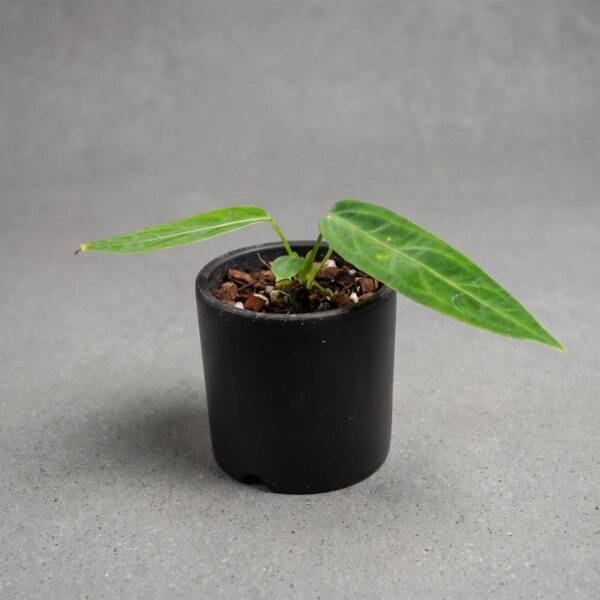
Anthurium crystallinum
Anthurium crystallinum
Original price was: HK$780.00.HK$380.00Current price is: HK$380.00.
In stock · store pickup
View plant
FREE PLANT ADVICE
Send us a photo before you change anything
WhatsApp a photo of the plant and your window light. Our Causeway Bay team will suggest care steps or plants that suit your space.
STORE · CAUSEWAY BAY
4/F, 39 Yiu Wa Street, Causeway Bay
Daily 12:30–8:00pm · ~3 min walk from Times Square
Map & directionsPlant Care