
How to Care for Philodendron Tortum in Hong Kong | Plantjai


Plantjai 植仔 · Care Encyclopedia
Philodendron Tortum
Hong Kong care guide — useful before you buy and after it arrives.
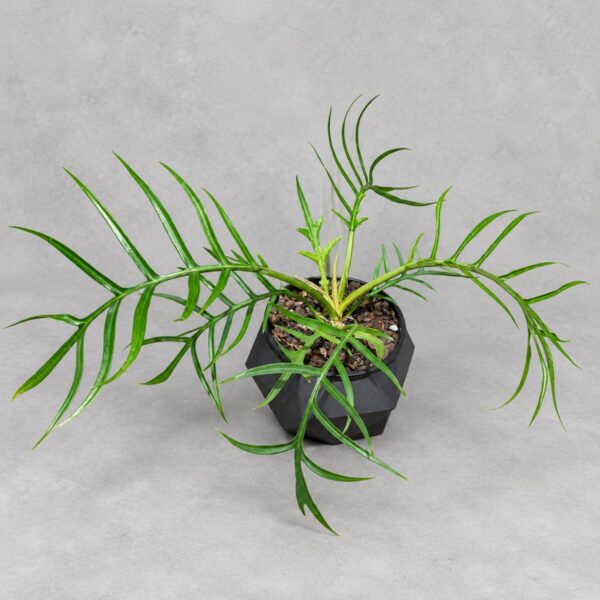
Shop this plantLeaves split into slender, fishbone-like segments with a sculptural, three-dimensional presence — one of the most architecturally distinctive Philodendrons in the family, exuding jungle character.
Origin & characteristics
- Native range: the Amazon rainforest of northern Brazil to Bolivia
- Growth habit: a climbing hemiepiphytic herb, clinging to large trees as it climbs upward in the wild
- Leaf characteristics: mature leaves are deeply divided into narrow, thin strips, resembling fish bones or fern fronds, with a glossy leaf surface; new leaves are simpler, becoming more deeply divided the higher it climbs
- Mature size: with support indoors, it can reach roughly 2.5 metres tall, with a spread of about 1 metre
- Growth rate: moderate
- Toxicity: ⚠️ Toxic. Leaves contain calcium oxalate crystals; ingestion causes mouth burning, drooling, and vomiting — keep out of reach of children and pets
Light
- Ideal environment: bright indirect light, roughly 10,000-20,000 lux
- Placement: 0.9-1.2 metres from an east- or west-facing window, or a south-facing window filtered with a sheer curtain
- Notes:
- Direct sun scorches the delicate leaves, causing leaf-tip burn
- Too little light causes stretched internodes, sparser leaves, and less division
- Can be supplemented with a grow light (3000K-4000K, 60-75 cm from the leaf surface)
Watering
- Principle: water once the top 2-3 cm of soil dries out — never let it sit in standing water
- Frequency reference:
- Spring/summer: roughly every 7-10 days
- Autumn/winter: roughly every 10-14 days, adjusting for environmental humidity
- Method: water around the rim until it drains from the base, let it sit for 15 minutes, then empty tray runoff
- Water quality: room-temperature clean water is best; letting tap water stand overnight to dissipate chlorine is recommended
- Warning sign: yellowing leaves and a soft stem may indicate root rot from overwatering
Soil & pot
- Soil recipe: a loose, breathable dedicated Araceae mix (Aroid Mix)
- Recommended ratio: 40% orchid bark + 30% coco coir or peat + 20% perlite + 10% horticultural charcoal
- Key point: fast drainage is essential — the roots need plenty of oxygen, and stagnant moisture is the biggest enemy
- Pot choice:
- Drainage holes are essential
- Terracotta or breathable fabric pots are best, helping evaporate excess moisture
- When repotting, the new pot's diameter shouldn't exceed the old one by more than 5 cm
- Repotting timing: roughly once every 2-3 years in spring, repot once roots are visibly circling the pot base
Temperature & humidity
- Ideal temperature: 18-29°C
- Minimum temperature: no lower than 15°C — cold stalls growth
- Humidity: 50-70% is most ideal
- Humidity too low causes the delicate leaf tips to become crispy and dry
- A humidifier, pebble tray, or grouping with other plants is recommended to raise humidity
- Environmental note: keep away from AC vents, heaters, and drafty doors/windows
Common problems
| Issue | Cause | Solution |
|---|---|---|
| Leaf tips crispy and dry | Air too dry or water too cold | Raise humidity above 60%, switch to room-temperature water |
| Leaves yellowing, stem soft | Overwatering / root rot | Reduce watering frequency, check root health |
| New leaves less divided, stems elongated | Insufficient light | Move to a brighter position |
| Brown spots on leaves | Direct sun scorching | Move away from strong light or filter with a curtain |
| Growth stalled | Temperature too low or dormancy | Reduce watering in autumn/winter, resume fertilising once warmer in spring |
| Leaves curling and deforming | Crowded space or fluctuating humidity | Increase distance from other plants, maintain stable humidity |
How to explain to customers
"What's most fun about the fishbone Philodendron is its leaves — they really do split into fishbone-like strands, giving your home an instant tropical rainforest sculptural feel. It's a climbing plant, best given a moss pole or wooden board to climb — the higher it climbs, the bigger and more beautifully divided the leaves become. For watering, don't be impatient — feel the topsoil and water only once it's dry; keeping it wet easily causes root rot. Humidity should ideally be above 50-60% — a bathroom or kitchen with a window suits it well. Most importantly, don't let it get direct sun — indirect light is enough. And remember to keep it up high, away from cats, dogs, and children — it's toxic."
Fun facts
- The species epithet "tortum" in Philodendron tortum comes from the Latin "twisted," describing the twisted, forked shape of its leaves
- In the wild, it can climb up to 6 metres, though indoors with support it typically reaches around 2 metres
- Because its leaves are so slender, it's sometimes confused with Polypodioides in horticultural circles, but Tortum's leaves are more delicate and translucent
- The fishbone Philodendron is an understory plant of the Amazon rainforest, growing on the ground as a juvenile before beginning to climb once mature
Keywords
Philodendron tortum, fishbone Philodendron, Philodendron, Araceae, climbing plant, hemiepiphyte, rainforest plant, bright indirect light, high humidity, breathable soil, Aroid Mix, toxic plant, calcium oxalate, tropical plant, foliage plant, Plantjai
參考資料(想知來源可展開)
References
- Royal Botanic Gardens, Kew — Plants of the World Online: Philodendron tortum, https://powo.science.kew.org/
- ASPCA — Toxic and Non-Toxic Plant List, https://www.aspca.org/pet-care/animal-poison-control/toxic-and-non-toxic-plants
⚠️ Contains calcium oxalate crystals; toxic to humans and pets if ingested. Keep out of reach of children and pets.
In-depth care guide
Introduction
Among the hundreds of Philodendron species and cultivars in cultivation, few have leaves as distinctive as Philodendron tortum. Where most Philodendrons show off with broad, glossy hearts or dramatic velvet, tortum takes the opposite approach — its mature leaves split into long, narrow, feathery segments that genuinely resemble the ribs of a fish skeleton, or a particularly elegant fern frond. Set against a moss pole in a bright corner, a mature tortum with several fully divided leaves looks less like a houseplant and more like a piece of botanical sculpture. For Hong Kong plant collectors who already own a Monstera or a broad-leaf Philodendron, tortum offers a completely different silhouette and a genuine conversation piece.
Native habitat
Philodendron tortum is native to the Amazon basin, with populations recorded from northern Brazil through to Bolivia. In the wild it behaves as a hemiepiphyte: seedlings germinate on the forest floor in deep, dappled shade, then send out climbing stems that attach to tree trunks using aerial roots. As the plant ascends toward the canopy and receives progressively more light, its juvenile leaves — which start out as simple, only lightly lobed blades — gradually deepen their divisions until the mature fishbone form appears. This juvenile-to-adult leaf transformation is a defining trait of many climbing aroids, and it means a young tortum you buy at a nursery may look quite different, and much less divided, than the same plant three or four years later once it has been given a proper climbing support.
Light requirements
Bright, indirect light is essential for tortum to display its best form. Aim for roughly 10,000–20,000 lux — an east-facing window with a few hours of gentle morning sun, or a bright spot a metre or so back from a west- or south-facing window, both work well. In a typical Hong Kong flat this often means placing it near (but not directly against) a window that gets good daylight, since many balconies and living rooms face south or west and can deliver intense heat through the glass during the afternoon.
Direct, unfiltered sun is the biggest risk to this plant's narrow leaves: because each leaf segment is thin, sunburn shows up quickly as crisp, brown leaf tips rather than the paler scorch patches you might see on broader-leaved species. On the other hand, too little light causes the classic etiolation response — stretched internodes, leaves that stay simple and unlobed even on a mature plant, and generally leggy growth. If your tortum's new leaves are coming in less divided than the ones before them, that is a reliable signal to move it somewhere brighter. A supplemental grow light (3000K–4000K) run for 10–12 hours a day is a worthwhile investment for darker Hong Kong flats, especially during the shorter daylight hours of winter.
Watering and soil
Tortum wants a "water thoroughly, then wait" rhythm. Check the top 2–3 cm of soil with a finger before watering; if it still feels moist, wait a few more days. In Hong Kong's hot, humid summer this usually works out to about once every 7–10 days, stretching to every 10–14 days in the cooler, drier winter months when growth naturally slows. Always water until it runs freely from the drainage holes, and never let the pot sit in standing water in its saucer — 15 minutes is the maximum you should allow before tipping out any runoff.
The soil mix matters as much as the watering schedule. A dense, moisture-retentive potting mix will hold onto water for far too long and starve the roots of oxygen, which is the single most common cause of death in aroids like this. A recommended aroid mix is roughly 40% orchid bark, 30% coco coir or peat, 20% perlite, and 10% horticultural charcoal — this combination drains quickly while still holding enough moisture between waterings. Repot only every 2–3 years, moving up just one pot size at a time, and always into a container with drainage holes; terracotta and breathable fabric pots are ideal because they let excess moisture evaporate through the pot walls as well as the drainage holes.
Temperature, humidity, and feeding
Tortum grows best between 18–29°C and should not be allowed to drop below 15°C for extended periods, as cold temperatures will stall growth and can cause leaf drop. This makes it a comfortable, low-stress plant for most Hong Kong homes year-round — the main risk is air-conditioning in summer, so keep it away from direct AC airflow, which dries out the delicate leaf tips very quickly and can shock the plant with sudden temperature swings.
Humidity in the 50–70% range brings out the best leaf size and division. Hong Kong's naturally humid climate (especially from spring through the height of summer, including the muggy, rain-soaked weeks around typhoon season) is genuinely helpful here, but indoor air conditioning strips humidity from the air, so a small humidifier, a pebble tray under the pot, or simply grouping it with other houseplants will all help maintain a happier microclimate. During the growing season (spring through early autumn), feed with a balanced liquid fertiliser diluted to half strength every 4–6 weeks; hold off on feeding in winter when growth slows.
Common problems in more detail
Crispy, dry leaf tips are almost always a humidity or water-temperature issue — raise ambient humidity above 60% and make sure you're using room-temperature water rather than water straight from a cold tap. Yellowing leaves paired with a soft stem point to overwatering and incipient root rot; unpot the plant, trim away any mushy brown roots, and repot into fresh, well-draining mix. If new leaves keep emerging simple and undivided along with stretched stem sections, the plant needs more light. Brown scorch patches, by contrast, mean it has had too much direct sun and should be moved back from the window or given a sheer curtain to filter the light. During the cooler months, don't be alarmed if growth pauses almost entirely — this is normal dormancy behaviour, and watering should be reduced accordingly until spring warmth returns.
Toxicity note
Like all Philodendron species, tortum contains calcium oxalate crystals throughout its tissue. Chewing or biting into a leaf or stem releases these needle-shaped crystals, which cause immediate mouth and throat irritation, burning pain, drooling, and swelling in pets, and similar discomfort along with potential vomiting in children who ingest plant material. The plant is not typically fatal, but a trip to the vet or doctor is recommended if a significant amount has been chewed. As with all aroids in the collection, keep this plant well out of reach of curious pets and small children, and wash your hands after pruning or repotting.
References
- Royal Botanic Gardens, Kew — Plants of the World Online: Philodendron tortum, https://powo.science.kew.org/
- ASPCA — Toxic and Non-Toxic Plant List, https://www.aspca.org/pet-care/animal-poison-control/toxic-and-non-toxic-plants
- Missouri Botanical Garden — Plant Finder: Philodendron, https://www.missouribotanicalgarden.org/PlantFinder/PlantFinderDetails.aspx
Plantjai · Causeway Bay collector indoor plants · WhatsApp +852 66807550
Plantjai shop · In stock online
Philodendron tortum
Philodendron tortum
HK$298.00
Hong Kong delivery · Causeway Bay pickup
For Hong Kong homes and offices. Stock and pricing follow the product page.
IN STORE NOW
Plants for this guide
Related plants in stock now — live prices, delivery or Causeway Bay pickup.
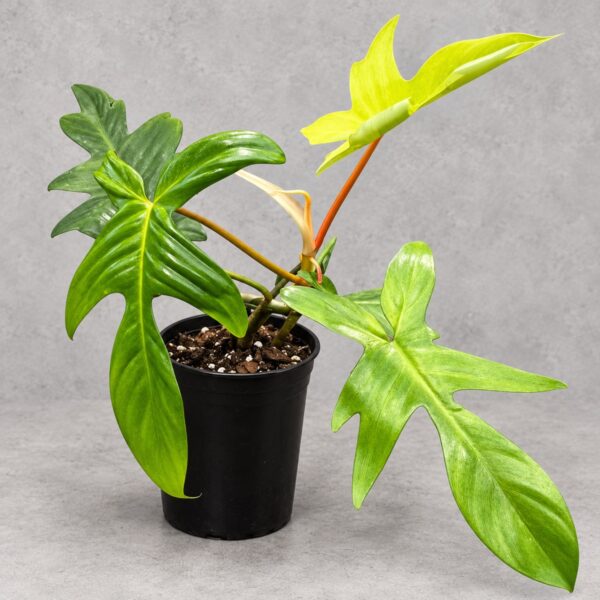
Philodendron 'Florida Ghost'
Philodendron 'Florida Ghost'
from HK$118.00
In stock · store pickup
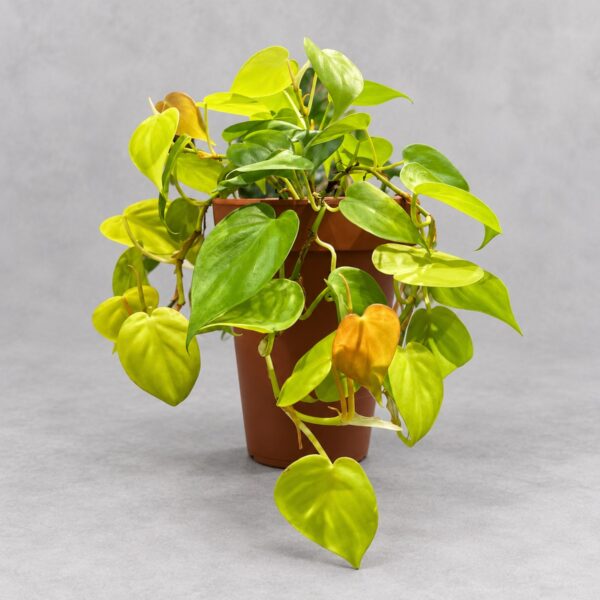
View plantPhilodendron hederaceum 'Lemon Lime'
Philodendron hederaceum 'Lemon Lime'
HK$198.00
In stock · store pickup
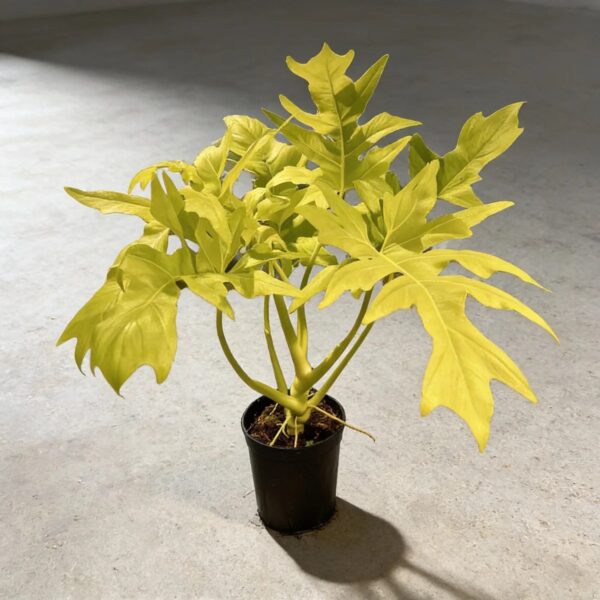
View plantPhilodendron warscewiczii 'Aurea Flavum'
Philodendron warscewiczii 'Aurea Flavum'
HK$298.00
In stock · store pickup
View plant
FREE PLANT ADVICE
Send us a photo before you change anything
WhatsApp a photo of the plant and your window light. Our Causeway Bay team will suggest care steps or plants that suit your space.
STORE · CAUSEWAY BAY
4/F, 39 Yiu Wa Street, Causeway Bay
Daily 12:30–8:00pm · ~3 min walk from Times Square
Map & directionsPlant Care