
How to Care for Hoya Loheri in Hong Kong | Plantjai

Plantjai 植仔 · Care Encyclopedia
Hoya Loheri
Hong Kong care guide — useful before you buy and after it arrives.
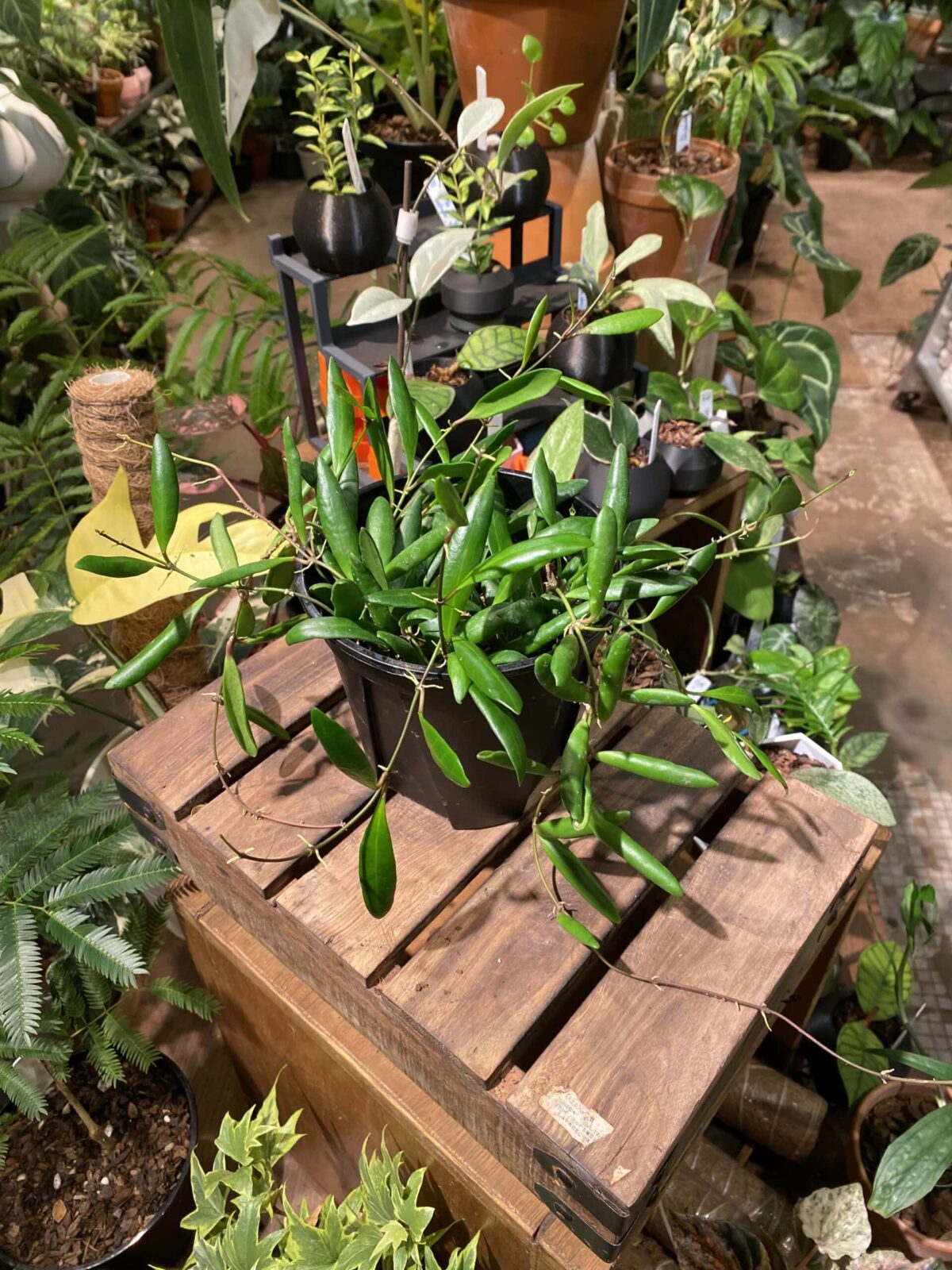
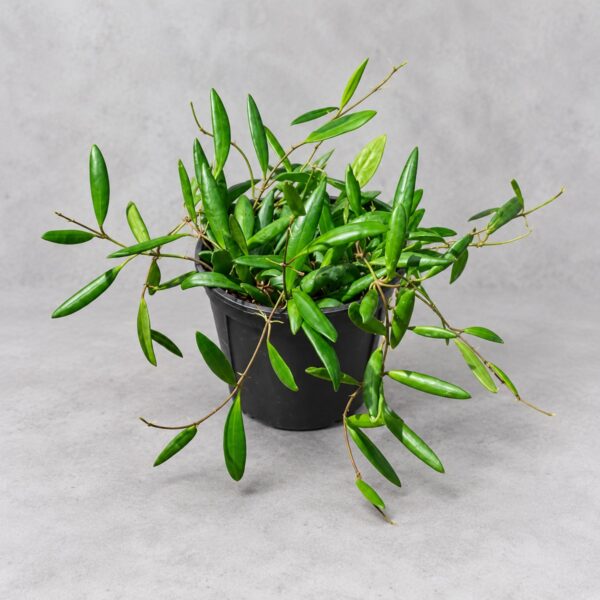
Shop this plantSlender, glossy bright-green leaves paired with deep red fuzzy star flowers — understated yet refined, a delicate sculptural piece for any collector's shelf.
Origin & characteristics
- Native range: Luzon Island, the Philippines (around the Rizal and Quezon provinces), growing in humid tropical forest at 300–800 metres elevation
- First described: formally described by Dale Kloppenburg in 1991
- Naming origin: named after Swiss botanist August Loher, honouring his contributions to plant collecting in the Philippines in the early 20th century
- Classification: Apocynaceae, genus Hoya
- Growth habit: epiphytic climbing vine with compact growth; young stems initially grow upward before gradually trailing, suited to a small trellis or hanging pot
- Leaf characteristics: slender, semi-succulent, glossy deep green leaves, roughly 4–8 cm long and 1–1.5 cm wide, with slightly upturned margins and a leathery, substantial feel
- Flower characteristics: orange-red to deep red fuzzy star-shaped flowers clustering into globe-shaped umbels with a light sweet fragrance; reblooms from the same peduncle
- Growth rate: moderate to slow, gradually speeding up as the plant matures
- Size: typically kept at 30–50 cm indoors, with vines reaching over 1 metre
Light
| Item | Recommendation |
|---|---|
| Ideal light | Bright indirect light, 6+ hours daily |
| Best placement | East- or southeast-facing windowsills, tolerating gentle morning sun |
| Avoid | Harsh west-facing sun, which scorches the leaves |
| Tip | Ample light keeps leaves compact and glossy; prolonged light deficiency causes loose, leggy growth with widely spaced leaves |
💡 Plantjai tip: Hoya loheri's leaves develop a richer sheen under strong light, but remember to avoid harsh midday direct sun to prevent sunburn.
Watering
| Season | Frequency | Notes |
|---|---|---|
| Spring/summer (growing) | Water thoroughly once the soil is roughly 60–80% dry, roughly every 7–10 days | Confirm dryness by inserting a finger 2–3 cm into the soil before watering |
| Autumn/winter (dormant) | Reduce to every 10–14 days | Water once the soil is nearly fully dry |
Watering principles:
- The semi-succulent roots store water well — better dry than overly wet
- Water slowly around the rim until it drains from the base
- Empty the saucer after 30 minutes
- Use room-temperature water or filtered water
⚠️ Root rot warning: Hoya loheri is especially sensitive to prolonged standing water, particularly during winter dormancy, when persistently moist soil easily causes root rot.
Soil & pot
Recommended soil recipe:
- Orchid mix (bark/coconut husk chips): 40%
- Perlite or pumice: 25%
- Coco coir or peat: 25%
- Charcoal chips: 10%
Key point: extremely well-draining and breathable, mimicking its natural epiphytic environment.
Pot choice:
- Terracotta pots are ideal, offering good drainage and breathability
- Plastic pots need clear, unobstructed drainage holes
- Hoya loheri prefers being slightly pot-bound — a smaller pot benefits both growth and flowering
When to repot: roughly every 2–3 years, in spring. Repot once roots wrap around the pot or emerge from the drainage holes, sizing up by just one pot size each time.
Temperature & humidity
| Item | Ideal range | Minimum tolerance |
|---|---|---|
| Temperature | 18–29°C | 12°C |
| Humidity | 50–80% | 40% |
- Typical Hong Kong indoor conditions suit it well
- High humidity supports growth, but must be paired with good ventilation to avoid stuffiness
- Keep it away from heater vents in autumn/winter
- A slight day-night temperature differential (roughly 3–5°C) helps encourage flowering
Common problems
| Issue | Likely cause | What to do |
|---|---|---|
| Soft, wrinkled leaves | Underwatering or root rot | Check soil moisture; trim any rot and repot with fresh mix if needed |
| Leggy stems, widely spaced leaves | Insufficient light | Move closer to a window, increase light exposure time |
| Yellowing, dropping leaves | Overwatering or cold damage | Check root health; keep it above 12°C |
| Persistently won't flower | Immature plant, insufficient light | Hoya loheri generally needs 2–3 years to flower; maintain ample light and a slight temperature differential once mature |
| Mealybugs | Poor ventilation | Check leaf undersides regularly, wipe with an alcohol-soaked cotton swab if found |
| Brown spots on leaves | Sunburn, cold damage, or fungal infection | Adjust placement to avoid extreme temperatures; improve ventilation |
How to explain to customers
"Hoya loheri is a rare species from the Philippines — what makes it special is its deep red, fuzzy little flowers, since very few Hoyas have such an intensely red bloom! The leaves are long, narrow, and glossy, so the whole plant looks like an elegant sculptural piece. It grows a bit slower, so it doesn't need much upkeep — just let the soil dry out before watering. It's non-toxic to cats and dogs, though the milky sap can mildly irritate skin, so remember to wear gloves when pruning!"
Fun facts
- Hoya loheri's flower colour ranges from orange-red to deep red, depending on light intensity and temperature — stronger light produces more intense colouring.
- It's a relatively "newer" Hoya species, only formally described in 1991, and named after Swiss botanist August Loher, who collected extensive plant specimens in the Philippines in the early 1900s.
- Hoya loheri is native to the humid forests around Mount Paningtingan on Luzon Island, growing epiphytically on large tree trunks, which is why it particularly favours high humidity and good air circulation.
- Despite its slow growth, Hoya loheri is remarkably long-lived, and with attentive care, can accompany you for decades — a worthwhile "long-term collectible."
Keywords
Plantjai, Hoya loheri, Hoya, red-flowered Hoya, Philippine Hoya, climbing plant, trailing plant, rare species, collector plant, fragrant flowers, non-toxic to pets, indoor plant, Hong Kong potted plant, foliage plant, epiphyte, semi-succulent leaves, compact growth, red flowers
參考資料(想知來源可展開)
References
- Kloppenburg, Dale (1991) — original description of Hoya loheri
- Royal Botanic Gardens, Kew — Plants of the World Online: Hoya loheri, https://powo.science.kew.org/
- ASPCA — Toxic and Non-Toxic Plant List, https://www.aspca.org/pet-care/animal-poison-control/toxic-and-non-toxic-plants
⚠️ Non-toxic to cats and dogs, but the milky sap can mildly irritate skin — wear gloves when pruning.
Plantjai · Causeway Bay collector indoor plants · WhatsApp +852 66807550
For Hong Kong homes and offices. Stock and pricing follow the product page.
IN STORE NOW
Plants for this guide
Related plants in stock now — live prices, delivery or Causeway Bay pickup.
FREE PLANT ADVICE
Send us a photo before you change anything
WhatsApp a photo of the plant and your window light. Our Causeway Bay team will suggest care steps or plants that suit your space.
STORE · CAUSEWAY BAY
4/F, 39 Yiu Wa Street, Causeway Bay
Daily 12:30–8:00pm · ~3 min walk from Times Square
Map & directionsPlant Care