
How to Care for Hoya Diversifolia Albomarginata in Hong Kong | Plantjai

Plantjai 植仔 · Care Encyclopedia
Hoya Diversifolia Albomarginata
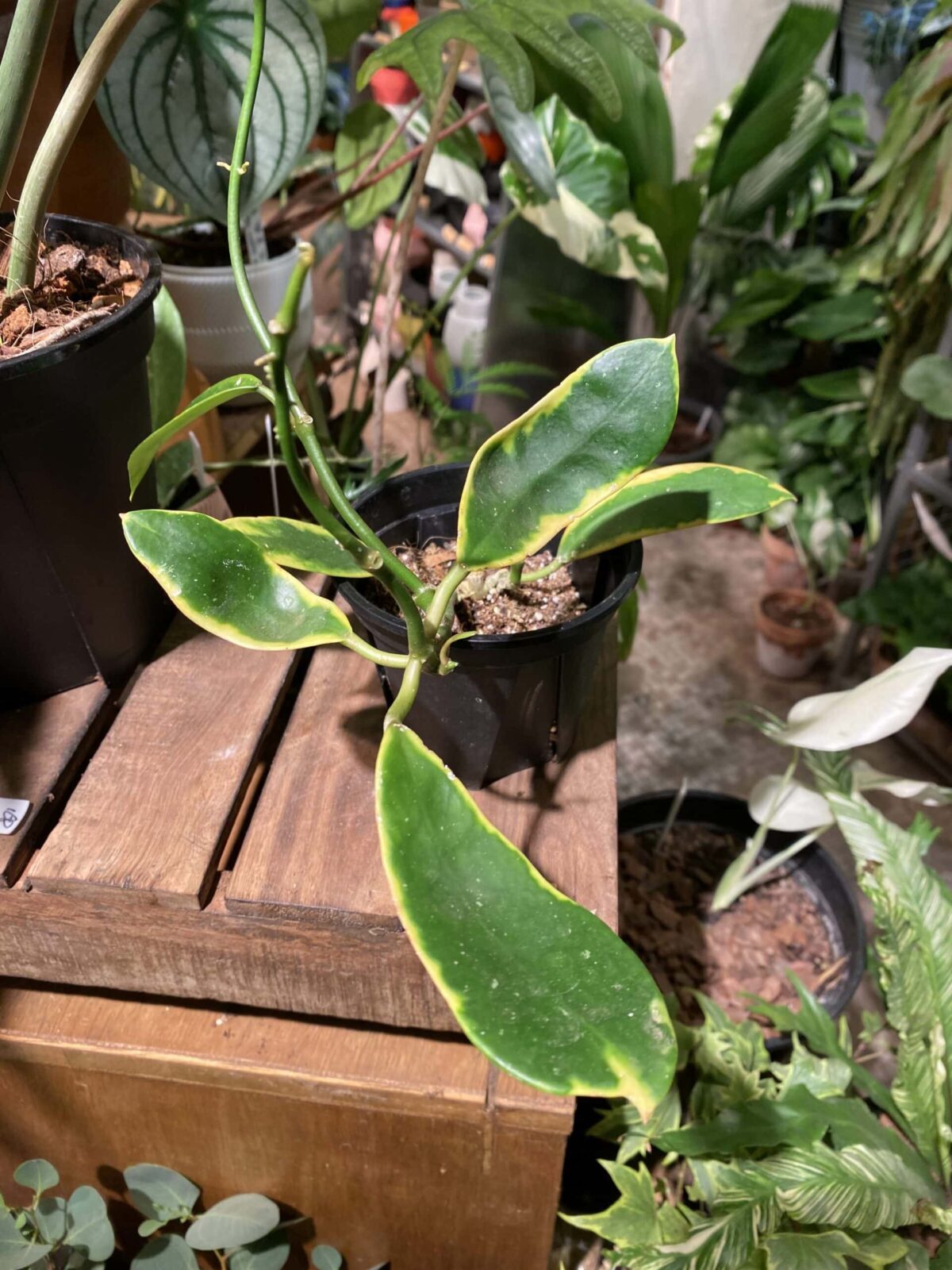
Hoya diversifolia albomarginata 異葉外錦毬蘭
Hong Kong care guide — useful before you buy and after it arrives.
Shop this plantEvery leaf takes on a different shape, edged with white variegation like a picture frame — a collector-grade species that combines foliage beauty with flowering appeal.
Brand: Plantjai
Origin & characteristics
- Native range: Indonesian tropical rainforest
- Growth habit: climbing vine with flexible, pliable stems that can climb or trail naturally
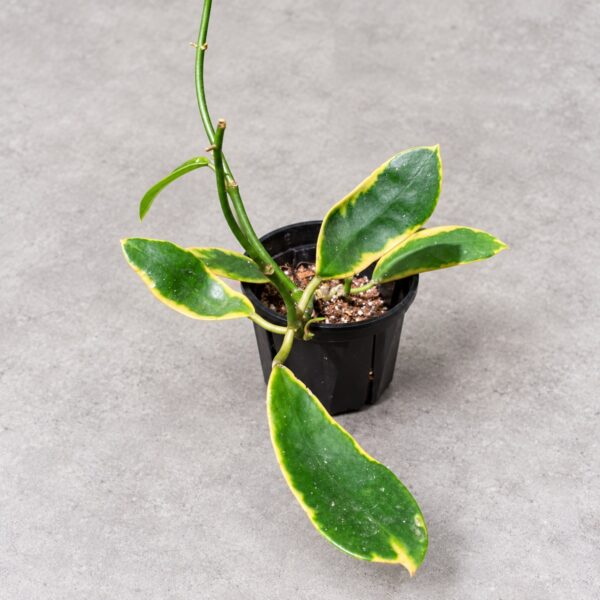
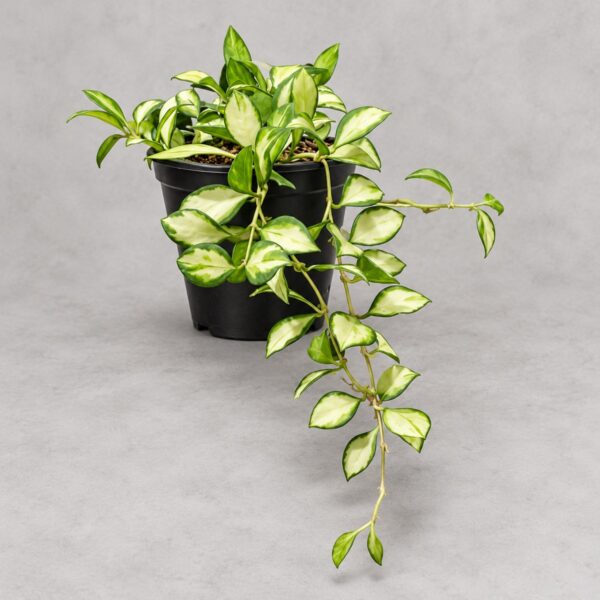
- Leaf characteristics: its standout trait is "diversifolia" (diverse leaves) — leaves on the same vine vary in shape, ranging from oval to lance-shaped to even twisted forms; the variegated ("albomarginata") form has white to creamy-white variegated margins that create striking contrast and high ornamental value
- Flowering characteristics: globe-shaped umbels of small, delicate flowers, usually white or pale pink
- Growth rate: moderate
- Pet safety: ✅ non-toxic to cats and dogs
Light
- Ideal light: bright indirect light — ample light makes the variegated edges more vivid
- Best placement: east-facing, west-facing, or a south-facing window with a sheer curtain
- Notes:
- The variegated (white) portions lack chlorophyll — avoid intense direct sun, which scorches them brown
- Insufficient light causes the variegation to fade, slows growth, and can even cause reversion to green
- Rotate the pot every two weeks to ensure even light exposure on all sides
- Bright conditions bring out richer leaf colour and stronger variegation contrast
Watering
- Watering frequency: let the top 2–5 cm of soil dry out, roughly every 7–10 days in summer, roughly every 2–3 weeks in winter
- Watering method: water slowly around the rim, letting excess drain completely from the base
- Signs of underwatering: leaves slightly wrinkle and droop
- Signs of overwatering: yellow, mushy leaves, and variegated edges turning brown
- Seasonal adjustment: significantly reduce watering in autumn/winter, allowing the soil a longer dry period
- Important reminders:
- Better dry than wet — variegated cultivars are more sensitive to overwatering
- Avoid letting water pool on the leaf surface, as the variegated portions rot more easily
Soil & pot
- Soil recipes:
- Recipe 1 (recommended): 1 part orchid mix + 1 part succulent soil + 1 part perlite
- Recipe 2: 1 part quality indoor potting soil + 1 part bark chips + 1 part perlite
- Recipe 3 (advanced): plant on a sphagnum moss pole to mimic its natural epiphytic environment
- Key point: must be extremely fast-draining and breathable, with plenty of airflow around the roots
- Pot choice:
- Must have drainage holes; terracotta pots aid breathability
- Hoyas prefer being a little "snug" — don't rush into a bigger pot
- A hanging basket lets the stems trail naturally, or pair with a trellis to train it upward
- When to repot: every 2–3 years, or when roots emerge from the drainage holes
- Repotting tips:
- Variegated cultivars have more delicate roots — try to preserve the root ball intact rather than disturbing it heavily
- Size up by just one pot size each time
Temperature & humidity
- Ideal temperature: 18–29°C
- Minimum tolerance: 10°C — bring it indoors for warmth below this
- Humidity requirement: 50% or above is ideal; variegated cultivars stay healthier with slightly higher humidity
- Raising humidity:
- Typical household humidity is acceptable, but above 50% brings out more vivid variegated edges
- A humidifier, humidity tray, or a well-ventilated bathroom all help
- Avoid placing near AC or heater vents
- Note: high humidity must be paired with good ventilation, or fungal issues can develop
Common problems
| Issue | Likely cause | What to do |
|---|---|---|
| Variegated edges turning green (reversion) | Insufficient light | Increase bright indirect light, avoiding harsh direct sun |
| Variegated edges turning scorched yellow | Sunburn / overwatering | Move away from strong light, check watering frequency |
| Yellow, mushy leaves | Overwatering / root rot | Check roots, trim rot, repot in fast-draining soil |
| Wrinkled, drooping leaves | Underwatering | Water thoroughly right away, adjust watering frequency |
| New leaves with no variegation / fully green | Reversion | Increase light intensity, keep the environment stable |
| Brown spots on leaves | Fungal infection / poor ventilation | Reduce leaf-surface moisture, improve ventilation, use fungicide if needed |
| Mealybugs / spider mites | Overly dry conditions / poor ventilation | Spray with neem oil, improve ventilation and humidity |
How to explain to customers
"This variegated diversifolia Hoya is a really special one — the most fun part is that every leaf has a slightly different shape, some rounder, some pointier, plus the white variegated edge makes it look almost like a painting! Because of the variegation, it needs more light but can't take harsh direct sun, and watering needs a gentle touch too — better a little dry than too wet. It's non-toxic to cats and dogs, though since the leaves are so striking, cats sometimes want to chew on them — it's best to keep it somewhere they can't reach!"
Fun facts
- The name "diversifolia" refers to how leaf shapes vary dramatically along the same vine — a fairly rare trait in the plant world.
- "Albomarginata" describes variegation appearing at the leaf margin, forming a white border that looks almost like a picture frame.
- Variegated Hoyas generally grow more slowly than solid-green types since the white portions lack chlorophyll, so patience is needed.
- In its native Indonesia, it grows epiphytically on tree branches with roots fully exposed to the air, which is why fast drainage matters more than moisture retention when potting it.
Keywords
Plantjai Hoya diversifolia albomarginata variegated Hoya diverse-leaf Hoya variegated plant foliage plant climbing plant indoor plant non-toxic plant pet safe flowering plant well-draining soil bright indirect light drought-tolerant collector-grade plant native to Indonesia
參考資料(想知來源可展開)
References
- Royal Botanic Gardens, Kew — Plants of the World Online: Hoya diversifolia, https://powo.science.kew.org/
- ASPCA — Toxic and Non-Toxic Plant List, https://www.aspca.org/pet-care/animal-poison-control/toxic-and-non-toxic-plants
⚠️ Non-toxic to cats and dogs; sap may cause mild skin irritation in sensitive individuals.
Plantjai · Causeway Bay collector indoor plants · WhatsApp +852 66807550
Plantjai shop · In stock online
Hoya diversifolia albomarginata
HK$168.00
Hong Kong delivery · Causeway Bay pickup
For Hong Kong homes and offices. Stock and pricing follow the product page.
IN STORE NOW
Plants for this guide
Related plants in stock now — live prices, delivery or Causeway Bay pickup.
FREE PLANT ADVICE
Send us a photo before you change anything
WhatsApp a photo of the plant and your window light. Our Causeway Bay team will suggest care steps or plants that suit your space.
STORE · CAUSEWAY BAY
4/F, 39 Yiu Wa Street, Causeway Bay
Daily 12:30–8:00pm · ~3 min walk from Times Square
Map & directionsPlant Care