
Plant Care

How to Care for Aglaonema Pictum Tricolor in Hong Kong | Plantjai

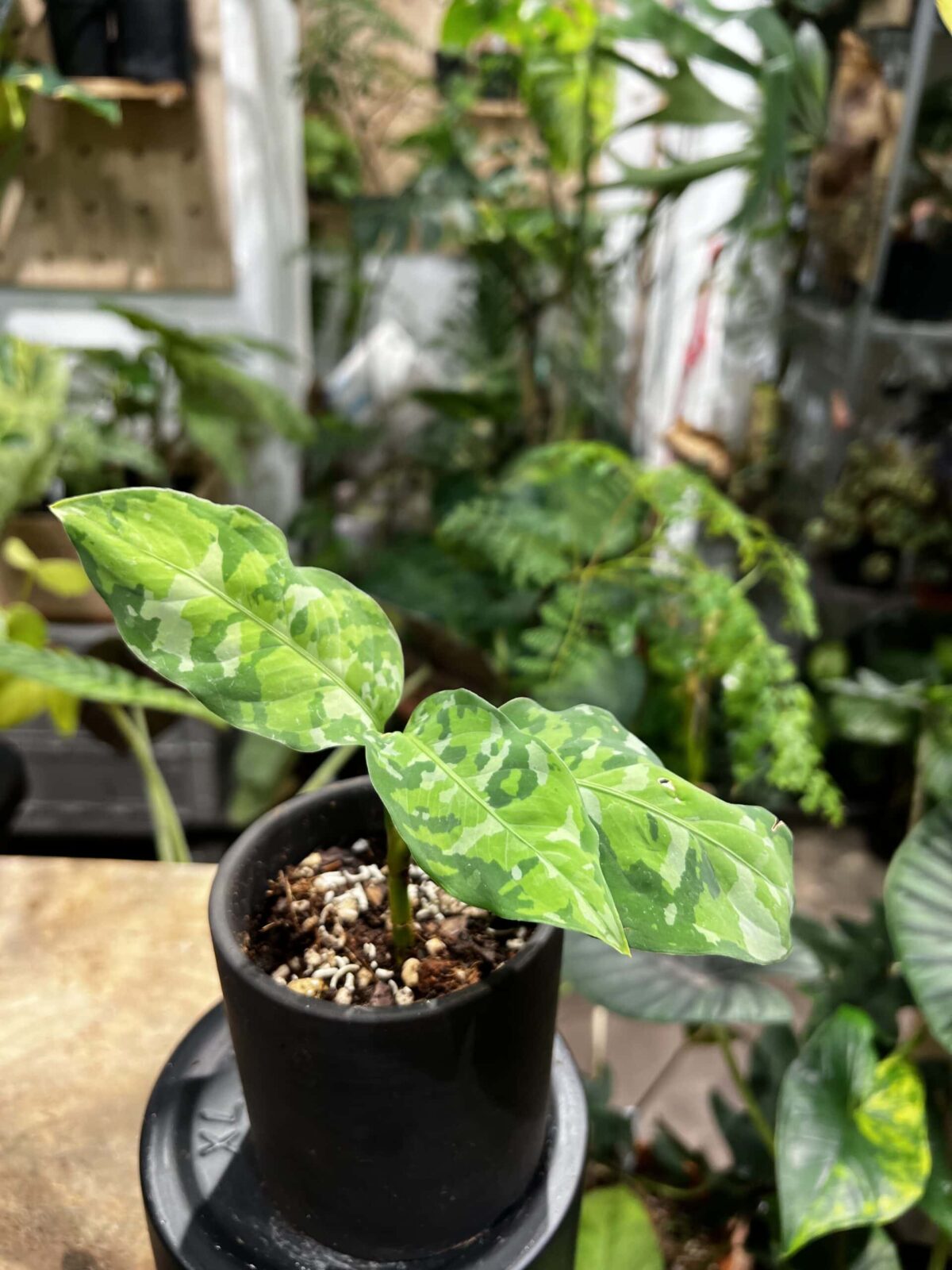
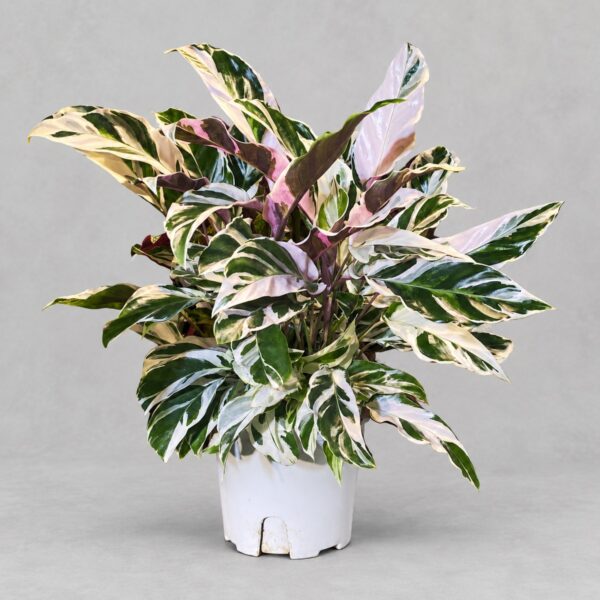
Aglaonema pictum 'Tricolor' 迷彩粗肋草

Plantjai 植仔 · Care Encyclopedia

Aglaonema Pictum Tricolor

Aglaonema pictum 'Tricolor' 迷彩粗肋草

Hong Kong care guide — useful before you buy and after it arrives.

Shop this plant

Leaves patterned like military camouflage — no two are ever the same, and collectors treat it like a living fingerprint.

Origin & characteristics

Native to the rainforest understorey of Southeast Asia, Aglaonema pictum 'Tricolor' is a slow-growing evergreen perennial in the Araceae family. Its ovate leaves are woven from three greens — pale, deep, and silvery-grey — into a mottled camouflage pattern that's unique on every single leaf. Mature plants reach about 30–60 cm, and because growth is naturally slow, this has become one of the most sought-after "rare aroid" collector plants of the past few years. It settles in well in a typically air-conditioned Hong Kong flat.

Light

  • Prefers bright, indirect light — an east- or north-facing window is ideal.
  • Tolerates medium light, but the camouflage pattern fades and growth becomes leggy.
  • Never place in direct sun — a south-facing window in summer will scorch or bleach the leaves.
  • If a south window is your only option, keep the plant at least 1.5 m back or add a sheer curtain.

Watering

  • Let the top 2–3 cm of soil dry out before watering; test with a finger for accuracy.
  • Keep lightly moist in spring/summer growth; allow it to dry a bit more between waterings in autumn/winter.
  • Always water thoroughly and let excess drain from the pot — never let it sit in standing water.
  • Sensitive to overwatering: prolonged wet roots show up first as yellowing lower leaves.
  • If leaf tips brown, switch to filtered water or tap water left to stand overnight to reduce fluoride exposure.

Soil & pot

  • Needs a well-draining, chunky aroid mix.
  • A good starting ratio: perlite + coco coir + orchid bark, roughly 3:3:4, kept loose and airy.
  • Always use a pot with drainage holes — decorative pots without holes should only be used as an outer cachepot.
  • Roots grow slowly, so repot only every 2–3 years, sizing up just one or two inches at a time.

Temperature & humidity

  • Ideal range: 16–29°C, which suits most air-conditioned Hong Kong homes.
  • Don't let it drop below 15°C; keep it away from AC vents and cold window drafts in winter.
  • Humidity of 50–70% is best; below 40% the leaf edges start to dry out.
  • When winter heating or summer AC dries the air, use a pebble tray, group it with other plants, or mist occasionally.
  • Avoid direct airflow from heaters or AC units.

Common problems

IssueLikely causeWhat to do
Lower leaves turning yellowOverwatering / poor drainage causing root rotWater less often; check the pot drains freely
Crispy, dry leaf edgesAir too dry or water too hardRaise humidity and switch to filtered water
Camouflage pattern fadingInsufficient lightMove to a brighter spot, avoiding direct sun
White scorch patches on leavesLight too intenseMove away from the window or add a sheer curtain
Spider mites or scaleUsually triggered by dry airCheck leaf undersides regularly; treat with neem oil or insecticidal soap

How to explain to customers

"Every single leaf on this plant grows its own one-of-a-kind camouflage pattern — no two are ever alike, which is part of why collectors love it so much. Just keep it out of direct sun and don't let the soil stay wet, and it's actually a fairly relaxed grower."

Fun facts

Every leaf of Aglaonema pictum 'Tricolor' carries its own unique mottled pattern — essentially a fingerprint in the plant world. It's especially prized in Japan, where it's regarded as a top-tier collector's foliage plant.

Keywords

camouflage aglaonema, Aglaonema pictum Tricolor, Tricolor Chinese Evergreen, camo plant, Araceae, rare aroid, shade-tolerant, collector plant, Hong Kong indoor plant, toxic to pets

參考資料(想知來源可展開)

References

  1. The Spruce — How to Grow and Care for Aglaonema Pictum Tricolor. https://www.thespruce.com/aglaonema-pictum-tricolor-care-guide-6362586
  2. Gardenia.net — Aglaonema pictum 'Tricolor' (Chinese Evergreen). https://www.gardenia.net/plant/aglaonema-pictum-tricolor-chinese-evergreen
  3. Plants of the World Online (Kew) — Aglaonema. https://powo.science.kew.org

⚠️ Pet / toxicity note: Contains insoluble calcium oxalate crystals throughout the plant. If chewed or eaten, it can cause oral pain, drooling, vomiting and difficulty swallowing in pets and children; sap may also irritate skin. Keep well out of reach of pets and small children, and seek veterinary/medical advice promptly if ingestion is suspected.


In-depth care guide

Introduction

Aglaonema pictum 'Tricolor' — sometimes simply called the camouflage aglaonema or camo plant — is an evergreen aroid native to the rainforests of Southeast Asia, particularly Sumatra, Indonesia. It's instantly recognisable for its three-tone camouflage leaf pattern, a blend of deep green, pale green and silvery-grey that has made it one of the most desirable foliage plants in the collector scene worldwide.

While most Aglaonema species are famously easy-care, low-light houseplants, the 'Tricolor' cultivar has earned a different reputation: slow growth and limited availability have pushed it firmly into the "rare plant" category, commanding prices well above typical houseplants. In its native habitat it grows on the shaded forest floor, adapted to low light and high humidity — a background that, in theory, makes it well suited to indoor conditions, though its slow pace tests the patience of newer growers.

Mature plants stay relatively compact at 30–60 cm, with glossy, ovate leaves that shift in pattern intensity depending on light exposure and plant maturity — making it equally at home on a shelf, a desk, or inside a terrarium.

Native habitat & growth habit

Aglaonema pictum 'Tricolor' passes through three broad life stages: vegetative growth, flowering, and seed maturation. During vegetative growth, the plant focuses on developing leaves and stems and is at its most water-sensitive. Mature plants may eventually produce small, white or cream flowers resembling a peace lily's spathe. Self-pollination is possible but has a low success rate — cross-pollination tends to work better. After successful pollination, fruit takes around eight months to mature, containing seeds that can, in turn, be grown into new plants.

The species is famous for its glacial growth rate — a large part of why it commands collector prices. Seeds can take several months, sometimes over three, just to produce their first leaf, and the overall growing process demands considerable patience.

Light requirements

This plant needs bright but indirect light to keep its camouflage pattern vivid. Direct sun will scorch the leaves or bleach out the pattern. East- or west-facing windows usually work best, offering soft diffused light; if you only have a south-facing window, filter the light with a sheer curtain. It can tolerate lower light, but the trade-off is duller colouring and slower growth.

Growers who track this plant closely note that it's quite responsive to light — consistent, ample diffused light not only produces richer colour but also seems to smooth out the visual dips that come with its natural seasonal growth cycles.

Temperature

The ideal range is 18–28°C, and temperatures should never drop below 15°C. This is a warm-climate Southeast Asian species, and cold snaps are genuinely dangerous for it — frost-damaged leaves develop black or grey blotches. In Hong Kong, winter cold is rarely severe enough to be a direct threat, but keep the plant away from AC outlets and drafty vents year-round.

Humidity

This is the most debated aspect of caring for the plant. Many sources recommend humidity above 60%, with some suggesting 65–75%. Experienced growers, however, report that the plant can adapt to typical household humidity — even below 50% — provided you avoid "moisture stress," meaning you should never let it dry out to the point of wilting before watering; consistent moisture matters more than hitting a specific humidity number.

That said, higher humidity (60%+) will genuinely produce a healthier plant with better leaf texture. Practical ways to raise humidity include a humidifier, a pebble tray, grouping plants together, or growing it in a terrarium.

Watering

Consistency is the watchword. A general rule is to water weekly, but always confirm the topsoil has dried before doing so — this "dry-then-water" rhythm helps prevent the dangerous root rot this species is prone to. Slow down watering further in winter when growth stalls.

The most reliable way to check is to push a finger 2–3 cm into the soil; if it feels dry, it's time to water. Always water thoroughly until it runs from the drainage holes, then discard any standing water in the saucer.

Soil

Like most houseplants, this species needs a loose, well-draining potting mix. A recommended blend combines peat (or coco coir), perlite and orchid bark in roughly a 2:1:1 ratio — a combination that holds appropriate moisture while providing the drainage and aeration essential to root health.

A simple DIY recipe:

  • 1 part indoor potting soil
  • 1 part perlite
  • 1 part orchid bark

Aim for a slightly acidic pH around 6.0.

Feeding

During the growing season (spring through summer), apply a balanced liquid fertiliser (such as 10-10-10 or 20-20-20) diluted to half strength, once a month. Stop feeding entirely in autumn and winter, since the plant isn't actively growing and unnecessary fertiliser can damage the roots. A foliage-specific fertiliser with trace minerals tends to give the best results.

Propagation

Division (most recommended): At repotting time, look carefully at the base of the plant for rooted offsets or side shoots. Gently separate them, making sure each division retains healthy roots, then repot. This is the simplest method and has the highest success rate.

Stem cuttings: Select a healthy stem, cut a 10–15 cm section containing 2–3 nodes, remove the lower leaves, and place the cut end in water or moist propagation medium. Keep warm (around 21°C) and humid; roots typically form within a few weeks. Rooting in water first makes it easier to monitor progress before moving to soil.

Seed propagation: Technically possible but genuinely difficult — low self-pollination success, an eight-month wait from pollination to mature fruit, and painfully slow germination (often more than three months to the first leaf) mean seed is rarely anyone's first choice.

Common problems

Yellowing leaves are almost always a sign of overwatering and root rot. Cut back on watering frequency and check that the pot drains properly.

Browning leaves may point to humidity that's too low or light that's too intense. Increase humidity or move the plant to a slightly shadier spot.

Dull, faded colouring usually means insufficient light. Move to a brighter position, or consider a grow light.

Seasonal dips in appearance or leaf drop are a known trait of this species — some seasons naturally bring fewer leaves or a less impressive look. This is normal and not necessarily a sign of decline.

Pests to watch for include spider mites (fine webbing and stippling on leaf undersides), mealybugs (white cottony clusters in leaf axils), and aphids (clustering on new growth). Wipe down with a damp cloth, or treat with insecticidal soap or neem oil.

Diseases: root rot from overwatering and poor drainage is the most common issue. Leaf spot and powdery mildew occasionally appear, usually linked to poor air circulation — improve ventilation and use a fungicide if needed.

Toxicity

Like all Aglaonema species, 'Tricolor' contains calcium oxalate crystals and is toxic to both pets and people. Ingestion causes irritation and swelling of the mouth and throat. Keep the plant well out of reach of children and animals.

Placement suggestions

The compact size and eye-catching pattern make this plant a natural focal point for a side table, bookshelf, or desk. Given its humidity preferences, a well-lit bathroom or a room with a humidifier works nicely, and growing it in a terrarium can recreate a mini rainforest feel.

References

  1. The Spruce — How to Grow and Care for Aglaonema Pictum Tricolor. https://www.thespruce.com/aglaonema-pictum-tricolor-care-guide-6362586
  2. Gardenia.net — Aglaonema pictum 'Tricolor' (Chinese Evergreen). https://www.gardenia.net/plant/aglaonema-pictum-tricolor-chinese-evergreen
  3. Plants of the World Online (Kew) — Aglaonema. https://powo.science.kew.org
  4. Missouri Botanical Garden — Plant Finder, Aglaonema. https://www.missouribotanicalgarden.org/PlantFinder/PlantFinderDetails.aspx?taxonid=286457
Aglaonema pictum 'Tricolor'

Plantjai shop · In stock online

Aglaonema pictum 'Tricolor'

Aglaonema pictum 'Tricolor'

from HK$138.00

Hong Kong delivery · Causeway Bay pickup

For Hong Kong homes and offices. Stock and pricing follow the product page.