
How to Care for Zamioculcas Zamifolia in Hong Kong | Plantjai

Hong Kong care guide for Zamioculcas Zamifolia.
Thick, glossy pinnate leaves with an effortlessly elegant look, extremely tolerant of low light and drought — the perfect green companion for busy city life, and virtually unkillable even for beginners.
Origin & characteristics
The ZZ Plant (also known as the Zanzibar Gem or Eternity Plant) is native to the tropical dry grasslands and rocky terrain of East Africa, including Tanzania and Kenya, a perennial evergreen herbaceous plant in the family Araceae, genus Zamioculcas. Its most striking feature is the sturdy, upright, fleshy stem bearing glossy pinnate compound leaves — each frond made up of multiple pairs of oval leaflets, deep green with a waxy sheen and a thick, sturdy texture that's genuinely eye-catching. Below ground it has a swollen tuber capable of storing large amounts of water, giving it exceptional drought tolerance. It grows upright and can reach 0.5-1 metre at maturity. The entire plant is toxic.
⚠️ Toxicity warning: the entire plant is toxic, with the stem and tuber being especially potent. Ingestion may cause mouth burning, stinging, drooling, and vomiting. Wash hands thoroughly after handling, and keep away from pets and young children.
Light
- Ideal light: bright indirect light to partial shade, just 3-5 hours of soft light daily is enough
- Placement: an east- or north-facing window, office, living room, shopping mall — pretty much any indoor environment suits it
- Avoid: intense direct sun will scorch the leaves, especially if a plant kept in shade is suddenly moved into strong sun
- Special note: the ZZ Plant is famously shade-tolerant, surviving even in fairly dim conditions, though growth will be slower
- Tip: rotate the pot periodically so all sides receive even light, keeping the leaves growing more evenly and attractively
Watering
- Frequency: let the soil dry out completely, then wait a further 2-3 days before watering — generally every 10-14 days
- Seasonal adjustment:
- Spring/summer growing season: roughly every 7-10 days, watering once the soil dries out
- Autumn/winter dormancy: roughly every 14-21 days or even less — strictly control watering
- Method: water slowly around the rim until it drains from the base, emptying tray runoff after 30 minutes
- Water quality: room-temperature tap water is fine — it's not fussy about water quality
- Note: the ZZ Plant's tuber is extremely sensitive to waterlogging — better a bit too dry than too wet; in cold weather you can nearly stop watering altogether
Soil & pot
- Soil recipe: a loose, breathable, fast-draining mix:
- Quality potting soil 40% + perlite 30% + coarse sand or lava rock 20% + coco coir 10%
- Or mix a commercial succulent potting mix 1:1 with regular potting soil
- Drainage: drainage holes at the base are essential — a thick layer of LECA or lava rock can further improve drainage
- Repotting timing: every 2-3 years, ideally in spring; repot once the roots have filled the pot
- Pot choice: a breathable terracotta pot is ideal; a plastic pot needs extra attention to drainage — since the ZZ Plant's root system is quite developed, a deeper pot is recommended
- Feeding: apply a diluted liquid fertiliser (half strength) once a month during the growing season (spring/summer); stop feeding in autumn/winter
Temperature & humidity
- Ideal temperature: 18-28°C, growing most vigorously; no lower than 10°C
- Cold tolerance: cold damage may appear below 5°C, with leaves softening and blackening; take extra care to keep it warm during Hong Kong winters
- Humidity requirement: 40-60% is sufficient — it's not demanding about humidity
- Humidifying methods:
- Generally, typical indoor humidity is sufficient — no special humidifying needed
- Avoid placing it in an overly damp environment
- Maintain good airflow
- Special note: the ZZ Plant adapts well to air-conditioned rooms, but avoid placing it directly in the AC airflow
Common problems
| Issue | Likely cause | What to do |
|---|---|---|
| Leaves yellowing and dropping | Overwatering, root rot | Stop watering immediately, check the tuber and roots, trim rot and repot if needed |
| Leaves wrinkling and softening | Prolonged underwatering | Water appropriately — the leaves will gradually recover |
| Slow new growth | Insufficient light or lack of feeding | Increase light, feed appropriately during the growing season |
| Black spots on leaves | Fungal infection or cold damage | Improve airflow, move somewhere warmer, reduce watering |
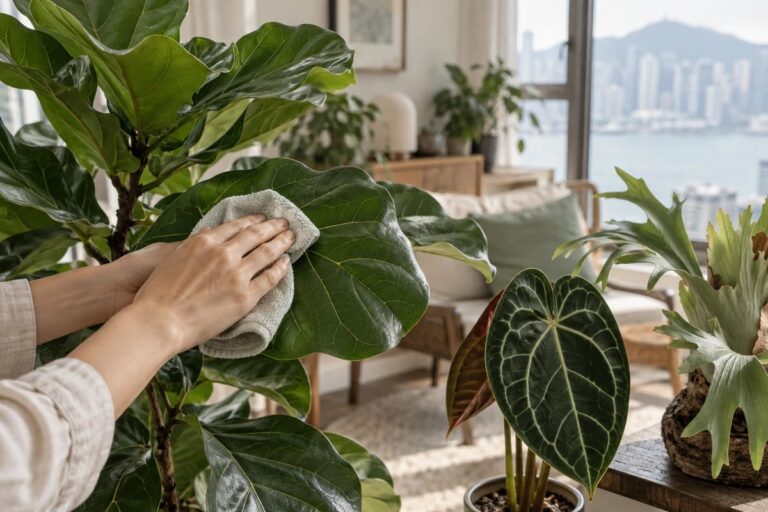
| Dust accumulating on leaves | Not cleaned for a long time | Gently wipe the leaves with a damp cloth to restore shine |
| Stem softening and rotting | Severe root rot | Cut healthy stems for propagation and start fresh |
| Plant leaning to one side | Uneven light exposure | Rotate the pot periodically for even light on all sides |
How to explain to customers
"The ZZ Plant is genuinely one of the best plants for beginners — it's really hard to kill! It's very shade-tolerant, so it looks great even in an office or a home with average light. The most important thing to remember is not to water it too often — let the soil dry out completely before watering again. Its tuber stores plenty of water, so being a bit dry is fine, but staying wet leads to root rot. Water even less in winter. It is toxic, so please wash your hands after handling, and keep kids and pets away from it. It pretty much takes care of itself and still looks great — genuinely perfect for a busy city lifestyle!"
Fun facts
- The Chinese name "金錢樹" (Money Tree) comes from the coin-like shape of its leaflets combined with its sturdy, tree-like stem, giving it an auspicious "wealth and prosperity" meaning — it's extremely popular across Asia and a common gift for business openings
- The botanical name Zamioculcas zamifolia combines features reminiscent of Zamia (cycad-like plants) and Colocasia (taro), reflecting its cycad-like appearance despite actually belonging to the Araceae family
- The ZZ Plant is one of the few plants able to perform Crassulacean Acid Metabolism (CAM photosynthesis) even in low light — a mechanism that lets it absorb carbon dioxide at night and close its stomata during the day to reduce water loss, giving it exceptional drought tolerance
- It can be propagated from a single leaflet cutting — rooting takes a while (potentially several months), but the success rate is quite high
- NASA research has confirmed the ZZ Plant's air-purifying ability, effectively removing indoor benzene, formaldehyde, and other volatile organic compounds
Keywords
Zamioculcas zamifolia, ZZ Plant, Zanzibar Gem, Eternity Plant, Money Tree, Araceae, foliage plant, indoor plant, shade-tolerant plant, drought-tolerant plant, air purification, beginner-friendly, office plant, low-maintenance plant, toxic to pets
參考資料(想知來源可展開)
References
- Missouri Botanical Garden — Plant Finder: Zamioculcas zamifolia, https://www.missouribotanicalgarden.org/PlantFinder/PlantFinderDetails.aspx
- ASPCA — Toxic and Non-Toxic Plant List, https://www.aspca.org/pet-care/animal-poison-control/toxic-and-non-toxic-plants
- NASA Clean Air Study, B.C. Wolverton et al., https://ntrs.nasa.gov/
⚠️ Entire plant toxic, especially the stem and tuber; may cause mouth burning and vomiting if ingested. Keep out of reach of children and pets.
Plantjai · Causeway Bay collector indoor plants · WhatsApp +852 66807550
For Hong Kong homes and offices. Stock and pricing follow the product page.
IN STORE NOW
Plants for this guide
Related plants in stock now — live prices, delivery or Causeway Bay pickup.
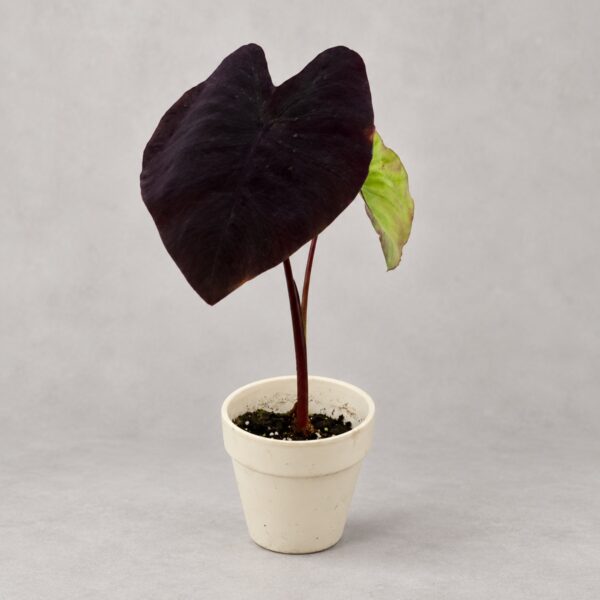
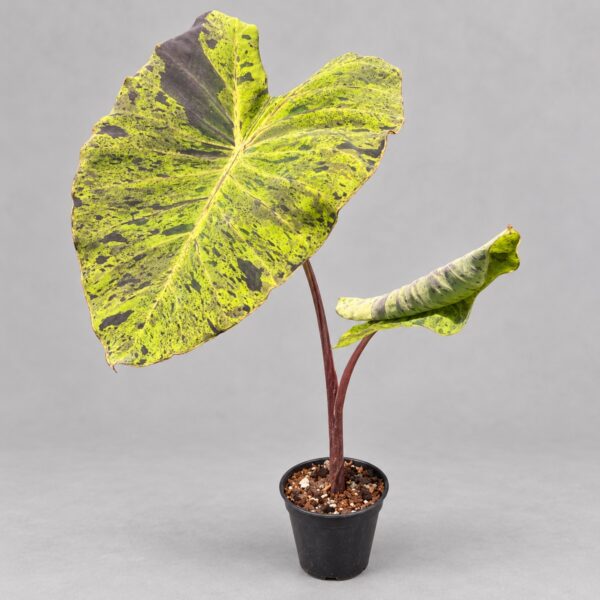
Colocasia 'Mojito'
Colocasia 'Mojito'
Original price was: HK$880.00.HK$280.00Current price is: HK$280.00.
In stock · store pickup
View plant
FREE PLANT ADVICE
Send us a photo before you change anything
WhatsApp a photo of the plant and your window light. Our Causeway Bay team will suggest care steps or plants that suit your space.
STORE · CAUSEWAY BAY
4/F, 39 Yiu Wa Street, Causeway Bay
Daily 12:30–8:00pm · ~3 min walk from Times Square
Map & directionsPlant Care