
How to Care for Philodendron White Wizard in Hong Kong | Plantjai

Plantjai 植仔 · Care Encyclopedia
Philodendron White Wizard
Philodendron 'White Wizard' 白巫師蔓綠絨
Hong Kong care guide — useful before you buy and after it arrives.
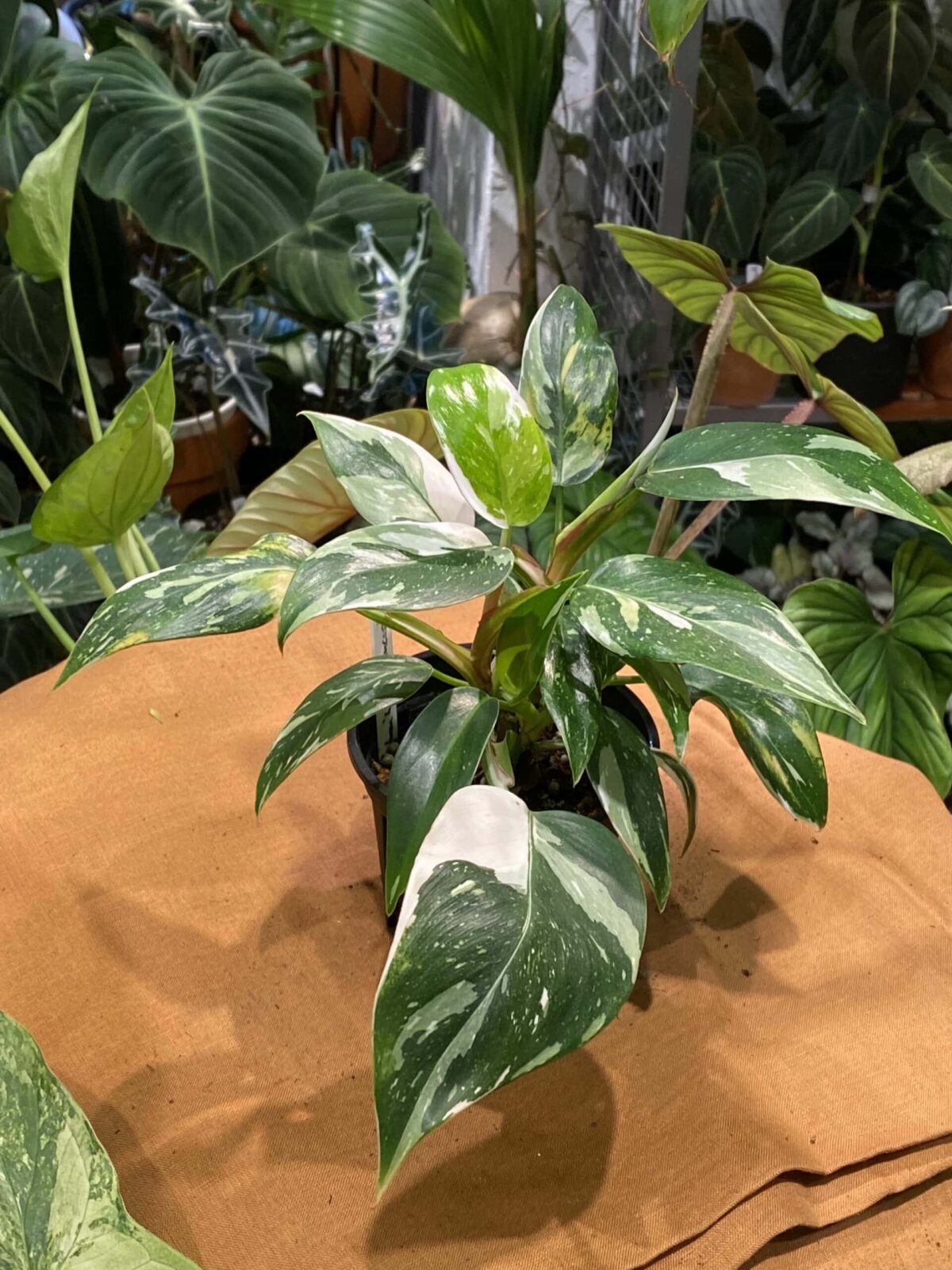
Shop this plantEmerald stems striped in pure white, with dramatic large half-moon variegation — the most visually striking sorcerer in the Philodendron "royal family."
Botanical name pending confirmation — a cultivar within the Philodendron erubescens group
⚠️ Toxicity warning: all Philodendron species contain calcium oxalate crystals; ingestion may cause mouth pain, drooling, and swelling. Toxic to pets and children. Wash your hands after pruning and avoid contact with eyes.
Origin & characteristics
White Wizard is a horticultural cultivar within the Philodendron erubescens group (exact parentage/botanical name pending confirmation). The species P. erubescens is native to the tropical rainforests of Colombia and neighbouring parts of South America. Along with White Princess and White Knight, it forms the Philodendron "royal Three Musketeers," and is most reliably identified by its pure green stem striped with white, with no pink or purple-red tones at all.
Cultivar characteristics:
- Leaf characteristics: rounder, broader leaves than its relatives, a classic heart-to-oval shape typical of the erubescens group; leaf surface is deep green with dramatic, high-contrast white half-moon or striped variegation
- Stem identification: pure bright green stems and petioles with white striping, with absolutely no pink or purple-red tones — this is the most reliable way to identify true White Wizard
- Variegation pattern: leans toward large-area block/sectoral variegation, extremely high contrast and visually striking, though this variegation pattern occurs less frequently
- Growth habit: a climbing Philodendron, briefly self-supporting when young before leaning over and seeking support as it matures
- Growth rate: moderate — because the white tissue lacks chlorophyll, overall growth is somewhat slower than fully green cultivars
Light
- Ideal light: bright indirect light, roughly 10,000-20,000 lux; variegated cultivars need more light than solid green ones to compensate for reduced photosynthetic capacity
- Best placement: beside an east-facing window or a bright north-facing window; a south-facing window needs a sheer curtain or 1-2 metres of distance
- Maintaining variegation: ample bright indirect light supports strong growth and keeps the variegation contrast crisp; low light causes new leaves to come in greener and variegation to fade
- Avoid: direct sun is especially damaging to the white variegated tissue, causing irreversible brown scorch — large white areas are particularly fragile
- Artificial light: white variegated cultivars particularly benefit from a full-spectrum grow light, which helps maintain consistent light levels
Watering
- Frequency: water once the top 2-3 cm of soil dries out, typically about every 5-7 days depending on season and environment
- Method: water slowly around the rim until it drains from the base, empty tray runoff after about 10 minutes
- Seasonal adjustment:
- Spring/summer growing season: water as soon as the topsoil dries, keeping moisture steady
- Autumn/winter dormancy: extend watering until the soil is roughly half dry, roughly every 10-14 days
- Water quality: room-temperature tap water is fine; if chlorine smell is strong, let it stand overnight first
- Key warning: White Wizard is particularly intolerant of soggy, stagnant roots, which quickly leads to root rot — err on the side of dry rather than wet. Soil that stays wet for too long deprives roots of oxygen.
Soil & pot
Soil recipe (priority: maximum breathability, very fast drainage):
White Wizard needs excellent root aeration. A recommended dedicated Araceae mix ratio:
- Orchid bark (coarse grade): 35%
- Coco coir/coconut husk fibre: 20%
- Perlite or pumice: 25%
- Peat moss or sphagnum: 15%
- Horticultural charcoal: 5%
Pot choice:
- Essential: drainage holes at the base — drainage comes first
- Material: terracotta or cement pots are best (good breathability), helping prevent root rot
- Size: a slightly snug pot is better than an oversized one; choose one just one size larger than the root ball. An overly large pot keeps soil wet for too long.
- Repotting timing: roughly every 1-2 years in spring, moving up just one pot size at a time
Support:
A moss pole or coco coir totem is recommended for climbing, which helps leaves grow larger, keeps the plant upright, and encourages aerial root development. Leaves reach their largest size once given something to climb.
Temperature & humidity
- Ideal temperature: 18-28°C, most comfortable at 20-26°C
- Minimum tolerance: no lower than 15°C — prolonged cold stalls growth or causes cold damage
- Humidity: 50-70% is ideal
- Humidity methods:
- A humidifier is the most stable and effective method
- Group plants together to create a shared microclimate
- Place on a pebble tray filled with water (keep the pot base above, not touching, the water)
- Note: avoid placing near AC vents, heaters, or drafty doors/windows where temperature swings are severe
Common problems
Q: Variegation fading, new leaves coming in fully green (reversion)?
If several consecutive new leaves come in noticeably green, this is reversion. Prune back to just above the last node that still shows variegation, to stimulate a bud carrying the variegation gene. Note: light supports growth but cannot "switch on" variegation that has already turned off genetically.
Q: All-white leaves appearing?
While visually striking, an all-white leaf lacks chlorophyll for photosynthesis and drains the plant's energy reserves. If several all-white leaves appear in a row, it's best to prune them back, keeping leaves with some green to maintain plant health.
Q: Brown spots appearing on white areas?
Usually caused by direct sun scorch, watering too late (soil too dry for too long), or fertiliser salt burn from over-concentration. Large white variegated areas are especially vulnerable to damage. Adjust light intensity, keep a steady watering rhythm, and dilute fertiliser to a quarter or half strength.
Q: Leaves yellowing and dropping?
Most commonly caused by overwatering leading to root rot. White Wizard is especially prone to this — check whether the soil has stayed wet for too long, improve drainage, and repot with fresh soil and trimmed roots if needed.
Q: Growth slow or stalled?
Could be insufficient light, temperatures too low, or soil too wet. White variegated tissue has weaker photosynthetic capacity and needs more light than solid green cultivars to support healthy growth.
Q: Pest problems?
Watch especially for thrips, which favour pale tissue — the white variegated areas are a prime target. Treatment needs to be repeated; neem oil or insecticidal soap spray works well, with a low-toxicity pesticide as a last resort for severe infestations.
How to explain to customers
"White Wizard is the most eye-catching member of the Philodendron 'royal family' — its variegation usually comes in large white half-moon sections with striking contrast, an instant focal point wherever it sits. It's easy to identify too — just check the stem: pure green with white stripes and absolutely no pink means it's White Wizard. It belongs to the erubescens group, with rounder, broader leaves than White Princess. When caring for it, remember the white parts can't photosynthesise, so it needs plenty of bright indirect light — but never direct sun, since large white areas scorch brown very easily, which would be such a shame. Water once the topsoil is dry — better a little dry than too wet, since it's especially prone to root rot. A moss pole to climb is a great idea; the leaves get bigger once it starts climbing. If you have pets or kids at home, keep it up high — all Philodendrons contain calcium oxalate and are toxic."
Fun facts
- The purest white: among the "Three Musketeers," White Wizard is the only one with absolutely no pink or purple-red tones — its pure green-and-white contrast makes it the "cleanest" of the white variegated Philodendrons.
- Half-moon variegation: White Wizard most commonly displays large half-moon variegation — one half of the leaf deep green, the other half pure white — a dramatic effect that's the dream find for collectors.
- The roundest leaves of the three: compared with White Princess's narrow leaves and White Knight's medium leaves, White Wizard typically has the roundest, broadest leaves of the trio, in a classic heart shape.
- Once nearly impossible to find: before around 2021, White Wizard was an extremely rare, hard-to-find cultivar; as tissue culture propagation became more widespread, supply increased, giving far more plant lovers the chance to own one.
Keywords
Philodendron, White Wizard Philodendron, Philodendron White Wizard, Philodendron erubescens, white variegation, half-moon variegation, sectoral variegation, green stem, climbing plant, Araceae, foliage plant, royal Three Musketeers, bright indirect light, high humidity, moss pole, prone to reversion, tropical plant, Plantjai
參考資料(想知來源可展開)
References
- Royal Botanic Gardens, Kew — Plants of the World Online: genus Philodendron, https://powo.science.kew.org/
- ASPCA — Toxic and Non-Toxic Plant List, https://www.aspca.org/pet-care/animal-poison-control/toxic-and-non-toxic-plants
⚠️ Contains calcium oxalate crystals; toxic to humans and pets if ingested. Keep out of reach of children and pets.
Plantjai · Causeway Bay collector indoor plants · WhatsApp +852 66807550
Plantjai shop · In stock online
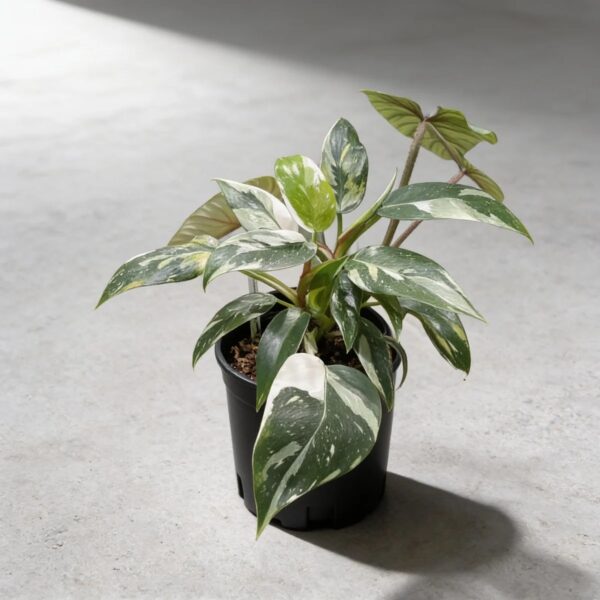
Philodendron 'White Wizard'
Philodendron 'White Wizard'
Original price was: HK$608.00.HK$160.00Current price is: HK$160.00.
Hong Kong delivery · Causeway Bay pickup
For Hong Kong homes and offices. Stock and pricing follow the product page.
IN STORE NOW
Plants for this guide
Related plants in stock now — live prices, delivery or Causeway Bay pickup.
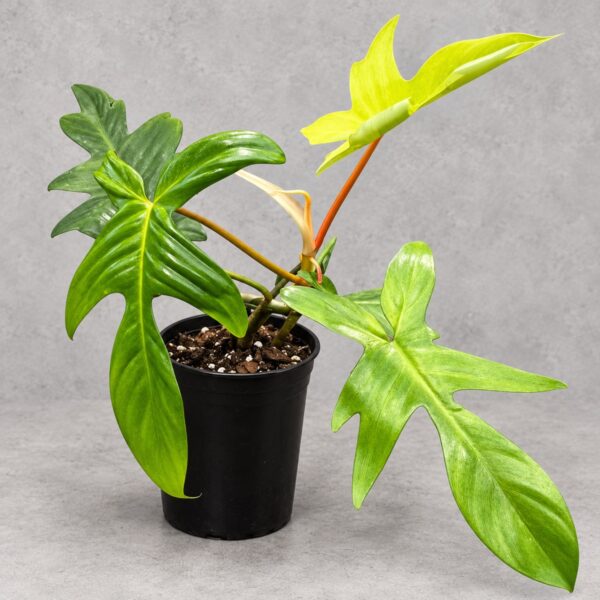
Philodendron 'Florida Ghost'
Philodendron 'Florida Ghost'
from HK$118.00
In stock · store pickup
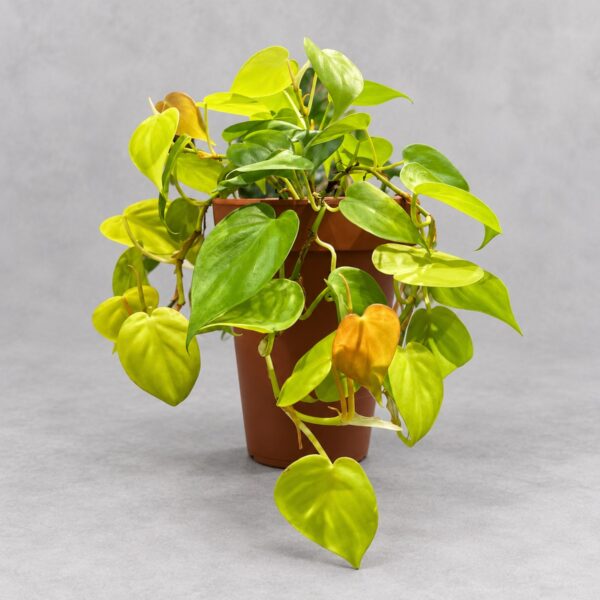
View plantPhilodendron hederaceum 'Lemon Lime'
Philodendron hederaceum 'Lemon Lime'
HK$198.00
In stock · store pickup
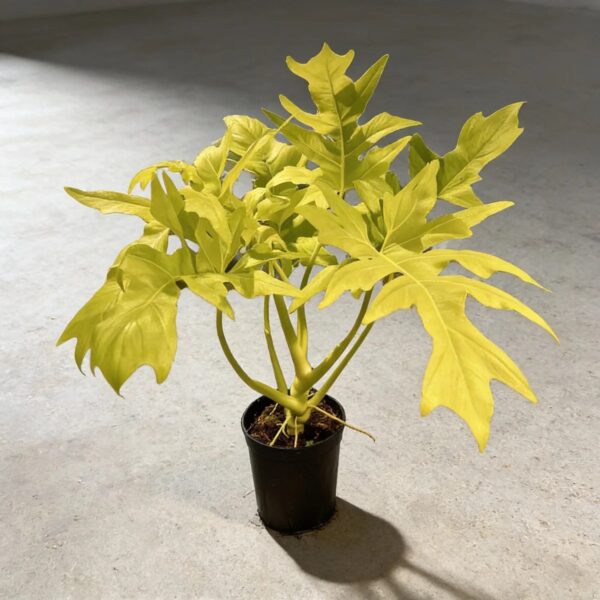
View plantPhilodendron warscewiczii 'Aurea Flavum'
Philodendron warscewiczii 'Aurea Flavum'
HK$298.00
In stock · store pickup
View plant
FREE PLANT ADVICE
Send us a photo before you change anything
WhatsApp a photo of the plant and your window light. Our Causeway Bay team will suggest care steps or plants that suit your space.
STORE · CAUSEWAY BAY
4/F, 39 Yiu Wa Street, Causeway Bay
Daily 12:30–8:00pm · ~3 min walk from Times Square
Map & directionsPlant Care