
How to Care for Philodendron Verrucosum Verde in Hong Kong | Plantjai

Plantjai 植仔 · Care Encyclopedia
Philodendron Verrucosum Verde
Philodendron verrucosum 'Verde' 綠色螢光蔓綠絨
Hong Kong care guide — useful before you buy and after it arrives.
Shop this plantA velvety leaf texture paired with a fresh, clean green underside — easier to integrate into your home than Red Back, equally noble but more versatile among velvety Philodendron choices.
Origin & characteristics
- Native range: the tropical rainforest of Central and South America (mainly Ecuador, Costa Rica, and Panama)
- Growth habit: a climbing vine, clinging to tree trunks in the understory canopy in the wild
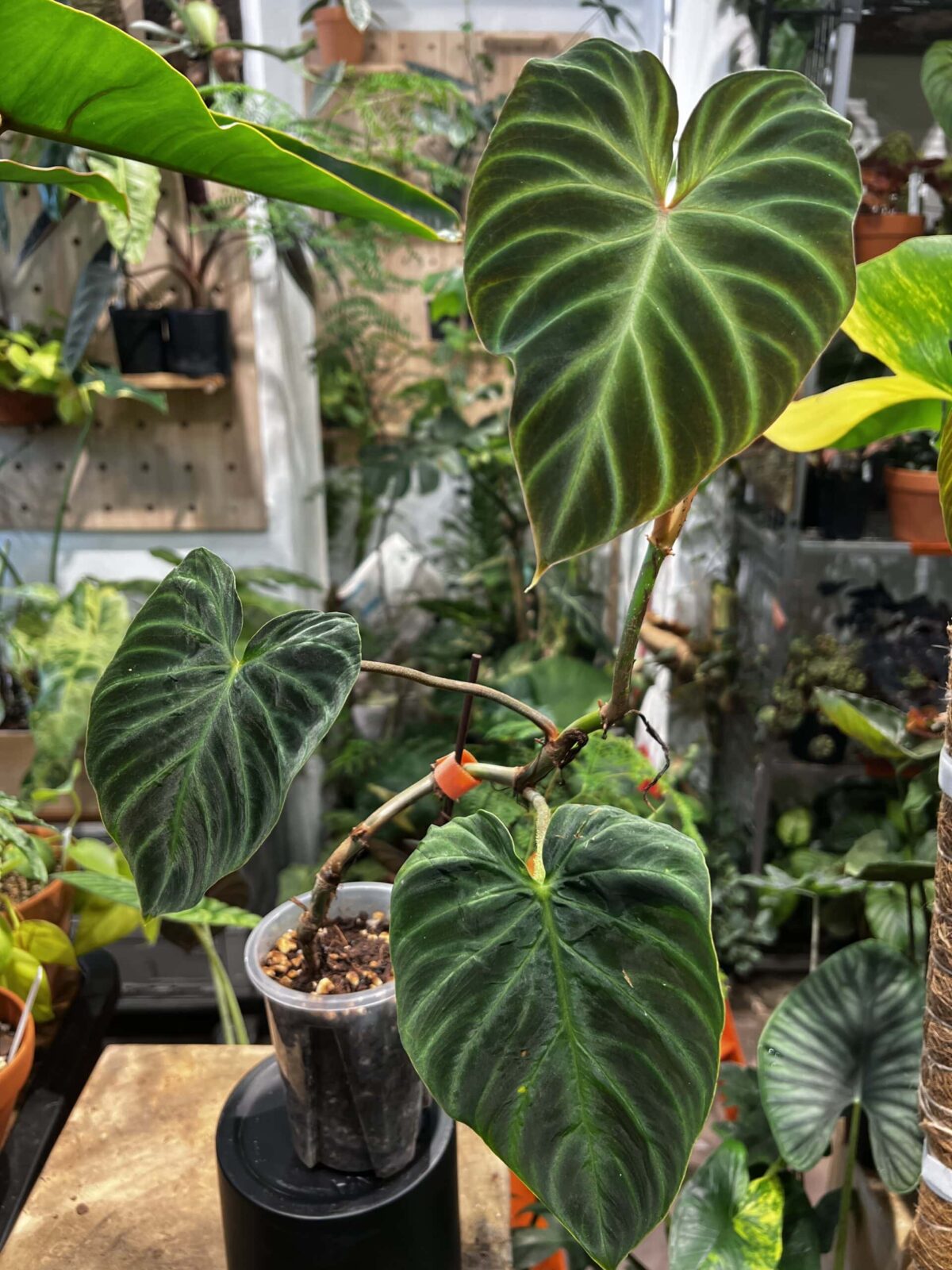
- Leaf characteristics: large heart-shaped leaves, densely covered in fine hairs, deep green; veins are noticeably raised and white or cream-coloured; the underside is green (more understated than Red Back's red-copper tone), with new leaves unfurling a vivid green
- Mature size: can reach 1.5-2 metres tall indoors (with moss pole support)
- Growth rate: slow to moderate, producing roughly 2-4 new leaves per year
- Toxicity: ⚠️ Toxic. Contains calcium oxalate crystals; ingestion causes mouth pain, drooling, and vomiting — keep away from children and pets
Light
- Ideal environment: bright indirect light, roughly 100-300 foot-candles (fc)
- Placement: 0.9-1.5 metres beside an east- or west-facing window, or near a north-facing window
- Notes:
- Absolutely avoid direct sun — the velvety leaves scorch very easily (pale yellow halos around veins, brittle leaf edges)
- Too little light causes leaf colour to darken, fine hairs to thin, and growth to stall
- Choose a fixed position after settling on one and try not to move it frequently — frequent repositioning delays new leaf growth
- A full-spectrum LED grow light can be supplemented in winter (3000K-4000K)
Watering
- Principle: water once the top 2-3 cm of soil dries out, keeping it lightly moist but never soaked
- Frequency reference:
- Spring/summer: roughly once every 7 days
- Autumn/winter: roughly once every 10-14 days
- Method: water slowly around the rim until it drains from the base, empty tray runoff after 15 minutes
- Water quality: room-temperature clean water is best; letting tap water stand overnight to dissipate chlorine is recommended
- Key tips:
- Better slightly dry than too wet — root rot is the most common cause of death
- Water thoroughly an hour before fertilising, to avoid fertiliser burn to the roots
Soil & pot
- Soil recipe: an extremely breathable Aroid Mix that retains moisture without becoming waterlogged
- Recommended ratio: 40% orchid bark (medium-coarse grade) + 30% long-fibre sphagnum moss + 20% coarse perlite or pumice + 10% horticultural charcoal
- Key point: typical potting soil is too dense for this species — the coarse particle ratio must be increased
- Pot choice:
- Terracotta pots or breathable fabric pots are the best choice
- Drainage holes are essential
- When repotting, the new pot's diameter shouldn't exceed the old one by more than 5 cm
- Repotting timing: roughly every 2-3 years in spring
Temperature & humidity
- Ideal temperature: 20-27°C (daytime), no lower than 15°C at night
- Minimum temperature: no lower than 15°C
- Humidity: above 60% is essential, with 75-85% being ideal
- Typical household humidity is difficult to meet this requirement — a humidifier is strongly recommended
- Misting alone has limited effect (each misting raises humidity for less than 90 seconds)
- A pebble tray, cloche, or grouping with other high-humidity plants all help
- Environmental note: keep away from AC vents and heaters, avoiding sudden temperature changes
Common problems
| Issue | Cause | Solution |
|---|---|---|
| Pale yellow halos around veins | Sunburn (direct light) | Move to indirect light immediately |
| Small new leaves, sparse fine hairs | Insufficient light or humidity too low | Increase indirect light, raise humidity above 70% |
| Leaf tips crispy, edges dry | Humidity too low or fertiliser too concentrated | Increase humidity, dilute fertiliser to 1/4 strength |
| Leaves yellowing overall | Overwatering / root rot | Reduce watering, check root health |
| New leaves deformed, hook-shaped | Calcium deficiency | Add a small amount of gypsum when repotting |
| Yellowing between veins on older leaves | Magnesium deficiency | Water once with a magnesium fertiliser or Epsom salt solution (1 teaspoon/gallon) |
| Growth stalled | Temperature too low or dormancy | Keep above 20°C, resume once warmer in spring |
How to explain to customers
"Green Back Philodendron is like a twin to the Red Back — the top has the same deep green velvety large leaves, wonderfully tactile, but flip it over and the underside is green, a bit more understated, which pairs well with many different home styles. It also has demanding humidity needs, ideally 60-80% — if your home is dry, you'll definitely need to run a humidifier. For watering, water only once the soil has dried out — too wet easily causes root rot. It needs bright indirect light — never let it sit in the sun. It grows fairly slowly, maybe only producing a few new leaves a year, but every one is beautiful and worth the wait. Remember to keep it up high — it's toxic, so keep it away from children and pets."
Fun facts
- 'Verde' means "green" in Italian/Spanish, describing its entirely green leaf underside
- Although the underside doesn't have Red Back's eye-catching red-copper colour, Verde's leaf surface fine hairs are typically denser and finer
- In the wild, Philodendron verrucosum's leaves become larger and its veins more pronounced as it climbs higher
- Horticultural circles sometimes consider Verde a variant of verrucosum rather than a separate cultivar, but both are equally prized for their ornamental value
Keywords
Green Back Philodendron, Philodendron verrucosum Verde, velvet Philodendron, velvety Philodendron, Verde, Araceae, climbing plant, high-humidity plant, bright indirect light, breathable soil, Aroid Mix, toxic plant, calcium oxalate, tropical rainforest plant, foliage plant, Plantjai
參考資料(想知來源可展開)
References
- Royal Botanic Gardens, Kew — Plants of the World Online: Philodendron verrucosum, https://powo.science.kew.org/
- ASPCA — Toxic and Non-Toxic Plant List, https://www.aspca.org/pet-care/animal-poison-control/toxic-and-non-toxic-plants
⚠️ Contains calcium oxalate crystals; toxic to humans and pets if ingested. Keep out of reach of children and pets.
Plantjai · Causeway Bay collector indoor plants · WhatsApp +852 66807550
Plantjai shop · In stock online
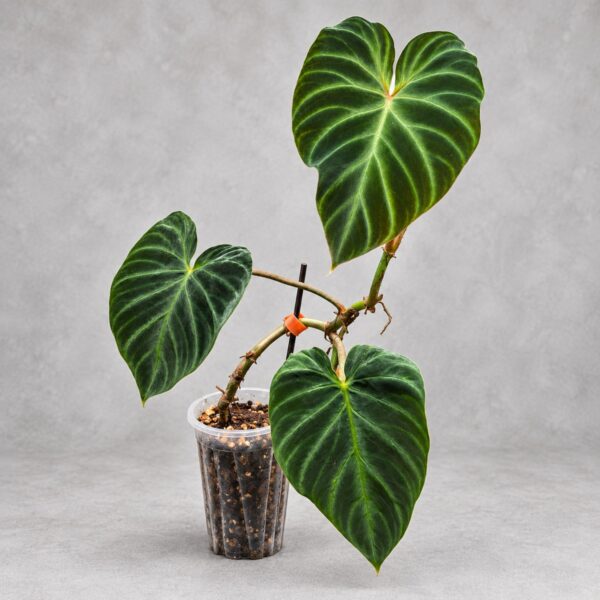
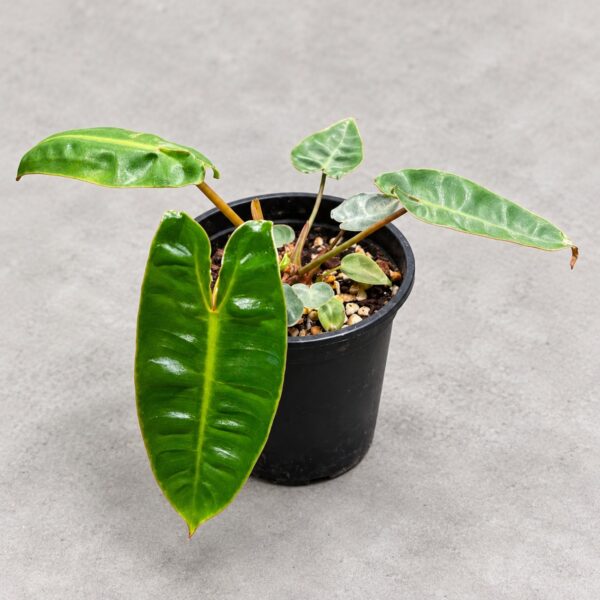
Philodendron verrucosum
Philodendron verrucosum
HK$298.00
Hong Kong delivery · Causeway Bay pickup
For Hong Kong homes and offices. Stock and pricing follow the product page.
IN STORE NOW
Plants for this guide
Related plants in stock now — live prices, delivery or Causeway Bay pickup.
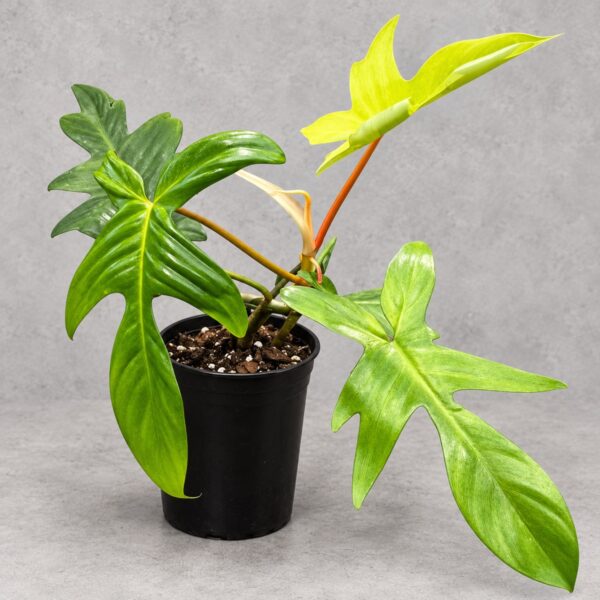
Philodendron 'Florida Ghost'
Philodendron 'Florida Ghost'
from HK$118.00
In stock · store pickup
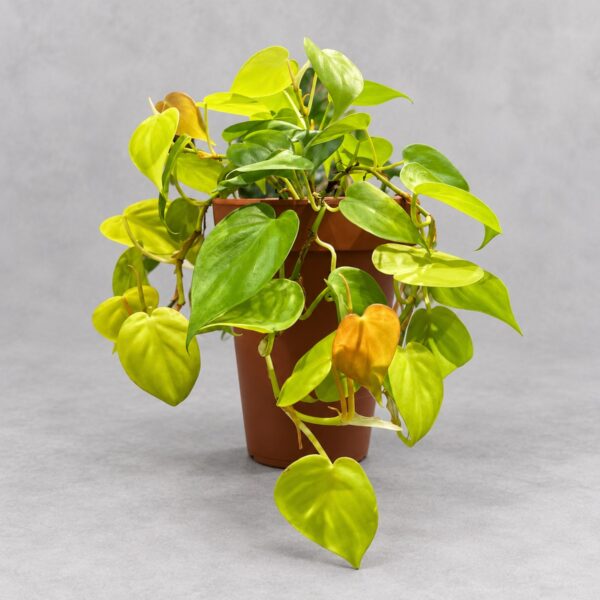
View plantPhilodendron hederaceum 'Lemon Lime'
Philodendron hederaceum 'Lemon Lime'
HK$198.00
In stock · store pickup
View plant
FREE PLANT ADVICE
Send us a photo before you change anything
WhatsApp a photo of the plant and your window light. Our Causeway Bay team will suggest care steps or plants that suit your space.
STORE · CAUSEWAY BAY
4/F, 39 Yiu Wa Street, Causeway Bay
Daily 12:30–8:00pm · ~3 min walk from Times Square
Map & directionsPlant Care