
How to Care for Philodendron Pedatum Glad Hands in Hong Kong | Plantjai

Hong Kong care guide for Philodendron Pedatum Glad Hands.
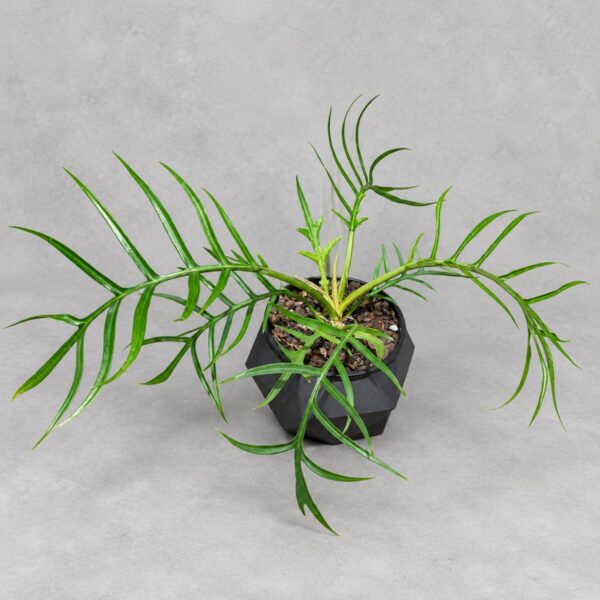
Seaweed-like flowing, deeply lobed narrow leaves, with every leaf taking a different form and getting more beautiful as it grows — an advanced choice for indoor plant collections.
⚠️ Toxicity warning: all Philodendron species contain calcium oxalate crystals; ingestion may cause mouth pain and swelling. Never let pets or children ingest it. Wash your hands after handling.
Origin & characteristics
Botanical name pending confirmation — there's ongoing debate within horticultural circles about the classification of 'Glad Hands,' generally categorised as a narrow-leaf horticultural form of Philodendron pedatum, though some believe it may involve genetics from other Philodendron species.
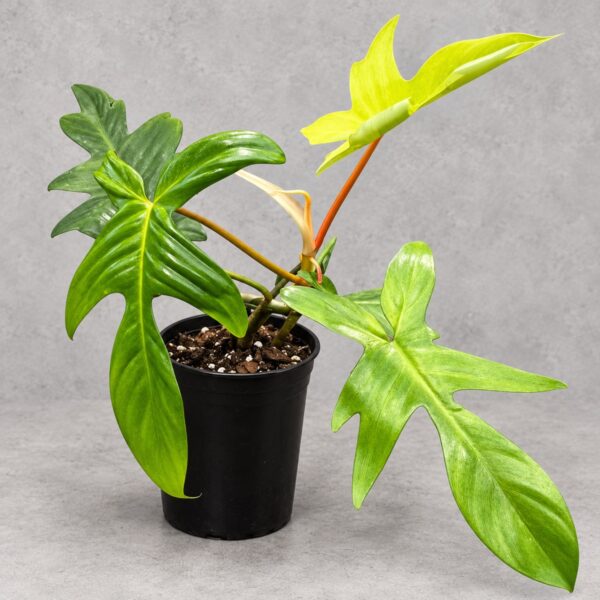
'Glad Hands' is one of the most slender and elegant members of the Florida Philodendron family. Native to South American tropical rainforest, it's a climbing species, with mature leaves deeply lobed in a pinnate form, the lobes narrow and finger-like, with clearly raised veins and a glossy deep green colour. New leaves emerge pale green, gradually deepening; mature plants have leaves reaching 30-40 cm.
Its most distinctive feature is how the leaf form changes with maturity — juvenile leaves are rounder, becoming more deeply lobed as the plant grows, with every leaf being one-of-a-kind, highly ornamental.
Light
- Ideal light: bright indirect light (800-1,500 lux); an east-facing window or south-facing window filtered by a sheer curtain is best
- Acceptable range: can grow in semi-shade, though leaves will be smaller with shallower lobing
- Avoid: intense midday direct sun in summer, which easily scorches leaves; prolonged darkness causes stretched internodes and narrower leaves
- Tip: with ample light, leaf colour becomes a richer, glossier green, and the lobed form becomes more pronounced
Watering
- Frequency: water once the top 2-3 cm of soil dries out, typically every 5-7 days in summer, every 10-14 days in winter
- Method: water slowly around the rim until a little water drains from the base, empty tray runoff after half an hour
- Water quality: room-temperature tap water is fine; sensitive plants can use water left overnight or filtered water
- Note: never let the pot base sit in standing water for long — root rot is the biggest killer; reduce watering frequency in winter, favouring dryness over wetness
- How to check: insert a finger to the second knuckle in the soil and feel for dryness before watering
Soil & pot
Soil recipe:
- A dedicated Araceae potting mix with good drainage is recommended
- Custom ratio: 40% peat soil + 30% perlite + 20% pine bark/bark + 10% activated charcoal
- pH: slightly acidic (5.5-6.5) is most ideal
Pot choice:
- Terracotta or unglazed clay pots are the top choice, offering good breathability
- Drainage holes at the base are essential
- Don't rush to upsize the pot — wait until roots fill the current one, typically repotting every 1-2 years
Support:
- A moss pole or coco coir pole is recommended for mature plants — leaves noticeably enlarge once climbing
- Without support, it takes on a trailing form with smaller leaves
Temperature & humidity
- Ideal temperature: 20-28°C, with the most vigorous growth in this range
- Tolerable range: 15-32°C
- Danger zone: below 10°C easily causes frost damage to leaves; above 35°C stalls growth
- Humidity: 50-70% is most ideal — generally not an issue in Hong Kong's spring and summer
- Humidity suggestions: when running the heater in autumn/winter, place on a humidity tray or use a humidifier; wipe dust off leaves gently with a damp cloth
Common problems
Q: What should I do about yellowing leaves?
If yellowing starts from the lower, older leaves, it's mostly overwatering causing root rot — check the base drainage and reduce watering. If the top leaves are yellowing, it may be a nutrient deficiency or overly hard water.
Q: Internodes are stretching and leaves are getting smaller?
A classic sign of insufficient light — move to a brighter position, or consider adding a grow light.
Q: New leaves have no lobing, just round?
Normal for juvenile plants — deeper lobing develops with maturity. If a mature plant suddenly produces round leaves, it's usually due to insufficient light or nutrients.
Q: Leaf tips turning brown and dry?
Humidity too low or water too cold — increase surrounding humidity, and use room-temperature water for watering.
Q: Can it be grown in water?
Yes, cut a stem section with an aerial root and place it in water — it roots in roughly 2-3 weeks, though it grows faster and stronger once transferred to soil.
How to explain to customers
"This is 'Glad Hands,' the narrowest and most beautiful-leafed cultivar in the Florida Philodendron family. Its leaves flow like seaweed, and every leaf takes a different form, getting more beautiful as it grows. A spot in the living room with indirect light suits it best — let the soil dry out fully before watering, and remember not to let it sit in standing water. Once it starts climbing a pole, the leaves get much bigger — a really satisfying plant to grow. Just remember, all Philodendron species are toxic, so keep it away from cats, dogs, and children."
Fun facts
The name 'Glad Hands' comes from the English idiom for an "enthusiastic handshake," describing how the leaf lobes resemble spread-out fingers. This cultivar only began gaining popularity in Southeast Asia's tropical plant circles in the late 2010s, first cultivated by Thai horticulturists, and quickly became a must-have collector's cultivar due to its highly recognisable leaf shape. Some believe it's actually a reverted green form of Philodendron 'Florida Beauty,' though this hasn't been formally academically confirmed.
Keywords
Philodendron, Philodendron pedatum, Glad Hands, narrow-leaf Florida Philodendron, lobed-leaf plant, climbing foliage plant, Araceae, indoor plant, tropical plant, moss pole, aerial root plant, foliage plant, Plantjai, air purification, medium-to-large indoor plant, advanced plant collector
參考資料(想知來源可展開)
References
- Royal Botanic Gardens, Kew — Plants of the World Online: genus Philodendron, https://powo.science.kew.org/
- ASPCA — Toxic and Non-Toxic Plant List, https://www.aspca.org/pet-care/animal-poison-control/toxic-and-non-toxic-plants
⚠️ Contains calcium oxalate crystals; toxic to humans and pets if ingested. Keep out of reach of children and pets.
Plantjai · Causeway Bay collector indoor plants · WhatsApp +852 66807550
For Hong Kong homes and offices. Stock and pricing follow the product page.
IN STORE NOW
Plants for this guide
Related plants in stock now — live prices, delivery or Causeway Bay pickup.
Philodendron 'Florida Ghost'
Philodendron 'Florida Ghost'
from HK$118.00
In stock · store pickup
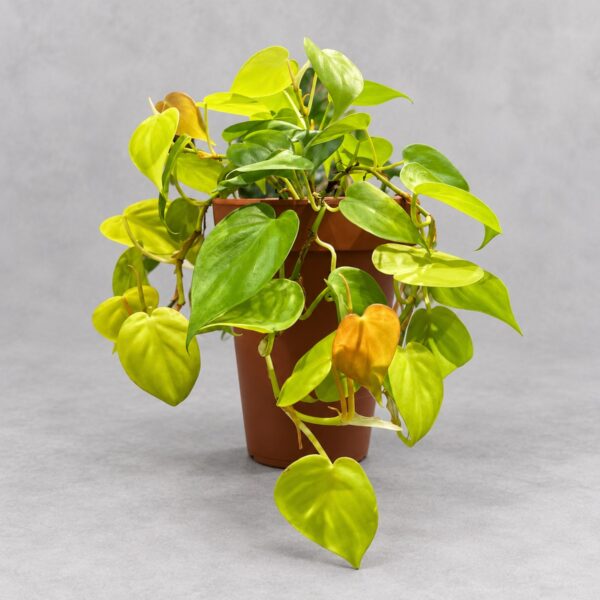
View plantPhilodendron hederaceum 'Lemon Lime'
Philodendron hederaceum 'Lemon Lime'
HK$198.00
In stock · store pickup
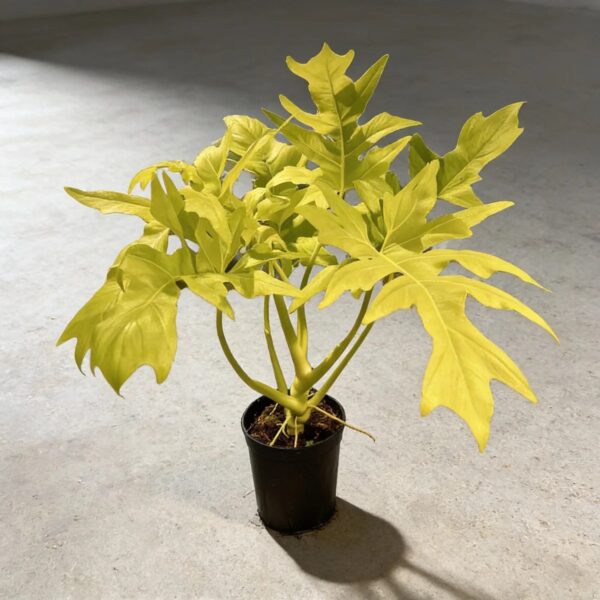
View plantPhilodendron warscewiczii 'Aurea Flavum'
Philodendron warscewiczii 'Aurea Flavum'
HK$298.00
In stock · store pickup
View plant
FREE PLANT ADVICE
Send us a photo before you change anything
WhatsApp a photo of the plant and your window light. Our Causeway Bay team will suggest care steps or plants that suit your space.
STORE · CAUSEWAY BAY
4/F, 39 Yiu Wa Street, Causeway Bay
Daily 12:30–8:00pm · ~3 min walk from Times Square
Map & directionsPlant Care