
How to Care for Philodendron Melanochrysum in Hong Kong | Plantjai

Plantjai 植仔 · Care Encyclopedia
Philodendron Melanochrysum
Philodendron melanochrysum 黑金蔓綠絨
Hong Kong care guide — useful before you buy and after it arrives.
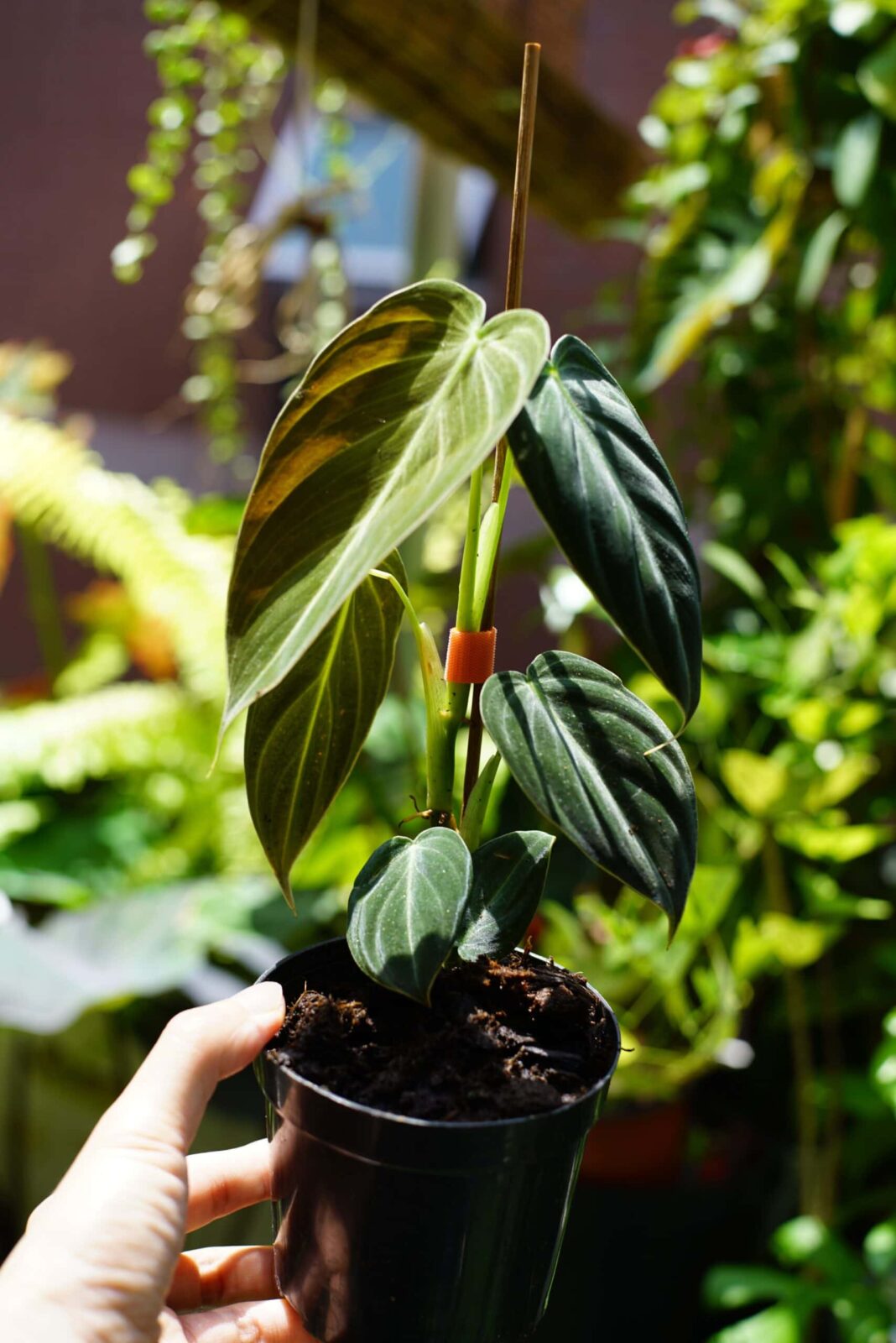
Shop this plantA velvety leaf surface shimmers with metallic sheen, new leaves emerge bronze-gold and gradually deepen to inky green, and mature leaves can reach 60 cm — the "dark aristocrat" of the Philodendron family.
Origin & characteristics
- Native range: the eastern Andean foothills of Colombia, in tropical rainforest at roughly 500-1,500 metres elevation
- Growth habit: a semi-climbing vine; juveniles grow upright, while mature plants naturally climb up tree trunks or support poles
- Leaf characteristics: mature leaves are long-oval to lance-shaped, covered in dense fine hairs, giving a gorgeous black-with-gold-shimmer effect under light; new leaves unfurl in a bronze-red-gold colour, highly ornamental
- Growth rate: moderate, producing 4-6 new leaves per year under suitable conditions
⚠️ Toxicity warning: Philodendron melanochrysum contains calcium oxalate crystals throughout the plant; ingestion causes mouth burning, swelling, and vomiting. Keep out of reach of children and pets, and wash your hands thoroughly after contact with sap.
Light
- Ideal light: bright indirect light (800-2,000 lux), an east- or north-facing window is most ideal
- Avoid: midday direct sun, which scorches the velvety leaf surface, creating irreversible brown scorch spots
- Signs of insufficient light: leaves become narrower, colour dulls, new leaves lack metallic sheen, internodes stretch
- Tip: gently brush the leaf surface with a finger to feel the direction of the fine hairs — viewing along the direction of the hairs shows the best sheen
Watering
- Frequency: water once the top 2-3 cm of soil dries out, roughly every 5-7 days in summer, every 10-14 days in winter
- Water quality: room-temperature tap water left standing or filtered water is best, avoiding ice water directly shocking the roots
- Method: water slowly and thoroughly around the rim until it appears at the base, empty tray runoff after 30 minutes
- Standing water warning signs: leaves yellowing from the base, soil remaining wet for a long time with a musty smell — signs of overwatering
- Drought warning signs: leaf edges curling downward, velvety texture losing its sheen — needs prompt watering
Soil & pot
- Soil recipe: a well-draining, breathable peat-based mix is recommended
- Recommended recipe: 40% peat soil + 30% perlite + 20% bark + 10% charcoal
- pH: 5.5-6.5, slightly acidic conditions are best for nutrient absorption
- Pot choice:
- Terracotta pots: best breathability, suited to higher-humidity environments
- Plastic pots: better moisture retention, suited to drier air-conditioned rooms
- Drainage holes at the base are essential
- Repotting timing: repot once roots emerge from the drainage holes or growth clearly stalls, generally once every spring
Temperature & humidity
- Ideal temperature: 18-26°C, with an optimal growing temperature of roughly 22-24°C
- Minimum tolerance: briefly no lower than 15°C; long-term below 12°C causes cold damage and leaf drop
- Ideal humidity: 60-85%, with the velvety leaf surface showing the most pronounced sheen in high-humidity conditions
- Ways to increase humidity:
- Use a humidifier to maintain stable humidity
- Place on a pebble tray filled with water (pot base not directly touching the water)
- Group with other plants to create a humid microclimate
- Note: avoid misting directly onto the leaf surface — water droplets lingering among the fine hairs easily cause bacterial leaf spot
Common problems
| Issue | Likely cause | What to do |
|---|---|---|
| New leaves lack metallic sheen | Light too weak | Move to a brighter position, adjusting gradually |
| Crispy leaf tips | Humidity too low or alkaline water | Increase environmental humidity, switch to filtered water |
| Leaves going soft and rotting | Overwatering or poorly breathable soil | Check roots, repot and trim roots if necessary |
| Growth stalled | Temperature too low or roots have filled the pot | Check environmental temperature, consider repotting |
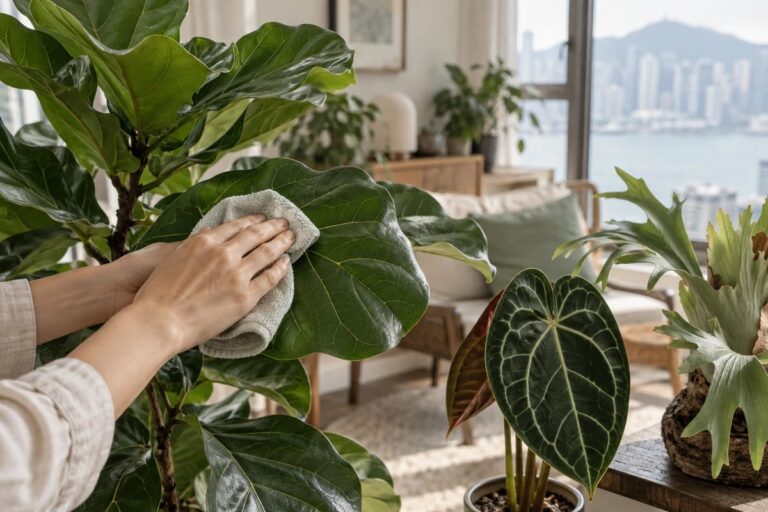
| Velvety texture becoming rough and dull | Dust accumulation or previous misting | Gently wipe along the direction of the hairs with a soft, dry cloth |
| Brown scorch spots on leaves | Direct light scorching | Move to indirect light immediately |
How to explain to customers
"This Philodendron melanochrysum is one of the crown jewels at Plantjai! Its leaves have a layer of velvety fine hairs — turn it towards the light and you'll see a black background with gold shimmer, absolutely stunning. Remember, don't mist water onto the leaves, since the fine hairs can trap water and cause leaf rot. Place it near a living room window with soft natural light for the best effect. If you run the heater in winter, remember to add humidity, or the leaf tips will dry out. If you have young children or pets, keep it up high — it's toxic, so don't let them chew on it."
Fun facts
- Decoding the name: the genus name Philodendron comes from ancient Greek "philo" (love) and "dendron" (tree), meaning "tree-lover"; the species epithet melanochrysum combines "melanos" (black) and "chrysos" (gold), perfectly describing its interwoven black-and-gold leaf colour
- The function of the fine hairs: the leaf surface's fine hairs aren't just for looks — in the wild, they help shed rainwater quickly while increasing boundary-layer humidity to reduce water loss
- A climbing secret: wild mature plants can climb up to 6 metres, with leaves growing progressively larger as they climb; providing a sphagnum or coco fibre pole indoors can simulate this effect, encouraging gigantic leaf growth
Keywords
Philodendron melanochrysum, Black Gold Philodendron, velvet Philodendron, gold velvet leaf, climbing plant, rainforest plant, indoor foliage plant, high-humidity plant, Plantjai, rare Philodendron, velvety leaf, toxic plant, low-light tolerant, dark-toned foliage plant
參考資料(想知來源可展開)
References
- Royal Botanic Gardens, Kew — Plants of the World Online: Philodendron melanochrysum, https://powo.science.kew.org/
- ASPCA — Toxic and Non-Toxic Plant List, https://www.aspca.org/pet-care/animal-poison-control/toxic-and-non-toxic-plants
⚠️ Contains calcium oxalate crystals; toxic to humans and pets if ingested. Keep out of reach of children and pets.
Plantjai · Causeway Bay collector indoor plants · WhatsApp +852 66807550
For Hong Kong homes and offices. Stock and pricing follow the product page.
IN STORE NOW
Plants for this guide
Related plants in stock now — live prices, delivery or Causeway Bay pickup.
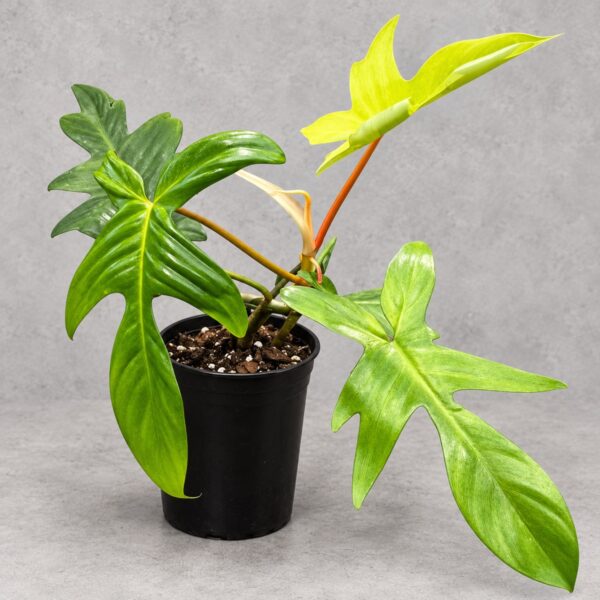
Philodendron 'Florida Ghost'
Philodendron 'Florida Ghost'
from HK$118.00
In stock · store pickup
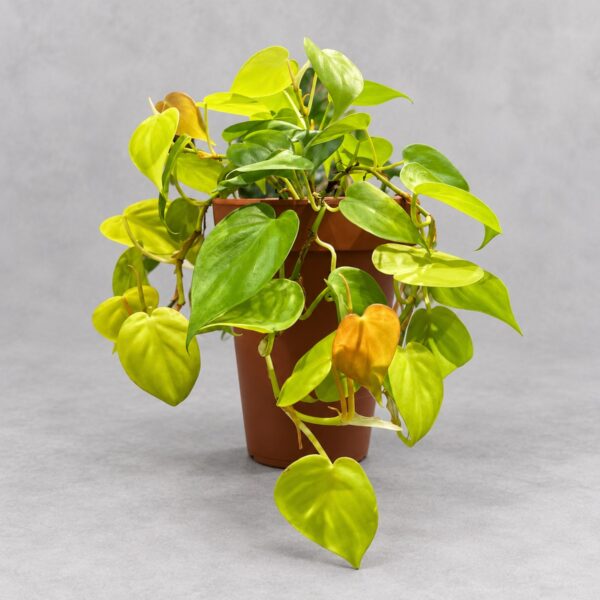
View plantPhilodendron hederaceum 'Lemon Lime'
Philodendron hederaceum 'Lemon Lime'
HK$198.00
In stock · store pickup
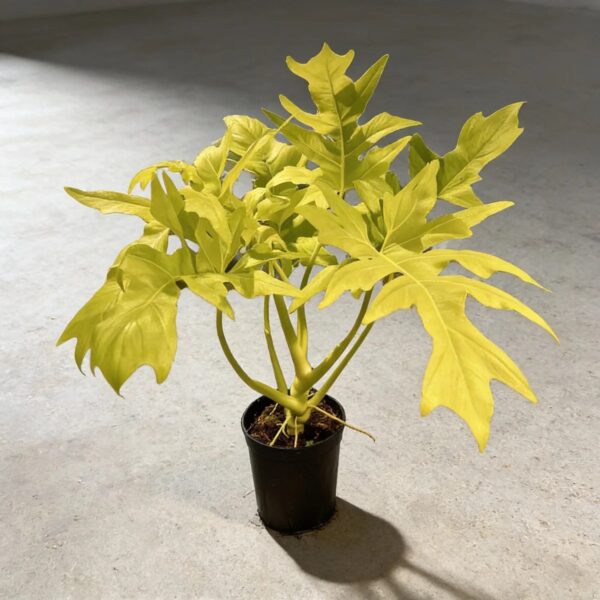
View plantPhilodendron warscewiczii 'Aurea Flavum'
Philodendron warscewiczii 'Aurea Flavum'
HK$298.00
In stock · store pickup
View plant
FREE PLANT ADVICE
Send us a photo before you change anything
WhatsApp a photo of the plant and your window light. Our Causeway Bay team will suggest care steps or plants that suit your space.
STORE · CAUSEWAY BAY
4/F, 39 Yiu Wa Street, Causeway Bay
Daily 12:30–8:00pm · ~3 min walk from Times Square
Map & directionsPlant Care