
How to Care for Philodendron Hederaceum Variegata in Hong Kong | Plantjai

Hong Kong care guide for Philodendron Hederaceum Variegata.
This naturally variegated form of the heartleaf Philodendron features heart-shaped leaves dotted with cream-white to golden-yellow patterning — every leaf's variegation pattern is one-of-a-kind, making it the best-val…
Origin & characteristics
- Native range: the plain species, Philodendron hederaceum, is widely distributed across the tropical rainforest of Central to northern South America, including Mexico and Brazil; 'Variegata' is a stable variegated cultivar bred horticulturally
- Growth habit: a fast-growing climbing vine, with vines reaching over 2 metres; suitable for trailing, climbing, or water propagation
- Leaf characteristics:
- Classic heart-shaped leaves, thick and glossy
- Variegation appears as cream-white, ivory-white, or pale yellow, randomly distributed across the green leaf surface
- Every new leaf's variegation pattern differs, full of surprises
- Mature leaves reach 15-20 cm (larger with climbing support)
- Growth rate: fast, great for building beginner confidence
- Mature size: trailing length can reach 2-3 metres; leaves enlarge when given climbing support
- Toxicity warning: ⚠️ all Philodendron species contain calcium oxalate crystals throughout the plant and are toxic — never ingest. Sap contact may cause skin irritation; wearing gloves when handling is recommended, and it should be kept out of reach of children and pets
Light
| Item | Recommendation |
|---|---|
| Ideal light | Bright indirect light, roughly 600-1200 foot-candles |
| Placement | Near an east-facing window, a bright indoor spot, or 1.5-2 metres from a south-facing window |
| Avoid | Intense direct sun, which scorches the white variegated portions (white tissue lacks chlorophyll and is especially delicate) |
| Signs of insufficient light | Variegation fades, new leaves revert to plain green (reversion), vines stretch and become sparse |
💡 Plantjai tip: variegated plants need more light than plain green cultivars to maintain the vividness of their white portions, since white tissue lacks chlorophyll and can't photosynthesise. But at the same time, white portions are also most prone to sunburn, so "bright indirect light" is the best balance. If the white portions start browning, that's too much light; if new leaves turn fully green, that's too little.
Watering
| Item | Recommendation |
|---|---|
| Frequency | Water thoroughly once the top 2-3 cm of soil dries out, roughly every 5-8 days |
| Method | Water around the rim until it drains from the base holes, empty tray runoff after 30 minutes |
| Water quality | Room-temperature tap water left standing, filtered water, or rainwater |
| Avoid | Prolonged standing water leading to root rot; overly dry soil causes leaves to go soft and droop |
💡 Plantjai tip: this variegated heartleaf Philodendron is slightly more delicate than the plain species, since the variegated portions grow more slowly. Check soil moisture before watering — better slightly dry than overwatered. Increase watering frequency in hot summer weather, reduce in winter. If leaves droop slightly, they usually recover within 24 hours of watering.
Soil & pot
Recommended substrate recipe
| Material | Ratio | Function |
|---|---|---|
| Quality potting soil / peat soil | 50% | Provides base nutrients and moisture retention |
| Perlite | 25% | Improves aeration and drainage |
| Coco coir | 15% | Balances moisture retention and aeration |
| Bark (fine to medium grade) | 10% | Increases substrate looseness |
Pot choice
- Material: terracotta or plastic pots both work; plastic retains moisture better, suitable for beginners
- Size: initially choose a 12-15 cm diameter pot, upgrading gradually as it fills out
- Drainage: drainage holes are essential
- Repotting timing: repot once every spring, or when roots emerge from the drainage holes
Growing method suggestions
| Method | Description |
|---|---|
| Trailing | Place in a hanging pot to trail naturally, creating a cascading effect — ideal for home decor |
| Climbing | Provide a sphagnum or coco coir pole; leaves enlarge with climbing support |
| Water propagation | Cut a stem and root it in water — suitable for desk display |
Temperature & humidity
| Item | Ideal range | Minimum tolerance |
|---|---|---|
| Temperature | 18-27°C | 12°C (growth slows below 15°C long-term) |
| Humidity | 50-70% | 40% (adaptable — typical household humidity works fine) |
Ways to increase humidity
- Use a humidifier
- Group plants together
- Humidity tray (a tray lined with damp pebbles)
- Occasionally mist the surrounding air (avoid misting directly onto leaves, to prevent water spotting on white portions)
⚠️ Note: this variegated heartleaf Philodendron is adaptable and relatively easy-going among variegated plants, generally tolerating typical Hong Kong household conditions (summer AC, winter dryness), but avoid direct AC or heater airflow.
Common problems
| Issue | Likely cause | What to do |
|---|---|---|
| White variegation turning brown | Sunburn from strong direct light | Move away from direct light, trim off severely damaged leaves |
| New leaves reverting to plain green | Insufficient light causing reversion | Move to a brighter position, let the plant rebuild energy to produce variegated leaves again |
| Leaves going soft and drooping | Underwatering / root rot | Check soil moisture; water if too dry, repot and trim roots if root rot |
| Vines becoming long and sparse | Legginess from insufficient light | Increase light; pruning the tip can promote branching |
| Brown spots on leaf surface | Cold damage / fungal infection | Move away from cold drafts; improve ventilation; use fungicide if severe |
| Fully variegated (all-white) growth continues | Excessive variegation lacking chlorophyll | All-white sections will eventually wither since they can't photosynthesise — trim back to a green-and-white node |
How to explain to customers
"This variegated heartleaf Philodendron is a hugely popular variegated plant — the heart-shaped leaves have white and green patterns interwoven, and every leaf is different, like a natural work of art. It grows fast, making it a great pick for beginners wanting to try variegated plants. You can hang it near a window and let it trail down, or give it a pole to climb — the leaves get much bigger once it climbs. Remember, the white portions can't take direct sun — keep it somewhere bright but without direct light. Let the soil dry out a bit before watering again, and don't drown the roots. Feel free to WhatsApp us at Plantjai anytime with questions!"
Fun facts
- The "reversion" phenomenon: variegated plants produce fully green leaves when light is insufficient, to boost photosynthetic efficiency — a survival strategy for the plant, but "reversion" from a horticultural hobbyist's perspective! Increasing light can encourage new leaves to become variegated again
- The heartleaf family: Philodendron hederaceum is one of the most popular species in the genus Philodendron, commonly known as "Heartleaf Philodendron" or "Sweetheart Plant," and one of the most popular houseplants worldwide
- Water propagation ability: this variegated heartleaf Philodendron propagates exceptionally well in water — just cut a stem and place it in water to root, making it an excellent choice for a desk plant
- Air purification: according to NASA research, the plain heartleaf Philodendron can remove indoor formaldehyde and other volatile organic compounds; variegated cultivars have lower photosynthetic efficiency but still offer some air-purifying benefit
- Variegation stability: compared to other variegated cultivars that easily "revert" to plain green, this variegated heartleaf Philodendron's variegation is relatively stable — as long as light is sufficient, it typically continues producing variegated new leaves
Keywords
Philodendron, Philodendron hederaceum, variegated heartleaf Philodendron, variegated plant, heart-shaped leaf, foliage plant, trailing plant, climbing plant, water propagation plant, entry-level variegated plant, beginner-friendly, indoor plant, air purification, tropical plant, Plantjai, white variegation, green and white, hanging pot plant, heartleaf Philodendron, toxic plant
參考資料(想知來源可展開)
References
- Royal Botanic Gardens, Kew — Plants of the World Online: Philodendron hederaceum, https://powo.science.kew.org/
- ASPCA — Toxic and Non-Toxic Plant List, https://www.aspca.org/pet-care/animal-poison-control/toxic-and-non-toxic-plants
⚠️ Contains calcium oxalate crystals; toxic to humans and pets if ingested. Keep out of reach of children and pets.
Plantjai · Causeway Bay collector indoor plants · WhatsApp +852 66807550
For Hong Kong homes and offices. Stock and pricing follow the product page.
IN STORE NOW
Plants for this guide
Related plants in stock now — live prices, delivery or Causeway Bay pickup.
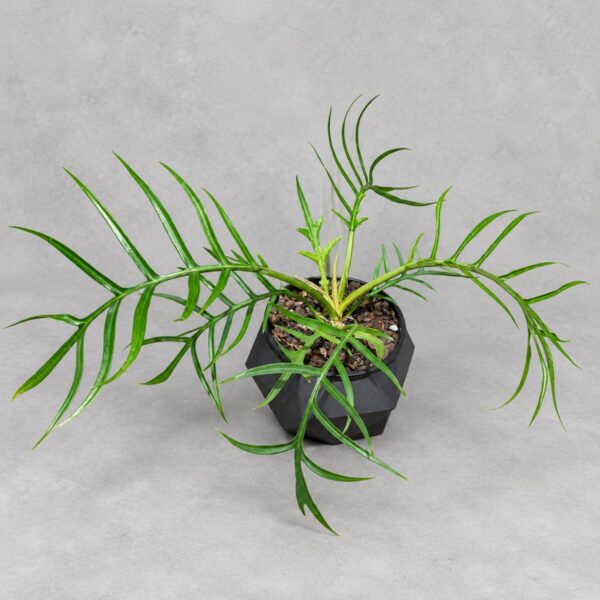
Philodendron 'Florida Ghost'
Philodendron 'Florida Ghost'
from HK$118.00
In stock · store pickup
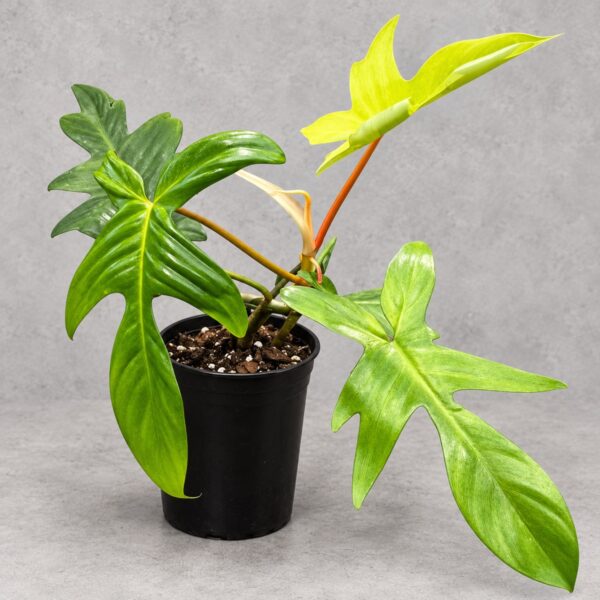
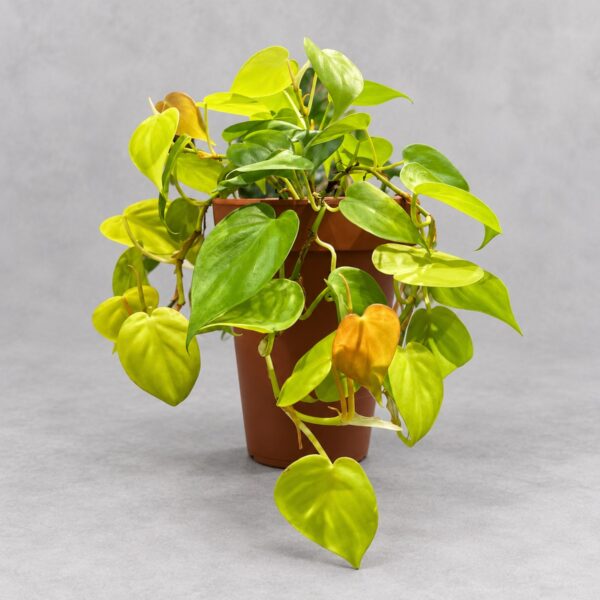
View plantPhilodendron hederaceum 'Lemon Lime'
Philodendron hederaceum 'Lemon Lime'
HK$198.00
In stock · store pickup
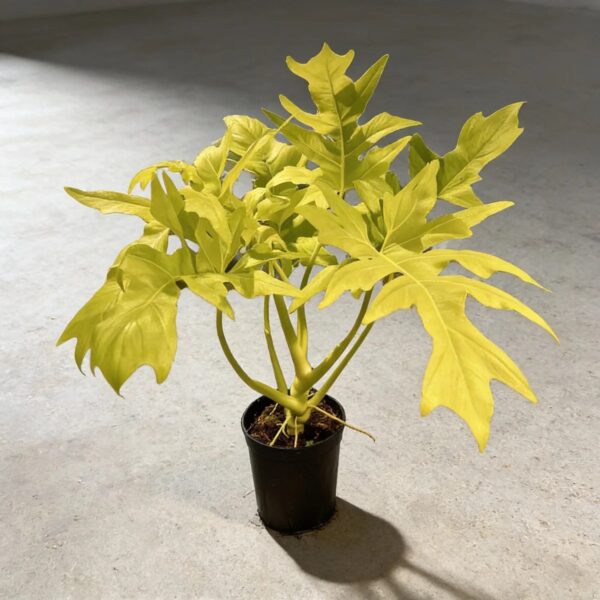
View plantPhilodendron warscewiczii 'Aurea Flavum'
Philodendron warscewiczii 'Aurea Flavum'
HK$298.00
In stock · store pickup
View plant
FREE PLANT ADVICE
Send us a photo before you change anything
WhatsApp a photo of the plant and your window light. Our Causeway Bay team will suggest care steps or plants that suit your space.
STORE · CAUSEWAY BAY
4/F, 39 Yiu Wa Street, Causeway Bay
Daily 12:30–8:00pm · ~3 min walk from Times Square
Map & directionsPlant Care