
How to Care for Philodendron Gigas in Hong Kong | Plantjai

Hong Kong care guide for Philodendron Gigas.
Philodendron gigas has the most breathtaking velvety leaf surface in the entire genus — mature leaves can reach over 60 cm, deep olive-green to bronze-green in colour, soft as velvet to the touch, with a leaf shape as…
Origin & characteristics
- Native range: the tropical rainforest of Panama, an endemic species to the region
- Growth habit: a climbing vine, able to climb several metres up trees in the wild
- Leaf characteristics:
- Juvenile leaves are long-oval, gradually broadening into an oyster-shell shape as they mature
- The leaf surface is covered in dense fine hairs, creating a distinctive velvet texture
- Mature leaves are deep olive-green with a metallic sheen, while new leaves lean towards a reddish-copper colour
- Sunken veins create an intensely three-dimensional leaf texture
- Growth rate: moderately slow, but a healthy plant can produce a new leaf every 4-6 weeks
- Mature size: leaves can reach 40-60 cm in a potted environment, potentially even larger in a greenhouse setting
- Toxicity warning: ⚠️ all Philodendron species contain calcium oxalate crystals throughout the plant and are toxic — never ingest. Sap contact may cause skin irritation; wearing gloves when handling is recommended, and it should be kept out of reach of children and pets
Light
| Item | Recommendation |
|---|---|
| Ideal light | Bright indirect light, roughly 800-1500 foot-candles |
| Placement | 1-2 metres from an east- or north-facing window, or a south-facing window filtered by a sheer curtain |
| Avoid | Harsh midday direct sun, which scorches the velvety leaf surface and causes irreversible brown spotting |
| Signs of insufficient light | New leaves become smaller, petioles stretch (legginess), leaf colour fades and loses its sheen |
💡 Plantjai tip: velvety Philodendron species are generally more shade-tolerant than glossy-leaved species, but for the best deep leaf colour and healthy growth, stable bright indirect light is recommended. If using a grow light, position it 30-50 cm away for 10-12 hours daily.
Watering
| Item | Recommendation |
|---|---|
| Frequency | Water thoroughly once the top 2-3 cm of soil dries out, roughly every 7-10 days |
| Method | Water slowly around the rim until it drains from the base holes, emptying tray runoff after 30 minutes |
| Water quality | Room-temperature tap water left standing overnight, filtered water, or rainwater all work |
| Avoid | Prolonged standing water leading to root rot; avoid getting the velvety leaf surface wet frequently to prevent water spotting |
💡 Plantjai tip: Philodendron gigas's root system prefers a lightly moist but breathable environment — better slightly dry than overwatered. When growth slows in winter, watering can be extended to every 10-14 days. Inserting a finger 2-3 cm into the soil to test moisture is the most accurate method.
Soil & pot
Recommended substrate recipe
| Material | Ratio | Function |
|---|---|---|
| Quality potting soil / peat soil | 40% | Provides base nutrients and moisture retention |
| Perlite | 25% | Improves aeration and drainage |
| Bark (medium grade) | 20% | Mimics epiphytic conditions, prevents soil compaction |
| Coco coir / coco fibre | 15% | Balances moisture retention and aeration |
Pot choice
- Material: terracotta pots (best breathability), plastic pots (retain moisture better, watch drainage)
- Size: choose a pot just one size larger than the root ball — oversized pots easily lead to standing water and root rot
- Drainage: drainage holes are essential; a layer of clay pellets or volcanic rock can be added at the base as a drainage layer
- Repotting timing: repot once every 1-2 years in spring, or when roots emerge from the drainage holes
💡 Plantjai tip: Philodendron gigas has a fairly robust root system that needs a well-breathable substrate. If you notice the soil staying wet for a long time after watering, it means the substrate is too dense and should be replaced soon.
Temperature & humidity
| Item | Ideal range | Minimum tolerance |
|---|---|---|
| Temperature | 20-28°C | 15°C (growth stalls below 15°C) |
| Humidity | 60-85% | 50% (leaf tips easily scorch below 50%) |
Ways to increase humidity
- Use a humidifier (the most stable and effective option)
- Group plants together to create a humid microclimate
- Place on a tray lined with damp pebbles (ensure the pot base doesn't touch standing water)
- Avoid misting directly onto the velvety leaf surface
⚠️ Note: Hong Kong's hot, humid summer is generally fine, but humidity drops sharply when running heating in winter — pay special attention. Below 12°C may cause cold damage, with water-soaked brown spots appearing on leaves.
Common problems
| Symptom | Likely cause | What to do |
|---|---|---|
| Crispy, yellowing leaf tips | Air too dry / water too hard / fertiliser damage | Raise humidity above 65%; switch to filtered water; reduce fertiliser concentration |
| Small, weak new leaves | Insufficient light / lack of nutrients | Move to a brighter position; begin regular fertilising in spring |
| Drooping, soft leaves | Underwatering / root rot | Check soil moisture; check root health if too wet |
| Water-spotted marks on the velvety surface | Leaf surface frequently getting wet / poor ventilation | Avoid misting the leaves; improve air circulation |
| Growth stalled | Temperature too low / roots have filled the pot | Ensure temperature stays stable above 20°C; consider repotting to a larger pot |
| Brown spots on leaves | Cold damage / sunburn / fungal infection | Move away from cold drafts or strong light; remove diseased leaves and improve ventilation |
Feeding recommendations
- Growing season (spring to autumn): apply diluted balanced liquid fertiliser (NPK 20-20-20 or a foliage plant formula) every 2-3 weeks, diluted to half strength
- Winter: reduce to once a month or pause entirely
- Preference: a quality liquid fertiliser containing trace elements; occasional organic seaweed fertiliser can promote root health
How to explain to customers
"Philodendron gigas is the pinnacle of the Philodendron world — its leaves are so big your whole hand couldn't cover one, and the entire leaf has a layer of fine hairs that feel just like velvet, with an incredible texture. It's native to the rainforest of Panama, so it likes warm, humid conditions with bright indirect light — remember, never let it sit in direct sun, as the velvety leaf surface scorches very easily. For watering, let the topsoil dry out a bit before watering again — better a bit dry than drowning the roots. This plant grows at a moderate pace, but every new leaf that unfurls will give you a real sense of accomplishment. Just note the whole plant is toxic, so keep it away from young children and pets. Feel free to WhatsApp us at Plantjai anytime with questions!"
Fun facts
- The meaning of "Gigas": the species epithet "gigas" comes from Greek, meaning "giant," aptly describing its enormous leaf size.
- The function of the velvety texture: the leaf's velvety texture is actually an evolutionary adaptation, helping to shed excess water in the humid rainforest environment while also reducing damage from strong sun exposure.
- A top-tier collectible: Philodendron gigas is hailed among foliage plant collectors as one of the "Top 3 must-have velvet Philodendrons," alongside Philodendron gloriosum and Philodendron melanochrysum.
- Wild conservation status: due to its narrow native range and habitat destruction, wild populations of Philodendron gigas face threats, making cultivated propagation and sustainable growing important for its conservation.
- A natural climbing instinct: although commonly grown as a standalone potted plant, providing a sphagnum pole for it to climb noticeably promotes larger, more mature leaves.
Keywords
Philodendron, Philodendron gigas, velvety Philodendron, foliage plant, collector's plant, rare plant, tropical plant, velvet leaf, climbing plant, rainforest plant, Plantjai, indoor plant, air purification, advanced-beginner, advanced foliage plant, toxic plant, velvety leaf surface, large foliage plant, deep green plant
參考資料(想知來源可展開)
References
- Royal Botanic Gardens, Kew — Plants of the World Online: Philodendron gigas, https://powo.science.kew.org/
- ASPCA — Toxic and Non-Toxic Plant List, https://www.aspca.org/pet-care/animal-poison-control/toxic-and-non-toxic-plants
⚠️ Contains calcium oxalate crystals; toxic to humans and pets if ingested. Sap may cause skin irritation. Keep out of reach of children and pets.
Plantjai · Causeway Bay collector indoor plants · WhatsApp +852 66807550
For Hong Kong homes and offices. Stock and pricing follow the product page.
IN STORE NOW
Plants for this guide
Related plants in stock now — live prices, delivery or Causeway Bay pickup.
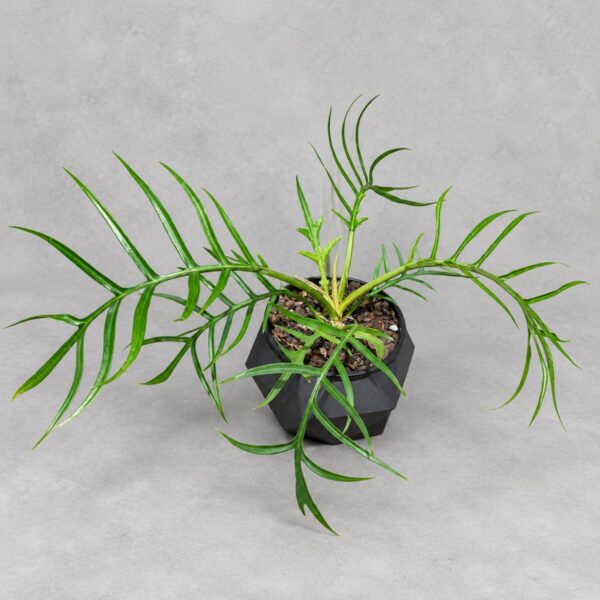
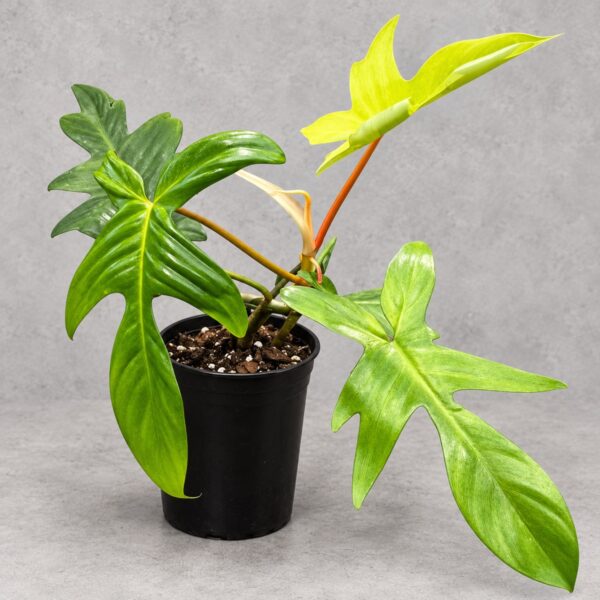
Philodendron 'Florida Ghost'
Philodendron 'Florida Ghost'
from HK$118.00
In stock · store pickup
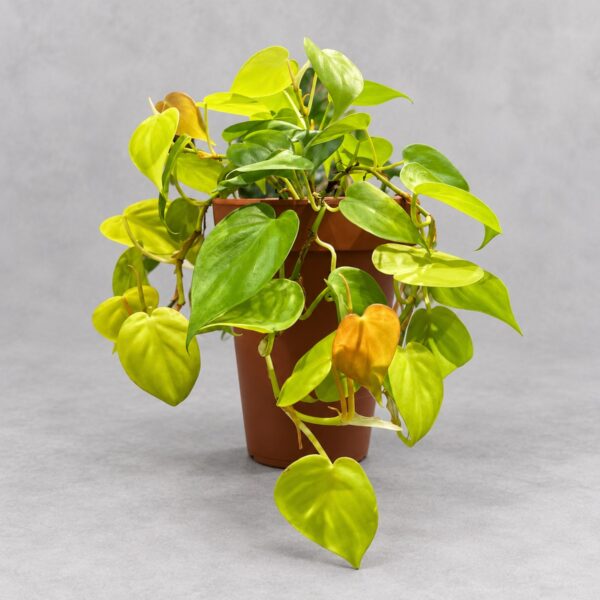
View plantPhilodendron hederaceum 'Lemon Lime'
Philodendron hederaceum 'Lemon Lime'
HK$198.00
In stock · store pickup
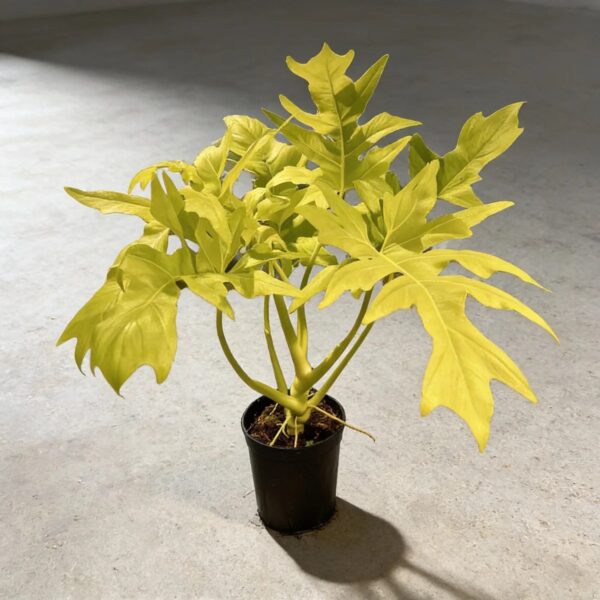
View plantPhilodendron warscewiczii 'Aurea Flavum'
Philodendron warscewiczii 'Aurea Flavum'
HK$298.00
In stock · store pickup
View plant
FREE PLANT ADVICE
Send us a photo before you change anything
WhatsApp a photo of the plant and your window light. Our Causeway Bay team will suggest care steps or plants that suit your space.
STORE · CAUSEWAY BAY
4/F, 39 Yiu Wa Street, Causeway Bay
Daily 12:30–8:00pm · ~3 min walk from Times Square
Map & directionsPlant Care