
How to Care for Philodendron Florida Ghost in Hong Kong | Plantjai

Plantjai 植仔 · Care Encyclopedia
Philodendron Florida Ghost
Philodendron 'Florida Ghost' 佛羅里達幽靈蔓綠絨
Hong Kong care guide — useful before you buy and after it arrives.
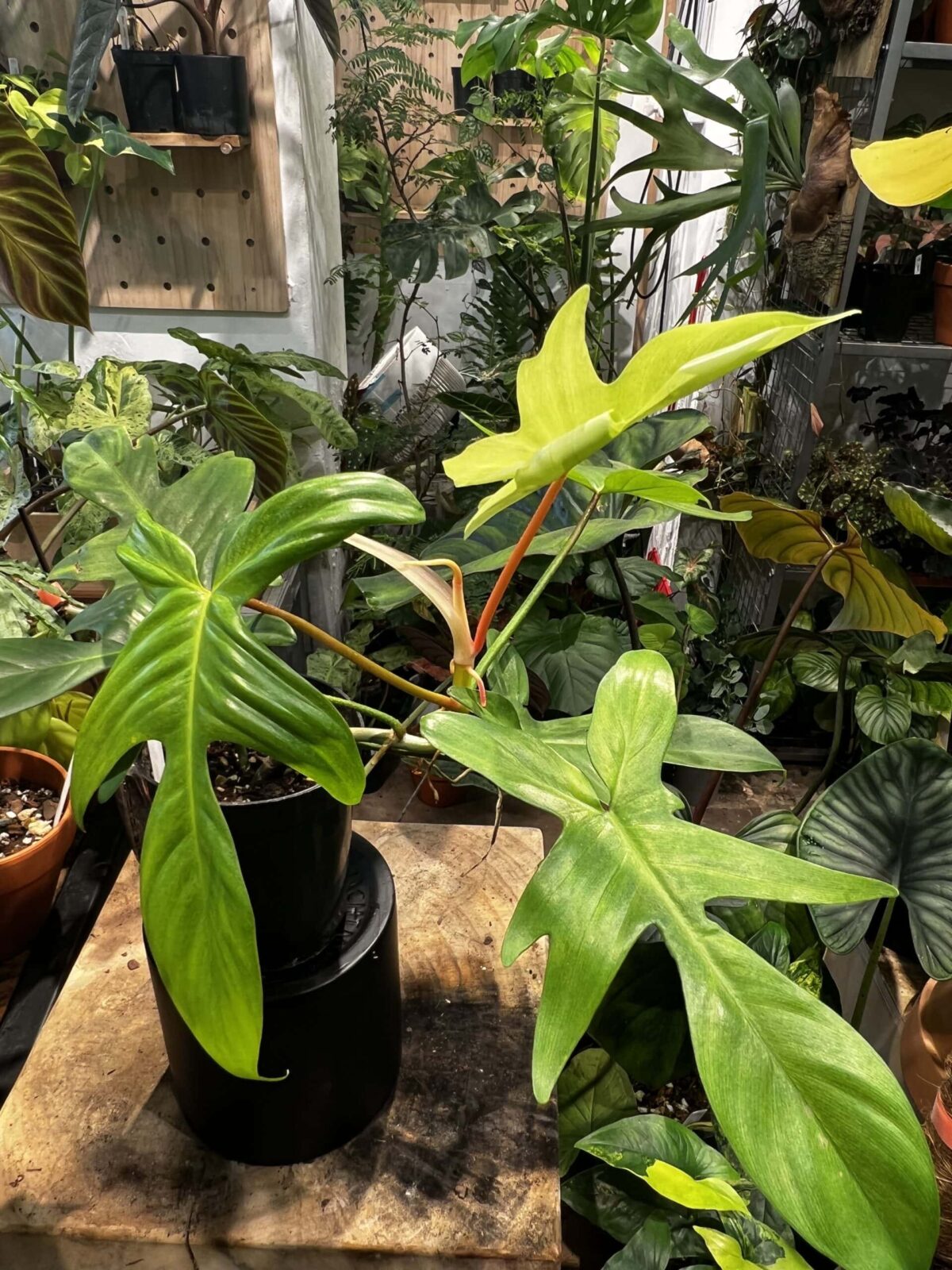
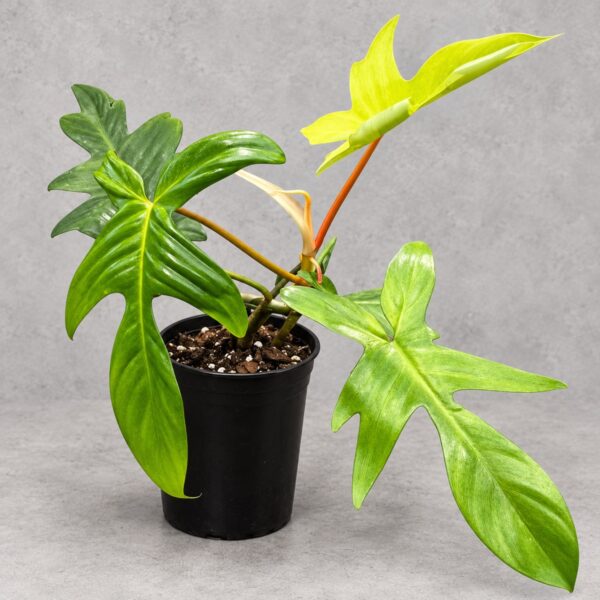
Shop this plantNew leaves emerge in dreamy pure white, gradually transitioning to apple-green and finally deep green — a mature plant displays multiple leaf shades at once, as if the four seasons were captured within a single plant.
Origin & characteristics
Background: like Florida Beauty, Florida Ghost is a special colour variant of Philodendron 'Florida', a horticultural cultivar rather than a wild species. Its exact breeding history is somewhat obscure, but it's generally believed to have originated from selective breeding by horticulturists in Florida, USA.
Growth characteristics:
- A climbing Philodendron, requiring a sphagnum pole or climbing frame for support
- Leaves have an ostrich-foot split shape, the same as the rest of the Florida series
- Its biggest feature is that new leaves emerge snow-white to milky-white, gradually turning pale green, then grass-green, and finally deep green over time
- A mature plant can display white, pale green, and deep green leaves simultaneously, creating rich visual layers
- The stem carries red bristles (a shared trait across the Florida series)
- Mature leaves can reach 25-35 cm
- Growth rate is moderate to slightly slow
Important note: white new leaves are quite sensitive to strong light and need appropriate shading to avoid sunburn.
Light
| Item | Recommendation |
|---|---|
| Ideal light | Bright indirect light (1,000-2,000 lux) |
| Placement | An east-facing windowsill is best; a north-facing window or a south-facing window filtered by a sheer curtain also works |
| Avoid | Harsh direct sun, especially during the white new-leaf stage, which scorches very easily |
| Signs of insufficient light | New leaves aren't white enough, emerging greenish directly; leaves become thinner |
| Tip | Ample light makes the "ghost effect" more pronounced, but white leaves must avoid direct sun |
Watering
| Item | Recommendation |
|---|---|
| Frequency | Water once the top 2-3 cm of soil dries out, roughly every 7-10 days |
| Method | Water slowly around the rim until it drains from the base |
| Water quality | Room-temperature tap water left standing, filtered water, or rainwater |
| Seasonal adjustment | Slightly more frequent in spring/summer; reduce in autumn/winter dormancy |
| Standing water warning | Empty tray runoff to strictly prevent root rot |
| Humidity preference | 60% or above — high humidity helps white new leaves unfurl smoothly |
Soil & pot
Soil recipe:
- An extremely loose and breathable medium:
- Peat soil or coco coir 30% + perlite 30% + bark 25% + charcoal 10% + sphagnum moss 5%
- Or use a ready-made aroid-specific soil mix
Pot choice:
- Terracotta or breathable plastic pots
- Drainage holes are essential
- Choose a pot with enough depth to accommodate a sphagnum pole
Sphagnum pole:
- Setting up a sphagnum pole is strongly recommended
- Leaves become noticeably larger once climbing, making the ghost effect even more striking
- Keep the pole moist, and aerial roots will naturally attach
- The pole also helps maintain local humidity
Repotting timing:
- Roughly once every 1-2 years
- Spring (March-May) is the best repotting time
Temperature & humidity
| Item | Ideal range | Notes |
|---|---|---|
| Temperature | 18-28°C | Not below 15°C at minimum |
| Humidity | 60-80% | High humidity is important for white new leaves to unfurl properly |
| Winter care | Keep away from AC vents and drafty windows | Reduce watering frequency in winter |
| Humidification methods | Humidifier, humidity tray, grouping with other plants | Avoid misting directly onto leaves |
Common problems
Q1: New leaves aren't white — they're coming in green?
This may be due to insufficient light or an immature plant. Seedling-stage new leaves may lean green, becoming increasingly white as the plant matures. Moving to a brighter position (while still avoiding direct sun) helps improve this.
Q2: White leaves developing brown spots or scorched edges?
White leaves scorch very easily. Check whether direct light is reaching them, and if necessary, move to a more shaded position or filter light with a sheer curtain.
Q3: New leaves unfurling incompletely or torn?
Insufficient humidity is the main cause. Increase ambient humidity and keep the sphagnum pole moist. Avoid touching or moving the plant while new leaves are unfurling.
Q4: What's the difference from Florida Beauty?
Florida Beauty has variegation (green-and-white patterning), while Florida Ghost has entire new leaves emerging white, which then turn entirely green — with no patterning at all. The two are different colour expressions.
Q5: Why is it called "Ghost"?
Because the white new leaves seem to float among the green leaves, as light and ethereal as a ghost — this poetic name perfectly captures its visual effect.
How to explain to customers
"Florida Ghost's best feature is how its new leaves emerge snow-white, then gradually turn pale green, and finally deep green — a mature plant will show white, pale green, and deep green leaves all at once, with beautiful visual layering, almost like seeing all four seasons on a single plant. It's different from Florida Beauty — Beauty has patterning, while Ghost is a whole-leaf colour transition. Remember to give it a sphagnum pole to climb, and keep the white new leaves out of direct sun, or they'll scorch easily. Higher humidity helps new leaves unfurl more beautifully."
Fun facts
- The ghost phenomenon: Florida Ghost's "white new leaf" phenomenon is actually a temporary lack of chlorophyll (an achlorophyllous juvenile stage) — as the leaf matures, chlorophyll gradually synthesises and the colour deepens accordingly
- A translucent moment: the white new leaves sometimes take on a subtly translucent quality under light, as warm and lustrous as jade — one of Florida Ghost's most captivating moments
- Multiple colours at once: a mature Florida Ghost can simultaneously display white, cream, pale green, and deep green leaves, creating an incredibly rich visual effect
- Easier to start than Beauty: compared to the demanding variegation maintenance of Florida Beauty, Florida Ghost is somewhat more forgiving about light requirements, making it a more suitable choice for those newer to advanced Philodendron collecting
- The stem's secret code: the red bristle stem isn't just attractive — it also helps the plant grip tree bark while climbing in its rainforest habitat, a mark of evolutionary ingenuity
Keywords
Philodendron, Philodendron Florida Ghost, white new leaf, colour-transitioning leaf, ghost Philodendron, climbing type, sphagnum pole, foliage plant, tropical plant, indoor plant, Plantjai, collector's plant, Florida series, horticultural cultivar
參考資料(想知來源可展開)
References
- Royal Botanic Gardens, Kew — Plants of the World Online: genus Philodendron, https://powo.science.kew.org/
- ASPCA — Toxic and Non-Toxic Plant List, https://www.aspca.org/pet-care/animal-poison-control/toxic-and-non-toxic-plants
⚠️ Contains calcium oxalate crystals; ingestion may cause mouth irritation, swelling, or discomfort. Keep out of reach of children and pets.
Plantjai · Causeway Bay collector indoor plants · WhatsApp +852 66807550
Plantjai shop · In stock online
Philodendron 'Florida Ghost'
Philodendron 'Florida Ghost'
from HK$118.00
Hong Kong delivery · Causeway Bay pickup
For Hong Kong homes and offices. Stock and pricing follow the product page.
IN STORE NOW
Plants for this guide
Related plants in stock now — live prices, delivery or Causeway Bay pickup.
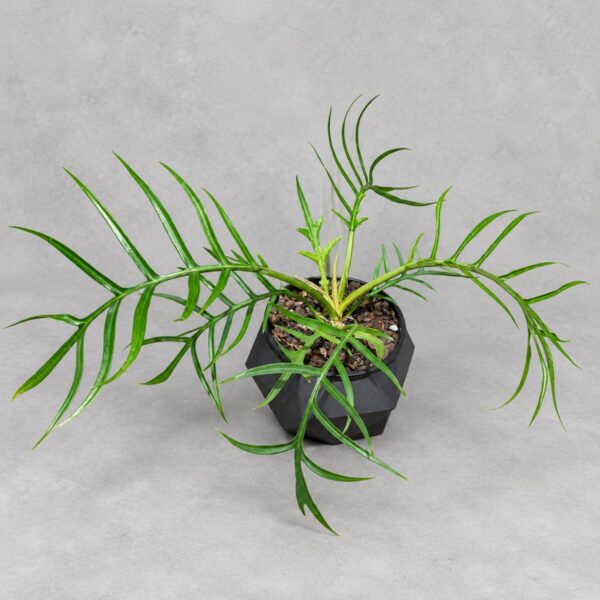
Philodendron 'Florida Ghost'
Philodendron 'Florida Ghost'
from HK$118.00
In stock · store pickup
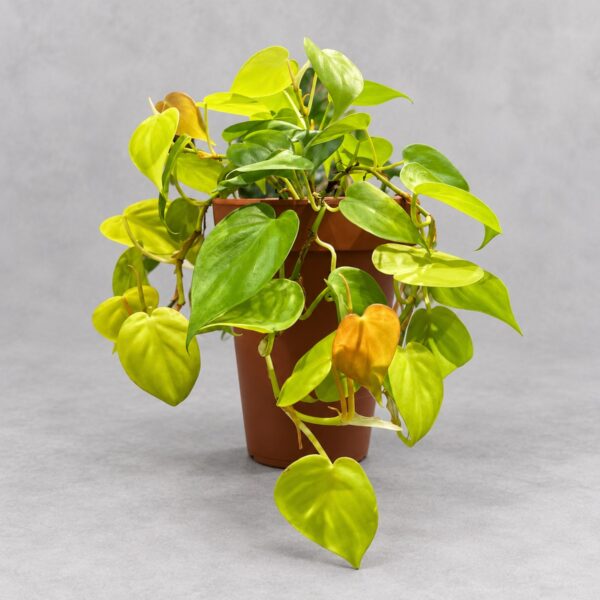
View plantPhilodendron hederaceum 'Lemon Lime'
Philodendron hederaceum 'Lemon Lime'
HK$198.00
In stock · store pickup
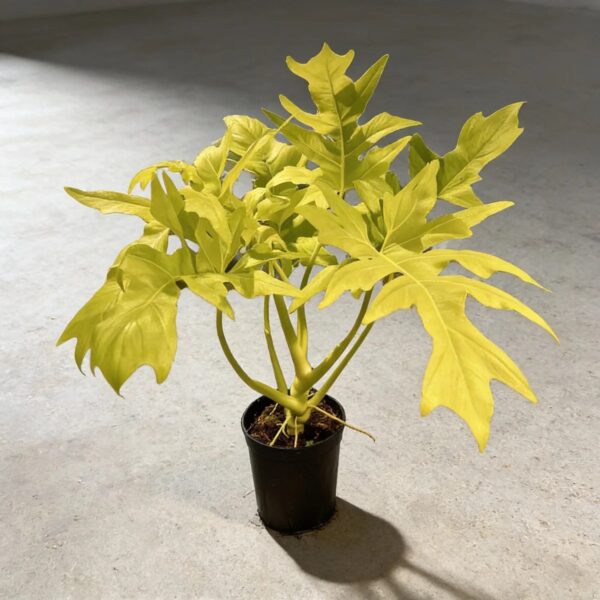
View plantPhilodendron warscewiczii 'Aurea Flavum'
Philodendron warscewiczii 'Aurea Flavum'
HK$298.00
In stock · store pickup
View plant
FREE PLANT ADVICE
Send us a photo before you change anything
WhatsApp a photo of the plant and your window light. Our Causeway Bay team will suggest care steps or plants that suit your space.
STORE · CAUSEWAY BAY
4/F, 39 Yiu Wa Street, Causeway Bay
Daily 12:30–8:00pm · ~3 min walk from Times Square
Map & directionsPlant Care