
Plant Care

How to Care for Philodendron Esmeraldense in Hong Kong | Plantjai

Philodendron Esmeraldense PE蔓綠絨

Plantjai 植仔 · Care Encyclopedia

Philodendron Esmeraldense

Philodendron Esmeraldense PE蔓綠絨

Hong Kong care guide — useful before you buy and after it arrives.

Shop this plant

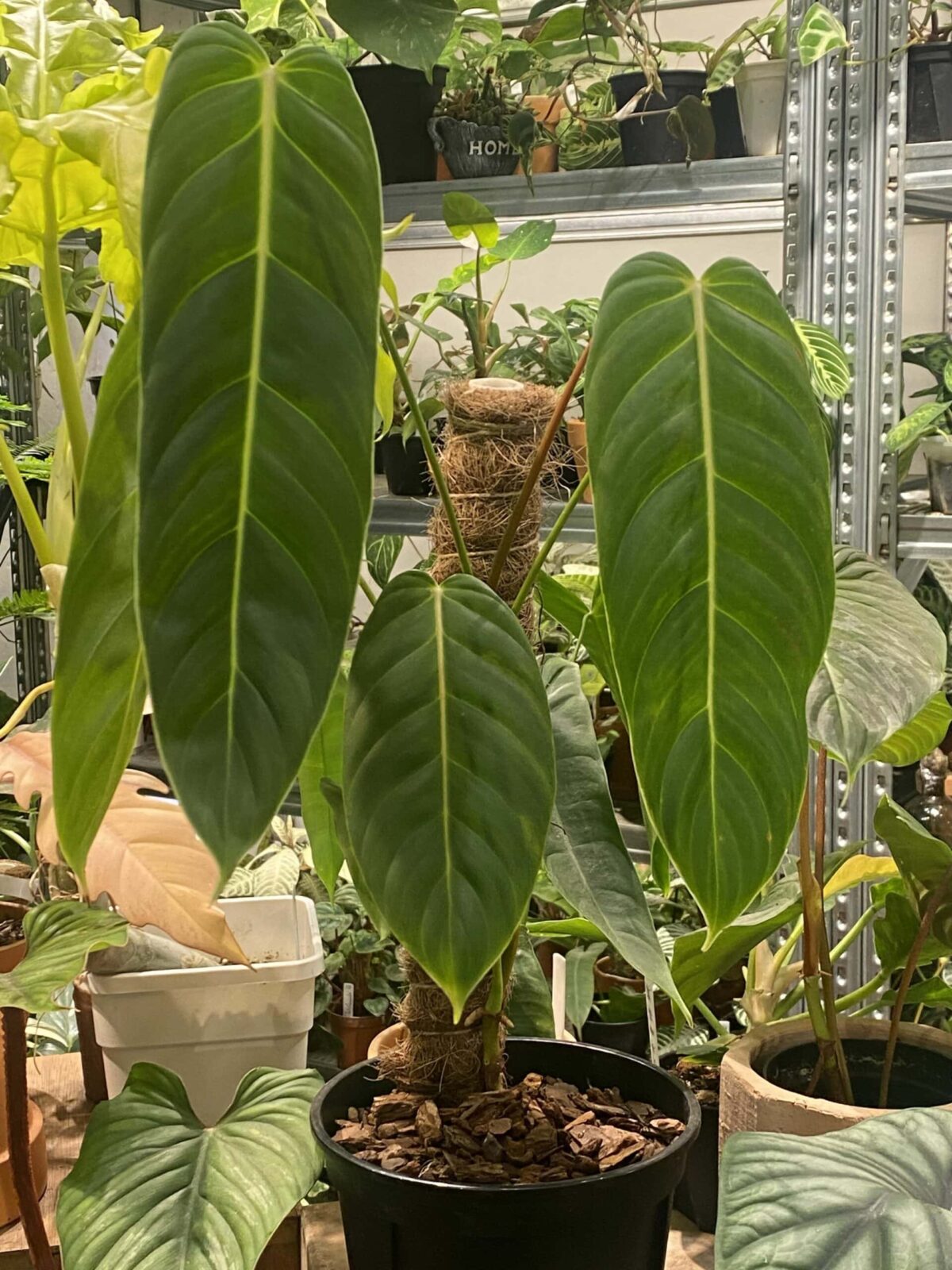
Thick, velvety leaves with a distinctive, elegant shape — a dream cultivar with real recognisability among collector-grade Philodendron species, instantly elevating the taste level of any plant collection.

LightThe PE Philodendron loves bright indirect light, with an east- or north-facing windowsill being the ideal placement, receiving gentle morning light or indirect daylight.
WateringThe PE Philodendron likes consistently lightly moist but never waterlogged conditions — its velvety leaves are relatively drought-tolerant, but still need a stable water supply.
SoilThe PE Philodendron needs a well-draining, breathable, organic-rich medium, mimicking the loose forest floor of its native habitat.
ClimateTemperature: – Optimal growing temperature: 20°C – 28°C – Minimum tolerance: 15°C (growth stalls below this) – Keep room temperature above 16°C in winter, avoiding direct AC airflow or windowsills with large daytime t…

Botanical name pending confirmation

Origin & characteristics

Philodendron esmeraldense (nicknamed "PE Philodendron" in horticultural circles) is native to the tropical rainforest of Ecuador in South America, growing in the higher-altitude cloud forest zone. This species is scarcely documented in academic literature, and its botanical classification remains to be further confirmed, with the horticultural market largely trading it under its common name.

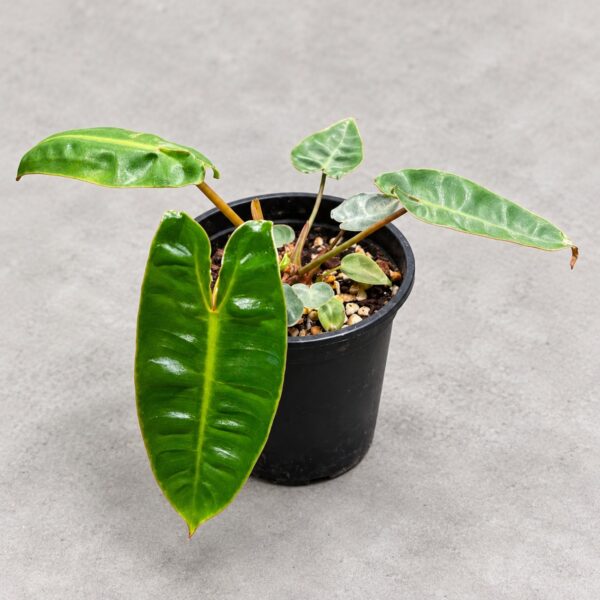
The PE Philodendron is a climbing species, with mature leaves long-oval in shape, a thick velvety texture on the leaf surface, deep, rich green colouring, and clear, three-dimensional venation. The difference between juvenile and mature leaf forms is quite pronounced — leaves become broader and thicker as the plant matures. As a semi-epiphyte, it climbs tree trunks upward in the wild; indoor cultivation requires a climbing support to promote proper leaf development.

⚠️ Toxicity warning: all Philodendron species contain calcium oxalate crystals, toxic to humans and pets. Ingestion may cause mouth irritation, drooling, and vomiting. Please keep it out of reach of children and pets.

Light

The PE Philodendron loves bright indirect light, with an east- or north-facing windowsill being the ideal placement, receiving gentle morning light or indirect daylight.

  • 6-8 hours of bright indirect light daily maintains deep green leaf colour and healthy growth
  • Avoid direct midday sun, or the velvety leaf surface will scorch and develop yellow spots
  • Insufficient light causes new leaves to shrink and internodes to stretch (legginess), reducing display value
  • If indoor light is dim, a full-spectrum grow light for 10-12 hours daily is recommended

Watering

The PE Philodendron likes consistently lightly moist but never waterlogged conditions — its velvety leaves are relatively drought-tolerant, but still need a stable water supply.

  • Active spring/summer growth: water thoroughly once the top 2-3 cm of soil dries out, roughly every 5-7 days
  • Slower autumn/winter growth: water once the topsoil is half dry, roughly every 7-10 days
  • Water directly onto the soil, avoiding wetting the leaf surface, to prevent leaf rot or fungal infection
  • Water thoroughly each time, until it drains from the base, ensuring even root absorption
  • Room-temperature tap water left standing, or filtered water, is best

💡 Judging technique: insert a finger about two finger-widths into the soil, and water once it feels slightly dry. Better slightly dry than overwatered.

Soil & pot

The PE Philodendron needs a well-draining, breathable, organic-rich medium, mimicking the loose forest floor of its native habitat.

Recommended soil ratio:

  • Quality peat soil or coco coir: 40%
  • Perlite or pumice: 25%
  • Coco husk chips or pine bark: 25%
  • Charcoal or pumice: 10%

Pot choice:

  • Must have drainage holes; plastic or terracotta pots both work
  • Terracotta pots have better breathability, helping moisture evaporate, suited to humid environments
  • Plastic pots retain moisture better, suited to drier conditions or growers who occasionally forget to water
  • Moderate root growth rate — repot roughly every 1-2 years

Repotting timing:

  • When roots emerge from the base drainage holes
  • When water noticeably drains more slowly after watering (indicating roots have filled the pot)
  • Spring (March-May) is the best repotting period

Temperature & humidity

Temperature:

  • Optimal growing temperature: 20°C – 28°C
  • Minimum tolerance: 15°C (growth stalls below this)
  • Keep room temperature above 16°C in winter, avoiding direct AC airflow or windowsills with large daytime temperature swings
  • Native to high-altitude cloud forest, so it's fairly sensitive to temperature fluctuations

Humidity:

  • Ideal humidity: 60% – 80%
  • Minimum acceptable humidity: 50%
  • Insufficient humidity causes new leaves to unfurl incompletely or leaf tips to become crispy
  • Ways to increase humidity: use a humidifier, place a water tray nearby, group with other plants, mist the surrounding air regularly (avoid spraying directly on the leaves)

Common problems

SymptomLikely causeWhat to do
Yellowing, dropping leavesOverwatering / standing water at the base causing root rotCheck root health, reduce watering frequency, ensure good drainage
Crispy, browning leaf tipsAir too dry / insufficient humidityUse a humidifier, or group plants to raise local humidity
Small new leaves, stretched internodesInsufficient lightMove to a brighter position, or use a grow light
Brown spots on leaf surfaceSunburn from direct sunFilter strong light with a curtain, or move away from direct light
Growth stalledTemperature too low / winter dormancyConfirm room temperature is above 16°C, reduce watering and pause fertilising in winter
Drooping, soft leavesUnderwatering / root issuesCheck soil moisture — water thoroughly if too dry; check for root rot if already moist

How to explain to customers

"This is our PE Philodendron, a collector-grade species with a velvety leaf texture that feels wonderfully soft to the touch — a real statement piece for any home. It needs bright indirect light, avoiding direct sun, since the velvety leaf surface scorches very easily. For watering, let the top couple of centimetres of soil dry out before watering thoroughly, and remember not to get the leaves wet, or they can rot easily. Humidity should be on the higher side, ideally 60-80% — if your home is dry, a humidifier will help. Most importantly, give it a pole to climb — with support, it develops large leaves; without one, the leaves stay small, which would be a real shame. The whole plant is toxic, so please be careful with placement if you have young children or pets."

Fun facts

  1. The mystery of the botanical name: the botanical name Philodendron esmeraldense is scarcely documented in mainstream botanical literature. The name may derive from Ecuador's Esmeraldas province, but this hasn't been formally confirmed — making it an intriguingly "unidentified" species in the horticultural world.
  1. Born of the cloud forest: unlike typical lowland rainforest Philodendron species, the PE Philodendron comes from high-altitude cloud forest, long adapted to cool, humid, misty conditions — which is why it's especially sensitive to dry air.
  1. The secret of the velvety texture: the velvety leaf surface isn't just a visual feature — it also helps condense moisture from the air, a natural adaptation for absorbing humidity in the cloud forest.

Keywords

PE Philodendron, Philodendron esmeraldense, botanical name pending confirmation, collector-grade Philodendron, velvety leaf surface, Ecuadorian cloud forest, climbing Philodendron, bright indirect light, high humidity, well-draining soil, Araceae, toxic Philodendron, advanced cultivar, Plantjai

參考資料(想知來源可展開)

References

  • Royal Botanic Gardens, Kew — Plants of the World Online: genus Philodendron, https://powo.science.kew.org/
  • ASPCA — Toxic and Non-Toxic Plant List, https://www.aspca.org/pet-care/animal-poison-control/toxic-and-non-toxic-plants

⚠️ Contains calcium oxalate crystals; toxic to humans and pets if ingested. Keep out of reach of children and pets.


Plantjai · Causeway Bay collector indoor plants · WhatsApp +852 66807550

For Hong Kong homes and offices. Stock and pricing follow the product page.