
How to Care for Philodendron Billietiae Variegata in Hong Kong | Plantjai

Hong Kong care guide for Philodendron Billietiae Variegata.
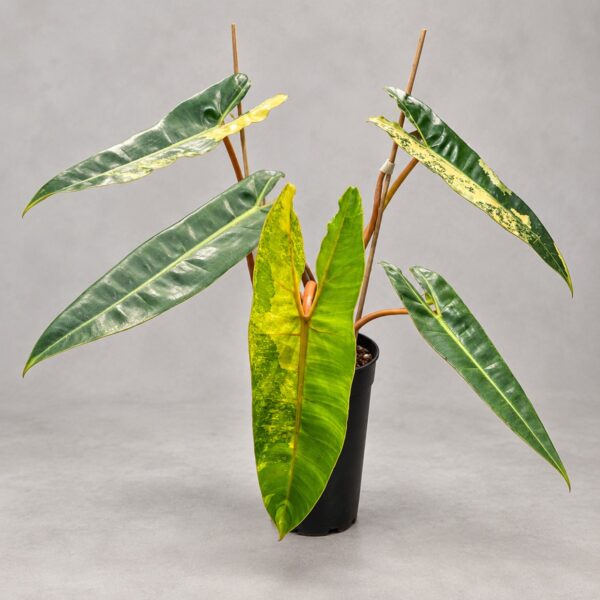
Every leaf is a unique work of art — the orange petiole paired with golden variegation gets more beautiful as leaves grow larger, a dream cultivar that collectors long to add to their collection.
Origin & characteristics
Philodendron billietiae 'Variegata' is a naturally occurring variegated form of the orange-petiole Philodendron (Philodendron billietiae). The original species is native to the tropical rainforest of Brazil, Guyana, and French Guiana, while the variegated form arose from a natural leaf mutation and has been propagated and preserved as a rare horticultural cultivar.
This is a medium-to-large climbing Philodendron, sharing the species' signature bright orange-yellow petiole, but with the added feature of stunning yellow, cream, and pale-green patterning on the leaves — every leaf's variegation is unique, making it a genuine living work of art. New leaves emerge in pale orange or pink, hardening into a deep green base with irregular variegation as they mature. Mature leaves can reach 60-90 cm long, with a thick, semi-waxy sheen.
Because the variegated portions lack chlorophyll, this cultivar's photosynthetic efficiency is lower than the plain species, making it more demanding about environmental conditions — an advanced-level plant to grow.
⚠️ Toxicity warning: all Philodendron species contain calcium oxalate crystals, toxic to humans and pets. Ingestion may cause mouth burning, swelling, drooling, and gastrointestinal discomfort. Please be sure to keep it out of reach of children and pets. Wearing gloves when handling is recommended to avoid sap contact with skin.
Light
This variegated Philodendron needs ample bright indirect light to sustain its variegation — light is the key factor in keeping the patterning vivid.
- Ideal placement: an east- or north-facing windowsill, within 1 metre of the window in a bright spot
- 6-8 hours of bright indirect light daily — the variegated portions need more light for photosynthesis
- Insufficient light causes variegation to revert to green — new leaves may emerge entirely green, losing display value
- Avoid harsh midday direct sun in summer, as the variegated (lighter-coloured) portions are especially prone to sunburn and brown spotting
- In winter with weaker sun, it can tolerate being closer to the window
- If indoor light is insufficient, a full-spectrum grow light for 12-14 hours daily is strongly recommended
⚠️ Important note: the lighter-coloured variegated portions scorch very easily — if you notice brown, scorched edges on the variegation, it indicates light is too strong and shading is needed.
Watering
This variegated Philodendron likes consistently lightly moist but never waterlogged conditions, with slightly lower water needs than the plain species due to its slower growth.
- Active spring/summer growth: water thoroughly once the top 2-3 cm of soil dries out, roughly every 5-7 days
- Slower autumn/winter growth: water once the soil is about half dry, roughly every 7-10 days
- Water thoroughly each time, until it drains from the base, then empty tray runoff
- Variegated cultivars have a more fragile root system than the plain species, with higher risk of root rot from standing water — ensure excellent drainage
- Use room-temperature tap water left standing, or filtered water, avoiding ice-cold water directly
💡 Advanced tip: this variegated cultivar grows more slowly, with weaker water uptake through the roots. Always confirm the top layer of soil has dried out before watering — better slightly dry than overwatered. A soil moisture meter can help monitor this precisely.
Soil & pot
This variegated Philodendron needs an extremely well-draining, breathable medium — healthy roots are the foundation for maintaining its beautiful variegation.
Recommended soil ratio:
- Coco coir or peat soil: 30%
- Coco husk chips (coarse grade): 35%
- Perlite or pumice: 25%
- Bark or charcoal: 10%
This recipe has a higher proportion of coco husk chips to ensure excellent drainage, since variegated cultivars have a higher root rot risk than the plain species.
Pot choice:
- Must have drainage holes
- Terracotta pots are strongly recommended, with the best breathability, effectively reducing root rot risk
- Plastic pots require more careful watering control
- Slower growth than the plain species — repot roughly every 1.5-2 years
Climbing support:
- Like the plain species, this variegated form needs a sphagnum pole or coco coir pole to climb in order to develop large-sized leaves
- The support doesn't just provide structure — it helps mimic the native environment, encouraging the plant to reach its best condition
- Plants with a sphagnum pole develop noticeably larger leaves with richer variegation
Repotting timing: spring (March-May) is the best repotting period. Variegated cultivars are more sensitive to environmental changes, so avoid repotting during a period of stalled growth. Size up by only one pot size each time.
Temperature & humidity
Temperature:
- Optimal growing temperature: 21°C – 27°C
- Ideal daytime temperature: 24°C – 27°C
- Ideal nighttime temperature: 18°C – 21°C
- Minimum tolerance: 16°C (prolonged temperatures below 18°C noticeably slow growth)
- Keep room temperature above 18°C in winter — variegated cultivars are more sensitive to cold
- Avoid direct AC airflow, heater vents, and environments with dramatic temperature swings
- Stable temperature helps maintain good variegation expression — large temperature swings may cause uneven variegation in new leaves
Humidity:
- Ideal humidity: 60% – 80%
- Minimum acceptable humidity: 55%
- This variegated cultivar needs higher humidity than the plain species, and ample humidity helps new leaves unfurl smoothly
- Insufficient humidity can cause new leaves to unfurl malformed, or the variegated portions to become crispy and dry
- Ways to increase humidity: use a humidifier (most recommended), place a water tray nearby, group with other plants, mist the surrounding air
- A bathroom with a window (and sufficient light) is an ideal placement, offering naturally higher humidity
Common problems
| Symptom | Likely cause | What to do |
|---|---|---|
| Variegation reverting (new leaves entirely green) | Insufficient light | Increase light intensity or add a grow light, giving the variegated portions enough energy |
| Variegated portions scorching and browning | Sunburn from direct sun | Move to an indirect light position or use a curtain to filter strong light |
| New leaves unfurling malformed | Humidity too low / improper watering | Raise ambient humidity above 70%, ensure regular watering |
| Yellowing, dropping leaves | Overwatering leading to root rot | Check the roots, trim rotten roots and repot in fresh soil, strictly control watering |
| Extremely slow growth | Temperature too low / insufficient light | Confirm room temperature is above 21°C, increase light exposure duration |
| Crispy, scorched leaf tips | Dry air / fertiliser too concentrated | Use a humidifier to raise humidity, dilute fertiliser to half strength per instructions |
| Whole plant wilting | Severe underwatering or root rot | Check soil moisture to determine the cause — water thoroughly if too dry; treat urgently if root rot |
How to explain to customers
"This is the variegated orange-petiole Philodendron — the variegated version of the orange-petiole Philodendron, and every leaf's golden variegation is different, like a piece of art. Because the variegated portions lack chlorophyll, it needs more light to maintain its beautiful patterning, but be careful — the variegated areas scorch very easily, so avoid direct sun. Watering follows the same rule as the plain species — water once the topsoil dries out — but this variegated cultivar is even more prone to root rot, so the soil needs to be even more well-draining; a terracotta pot is recommended. A sphagnum pole is a must — with support, it develops larger leaves and richer variegation. Humidity should ideally be 60-80%, and temperature needs to stay stable — never below 18°C in winter. This is an advanced-level cultivar that needs more attentive care than the plain species, but growing beautiful leaves is incredibly rewarding. The whole plant is toxic, so please keep it well away from young children and pets."
Fun facts
- Every leaf is truly unique: the most captivating thing about this variegated Philodendron is that every new leaf's variegation pattern is random — you never know what pattern the next leaf will have, making the growing process full of anticipation and surprise.
- Variegation is a cellular-level mutation: leaf variegation results from uneven chloroplast distribution within cells — the lighter-coloured areas lack normal chloroplasts and can't photosynthesise, which is why variegated leaves have overall lower "productivity" and naturally slower growth.
- Offspring don't always inherit variegation: when propagated via cuttings, new plants don't always fully inherit the mother plant's variegation — sometimes "reversion" occurs, turning back to the plain green species, which is why high-quality, stably variegated specimens are especially prized.
- The plain species wasn't described until 1995: the plain orange-petiole Philodendron wasn't formally described until 1995, making it a relatively new addition to the genus Philodendron, and the variegated form only entered the horticultural market in recent years, making it a hot collectible among the newer generation of enthusiasts.
- A delicate relationship between variegation and light: variegated leaves need more light to maintain their colouring, yet the lighter portions are also the most prone to sunburn — this "needs light yet fears light" characteristic is what makes caring for this variegated cultivar so challenging, and why it's classified as an advanced-level plant.
Keywords
Variegated orange-petiole Philodendron, Philodendron billietiae variegata, variegated Philodendron, orange-yellow petiole, golden variegation, cream patterning, semi-epiphytic, medium-to-large Philodendron, French Guiana, bright indirect light, ample light, well-draining soil, terracotta pot recommended, sphagnum pole, high humidity, stable temperature, reversion, advanced cultivar, collector's plant, Araceae, toxic Philodendron, Plantjai
參考資料(想知來源可展開)
References
- Royal Botanic Gardens, Kew — Plants of the World Online: Philodendron billietiae, https://powo.science.kew.org/
- ASPCA — Toxic and Non-Toxic Plant List, https://www.aspca.org/pet-care/animal-poison-control/toxic-and-non-toxic-plants
⚠️ Contains calcium oxalate crystals; toxic to humans and pets if ingested. Keep out of reach of children and pets.
Plantjai · Causeway Bay collector indoor plants · WhatsApp +852 66807550
Plantjai shop · In stock online
Philodendron billietiae variegata
HK$13,800.00
Hong Kong delivery · Causeway Bay pickup
For Hong Kong homes and offices. Stock and pricing follow the product page.
IN STORE NOW
Plants for this guide
Related plants in stock now — live prices, delivery or Causeway Bay pickup.
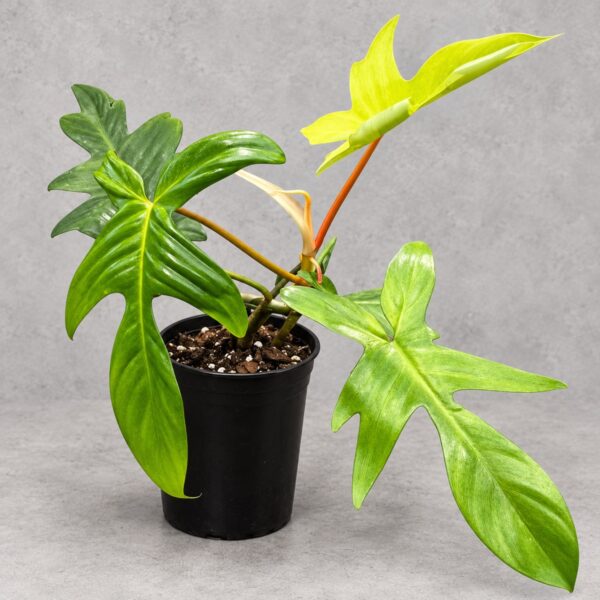
Philodendron 'Florida Ghost'
Philodendron 'Florida Ghost'
from HK$118.00
In stock · store pickup
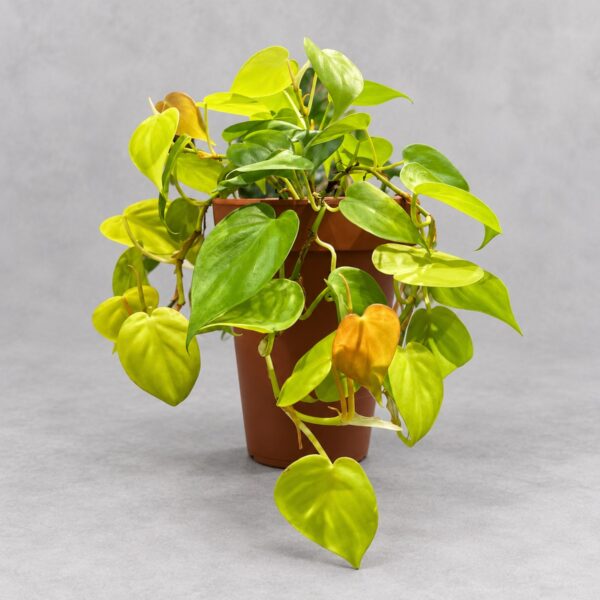
View plantPhilodendron hederaceum 'Lemon Lime'
Philodendron hederaceum 'Lemon Lime'
HK$198.00
In stock · store pickup
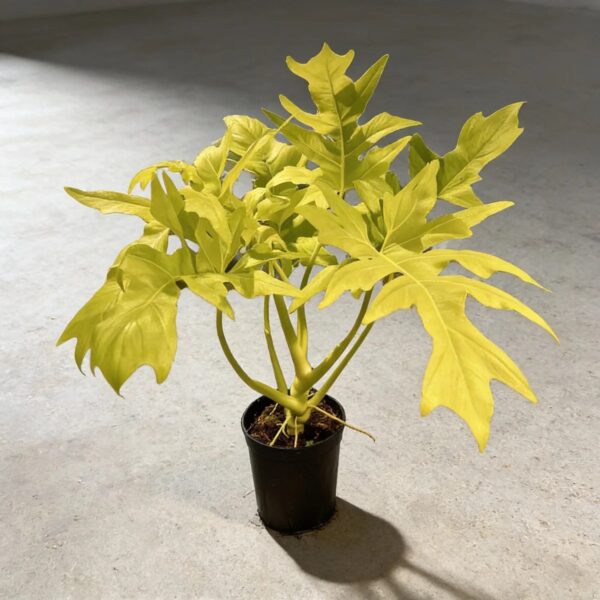
View plantPhilodendron warscewiczii 'Aurea Flavum'
Philodendron warscewiczii 'Aurea Flavum'
HK$298.00
In stock · store pickup
View plant
FREE PLANT ADVICE
Send us a photo before you change anything
WhatsApp a photo of the plant and your window light. Our Causeway Bay team will suggest care steps or plants that suit your space.
STORE · CAUSEWAY BAY
4/F, 39 Yiu Wa Street, Causeway Bay
Daily 12:30–8:00pm · ~3 min walk from Times Square
Map & directionsPlant Care