
How to Care for Monstera Borsigiana Aurea in Hong Kong | Plantjai

Hong Kong care guide for Monstera Borsigiana Aurea.
Golden-yellow patterning dotted across emerald leaves — every leaf is a unique piece of natural art, a dream cultivar in the world of foliage plants.
Origin & characteristics
- Native range: Central American tropical rainforest (Mexico to Panama)
- Family/genus: Araceae, genus Monstera
- Growth habit: a climbing vine, able to climb several metres up trees in the wild
- Leaf characteristics: heart-shaped leaves, with mature leaves developing the classic Monstera-style splits and fenestrations; the aurea variegated cultivar has irregular golden-yellow patterning, ranging from scattered spots to leaves that are half golden-yellow
- Variegation characteristics: the variegation is a natural mutation or tissue-culture-induced trait; the golden portions lack chlorophyll, so a fully golden leaf is hard to sustain long-term and requires more light for photosynthesis
- Growth rate: moderate, slower with a higher proportion of variegation
- Mature size: in a potted environment, leaves can reach 30-50 cm with deep, distinct splits
- Display value: a top-tier collector's cultivar, with the golden-and-green interplay creating striking visual impact — a hugely popular variety in the plant-collecting community
⚠️ Toxicity warning: Monstera species contain calcium oxalate crystals, and the sap is toxic — ingestion may cause mouth burning and vomiting. Sap contact with skin may cause redness and itching in sensitive individuals. Wear gloves when pruning, and place it out of reach of children and pets.
Light
- Ideal light: bright indirect light (an east- or north-facing windowsill is best)
- Light requirement level: medium-high
- Details:
- The golden variegated portions lack chlorophyll and need more light than the plain green species to sustain growth
- 6-8 hours of bright indirect light daily is recommended
- Gentle morning direct sun (1-2 hours) is acceptable
- Avoid harsh midday direct sun — the golden patches scorch and brown very easily
- Placement suggestion: 1-2 metres from a south-facing window, or an east/north-facing windowsill; in an office setting, place somewhere with ample light and consider a grow light
- Signs of insufficient light: new leaves emerge fully green, the proportion of golden variegation decreases, leaves become thinner, internodes stretch (legginess)
- Signs of excessive light: brown scorched edges appear on the golden areas, leaves curl, overall leaf colour turns pale and dry-looking
Watering
- Frequency: every 5-7 days in spring/summer; every 10-14 days in autumn/winter
- Principle: "wet-dry cycling" — water once the top 2-3 cm of soil dries out
- Details:
- Keep soil lightly moist during the active spring/summer growing season, but never waterlogged
- Reduce watering substantially in autumn/winter as growth slows
- Water thoroughly each time, letting excess drain from the base
- Never let water sit in the tray — pour off any excess
- Water quality: room-temperature tap water left standing is fine; filtered water or rainwater is even better if available
- Signs of overwatering: leaves turn yellow (especially lower leaves), roots rot and smell foul, soil stays persistently wet
- Signs of underwatering: leaf edges dry out and turn brown, leaves droop lifelessly, soil cracks
Soil & pot
Soil recipe
- Core requirement: loose and breathable, well-draining, rich in organic matter
- Recommended ratio:
- Quality indoor plant potting soil 50%
- Perlite or volcanic rock 20% (improves aeration)
- Coco coir or coco husk chips 20% (retains moisture and nutrients)
- Bark or charcoal 10% (mimics rainforest conditions)
- pH: slightly acidic to neutral (5.5-7.0)
Pot choice
- Material: terracotta pots (best breathability), cement pots, or plastic pots all work
- Drainage: drainage holes are essential — never use a pot without them
- Size: don't jump to an oversized pot before roots fill the current one; a diameter of 15-25 cm is recommended (depending on plant size)
- Repotting timing: repot once every 1-2 years in spring, or when roots emerge from the drainage holes
Feeding
- Growing season (March-September): apply diluted liquid fertiliser (balanced NPK, such as 20-20-20) every 2 weeks
- Dormant season (October-February): stop fertilising, or feed very diluted fertiliser once a month
- Note: variegated cultivars shouldn't be over-fertilised, as excess nutrients may cause leaves to revert to green and reduce variegation
Temperature & humidity
Temperature
- Optimal temperature: 20-28°C
- Acceptable range: 15-32°C
- Minimum tolerance: 10°C (briefly), prolonged temperatures below 15°C stall growth
- Note: if Hong Kong winter temperatures drop below 12°C, move indoors or use heating; avoid placing it directly in an AC air stream
Humidity
- Ideal humidity: 60-80%
- Minimum requirement: 50% or above
- Humidification methods:
- Use a humidifier (most recommended)
- Place on a pebble tray (ensure the pot base doesn't directly touch the water)
- Group with other plants to naturally raise local humidity
- Mist the leaf surface regularly (in the morning, avoiding wet leaves overnight)
- Signs of insufficient humidity: leaf tips dry out and turn brown, leaves lose their sheen, new leaves fail to unfurl completely
Common problems
Q1: What if the golden areas turn brown and dry?
The golden portions scorch most easily — brown, crispy patches indicate excessive light exposure. Move away from strong light immediately. Damaged leaves won't recover; you can trim them off or leave them to drop naturally.
Q2: New leaves are coming in completely green — where did the golden variegation go?
Insufficient light is the most common cause. The golden portions need more light to sustain themselves; increasing indirect light may allow new leaves to regain their variegation. Some plants also naturally "revert" over time, which is a normal occurrence.
Q3: Why aren't the leaves splitting?
Young plants typically don't develop splits; as the plant matures (usually after 4-5 leaves), new leaves naturally develop them. Increasing light also helps promote splitting.
Q4: Can it be grown in water?
Yes. Cut a stem section with an aerial root, place it in clean water, and it typically roots within 2-4 weeks. Maintaining golden variegation can be harder during early water propagation; it tends to stabilise better once transferred to soil.
Q5: How do I propagate it?
Tip cuttings or stem cuttings are most common. Choose a stem section with 1-2 aerial root nodes, let the cut end air-dry for a day, then insert into loose substrate, keeping it moist and warm — roots typically form in 3-6 weeks.
Q6: Why are the leaves drooping?
This is usually a watering issue — both overwatering and underwatering cause drooping leaves. Check soil moisture: if too wet, pause watering and check the roots; if too dry, water thoroughly. Low temperature or a sudden change in light can also be a cause.
Q7: How do I handle the aerial roots?
Aerial roots are a natural feature of Monstera — you can guide them into the soil to help with nutrient absorption, or let them climb a sphagnum or coco coir pole naturally, which helps leaves grow larger and more attractive.
How to explain to customers
"This is our golden variegated Monstera — a true dream cultivar within the Monstera family! Every leaf's golden patterning is completely unique, like a natural painting. It's absolutely a centrepiece plant for your home, and it photographs beautifully too. It does need more light than a regular Monstera, since the yellow portions lack chlorophyll and need extra light to sustain growth — a windowsill with indirect light suits it best. For watering, remember the 'wet-dry cycle' — only water once the soil has dried out, don't water it daily, or you'll risk root rot. One more thing: the sap is toxic, so it's best to wear gloves when pruning, and keep it somewhere children and pets can't reach. The golden leaves are also a bit delicate, so avoid placing it in harsh direct sun, or the golden portions will scorch and brown easily. It's actually not too hard to care for — get the light and water balance right, and you'll see new leaves keep coming, with even more beautiful variegation over time. Many of our customers say that after a while, their new leaves grow bigger than the old ones — such a satisfying feeling!"
Fun facts
- The cause of variegation: golden variegation results from a chloroplast gene mutation — the golden portions lack chlorophyll and can't photosynthesise, so fully golden leaves are effectively "borrowing" nutrients from the green portions to survive.
- No two leaves alike: each leaf's variegation pattern forms randomly, so no two golden variegated Monstera leaves in the world are exactly the same — every plant is a one-of-a-kind work of art.
- Value varies widely: plants with a moderate, evenly distributed golden ratio (around 30-50%) are the most sought-after; fully golden or fully green plants drop significantly in value, since fully golden leaves struggle to survive long-term, while fully green ones lose their defining feature.
- Origin of the genus name: the botanical name Monstera comes from the Latin "monstrum" (monster), describing its enormous and unusual leaf shape; "borsigiana" commemorates Borsig, a director of a German botanical garden.
- Climbing instinct: in the wild, Monstera climbs up large trees — the closer to the canopy, the stronger the light, and the bigger the leaves and deeper the splits become. Giving it a support to climb will make the leaves look much better!
Keywords
Plantjai, golden variegated Monstera, Monstera borsigiana aurea variegata, Monstera, variegated plant, mutation plant, foliage plant, indoor plant, tropical plant, Araceae, plant care, Hong Kong plants, plant retail, rare plant, plant collecting, low-to-moderate maintenance, climbing plant, aerial roots
參考資料(想知來源可展開)
References
- Royal Botanic Gardens, Kew — Plants of the World Online: genus Monstera, https://powo.science.kew.org/
- ASPCA — Toxic and Non-Toxic Plant List, https://www.aspca.org/pet-care/animal-poison-control/toxic-and-non-toxic-plants
⚠️ Contains calcium oxalate crystals; sap is toxic to humans and pets if ingested. Keep out of reach of children and pets.
Plantjai · Causeway Bay collector indoor plants · WhatsApp +852 66807550
For Hong Kong homes and offices. Stock and pricing follow the product page.
IN STORE NOW
Plants for this guide
Related plants in stock now — live prices, delivery or Causeway Bay pickup.
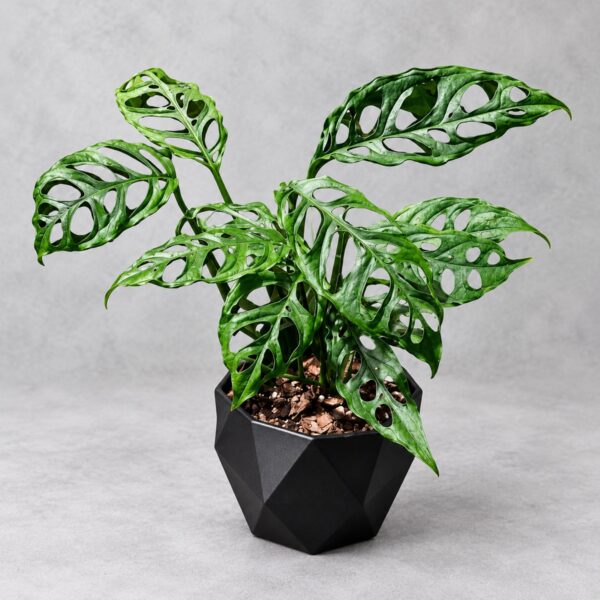
Monstera obliqua Peru
Original price was: HK$480.00.HK$280.00Current price is: HK$280.00.
In stock · store pickup
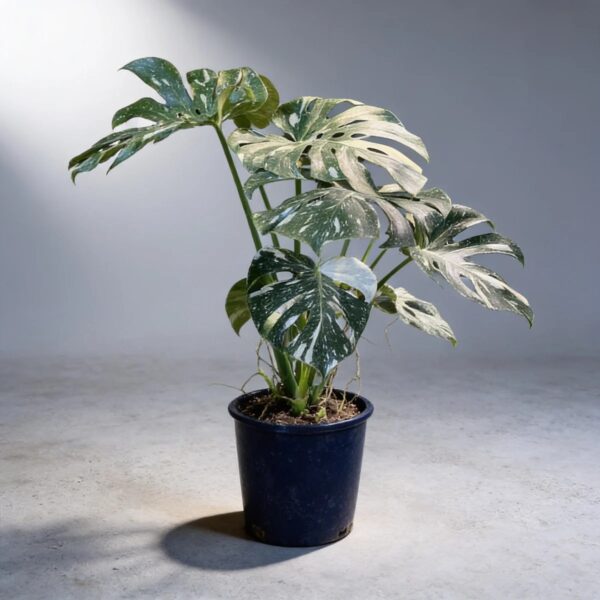
View plantMonstera 'Thai Constellation'
Monstera 'Thai Constellation'
from HK$280.00
In stock · store pickup
View plant
FREE PLANT ADVICE
Send us a photo before you change anything
WhatsApp a photo of the plant and your window light. Our Causeway Bay team will suggest care steps or plants that suit your space.
STORE · CAUSEWAY BAY
4/F, 39 Yiu Wa Street, Causeway Bay
Daily 12:30–8:00pm · ~3 min walk from Times Square
Map & directionsPlant Care