
How to Care for Hoya Gunung Gading in Hong Kong | Plantjai

Hong Kong care guide for Hoya Gunung Gading.
A rare, wild-collected species from the hidden world of Gunung Gading in Borneo, with a leaf shape and flower form all its own — the kind of mountain-collected treasure advanced collectors dream about.
Botanical status: pending confirmation ("sp." denotes a not-yet formally named species)
Brand: Plantjai
Origin & characteristics
This Hoya originates from Gunung Gading National Park in Sarawak, Malaysia, in the northwestern part of Borneo. Gunung Gading is world-famous as the home of the Rafflesia — the world's largest flower — and this Hoya was discovered within the very same primary rainforest ecosystem.
As a species yet to be formally described (labelled Hoya sp.), Gunung Gading Hoya represents the frontier of botanical knowledge about Borneo's biodiversity. It typically has thick, succulent leaves that may carry distinctive textures or spots, with classic star-shaped, waxy Hoya flowers usually in pale pink, yellowish-white, or with a reddish blush.
Because it's a wild-collected species, each plant may show subtle individual variation — part of the charm of growing true species Hoyas.
Light
- Ideal placement: an east-facing window, or a spot with indirect light 1–1.5 metres from a south-facing window
- Light level required: bright indirect light, roughly 400–800 foot-candles
- Notes: native to the filtered light beneath a rainforest canopy — avoid harsh midday direct sun
- Tip: gentle morning sun can help encourage flowering, but should still be filtered through a sheer curtain; leaves turning darker green or stems stretching out indicate insufficient light
Watering
- Principle: "water when just dry" — let the top 2–3 cm of the mix dry out before watering
- Frequency: roughly every 7–10 days in summer, every 10–14 days in winter
- Method: water slowly around the rim until it drains from the base, emptying the saucer after 30 minutes
- Water quality: filtered water, rainwater, or tap water left to sit overnight is recommended, to avoid chlorine and excess minerals
- Notes:
- ❌ Don't let the mix stay wet long-term — true species Hoyas are especially sensitive to root rot
- ❌ Cut watering frequency by roughly 40% in winter
- ✅ Test with a finger before watering — only water once it's dry
Soil & pot
- Mix recipe (mimicking its natural epiphytic environment):
- 4 parts orchid bark (medium grade)
- 2 parts perlite (3–5mm)
- 2 parts coco coir chips
- 1 part pumice
- 1 part horticultural charcoal
- Pot choice: terracotta or breathable plastic pots, with ample drainage holes at the base
- When to repot: repot when roots emerge from the drainage holes or growth clearly slows, roughly every 1–2 years
- ❌ Avoid: regular garden soil, overly water-retentive mixes, or decorative pots without drainage holes
Temperature & humidity
| Item | Ideal range | Notes |
|---|---|---|
| Growing temperature | 18–28°C | native to tropical rainforest |
| Minimum temperature | 15°C | growth stalls below 15°C |
| Humidity | 60–80% | high humidity supports growth |
| Winter temperature | 16–20°C | avoid below 13°C |
- High humidity is one of the key factors for flowering
- A humidity tray under the pot helps raise local humidity (keep the pot base clear of the water)
- Ensure good ventilation to avoid stuffiness
Common problems
| Issue | Likely cause | What to do |
|---|---|---|
| Stalled growth, no new leaves for a long time | Insufficient light, too cold, or root rot | Check root health, adjust placement |
| Soft, wrinkled leaves | Underwatering or poor root uptake | Check soil moisture; repot and check roots if needed |
| Brown spots on leaves | Sunburn or fungal infection | Move away from direct light, improve ventilation |
| No flowers | Immature plant, insufficient light, or lack of temperature differential | Provide brighter indirect light; give it a cooler spell (15–18°C) for a few weeks in winter |
| Soft, rotting stems | Overwatering or a non-breathable mix | Stop watering immediately, trim rotten sections, repot in a fresh, fast-draining mix |
How to explain to customers
"This Gunung Gading Hoya is a genuinely hard-to-find true species, native to Gunung Gading National Park in Borneo — it's a rare plant that hasn't even been formally named yet! Both the leaves and flowers have that distinctive wild-species character, and every single plant is unique. For care, remember: bright indirect light is best, never harsh direct sun; let the soil dry out fully before watering, or root rot becomes a real problem. Keep humidity high — above 60% makes a big difference — you could keep it near a bathroom window or use a humidifier. Since it's a true species, it may grow a bit slower than hybrid cultivars, but the satisfaction of getting it to flower is priceless!"
Fun facts
- Gunung Gading National Park is one of the main habitats of the world's largest flower, the Rafflesia arnoldii, which can reach up to 1 metre across! This Gunung Gading Hoya shares the very same primary rainforest home with the Rafflesia.
- Borneo is one of the world's richest regions for Hoya diversity, with over 80 recorded native species and many more still waiting to be formally described.
- A botanical name marked "sp." (species) means the plant hasn't yet undergone formal taxonomic description — one of the most challenging and exciting categories for plant collectors.
- Hoya genus plants are non-toxic to cats and dogs, though it's best to discourage pets from chewing on them, since the coarse fibre can cause mild digestive upset.
Keywords
Gunung Gading Hoya, Hoya sp. Gunung Gading, true species Hoya, Bornean Hoya, botanical name pending confirmation, Gunung Gading, rare plant, Plantjai, wild-collected Hoya, rainforest plant, non-toxic to pets, advanced collector, waxy flower
參考資料(想知來源可展開)
References
- Royal Botanic Gardens, Kew — Plants of the World Online: genus Hoya, https://powo.science.kew.org/
- ASPCA — Toxic and Non-Toxic Plant List, https://www.aspca.org/pet-care/animal-poison-control/toxic-and-non-toxic-plants
⚠️ Non-toxic to cats and dogs; discourage pets from chewing on the leaves, as coarse fibre may cause mild digestive upset.
Plantjai · Causeway Bay collector indoor plants · WhatsApp +852 66807550
For Hong Kong homes and offices. Stock and pricing follow the product page.
IN STORE NOW
Plants for this guide
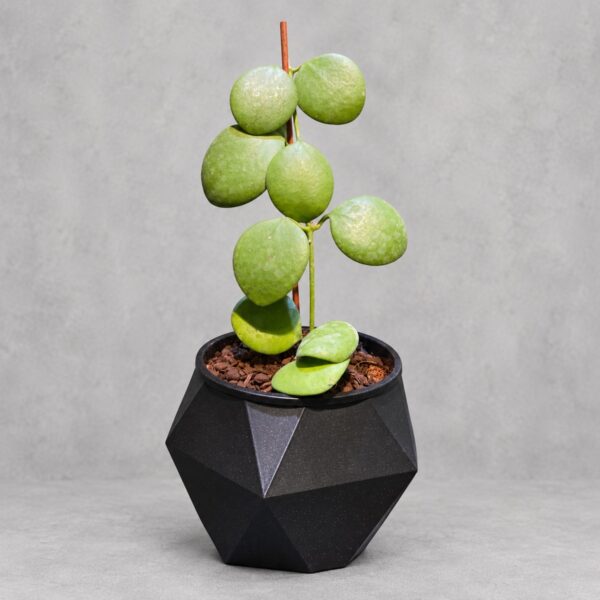
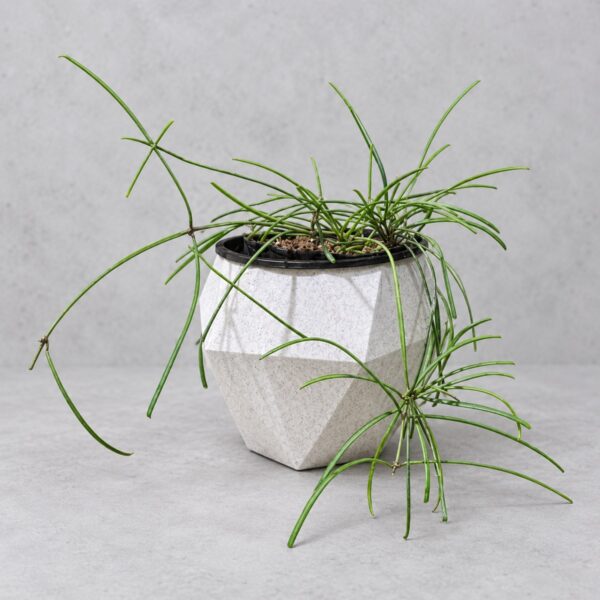
Related plants in stock now — live prices, delivery or Causeway Bay pickup.
FREE PLANT ADVICE
Send us a photo before you change anything
WhatsApp a photo of the plant and your window light. Our Causeway Bay team will suggest care steps or plants that suit your space.
STORE · CAUSEWAY BAY
4/F, 39 Yiu Wa Street, Causeway Bay
Daily 12:30–8:00pm · ~3 min walk from Times Square
Map & directionsPlant Care