
How to Care for Hoya Curtisii in Hong Kong | Plantjai

Plantjai 植仔 · Care Encyclopedia
Hoya Curtisii
Hong Kong care guide — useful before you buy and after it arrives.
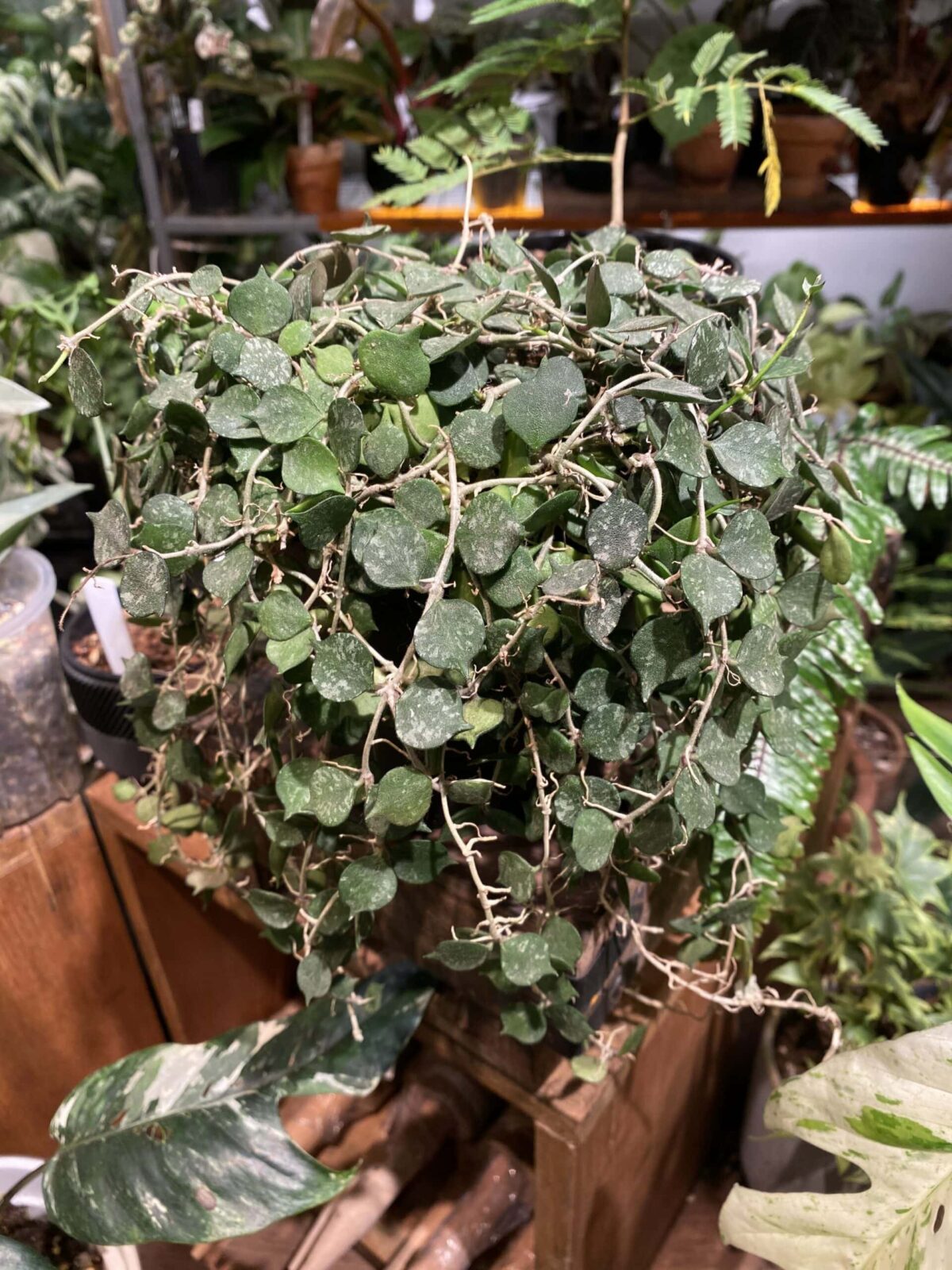
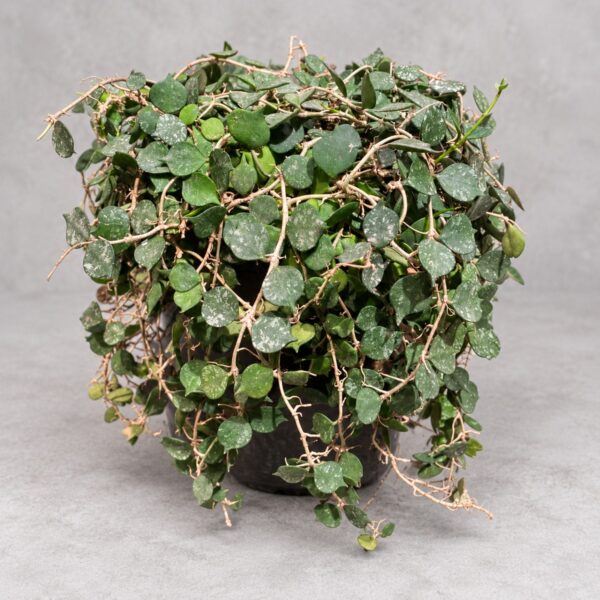
Shop this plantTiny silver-speckled leaves that carpet the pot like octopus tentacles — equally at home climbing a wall or trailing from a hanging basket, a fairy-like addition to any space.
Brand: Plantjai
Origin & characteristics
- Native range: Southeast Asian tropical rainforests (Thailand, Malaysia, the Philippines)
- Growth habit: small creeping vine, with thin stems that spread along the ground or supports, or cascade naturally
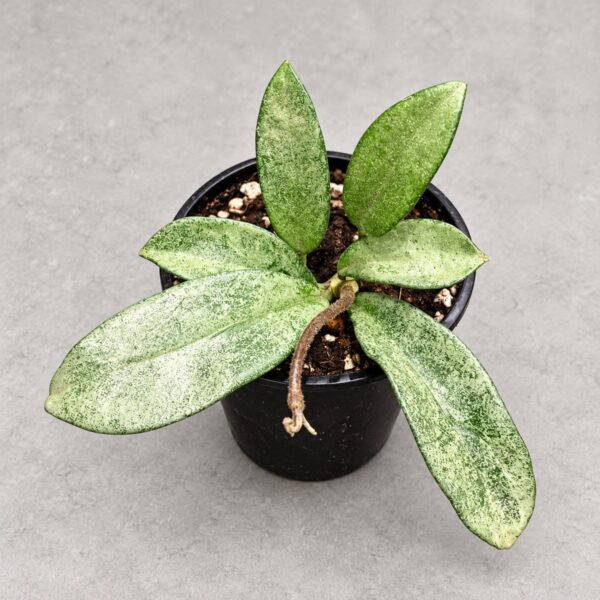
- Leaf characteristics: tiny, shovel- or heart-shaped leaves, deep green covered in silver spots and patterns, thick with a waxy sheen
- Flowering characteristics: small star-shaped flowers, pale pink or white, with a mild sweet fragrance, blooming multiple times a year
- Growth rate: faster than most Hoyas, especially vigorous in spring and summer
- Pet safety: ✅ non-toxic to cats and dogs
Light
- Ideal light: bright indirect light, 6–8 hours daily
- Best placement: in front of an east- or west-facing window, tolerating gentle morning direct sun
- Notes:
- Avoid harsh midday direct sun, since the small leaves scorch easily
- Sufficient light makes the silver patterning more pronounced; too little light causes fading patterns and sparser stems
- Flowering requires stronger light — at least half a day of direct sun or a high-intensity grow light is recommended
Watering
- Watering frequency: let the top 2–5 cm of soil dry out, roughly once a week in summer, roughly every two weeks in winter
- Watering method: water thoroughly around the rim, letting excess drain completely
- Signs of underwatering: leaves slightly wrinkle and soften
- Signs of overwatering: yellowing leaves, soft rotting stems
- Seasonal adjustment: extend the interval between waterings as growth slows in autumn/winter
- Important reminder: the leaves store water well, so brief drought won't kill it, but long-term wet feet easily leads to root rot
Soil & pot
- Soil recipes:
- Recipe 1 (recommended): 2 parts cactus/succulent soil + 1 part perlite or pumice
- Recipe 2: 1 part quality indoor potting soil + 1 part orchid mix + 1 part perlite
- Recipe 3 (simple): use a ready-made cactus mix with good drainage
- Key point: must be extremely fast-draining and breathable, mimicking its natural bark-clinging environment
- Pot choice:
- Must have drainage holes
- A shallow pot or hanging basket is recommended, letting the stems spread naturally or trail
- Prefers being a bit "snug" — don't rush into a bigger pot
- Can be paired with a moss pole or small trellis to encourage upward growth
- When to repot: every 2–3 years, or when roots fill the pot base
- Repotting tip: a new pot no more than 2 inches wider than the old one, avoiding an oversized pot that stays wet too long
Temperature & humidity
- Ideal temperature: 18–29°C, typical room temperature is fine
- Minimum tolerance: 10°C, below which growth stalls
- Humidity requirement: 40–60% is ideal
- Raising humidity:
- Adapts to typical household humidity, but higher humidity brings out richer leaf colour
- A bright bathroom, kitchen, or humidifier all help
- A humidity tray at the base is also useful
- Flowering tip: slightly cooler nights (around 15–18°C) paired with adequate light helps trigger flowering
Common problems
| Issue | Likely cause | What to do |
|---|---|---|
| Silver patterning fading | Insufficient light | Move closer to a window or increase grow-light hours |
| Yellowing, dropping leaves | Overwatering / root rot | Check roots, trim rot, repot with fresh soil, reduce watering |
| Sparse growth, stretched internodes | Insufficient light | Increase light intensity or duration |
| Black spots on leaves | Fungal infection / poor ventilation | Improve ventilation, reduce leaf-surface moisture, apply fungicide if needed |
| Won't flower | Insufficient light / immature plant | Increase direct light exposure and be patient |
| White cottony spots on leaf undersides | Mealybugs | Dab with an alcohol-soaked cotton swab, or spray neem oil |
How to explain to customers
"Hoya curtisii is small but eye-catching — the tiny leaves are covered in silvery patterns, giving it a really fairy-like look! It grows relatively fast and works both as a wall climber and a hanging plant, perfect if you're going for vertical greenery. Just remember to use a fast-draining soil mix, and make sure the top layer of soil is dry before watering again. It's non-toxic to cats and dogs, so bring it home for decoration worry-free!"
Fun facts
- In its native habitat, Hoya curtisii creeps along tree bark and rock surfaces, forming a "carpet" of green foliage speckled with silver.
- Despite its small leaves, it produces delicate star-shaped flowers when blooming, and can flower several times a year.
- Its stem nodes readily produce aerial roots, so cuttings root easily in either water or soil, making it a great choice for beginners to practice propagation.
- The silvery patterning is actually structural colour created by light reflecting off the leaf's surface cells rather than pigment, so its shimmer changes depending on the viewing angle.
Keywords
Plantjai Hoya curtisii silver-spotted Hoya small-leaved Hoya creeping plant hanging basket plant indoor plant non-toxic plant pet safe flowering plant well-draining soil bright indirect light drought-tolerant silver patterning easy to propagate
參考資料(想知來源可展開)
References
- Royal Botanic Gardens, Kew — Plants of the World Online: Hoya curtisii, https://powo.science.kew.org/
- ASPCA — Toxic and Non-Toxic Plant List, https://www.aspca.org/pet-care/animal-poison-control/toxic-and-non-toxic-plants
⚠️ Non-toxic to cats and dogs; sap may cause mild skin irritation in sensitive individuals.
Plantjai · Causeway Bay collector indoor plants · WhatsApp +852 66807550
For Hong Kong homes and offices. Stock and pricing follow the product page.
IN STORE NOW
Plants for this guide
Related plants in stock now — live prices, delivery or Causeway Bay pickup.
FREE PLANT ADVICE
Send us a photo before you change anything
WhatsApp a photo of the plant and your window light. Our Causeway Bay team will suggest care steps or plants that suit your space.
STORE · CAUSEWAY BAY
4/F, 39 Yiu Wa Street, Causeway Bay
Daily 12:30–8:00pm · ~3 min walk from Times Square
Map & directionsPlant Care