
How to Care for Ficus Umbellata in Hong Kong | Plantjai

Plantjai 植仔 · Care Encyclopedia
Ficus Umbellata
Hong Kong care guide — useful before you buy and after it arrives.
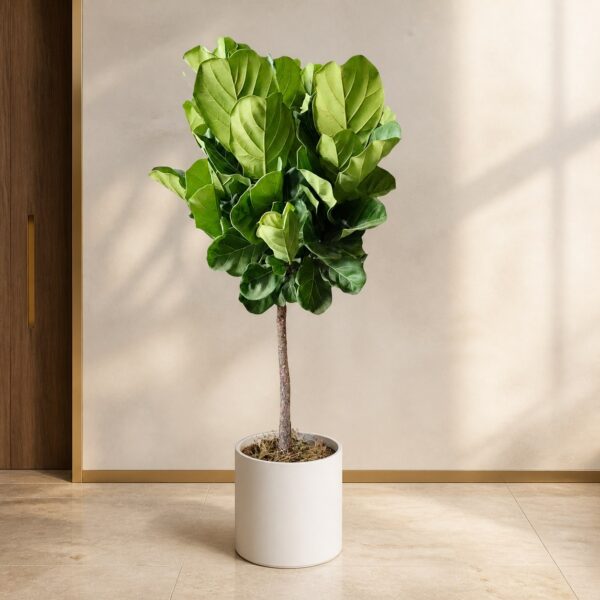
Shop this plant"Foliage in the shape of a heart, with an almost therapeutic quality" — every leaf of the heart-leaf fig looks like a big green heart, bringing a gentle mood into any home and making it a thoughtful choice whether you…
Brand: Plantjai
Origin & characteristics
The heart-leaf fig is native to tropical and subtropical Africa, found from West to East Africa along tropical grassland and forest-edge habitats. It was more recently popularised through Japanese horticultural circles and has since become a viral favourite across Asia.
Key characteristics:
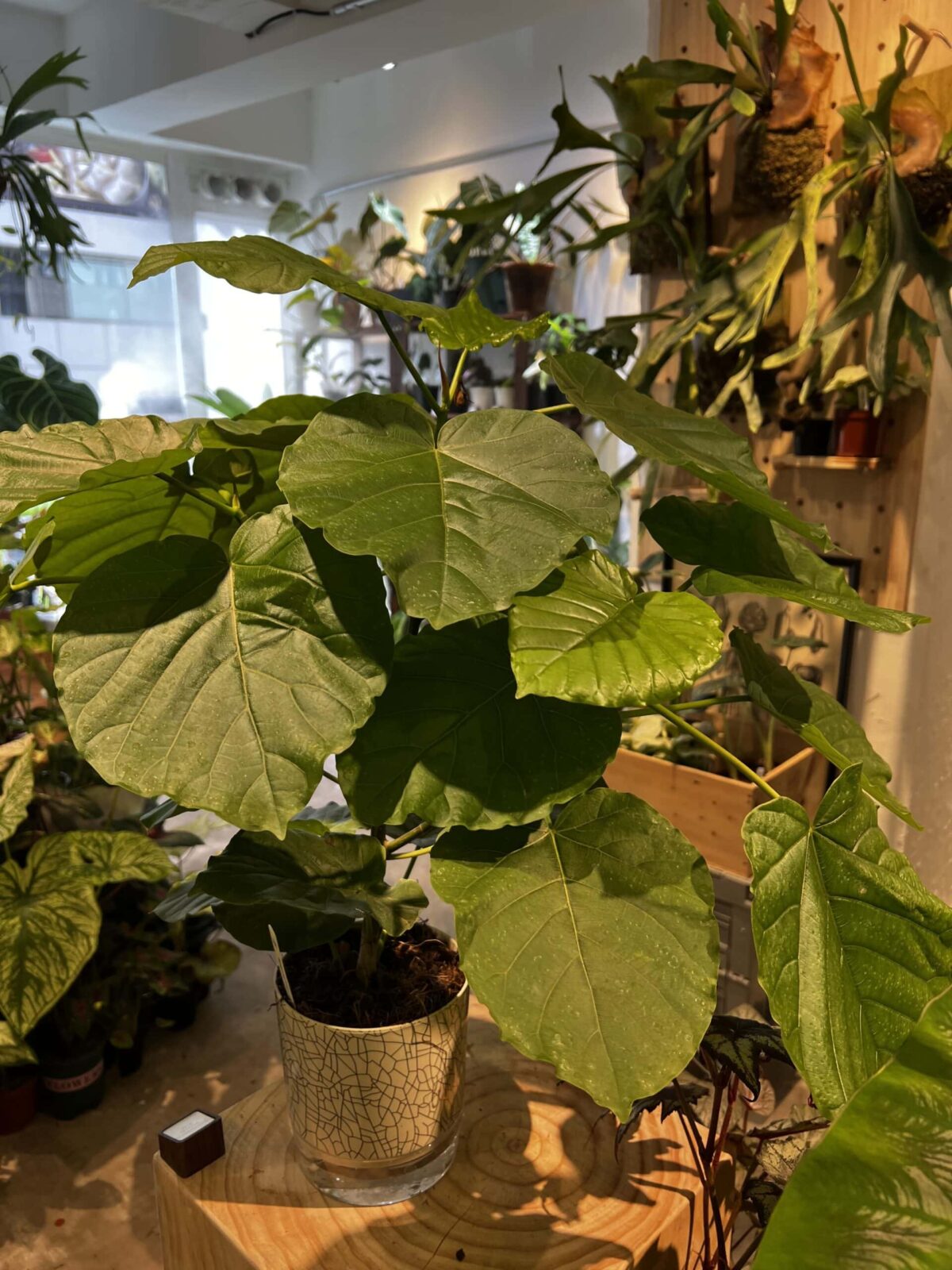
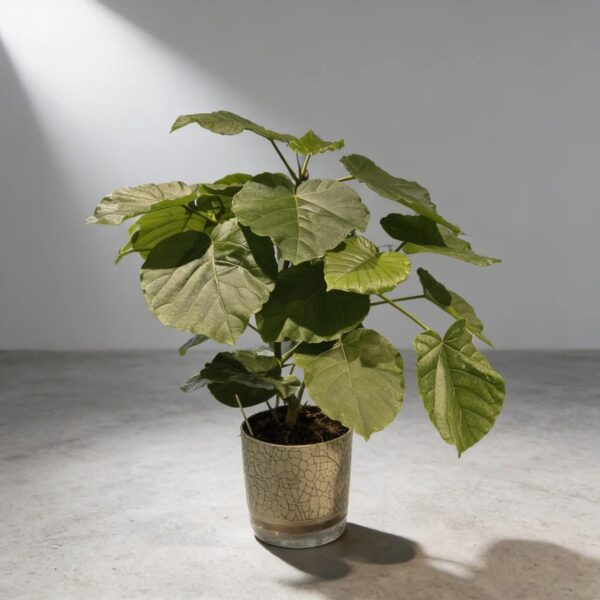
- Leaves: heart-shaped, thin, and soft, bright green with a clear net-like vein pattern and smooth, untoothed edges; mature leaves can reach 20–30 cm across
- Trunk: slender and elegant, pale greyish-brown; softer when young, gradually becoming more woody with age
- Growth habit: relatively fast-growing, especially in spring and summer; young plants have a softer form and can be supported with a stake for a more upright shape
- Air-purifying: can absorb some airborne pollutants, improving indoor air quality
- Toxicity note: the sap is toxic — broken stems or leaves release a milky white latex that can cause irritation, redness, or itching on skin contact, and gastrointestinal upset if ingested. Keep it out of reach of young children, cats, dogs, and other pets
Light
| Item | Recommendation |
|---|---|
| Ideal light | Bright, indirect light to partial direct sun — an east-facing window, or a south-facing window filtered by sheer curtains, works best |
| Tolerable range | Partial shade to bright indirect light |
| Avoid | Intense midday summer sun (thin leaves scorch easily); prolonged dark conditions (stems become weak and floppy) |
| Tip | Heart-leaf fig has a strong phototropic response, so rotate the pot regularly (about every two weeks, 90 degrees) for even growth |
Although the heart-leaf fig needs light, its leaves are thinner than the fiddle leaf fig's, so it's even more sensitive to direct sun scorch. Insufficient light causes weak, floppy stems, and in severe cases the plant may even flop over.
Watering
| Item | Recommendation |
|---|---|
| Principle | Let the topsoil dry out before watering; it can tolerate slightly moister conditions than the fiddle leaf fig |
| Frequency | Roughly every 5–7 days in spring/summer; roughly every 7–10 days in autumn/winter |
| Method | Water evenly around the pot until it drains from the base, then stop; empty the saucer after 15 minutes |
| Water quality | Room-temperature water; tap water settled overnight is even better |
| Note | Thin leaves droop easily from lack of water — slight softening in the leaves is a good sign it's time to water, but avoid overwatering and waterlogging |
Reading the signs: the heart-leaf fig is quite communicative about its needs — leaves droop noticeably when thirsty and typically perk back up within a few hours of watering. However, repeated cycles of drought stress will cause irreversible leaf yellowing over time.
Soil & pot
Soil recipe:
The heart-leaf fig prefers a loose, well-draining soil:
- Quality potting soil 60%
- Perlite or vermiculite 20%
- Coco coir 20%
Pot selection:
- Material: terracotta or concrete pots are the top choice (good breathability and drainage); plastic pots require stricter watering control
- Drainage holes: essential
- Size: increase pot diameter by 5–8 cm each time you repot — don't go too large
- Repotting timing: spring, roughly once a year (it grows quickly and can fill a pot with roots easily); repot once roots emerge from the base
- Extra tip: young plants can benefit from a stake for support, helping shape an attractive, upright form
Temperature & humidity
| Item | Recommendation |
|---|---|
| Ideal temperature | 20–28°C |
| Minimum temperature | Not below 12°C; extended periods below 10°C stall growth or risk cold damage |
| Humidity | 60% or above ideal — heart-leaf fig prefers a more humid environment than most fig relatives |
| Raising humidity | In dry seasons, regular misting (avoiding intense light), a pebble water tray, a humidifier, or grouping with other plants |
| Note | Avoid direct AC drafts, heaters, and frequently opened doors/windows — large temperature swings easily trigger leaf drop |
Heart-leaf fig has higher humidity needs than the fiddle leaf fig. Hong Kong summers are generally not a problem, but watch humidity carefully in winter when heating is running.
Common problems
Q1: Drooping, soft leaves
- Most common cause: thirst — the heart-leaf fig's most common distress signal
- Fix: water promptly; it usually recovers within a few hours. If there's no improvement after 24 hours, check the roots for rot
Q2: Yellowing, dropping lower leaves
- Most common causes: natural ageing (small amounts are normal); extensive dropping may indicate overwatering, insufficient light, or temperatures too low
- Fix: rule out environmental factors one by one and adjust to the appropriate range
Q3: Brown spots on leaves
- Most common causes: fungal infection (from excess moisture and poor airflow) or sunburn
- Fix: improve ventilation, reduce leaf misting, and remove badly affected leaves; sunburn requires moving to a shadier spot
Q4: Soft, floppy stems
- Most common causes: severe light deficiency causing leggy growth, or overwatering causing root rot
- Fix: increase light; check root health and repot with pruning if necessary
Q5: White sap oozing from broken stems
- Explanation: a normal defensive mechanism
- Note: wash skin thoroughly after contact, and avoid contact with eyes or ingestion
Q6: Pale, small new leaves
- Most common causes: insufficient nutrients or inadequate light
- Fix: feed with a diluted, balanced liquid fertiliser (such as 20-20-20) every 2–3 weeks during the growing season
How to explain to customers
"The heart-leaf fig has become a really popular 'internet-famous' plant in recent years — every leaf is heart-shaped, so just looking at it brings a smile, and it makes such a thoughtful gift. It grows fairly quickly, and isn't too difficult to care for — just make sure it gets plenty of indirect light; don't tuck it away in a dark corner. For watering, water once the topsoil is dry — its leaves are thin, so it'll droop a little when thirsty, which is actually kind of endearing. That said, broken stems do release a white sap, so if you have kids or pets, keep it up high. It prefers more humidity, so in winter with the heater running, an occasional misting helps. Basically, give it stability, brightness, and moisture, and it'll keep rewarding you with fresh heart-shaped leaves!"
Fun facts
- Popularised in Japan: although native to Africa, the heart-leaf fig really became popular through promotion by the Japanese horticultural scene. Japanese growers shaped it into elegant, tree-like forms that paired beautifully with minimalist interiors, quickly spreading its popularity across Asia.
- Leaves that really do "beat" with water: while it's not a literal heartbeat, the heart-leaf fig's leaves visibly change form based on hydration — plump and upright when well-watered, drooping when thirsty, then perking back up again once watered — almost like it has a pulse.
- A family of hearts: several Ficus species have heart-shaped leaves, but Ficus umbellata's leaves are especially round and full, giving it the most classically "heart-shaped" look — hence its romantic common name.
- Aerial root potential: in high-humidity conditions, the heart-leaf fig can develop aerial roots, creating an even more tropical, rainforest-like display. These can be gently guided into the soil to add extra nutrient uptake.
Keywords
Heart-leaf fig | Ficus umbellata | African fig | viral plant | therapeutic foliage plant | indoor foliage | heart-shaped leaves | gift plant | toxic plant | pet-unfriendly | Ficus genus | indirect light | high humidity plant | fast growth | home greening | heart-leaf fig care | heart-leaf fig leaf drop | heart-leaf fig repotting | Plantjai
Plantjai · Causeway Bay collector indoor plants · WhatsApp +852 66807550
Plantjai shop · In stock online
Ficus umbellata
Ficus umbellata
from HK$388.00
Hong Kong delivery · Causeway Bay pickup
For Hong Kong homes and offices. Stock and pricing follow the product page.
IN STORE NOW
Plants for this guide
Related plants in stock now — live prices, delivery or Causeway Bay pickup.
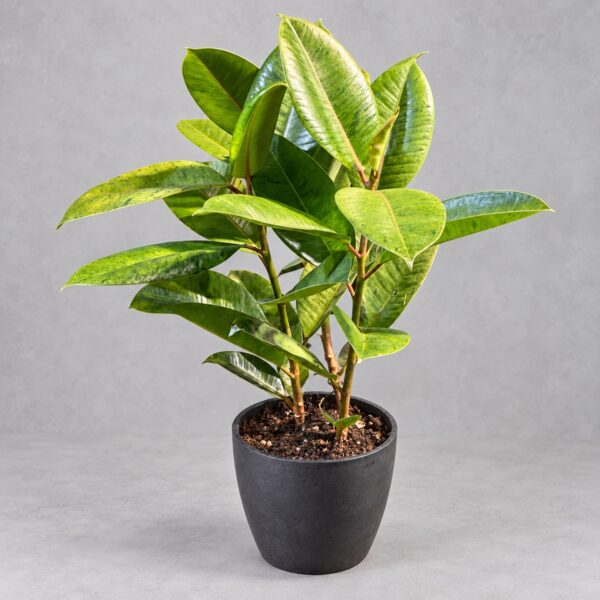
Ficus elastica 'Shivereana'
Ficus elastica 'Shivereana'
from HK$198.00
In stock · store pickup
View plant
FREE PLANT ADVICE
Send us a photo before you change anything
WhatsApp a photo of the plant and your window light. Our Causeway Bay team will suggest care steps or plants that suit your space.
STORE · CAUSEWAY BAY
4/F, 39 Yiu Wa Street, Causeway Bay
Daily 12:30–8:00pm · ~3 min walk from Times Square
Map & directionsPlant Care