
Plant Care

How to Care for Boulevard Cypress in Hong Kong | Plantjai

img 3475

Plantjai 植仔 · Care Encyclopedia

Boulevard Cypress

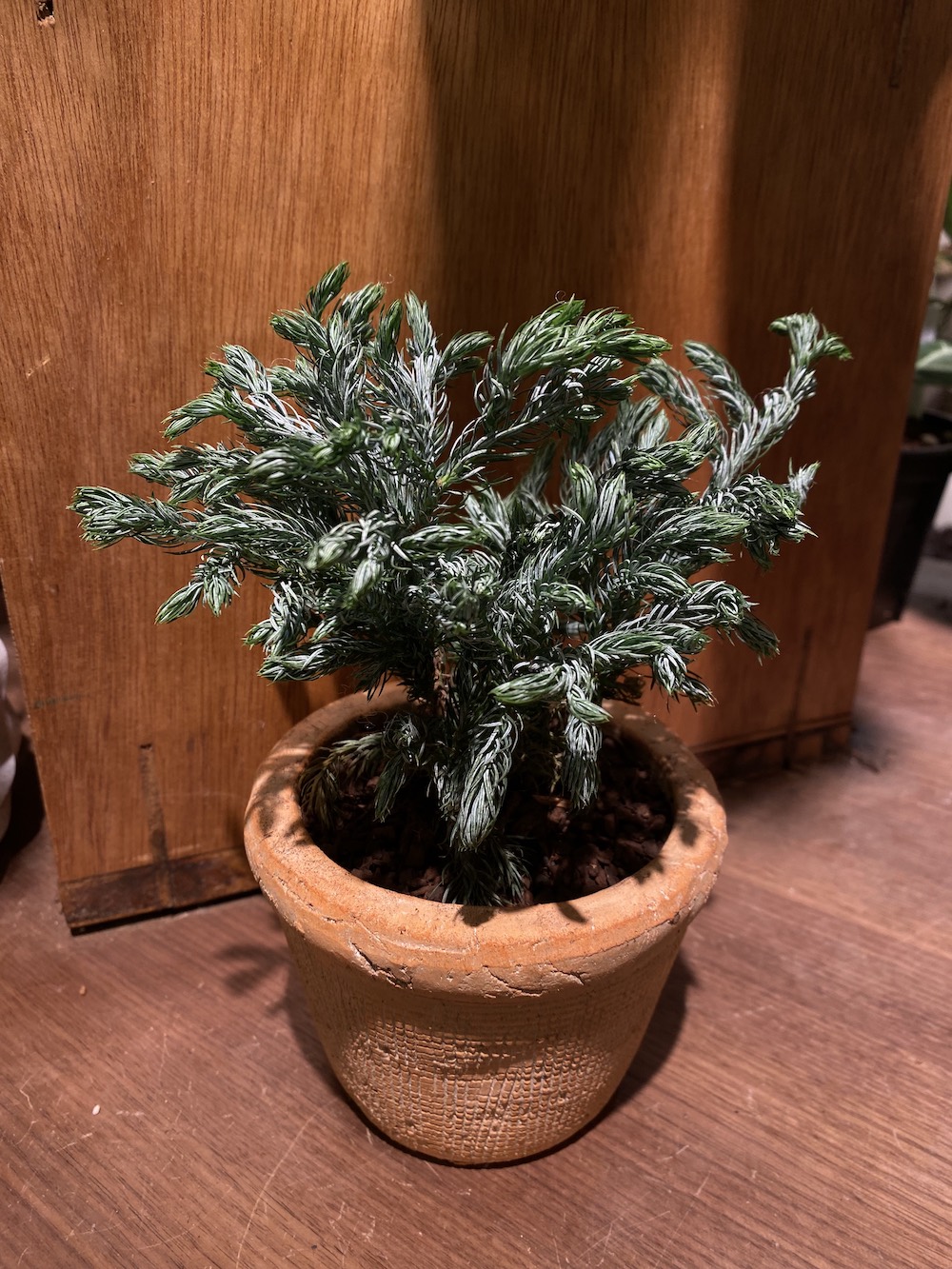
Boulevard Cypress 藍湖柏

Hong Kong care guide — useful before you buy and after it arrives.

Shop this plant

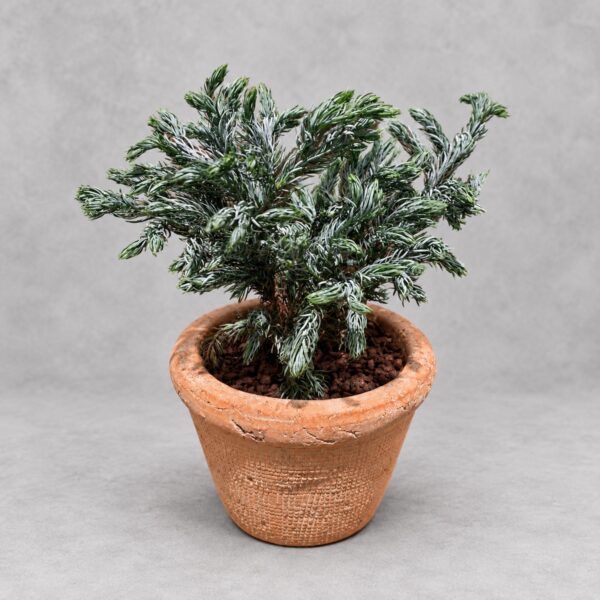
Soft, silvery-blue evergreen needles year-round — an elegant focal point for any garden.

Origin & characteristics

Boulevard Cypress is a cultivar of Japanese false cypress (Chamaecyparis pisifera), an evergreen conifer in the family Cupressaceae, with the wild species native to Japan. In Hong Kong it's typically grown as a small-to-medium ornamental tree or a large potted specimen, reaching 3–5 metres at maturity. Its greatest appeal is its silky-soft, silvery-blue to grey-blue needle foliage, evergreen year-round and taking on an even richer colour in cold winter temperatures. The canopy forms an elegant conical or columnar shape with a soft, feathery texture, offering a striking contrast to the typically stiff, spiky look of most conifers, and making it a highly sought-after colour accent plant in garden design.

Light

  • Full sun to partial sun both work, with at least 4–6 hours of direct light daily
  • Ample sunlight helps maintain the vivid silvery-blue colouring
  • Under Hong Kong's extreme summer heat, light shade can be tolerated to prevent leaf scorch
  • Indoors, place in the brightest available spot — prolonged indoor growing may cause the foliage to turn green and sparse

Watering

  • During the growing season (spring through autumn), keep the soil evenly moist, watering thoroughly once the top 3 cm dries out
  • Newly planted specimens need more frequent watering in the first year to help roots establish
  • Mature plants have some drought tolerance, but shouldn't be left in prolonged drought
  • Reduce watering frequency in winter, watering only once the soil is half dry
  • Avoid waterlogging — conifer roots are also vulnerable to root rot

Soil & pot

  • Use a well-draining, breathable, slightly acidic medium: quality potting soil + perlite + pine bark (roughly 6:3:1)
  • A small amount of peat can be added to adjust pH
  • For ground planting, ensure the site drains well, avoiding heavy, waterlogged soil
  • Potted specimens need a large pot with drainage holes, sized up gradually as the plant grows
  • A slow-release conifer or acid-loving plant fertiliser each spring is beneficial

Temperature & humidity

  • Optimal temperature: 15–25°C
  • Highly cold-hardy, tolerating temperatures as low as -15°C — well suited to the colder New Territories
  • Growth slows above 35°C in summer; provide appropriate shade and extra watering
  • Humidity of 40–70% is fine — quite adaptable
  • Hong Kong's overall climate suits this plant well, though summer heat needs extra attention

Common problems

IssueLikely causeWhat to do
Foliage turning green, losing blue tintInsufficient lightMove to a brighter position
Browning, wilting leaf tipsInsufficient watering or overly dry airIncrease watering frequency; mist to cool during high heat
Yellowing, dying foliage inside the canopyPoor ventilation or overwateringImprove ventilation, check drainage
Slow growthPot too small or nutrient deficiencyConsider repotting or fertilising
Rust-coloured spots on foliagePossible rust diseaseRemove diseased foliage, apply fungicide

⚠️ Plant safety note: Boulevard Cypress is generally not considered toxic, though some individuals may develop mild skin sensitivity from handling conifers. If anyone in your household is allergic to pine/cypress-family plants, avoid direct contact. This species is relatively safe around pets.

How to explain to customers

"What's great about Boulevard Cypress is its silvery-blue needles, which stay beautiful year-round and really stand out in a garden setting! It doesn't need much fuss — just water once the soil dries out."

"If you're growing it in a pot, remember to use a large one with drainage holes. It's fairly adaptable but still doesn't like waterlogging. A sunny balcony or garden spot suits it best."

Fun facts

Boulevard Cypress originated in the United States, bred by an American horticulturist in the early 20th century, and got its name because it was often planted along garden boulevards. Its silvery-blue leaf colour comes from a waxy protective coating on the leaf surface, which reflects blue light and reduces water evaporation — a clever adaptive design by the plant!

Keywords

Boulevard Cypress, cypress tree, conifer, silvery-blue foliage, evergreen tree, ornamental tree, well-draining soil, full sun, garden design, cold-hardy plant, large potted plant


In-depth care guide

Introduction

Boulevard Cypress (Chamaecyparis pisifera 'Boulevard'), also known as False Cypress, is an evergreen conifer shrub in the family Cupressaceae. Native to Japan, it's a cultivar of Japanese false cypress (Chamaecyparis pisifera) with a long history of cultivation in the horticultural world and a devoted following among gardeners globally.

'Boulevard's most iconic feature is its beautiful blue-silver foliage — a colour that's genuinely rare among evergreens, making it a striking focal plant in the garden. Its branches are soft and pendulous, forming an elegant, sweeping shape with a texture as soft as velvet to the touch. Over time, it develops into a tall, upright form with a slightly rounded crown, and can serve in gardens as a standalone specimen tree, a backdrop for mixed borders, or planted in a row as a natural screen or hedge.

Proven Winners' Soft Serve® False Cypress (Chamaecyparis pisifera 'Dow Whiting') is actually a "sport" (spontaneous mutation) of 'Boulevard', similarly featuring soft, graceful branches and charming blue-green foliage. According to Lakeside, 'Boulevard' is highly popular in British gardens for the distinctive vertical structure and year-round ornamental value it provides.

Light requirements

Boulevard Cypress needs ample sunlight to develop its most beautiful blue-silver foliage. Lakeside recommends choosing a position that receives at least 6 hours of direct sunlight daily. Under full sun, the foliage colour is at its most vivid and bright; if grown in too shady a spot, the leaves gradually become dull, losing their distinctive blue tint.

That said, in particularly hot regions, harsh midday sun may put some stress on 'Boulevard', potentially causing mild leaf scorch. In these cases, light afternoon shade can be helpful. Generally speaking, anything from full sun to partial sun (full sun to light shade) is acceptable.

If growing indoors, place Boulevard Cypress at the brightest windowsill available, such as one facing south or west. Note, however, that long-term indoor growing isn't ideal, since evergreen conifers generally need stronger light and good air circulation, which indoor environments often struggle to fully provide.

Temperature and hardiness

Boulevard Cypress is remarkably cold-hardy. According to Proven Winners, it can grow in USDA Hardiness Zones 4a to 8b, tolerating extreme cold down to -34°C (-30°F). This range covers most of North America and all of the UK, so it grows without issue in temperate climates.

In Hong Kong and other subtropical regions, Boulevard Cypress can also grow, but summer heat and humidity may put some stress on it. When growing in these regions, ensure the soil is extremely well-draining to avoid waterlogged root rot. Young plants may benefit from a little extra protection during particularly harsh winters, such as a layer of mulch at the base for warmth and moisture retention.

Watering

Boulevard Cypress has moderate water needs. For newly planted specimens, keep the soil consistently moist during the first few years, especially during dry spells, to help the root system establish. Lakeside recommends deep but infrequent watering, waiting until the top inch of soil has dried before watering again.

Once established (typically after 2–3 years), Boulevard Cypress becomes relatively drought-tolerant. D&M Garden Centre notes that mature plants are fairly drought-hardy, though watering during extended dry periods remains beneficial. Proven Winners rates its water needs as "Average" — moderate moisture is sufficient.

Importantly, while Boulevard Cypress needs regular watering, it absolutely cannot tolerate waterlogging. Overwatering and poor drainage are among the most common causes of death in conifers, leading to root rot. Water thoroughly to let moisture penetrate to deeper soil layers, encouraging downward root growth. Avoid frequent shallow watering, which keeps roots near the surface and weakens the plant's drought resilience.

Soil requirements

Boulevard Cypress is fairly adaptable to soil type, but prefers well-draining, moist, organically rich, slightly acidic to neutral soil (pH 5.5–7.0). It can adapt to various soil types including sandy soil, loam, and clay, but the key is always good drainage.

Lakeside cautions against planting in heavy clay or waterlogged spots, since these conditions easily lead to root rot. If the planting site has heavy clay soil, improve it with:

  • Generous organic matter (such as compost, leaf mould, or peat moss) to improve soil structure
  • Coarse sand or perlite mixed in to increase drainage
  • If potted, ensure the pot has ample drainage holes

For potted specimens, use a potting mix designed for evergreens or conifers, or make your own with:

  • 3 parts quality potting soil
  • 1 part coarse sand or perlite
  • 1 part peat moss or leaf mould

Fertilising

Boulevard Cypress isn't a heavy feeder, but moderate fertilising helps maintain healthy growth and vibrant foliage colour. Lakeside recommends a balanced slow-release fertiliser in early spring, particularly beneficial if the soil is nutrient-poor. Proven Winners recommends applying a slow-release fertiliser formulated for evergreens in early spring, following the package's suggested amount.

Avoid over-fertilising, as excess nutrients lead to soft, weak growth, which in turn increases susceptibility to pests and disease. For ground-planted specimens, one annual spring application of slow-release fertiliser is usually sufficient. Potted plants can be fertilised once each in spring and summer, since potting soil loses nutrients faster.

If you notice slow new growth or pale foliage colour, this may signal nutrient deficiency, and fertilising should be considered. But remember, conifers generally grow slowly, so don't expect rapid growth even with good care.

Pruning

One of Boulevard Cypress's greatest strengths is that its natural growth form is already beautiful, so special pruning usually isn't necessary. Lakeside notes that pruning is generally not essential for Boulevard Cypress.

However, if you want to control its size or shape, light pruning can be done:

  • Timing: the best pruning time is late spring or early summer, after new growth has emerged
  • Method: only trim fresh green new growth to maintain the desired shape
  • Caution: never cut into older woody sections, since evergreen conifers generally don't resprout from old wood

Regularly checking for and removing any dead, damaged, or weak branches keeps the plant tidy and healthy. If you find part of the plant becoming sparse or oddly shaped, light pruning can stimulate new growth for a denser plant.

For hedge use, light pruning once or twice a year helps maintain a neat shape. Use sharp, clean tools when pruning to avoid tearing branches and creating wounds.

Propagation

Boulevard Cypress is mainly propagated through cuttings, though success rates can vary. General cutting steps are as follows:

  1. Select cuttings: in late summer to early autumn, choose healthy semi-hardwood branches, cutting about 4–6 inches long
  2. Prepare cuttings: remove lower leaves, keeping a small amount of foliage at the top
  3. Use rooting hormone: dipping the cut end in rooting powder improves success rates
  4. Insert into medium: plant in moist, loose cutting soil or a mix of perlite and peat moss
  5. Maintain conditions: maintain high humidity and stable temperature (around 15–20°C), avoiding direct sunlight
  6. Wait for rooting: rooting typically begins after roughly 6–12 weeks

'Boulevard' occasionally produces natural root suckers or layering along its branches, which can be carefully separated and transplanted. Seed propagation is less commonly used for cultivars, since offspring may not retain the parent plant's characteristics.

Pest and disease management

Boulevard Cypress generally has good resistance to pests and disease, but under certain conditions problems can arise:

Diseases

  • Canker: appears as branch dieback or resin oozing from the bark. If found, immediately remove the affected section and ensure good air circulation around the plant
  • Root rot: caused by overwatering or poor drainage. Prevention is better than cure — ensure good soil drainage

Pests

  • Spider mites: most common in dry, hot environments, causing leaves to yellow. Regular misting can increase humidity and help prevent spider mites
  • Aphids: occasionally infest fresh new growth, treatable with a strong water spray or insecticidal soap
  • Scale insects: may appear on branches, removable with an alcohol-soaked cotton swab

The best way to prevent pests and disease is to maintain a healthy growing environment: proper light, good air circulation, moderate watering, and avoiding over-fertilising. Regular inspection allows for early detection and treatment.

Common problems and solutions

Foliage turning green, losing blue lustre

Usually caused by insufficient light. 'Boulevard' needs ample sunlight to maintain its distinctive blue-silver foliage. Move the plant to a brighter position.

Sparse branches, bare interior

May result from uneven light exposure or lack of pruning. Ensure all sides of the plant receive light, and light pruning can stimulate new branch growth where needed.

Yellowing or browning leaves

Could result from various causes: overwatering or underwatering, poor soil drainage, pests, or disease. Check soil moisture and root health, and look for signs of pest infestation.

Slow growth

Boulevard Cypress is naturally a slow grower, so this needn't cause too much concern. But if growth stalls completely, it may indicate nutrient-poor soil, insufficient light, or root problems. Proper fertilising and checking the root system can help diagnose the issue.

Winter protection

Although 'Boulevard' is very cold-hardy, young plants may benefit from a little protection during particularly harsh winters. A 2–3 inch layer of mulch (such as bark chips or straw) at the base helps with warmth and moisture retention. In extreme conditions, wrapping the plant in horticultural fleece can help.

Toxicity note

Boulevard Cypress has no known toxicity to humans or pets, and is generally considered a safe garden plant. However, as with all conifers, no part should be eaten. No special protection is generally needed when handling the plant, but if you have plant allergies, gloves are recommended. Households with pets or children can grow it with peace of mind.

參考資料(想知來源可展開)

References

Boulevard Cypress

Plantjai shop · In stock online

Boulevard Cypress

Chamaecyparis pisifera

HK$198.00

Hong Kong delivery · Causeway Bay pickup

For Hong Kong homes and offices. Stock and pricing follow the product page.