
How to Care for Begonia Tingley Mallet in Hong Kong | Plantjai


Plantjai 植仔 · Care Encyclopedia
Begonia Tingley Mallet
Hong Kong care guide — useful before you buy and after it arrives.
Shop this plantA 140-year-old classic French velvet-leaf begonia, with purple-red foliage and pink flowers of real elegance.
Brand: Plantjai
Classification: genus Begonia · Mallet-type (shrub-like cane type)
Toxicity: ⚠️ This plant contains calcium oxalate crystals, toxic to pets and children — keep away from ingestion
Origin & characteristics
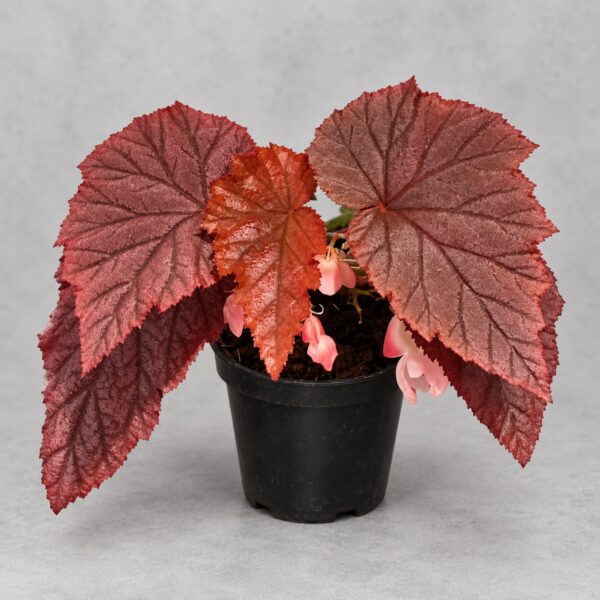
Tingley Mallet is a classic European heirloom cultivar, bred around 1884–1886 by M. Lionnet of Jouy-en-Josas, France, as a cross between Begonia 'Eldorado' and Begonia incarnata var. purpurea. Its leaves range from purple-red to mahogany, covered in fine velvety hairs that feel soft as silk to the touch; drooping flower spikes produce vivid pink blooms that contrast strikingly against the dark foliage. Plants reach 45–60 cm tall, and while classified as a Mallet-type cane begonia, it actually grows in more of a shrub-like habit.
Light
- Ideal light: primarily bright, diffused light, tolerating a little gentle morning sun
- Placement: 50–100 cm from an east-facing window, or 1.5–3 metres from a south-facing window
- Winter adjustment: in winter's weaker sun, it can tolerate more direct light, which helps promote flowering
- Avoid: harsh summer midday direct sun, which scorches the velvety leaves, causing fading or crisp edges
- Signs of insufficient light: leaf colour turning greener, reduced flowering, weak leggy stems
- Tip: the velvety leaf surface helps reflect light, so this cultivar tolerates slightly stronger light better than smooth-leaved begonias
Watering
- Frequency: water once the soil surface is dry about 5 cm down; once or twice weekly in summer, halved in winter
- Method: water thoroughly until it drains from the pot's base, avoiding a half-wet, half-dry state; never let it sit waterlogged
- Water quality: room-temperature water is best; cold water shocks the roots
- Note: the velvety leaves dislike getting wet — avoid the leaves when watering, to prevent moisture retention and rot
- Judging timing: insert a finger about two knuckles deep into the soil; water once it feels dry
- Tip: growth slows in winter, so it's better to let the soil run slightly drier than to overwater
Soil & pot
- Soil recipe: an organic-matter-rich, loose substrate
- Recommended ratio: peat moss 50% + perlite 25% + leaf mould 15% + coarse river sand 10%
- Or use a dedicated Plantjai begonia soil mix
- pH: 6.0–7.0 (slightly acidic to neutral)
- Pot selection: terracotta offers good breathability, suiting this cultivar's dislike of waterlogging; the pot base must have drainage holes
- Repotting timing: repot once a year in spring, sizing up by one pot size only
Temperature & humidity
- Optimal temperature: 18–27°C
- Tolerance range: 7–35°C, one of the more temperature-tolerant begonia cultivars
- Humidity requirement: 40–60%
- Humidity boosting methods:
- Occasionally mist the surrounding air (avoiding the leaves)
- Group with other plants nearby to raise humidity together
- Use a humidifier in dry seasons
- Summer note: ensure good ventilation in hot, humid conditions to avoid stuffiness
- Winter note: protect from cold drafts; 10°C or above is a safe overwintering temperature
Common problems
| Issue | Likely cause | What to do |
|---|---|---|
| Leaves fading to plain green | Insufficient light | Move to a brighter position, increase diffused light |
| Scorched, browning leaf edges | Harsh direct sun or air too dry | Shield from strong light, increase surrounding humidity |
| Little or no flowering | Insufficient light or excess nitrogen fertiliser | Increase light, switch to a phosphorus-potassium-rich fertiliser |
| Leaves yellowing and dropping | Overwatering | Reduce watering, check pot drainage |
| Water-marked spots on velvety leaves | Leaves wetted and poor ventilation afterward | Avoid wetting the leaves when watering, improve air circulation |
| Leggy, thin stems | Insufficient light | Move to a brighter position, prune the growing tip if necessary |
How to explain to customers
"Tingley Mallet is a classic French cultivar with over a century of history — the purple-red velvety leaves feel so soft to the touch, and when it flowers, those pink blooms hang down beautifully, so elegant."
"It's not too difficult to care for either — just remember not to water the leaves, and don't let the roots sit waterlogged, and even beginners can manage it."
"This one can grow quite tall and full, so it makes a great feature plant for a living room or study, instantly elevating the whole space."
Fun facts
Tingley Mallet is a French heirloom cultivar bred in 1884 — a genuine "living antique" with over 140 years of history, and one of the few classic begonias from that era still widely grown and loved today. The name "Mallet" describes the shape of its flower spike, said to resemble a wooden mallet, while "Tingley" commemorates a British horticultural collector of that era.
Keywords
Tingley Mallet Begonia, Begonia Tingley Mallet, classic begonia, French begonia, velvet-leaf begonia, purple-red foliage plant, Mallet-type begonia, indoor flowering plant, Hong Kong potted plant, Plantjai, begonia care, heirloom cultivar, toxic to pets
參考資料(想知來源可展開)
References
- American Begonia Society. Mallet Begonias. https://www.begonias.org/
- RHS. Begonias as Houseplants. https://www.rhs.org.uk/plants/begonias/houseplants
- ASPCA. Begonia – Toxic and Non-Toxic Plants. https://www.aspca.org/pet-care/animal-poison-control/toxic-and-non-toxic-plants/begonia
In-depth care guide
Introduction
Tingley Mallet is a genuine heirloom among ornamental begonias, bred around 1884–1886 by M. Lionnet in Jouy-en-Josas, France, through a cross between Begonia 'Eldorado' and Begonia incarnata var. purpurea. Now well over 140 years old, it remains in cultivation today, a testament to the enduring appeal of its distinctive velvety, purple-red foliage combined with an unusually generous flowering habit. It belongs to the Mallet-type group within the broader cane begonia family, though its growth habit tends toward a fuller, more shrub-like form than the typically taller, more upright cane types.
The plant's most distinctive feature is its leaf texture and colour — a rich purple-red to deep mahogany, covered in fine velvety hairs that give it a genuinely soft, tactile quality unlike almost any other common begonia. Against this dark backdrop, the drooping spikes of vivid pink flowers create striking visual contrast, a combination that has kept this cultivar popular with collectors for well over a century.
Light requirements
Tingley Mallet does best in primarily bright, diffused light, tolerating a little gentle morning sun. Position it 50–100 cm from an east-facing window, or 1.5–3 metres from a south-facing window. Interestingly, in winter when sunlight is naturally weaker, this cultivar can tolerate more direct exposure, which actually helps promote flowering during the cooler months.
Harsh summer midday direct sun should still be avoided, since it will scorch the velvety leaf surface, causing fading or crisp brown edges. Insufficient light shows up as leaf colour shifting toward a plainer green, reduced flowering, and weak, leggy stem growth. One useful quirk of this cultivar: the velvety leaf surface actually helps reflect excess light, meaning Tingley Mallet tolerates slightly stronger light conditions better than smooth-leaved begonia varieties.
Watering
Water once the soil surface is dry to a depth of about 5 cm, which typically works out to once or twice weekly in summer, halved in winter. Water thoroughly until it drains from the pot's base, avoiding a half-wet, half-dry state, and never let the plant sit in standing water. Use room-temperature water, since cold water shocks the root system.
A particular care point for this cultivar: the velvety leaves genuinely dislike getting wet. Avoid splashing water onto the leaves when watering, since moisture retained on the velvety surface easily leads to rot. Test soil moisture by inserting a finger about two knuckles deep, watering once it feels dry. Growth slows considerably in winter, so it's generally safer to let the soil run slightly drier than to risk overwatering during this period.
Soil and pot
An organic-matter-rich, loose substrate suits Tingley Mallet well. A recommended recipe combines peat moss (50%), perlite (25%), leaf mould (15%), and coarse river sand (10%), maintaining a pH of 6.0–7.0. A dedicated begonia potting mix works well too if you'd rather not blend your own.
Terracotta pots offer good breathability, which suits this cultivar's dislike of waterlogged conditions, and the pot base must have drainage holes. Repot once a year in spring, sizing up by only one pot size at a time to avoid an oversized container that retains excess moisture.
Temperature and humidity
Tingley Mallet grows best between 18°C and 27°C, but is notably one of the more temperature-tolerant begonia cultivars, able to handle a broader range of 7–35°C without serious harm. Humidity should ideally sit between 40% and 60% — a comparatively modest requirement compared with many other ornamental begonias.
Ways to raise humidity include occasional misting of the surrounding air (avoiding the leaves directly), grouping the plant with others nearby, and using a humidifier during particularly dry seasons. In summer, ensure good ventilation in hot, humid conditions to avoid stuffiness, and in winter, protect the plant from cold drafts, keeping it above 10°C for safe overwintering.
Common problems in detail
Leaves fading to plain green points to insufficient light — move the plant to a brighter position with more diffused light.
Scorched, browning leaf edges typically result from harsh direct sun or air that's too dry — shield the plant from strong light and increase surrounding humidity.
Little or no flowering can indicate insufficient light or excess nitrogen fertiliser — increase light exposure and switch to a fertiliser higher in phosphorus and potassium relative to nitrogen.
Yellowing, dropping leaves signal overwatering — reduce watering frequency and check that the pot drains properly.
Water-marked spots on the velvety leaves result from the leaves being wetted and then not drying properly due to poor ventilation — avoid wetting the leaves when watering and improve air circulation around the plant.
Leggy, thin stems indicate insufficient light — move to a brighter position, and prune the growing tip if needed to encourage bushier growth.
Toxicity information
Tingley Mallet contains calcium oxalate crystals throughout the plant, toxic to pets and children if ingested. Keep the plant well out of reach, and wash your hands after handling or pruning.
References
- American Begonia Society. Mallet Begonias. https://www.begonias.org/
- RHS. Begonias as Houseplants. https://www.rhs.org.uk/plants/begonias/houseplants
- ASPCA. Begonia – Toxic and Non-Toxic Plants. https://www.aspca.org/pet-care/animal-poison-control/toxic-and-non-toxic-plants/begonia
- Missouri Botanical Garden. Begonia – Cane/Mallet Begonia Group. Plant Finder. http://www.missouribotanicalgarden.org/PlantFinder/
Plantjai shop · In stock online
Begonia Tingley Mallet
HK$168.00
Hong Kong delivery · Causeway Bay pickup
For Hong Kong homes and offices. Stock and pricing follow the product page.
IN STORE NOW
Plants for this guide
Related plants in stock now — live prices, delivery or Causeway Bay pickup.
FREE PLANT ADVICE
Send us a photo before you change anything
WhatsApp a photo of the plant and your window light. Our Causeway Bay team will suggest care steps or plants that suit your space.
STORE · CAUSEWAY BAY
4/F, 39 Yiu Wa Street, Causeway Bay
Daily 12:30–8:00pm · ~3 min walk from Times Square
Map & directionsPlant Care