
How to Care for Begonia Looking Glass in Hong Kong | Plantjai


Plantjai 植仔 · Care Encyclopedia
Begonia Looking Glass
Hong Kong care guide — useful before you buy and after it arrives.
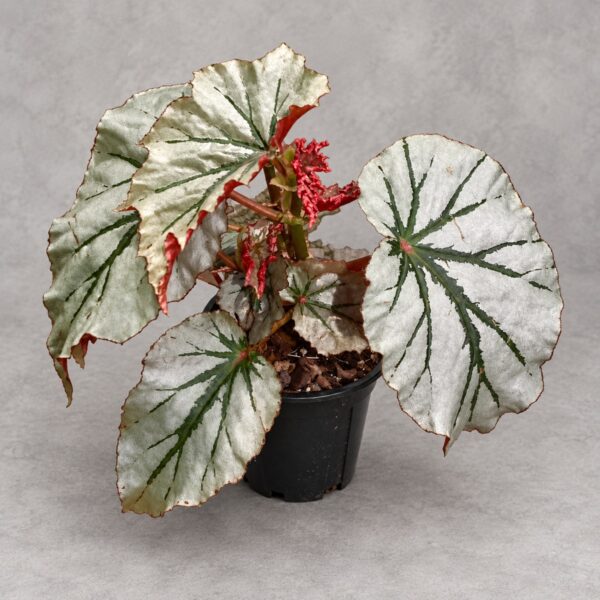
Shop this plantMirror-bright silver leaves with a metallic shimmer and a wine-red underside — utterly dazzling.
Origin & characteristics
Also known as the Silver Rex Begonia, Looking Glass belongs to the Rex-cultorum group of hybrids bred from various tropical and subtropical begonia species; some sources also classify it among the cane begonias. Its standout feature is the large, silvery-white leaves crossed with olive-green veins, with an underside in an intoxicating wine-red — like a genuine looking glass. The plant grows upright, reaching up to 60 cm tall, and produces clusters of small pink flowers in spring and summer, making it an exceptionally high-value foliage plant. The whole plant contains calcium oxalate crystals and is toxic if ingested, potentially causing oral irritation and gastrointestinal upset.
Light
- Prefers bright, diffused light — an east-facing windowsill or a spot a few steps back from a south-facing window works best
- Bright, indirect light makes the silvery metallic sheen even more striking
- Avoid direct sun, which scorches and fades the leaves, dulling the mirror-like effect
- Too little light makes the leaf colour dull and the growth loose and leggy
- Aim for a light intensity of roughly 1,500–3,000 lux at the leaf surface
- Rotate the pot a quarter turn each week to keep growth even
Watering
- Water once the topsoil is dry about 2–3 cm down, roughly every 5–7 days during the growing season
- The finger test or "lift the pot" method is more reliable than a fixed schedule for judging soil moisture
- Keep the soil evenly lightly moist, never waterlogged
- Reduce watering frequency in winter as growth slows
- Water directly onto the soil, avoiding the leaves, to prevent fungal growth
- Empty any standing water from the saucer promptly — Rex begonias rot very easily
- Use room-temperature water, avoiding overly cold or highly mineralised tap water
Soil & pot
- Choose a light, loose, excellent-drainage substrate
- Recommended recipe: peat-free potting mix + perlite / orchid bark (1/8–1/4 inch, for extra airflow)
- A shallow-rooted plant with a horizontally spreading rhizome — choose a wide, shallow pot
- Must have drainage holes; terracotta is more breathable than plastic
- When repotting, let the rhizome sit slightly proud of the soil surface — never bury it deep
- If using a decorative cachepot, keep the plant in its original growing pot inside it
Temperature & humidity
| Factor | Ideal range | Notes |
|---|---|---|
| Temperature | 18–24°C | Prolonged temperatures below 18°C can trigger dormancy; avoid cold drafts |
| Humidity | 50–70% | Pebble trays or a humidifier can help |
- Keep away from AC vents, heaters, and drafty doors/windows
- Good air circulation is essential — stagnant, warm conditions invite powdery mildew
- Avoid misting the leaves directly
- Grouping with other foliage plants naturally raises local humidity
Common problems
| Issue | Likely cause | What to do |
|---|---|---|
| Silvery sheen dulling | Light too strong or too weak | Adjust to a stable, bright, diffused position, away from direct sun |
| Powdery mildew (white powder on leaves) | Poor air circulation, humidity too high | Trim affected leaves, improve ventilation; a diluted baking soda solution (1 tbsp + 3 drops dish soap + 1 gallon water) sprayed every 10–14 days can help prevent it |
| Rhizome rot | Overwatering or rhizome buried too deep | Reduce watering, check rhizome position, repot if necessary |
| Winter leaf drop | Short days and low temperatures triggering semi-dormancy | Reduce watering, keep warm, and let it recover naturally in spring — avoid overwatering |
| Scorched leaf edges | Humidity too low or fertiliser too concentrated | Increase humidity; dilute fertiliser to half strength |
| Water-marked spots on leaves | Water splashed onto leaves during watering | Water along the pot's edge instead, keeping leaves dry |
How to explain to customers
"Looking Glass really steals the show — the silvery leaves catch the light like a mirror, and the underside is red, so it instantly elevates the whole room. Just remember, no direct sun, or that silver sheen will scorch. Water only when the topsoil's dry, and never let the pot sit in water — Rex begonias rot fast. If it drops a few leaves in winter, don't panic, that's just normal dormancy — water less and let it wake up on its own."
Fun facts
Looking Glass's silvery leaf surface isn't pigment at all — it's a "metallic reflection" effect created by a special arrangement of leaf cells, similar to the structural colour seen on certain butterfly wings, which is why the sheen subtly shifts depending on the viewing angle.
Keywords
Looking Glass Begonia, Begonia Looking Glass, Silver Rex Begonia, cane begonia, foliage plant, metallic sheen leaves, silvery-white leaves, red leaf underside, indoor plant, bright diffused light, high humidity plant, toxic plant, rhizome propagation, leaf cutting propagation
參考資料(想知來源可展開)
References
- American Begonia Society. Rex Begonias. https://www.begonias.org/
- RHS. Begonias as Houseplants. https://www.rhs.org.uk/plants/begonias/houseplants
- ASPCA. Begonia – Toxic and Non-Toxic Plants. https://www.aspca.org/pet-care/animal-poison-control/toxic-and-non-toxic-plants/begonia
⚠️ Toxicity warning: Looking Glass contains calcium oxalate crystals throughout the plant and is toxic if ingested, potentially causing oral irritation and gastrointestinal upset in both humans and pets. Keep out of reach of children and pets, and wash your hands after handling.
In-depth care guide
Introduction
Looking Glass is a striking member of the Rex-cultorum group, the vast collection of ornamental begonia hybrids descended from Begonia rex, originally native to the humid subtropical hills of Assam. What sets Looking Glass apart even within this dazzling group is the sheer scale and intensity of its silver colouring — broad, silvery-white leaves traced with olive-green veins, paired with a deep wine-red underside that gives the cultivar its evocative name. Under the right light, the effect really is like looking into a slightly imperfect antique mirror.
Like all Rex-cultorum begonias, Looking Glass is a rhizomatous plant, growing from a thick, creeping underground or surface-level stem rather than a conventional upright trunk. This rhizome anchors the plant and stores reserves of water and energy, but it's also the single greatest vulnerability in cultivation — persistent moisture around the rhizome leads to rot far more readily than most growers expect, often catching new begonia keepers off guard.
Light requirements
Looking Glass needs bright, diffused light to develop and maintain its signature metallic sheen. An east-facing windowsill, catching gentle morning sun, is ideal, as is a position a few steps back from a south-facing window where the light has been softened by distance or a sheer curtain. Aim for roughly 1,500–3,000 lux at the leaf surface if you want to measure it precisely with a light meter app.
Direct sun is the clearest danger here — even a short period of harsh midday light will scorch the leaves and fade the silvery colouring, undermining the very quality that makes this cultivar desirable. On the flip side, insufficient light causes the colour to turn flat and dull, and the plant becomes loose and leggy as it stretches toward whatever light is available. Rotating the pot a quarter turn weekly helps maintain an even, balanced shape as the plant naturally leans toward its strongest light source.
Watering
Water once the topsoil has dried out to a depth of about 2–3 cm, typically every 5–7 days during active growth. Rather than watering on a fixed schedule, use the finger test or simply lift the pot to gauge its weight — both are more reliable indicators of actual soil moisture than the calendar. Keep the soil evenly, lightly moist at all times, but never let it become waterlogged.
Water should always go directly onto the soil rather than over the foliage, since moisture sitting on the leaves creates ideal conditions for fungal growth. After a thorough soak, empty any water that collects in the saucer promptly — Rex begonias are notably prone to rot, and even a short period of standing water can cause lasting damage to the rhizome. Use room-temperature water, and if your tap water is heavily chlorinated or mineral-rich, consider filtered water or rainwater instead.
Soil and pot
This cultivar needs a light, loose, exceptionally well-draining substrate. A useful mix combines peat-free potting soil with perlite and fine orchid bark (roughly 1/8–1/4 inch pieces) to maximise airflow around the shallow root system. Because the rhizome spreads horizontally along the soil surface rather than growing deep, a wide, shallow pot is far more suitable than a deep one.
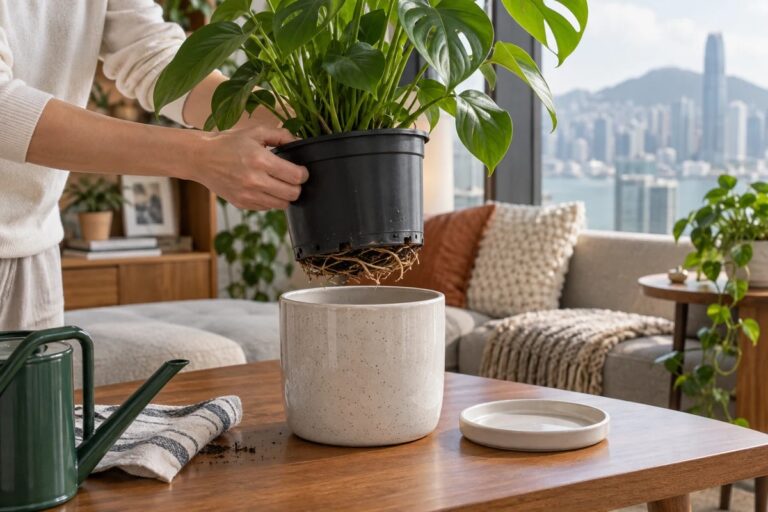
The pot must have drainage holes, and terracotta is generally the better choice over plastic for the additional breathability it offers. When repotting, position the rhizome so it sits slightly proud of the soil surface rather than buried, which helps prevent the moisture buildup that leads to rot. If you'd prefer to use a decorative pot without drainage, keep the plant in its original growing pot and simply nest that inside the decorative cachepot, removing it to drain after watering.
Temperature and humidity
Looking Glass grows best between 18°C and 24°C. Prolonged exposure to temperatures below 18°C can trigger dormancy, so keep the plant away from cold drafts, particularly during Hong Kong's cooler winter months near windows and doors. Humidity should ideally sit between 50% and 70%, which can be maintained with a pebble tray or humidifier as needed.
Keep the plant well away from AC vents, heating units, and drafty gaps around doors and windows. Good air circulation matters just as much as humidity — stagnant, warm, humid air is the perfect breeding ground for powdery mildew, one of the most common issues affecting this cultivar. Avoid misting the leaves directly, since damp foliage is itself a magnet for fungal problems; grouping the plant with other foliage plants is a safer way to raise ambient humidity naturally.
Common problems in detail
Dulling silvery sheen results from light that's either too strong or too weak — adjust to a stable position with bright, diffused light, avoiding both harsh direct sun and dim corners.
Powdery mildew, showing as a white powdery film on the leaves, stems from poor air circulation combined with excess humidity — trim off badly affected leaves, improve airflow, and consider a preventive spray of diluted baking soda solution (1 tablespoon baking soda, 3 drops dish soap, 1 gallon water) every 10–14 days.
Rhizome rot typically follows overwatering or a rhizome planted too deep — reduce watering frequency, check the rhizome's position relative to the soil surface, and repot if necessary.
Winter leaf drop is usually triggered by shorter days and cooler temperatures inducing semi-dormancy — reduce watering, keep the plant warm, and allow it to recover naturally once spring arrives; resist the urge to overwater in an attempt to revive it.
Scorched, crisp leaf edges point to humidity that's too low or fertiliser applied too concentrated — raise ambient humidity and always dilute fertiliser to half the recommended strength.
Water-marked spots on the leaves come from splashing during watering — switch to watering along the pot's rim to keep the foliage consistently dry.
Toxicity information
Looking Glass contains calcium oxalate crystals throughout the plant, and is toxic if chewed or ingested by either humans or pets, potentially causing oral irritation and gastrointestinal upset. Keep the plant well out of reach of children and pets, and wash your hands thoroughly after handling or pruning.
References
- American Begonia Society. Rex Begonias. https://www.begonias.org/
- RHS. Begonias as Houseplants. https://www.rhs.org.uk/plants/begonias/houseplants
- ASPCA. Begonia – Toxic and Non-Toxic Plants. https://www.aspca.org/pet-care/animal-poison-control/toxic-and-non-toxic-plants/begonia
- Missouri Botanical Garden. Begonia rex-cultorum Group. Plant Finder. http://www.missouribotanicalgarden.org/PlantFinder/
Plantjai shop · In stock online
Begonia 'Looking Glass'
Begonia 'Looking Glass'
HK$198.00
Hong Kong delivery · Causeway Bay pickup
For Hong Kong homes and offices. Stock and pricing follow the product page.
IN STORE NOW
Plants for this guide
Related plants in stock now — live prices, delivery or Causeway Bay pickup.
FREE PLANT ADVICE
Send us a photo before you change anything
WhatsApp a photo of the plant and your window light. Our Causeway Bay team will suggest care steps or plants that suit your space.
STORE · CAUSEWAY BAY
4/F, 39 Yiu Wa Street, Causeway Bay
Daily 12:30–8:00pm · ~3 min walk from Times Square
Map & directionsPlant Care