
How to Care for Anthurium Warocqueanum in Hong Kong | Plantjai

Plantjai 植仔 · Care Encyclopedia
Anthurium Warocqueanum
Hong Kong care guide — useful before you buy and after it arrives.
Shop this plantA velvety queen with leaves reaching up to a metre long — a dream acquisition for every Anthurium collector.
Origin & characteristics
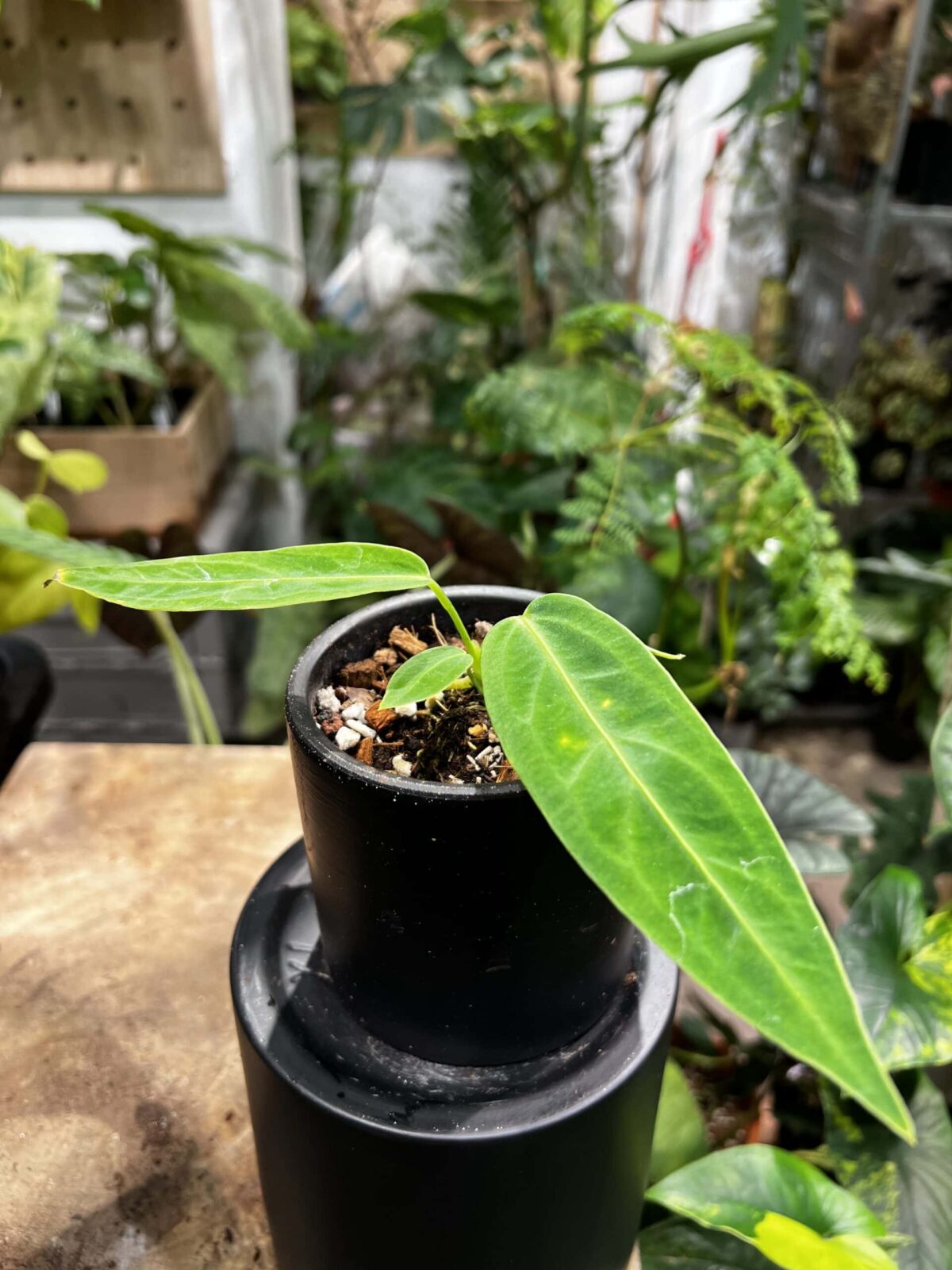
Queen Anthurium is native to Central and South American tropical rainforest, and is one of the rarest species within the Anthurium genus of the Araceae family. Its most distinctive feature is its elongated, lance-shaped velvety leaves, with mature plants producing leaves exceeding a metre in length, the leaf surface featuring silver-white venation, giving it an elegant, luxurious quality. It's an epiphytic plant, growing mostly on large tree trunks and branches in the wild, so it has particularly high requirements for air circulation and humidity.
Light
Prefers bright, diffused light, avoiding direct sunlight. An east- or north-facing windowsill is ideal. Light too strong will scorch the leaves, causing yellow-brown burn spots; light too weak leads to slow growth and progressively smaller leaves. Indoors, position it 1–2 metres from a window, or use a sheer curtain to filter the light.
Watering
Follow the principle of "half dry, thoroughly wet." Wait until the top 2–3 cm of soil has dried before watering, and water thoroughly each time, letting excess water drain from the base. Roughly every 5–7 days, adjusted by season, reducing frequency in winter. It's strongly recommended to use filtered water, rainwater, or tap water left to stand, avoiding cold water that shocks the roots. A soak method can also be used, submerging the pot in a water basin for 15–20 minutes to let the soil absorb water naturally.
Soil & pot
Needs an extremely well-draining, aerated medium. A recommended recipe combines orchid bark, pine bark, perlite, and sphagnum moss, or you can directly use a pre-mixed Anthurium/orchid-specific substrate. Drainage holes at the base are essential — either a ceramic pot or breathable plastic pot works. Repot once every 1–2 years, ideally in spring. When repotting, check the roots and trim away any rotten parts.
Temperature & humidity
Ideal temperature is 18–27°C, never below 15°C. Humidity requirements are extremely high, with ideal humidity above 70% — below 60%, leaf margins easily become crispy and scorched. A humidifier is recommended, or placing the pot on a shallow tray filled with pebbles and water (making sure the pot's base doesn't touch the water directly). Avoid placing near AC vents or doors/windows, to prevent temperature fluctuations.
Common problems
- Scorched leaf margins: usually caused by humidity too low or water too hard. Increase misting frequency, switch to filtered water or rainwater.
- Soft, drooping leaves: may indicate underwatering or root problems. Check soil moisture and root health.
- Stalled growth: insufficient light or temperature too low. Adjust placement, ensure a warm, stable environment.
- Brown spots on leaves: direct sunlight causing scorching, or fungal infection. Move to a shadier spot, keep the leaf surface dry.
How to explain to customers
"Queen Anthurium is the ceiling of the Anthurium world — its leaves grow to a metre long, and the velvety texture is genuinely stunning! It's a bit more demanding though — humidity needs to be high, and it can't take direct sun, so it's best suited to more experienced plant friends."
Fun facts
In the wild, Queen Anthurium can produce giant leaves exceeding a metre in length, making it one of the most dramatic species within the Anthurium genus, earning it the nickname "Queen Anthurium."
Keywords
Queen Anthurium, Anthurium warocqueanum, Queen Anthurium, Anthurium, Araceae, velvet leaf, high humidity, bright diffused light, aerated medium, foliage plant, rare cultivar
⚠️ Toxicity note: Queen Anthurium contains calcium oxalate crystals throughout, toxic to humans and pets. Ingestion may cause oral burning and swelling. Wear gloves when handling and wash hands thoroughly after contact. Keep out of reach of children and pets.
In-depth care guide
Introduction
Queen Anthurium (Anthurium warocqueanum) is a perennial evergreen epiphytic plant within the Anthurium genus of the Araceae family, native to the tropical rainforests of Colombia. Its species name "warocqueanum" honours the Belgian industrialist and horticulturist Arthur Warocqué (1835–1880), who made significant contributions to advancing Belgian horticulture.
Queen Anthurium is one of the most renowned — and most expensive — species within the Anthurium genus, earning it the title "Queen of Anthuriums." Its most captivating feature is its leaves: long, lance-shaped, deep green to dark forest green, with a velvety sheen on the surface and clearly raised venation, with mature leaves growing to exceed 1.8 metres! Though it presents a visually velvety impression, the actual texture is more leather-like and firm.
Queen Anthurium was first discovered by botanist Gustav Wallis in the rainforests of Colombia in 1872. In its natural environment, it grows as an epiphyte or hemi-epiphyte — meaning it grows on other plants (usually large trees), clinging to trunks and branches, rather than growing directly in soil.
Queen Anthurium is expensive not just because of its beauty, but also because of limited supply, slow growth, and relatively demanding care requirements. A mature plant with several attractive leaves can easily fetch well over a thousand dollars.
Light requirements
Queen Anthurium needs bright but indirect light. In its native habitat, it grows in the understorey of the rainforest canopy, accustomed to sunlight filtered through layers of leaves above.
The best indoor placements include an east-facing window (gentle morning sun), a spot several feet from a south- or west-facing window, or a bright window filtered with a sheer curtain. Never let direct sunlight hit the plant, especially strong midday summer sun, which will quickly cause sunburn spots on the leaves. If you notice the leaf colour fading or edges scorching, that's a sign light is too strong.
If light is too dim, Queen Anthurium will show signs of etiolation — elongated petioles, thinner leaves, paler colour. Prolonged insufficient light leads to a progressively weaker plant. If using a grow light, T5 or T8 tube lights are recommended, kept at least 30 cm from the leaves, run for 12–14 hours daily.
Temperature requirements
Queen Anthurium likes a warm, stable environment, with an ideal growing temperature of 18–27°C. It should never be exposed to prolonged temperatures below 16°C — brief exposure may be tolerable, but if sustained for several days, the leaves will start showing damage, and in severe cases, root rot can occur.
Queen Anthurium is very sensitive to temperature fluctuations, especially cold drafts. Never place it directly opposite an AC vent, and avoid placing it near doors and windows that are frequently opened and closed in winter. In Hong Kong, spring, summer, and autumn are generally all suitable for growing Queen Anthurium. In winter, if temperatures drop below 18°C, pay special attention to keeping the plant warm.
Humidity management
Humidity is the key to successfully growing Queen Anthurium! This species has extremely high air humidity requirements, ideally maintained between 60% and 80%. If humidity drops below 60%, Queen Anthurium will start to "complain" — leaf edges turning brown, new leaf growth slowing. Based on experience, Queen Anthurium is one of the most humidity-sensitive species within the Anthurium genus.
Here are methods to maintain high humidity:
- Humidifier: the most reliable method, keeping humidity above 70% long-term.
- Glass box/greenhouse cabinet: can create a high-humidity microclimate.
- Grouping plants together: placing multiple tropical plants together increases surrounding humidity through mutual transpiration.
Important reminder: high humidity must be paired with good air circulation. If air is hot and stagnant, bacteria and fungi grow easily. A small fan (not blowing directly on the plant) can help improve ventilation.
Regarding misting, experts generally recommend using a humidifier instead of direct misting, since misting only briefly raises humidity, and water droplets left on the leaves may leave marks. If you want to clean the leaves, it's recommended to gently wipe with a damp cloth.
Watering method
Queen Anthurium is quite "particular" about watering, which is one reason it's considered difficult to grow. The basic principle is: keep the medium evenly moist, but absolutely never waterlogged. Generally speaking, watering roughly once a week is typical, but actual frequency depends on the medium, pot size, and environment.
To judge whether watering is needed: insert a finger roughly 2–3 cm into the medium — if it feels like it's starting to dry, water then. Don't wait until it's completely dry before watering — Queen Anthurium doesn't like drought. Water thoroughly until water flows from the pot's base, but make sure there's no standing water at the pot's base afterward.
Queen Anthurium has some requirements for water quality — it's best to use filtered water, rainwater, or tap water left to stand overnight. Avoid using ice-cold tap water directly — water temperature should be close to room temperature.
Common watering problems: too little water causes leaves to curl and develop brown spots; too much water causes leaves to yellow, droop, and rot; inconsistent watering (alternating wet and dry) causes significant plant stress. The most important thing in growing Queen Anthurium is establishing a stable watering routine.
Growing medium
Queen Anthurium is native to forests, with roots accustomed to growing in a loose, aerated, organic-matter-rich environment. The growing medium must be loose and well-aerated — never use ordinary garden soil.
A recommended medium recipe is: French bark 85%, sphagnum moss 10%, perlite 3%, charcoal 2%. If you'd rather not mix your own, you can directly buy an Araceae-specific soil, or an orchid-specific soil with a little added sphagnum moss.
Semi-hydroponics
In recent years, many Queen Anthurium enthusiasts have switched to semi-hydroponic growing, using LECA (lightweight expanded clay aggregate) instead of soil. Semi-hydroponics has several advantages: excellent root aeration significantly reduces root rot risk, watering is easier to control, reduces soil-borne pests and diseases, and more closely mimics the native environment. If using semi-hydroponics, you can grow Queen Anthurium in a clear glass pot, using LECA as the medium, keeping a water level of roughly 2–3 cm at the pot's base.
Feeding recommendations
Queen Anthurium has moderate fertiliser needs. During the growing season (spring to summer), feed once every four to six weeks with a balanced formula liquid fertiliser (such as NPK 10-10-10), diluted to half the concentration recommended on the packaging. Queen Anthurium prefers stable, light feeding — it's better to add a small amount of diluted fertiliser with every watering than to apply a heavy dose once every few months.
Reduce or stop feeding in autumn and winter. If you're running heating and the temperature stays above 20°C, you can continue light feeding; if temperature is lower, stop feeding completely.
Support and climbing
Queen Anthurium is a climbing plant, growing upward along tree trunks in its native habitat. Indoor growing benefits from providing a support structure, such as a moss pole or coco coir pole. A moss pole not only supports the stem but also provides additional humidity — Queen Anthurium's aerial roots will cling to the moss pole to absorb moisture. Without support, the stem will grow sideways or droop, affecting vigour and leaf size.
Propagation methods
Queen Anthurium can be propagated through the following methods, all requiring some experience and patience:
Division (most recommended)
Once Queen Anthurium reaches a certain size, the base may produce new shoots. During spring repotting, you can carefully separate the section with new shoots along with its root system, planting it independently. This method has the lowest risk and highest success rate.
Stem cuttings
If the plant has clear stem nodes, you can cut a stem section with one to two nodes, and insert it into moist sphagnum moss or perlite. Maintain high humidity (above 80%) and warmth (24–26°C), and roots should form within one to two months.
Seed propagation
After flowering, Queen Anthurium produces fruit, and seeds must be sown fresh — dried seeds have extremely low germination rates. Sow onto moist, aerated medium, maintaining high humidity and warmth, and germination may take a few weeks to a few months.
Common problems and solutions
Small new leaves
If newly grown leaves are noticeably smaller than previous ones, this is usually because of insufficient light or humidity too low. Remember: "always judge the plant's health by its most recent leaf."
Yellowing leaves
Most likely caused by overwatering leading to root rot. Check the medium's moisture level — if it's consistently soggy, reduce watering, and consider repotting to check root health.
Browning leaf tips
Usually caused by humidity too low or fertiliser salt accumulation. Increase humidity, and flush the medium with plenty of plain water to remove excess salts. Particularly common when running heating in winter.
Long petiole, small leaf
This is a classic sign of insufficient light. Queen Anthurium elongates its petiole seeking light, but the leaf itself won't grow larger. Increase light intensity or improve light distribution.
Losing one old leaf for every new one
A healthy Queen Anthurium should have an increasing number of leaves over time. If it keeps dropping leaves, the plant is unhappy — possibly due to insufficient light, humidity too low, inconsistent watering, or root problems.
Pest and disease control
Spider mites
The most common pest for Queen Anthurium. Especially likely in dry conditions, they weave webs on leaf undersides, causing small yellow spots to appear on the leaves. Prevention involves maintaining adequate humidity. If already infested, treat with neem oil, insecticidal soap, or introduce predatory mites.
Mealybugs
White, cotton-like pests that hide in leaf crevices. Once found, dab them individually with an alcohol-dipped cotton swab, then spray with neem oil to prevent re-infestation.
Scale insects
Attach to leaves and stems, appearing as small brown or black shield-like bumps. Can be removed with an alcohol-dipped cotton swab, or treated with horticultural oil spray.
Root rot
Caused by overwatering or a medium that's not aerated enough. Symptoms include yellowing leaves and a listless plant. Once found, check the roots immediately, trim away rotten parts, and repot into fresh medium.
Toxicity information
Queen Anthurium is toxic, harmful to both humans and pets. It contains calcium oxalate crystals, and ingestion causes oral burning, swelling, drooling, vomiting, and difficulty swallowing. Contact with the sap can also cause skin irritation. Wear gloves when handling Queen Anthurium, and if you have children or pets at home, keep the plant somewhere they cannot reach.
Secrets to successfully growing Queen Anthurium
- Consistency is key: Queen Anthurium doesn't need a perfect environment, but it does need a stable one. Keeping light, humidity, watering, and temperature consistent matters more than chasing ideal conditions.
- Watch the newest leaf: the condition of the newest leaf reflects whether your current care approach is working. A large, deeply coloured, well-textured new leaf means you're doing it right.
- Root health comes first: ensure the medium is loose and aerated, never waterlogged, and check root health regularly.
- Patience: Queen Anthurium grows slowly — a single new leaf may take months to fully mature. Adjust conditions properly and improvement will follow, gradually.
- High humidity plus ventilation: high humidity is essential, but must always be paired with good ventilation — hot, humid, stagnant air is the easiest way to encourage bacteria and fungi.
參考資料(想知來源可展開)
References
- Grow Tropicals. Anthurium Care Guide for Foliage Anthuriums. https://growtropicals.com/blogs/houseplant-care-a-z/foliage-anthurium-care-guide
- Thursd. How to Care for Anthurium Warocqueanum – The Queen. https://thursd.com/articles/the-magnificent-queen-anthurium-warocqueanum
- PLNTS.com. Anthurium Warocqueanum (Queen Anthurium) – Expert tips. https://plnts.com/en/care/houseplants-family/anthurium-warocqueanum
- Home Plant Bot. Anthuriums Transitioning to semi-hydro. https://homeplantbot.com/anthuriums-transitioning-to-semi-hydro/
- Plant Girl Boss. 6 Most Common Anthurium Pests (and How to Deal With Them). https://plantgirlboss.com/anthurium-pests/
Plantjai shop · In stock online
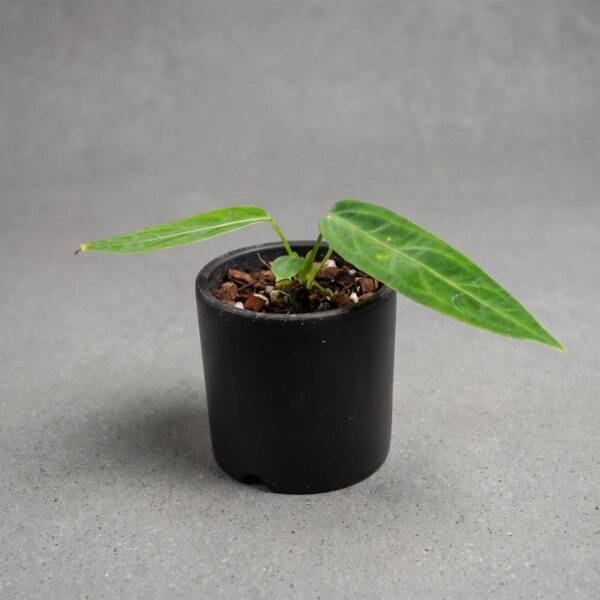
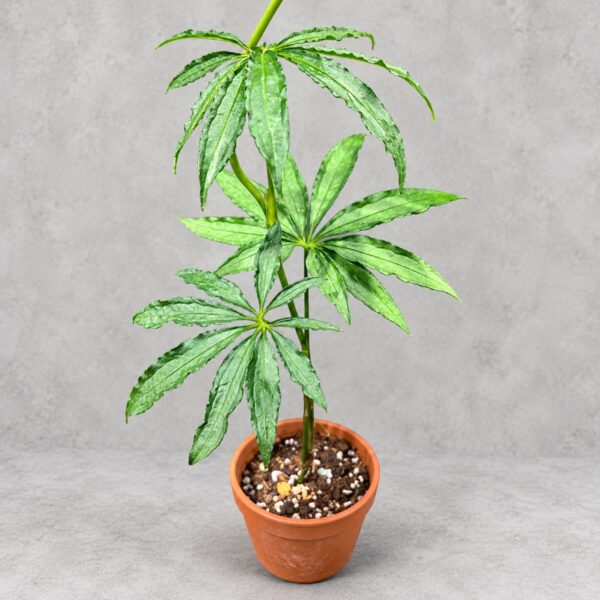
Anthurium warocqueanum
Anthurium warocqueanum
HK$138.00
Hong Kong delivery · Causeway Bay pickup
For Hong Kong homes and offices. Stock and pricing follow the product page.
IN STORE NOW
Plants for this guide
Related plants in stock now — live prices, delivery or Causeway Bay pickup.
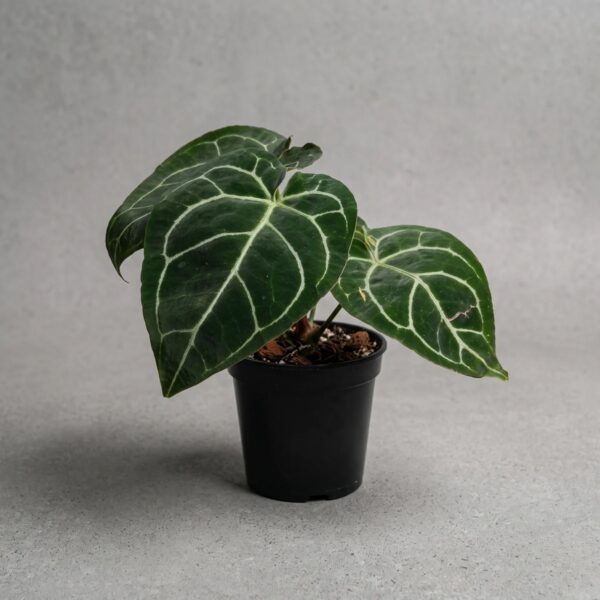
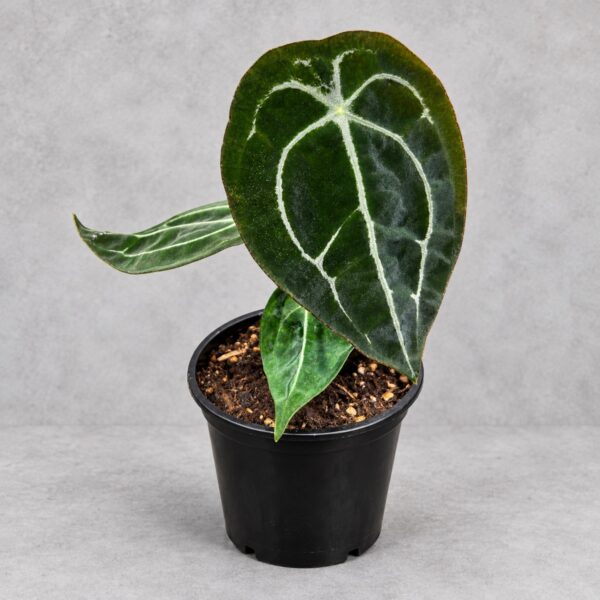
Anthurium crystallinum
Anthurium crystallinum
Original price was: HK$780.00.HK$380.00Current price is: HK$380.00.
In stock · store pickup
View plant
FREE PLANT ADVICE
Send us a photo before you change anything
WhatsApp a photo of the plant and your window light. Our Causeway Bay team will suggest care steps or plants that suit your space.
STORE · CAUSEWAY BAY
4/F, 39 Yiu Wa Street, Causeway Bay
Daily 12:30–8:00pm · ~3 min walk from Times Square
Map & directionsPlant Care