
How to Care for Anthurium Kunayalense in Hong Kong | Plantjai

Plantjai 植仔 · Care Encyclopedia
Anthurium Kunayalense
Anthurium ‘Kunayalense’ Kuna花燭
Hong Kong care guide — useful before you buy and after it arrives.
Shop this plantA Panamanian rainforest treasure — wavy velvet leaves with pink new growth, a top pick for advanced growers.
Origin & characteristics
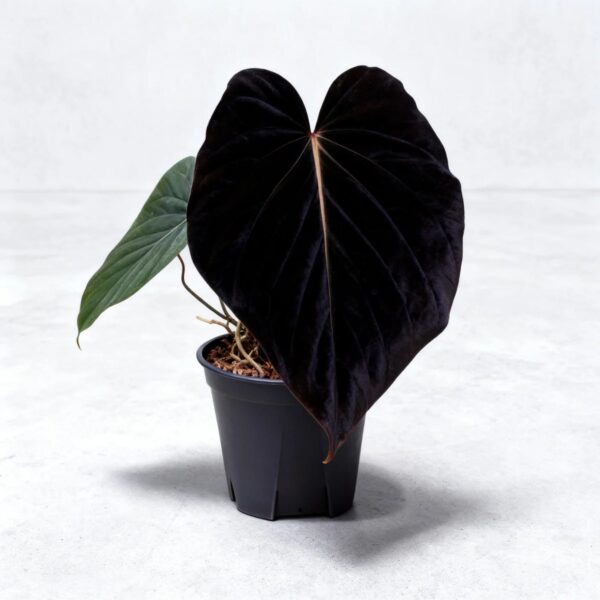
Kuna Anthurium is native to the understorey of Panama's tropical rainforest, taking its name from Guna Yala (formerly known as Kuna Yala), the region where it was discovered. The plant has a compact form, with dark green leaves showing a distinctive subvelvet, wavy texture and noticeably raised veins. New leaves emerge a deep purplish-red with pink veining — genuinely stunning. The petiole has a distinctive ribbed, winged shape, making this a genuine dream piece for advanced plant enthusiasts.
Light
Prefers low-to-medium bright, diffused light. In the wild it grows in the rainforest understorey, accustomed to shadier conditions. Avoid any direct sunlight, which will deform the leaves and degrade their texture. A shadier indoor spot, or gentle light filtered through a sheer curtain, works well. LED grow lights can serve as a supplement.
Watering
Keep the soil consistently lightly moist, but never waterlogged. Roughly every 4–6 days, adjusted according to ambient humidity. Water once the top 1–2 cm of soil has dried. Use filtered water, rainwater, or tap water left to stand. Semi-hydroponic or self-watering pot setups using Pon or tree fern fibre work especially well. Regular misting on the leaf surface can help reduce browning on the leaf margins.
Soil & pot
Use an extremely well-draining, aerated medium — Pon (semi-hydro substrate) mixed with sphagnum moss, or pure tree fern fibre grown semi-hydroponically, both work well. A clear pot helps you monitor root health. Drainage holes at the base are essential. Handle repotting carefully to avoid damaging the delicate young roots. A self-watering system is strongly recommended to maintain a stable water supply.
Temperature & humidity
Ideal temperature is 18–27°C, with 20–24°C being the sweet spot. Don't let it drop below 15°C. Humidity requirements are extremely high, ideally 80% or above — below 70%, dry, yellowing leaf margins become likely. A humidifier is strongly recommended, or growing it in a glass cabinet/greenhouse to maintain stable, high humidity. This plant is very sensitive to environmental fluctuations, so avoid sudden swings in temperature and humidity.
Common problems
- Yellow/dry leaf margins: the most common problem, usually caused by insufficient humidity. Increase misting frequency, use a humidifier, or move to a glass cabinet.
- Malformed new leaves: caused by excessive temperature or humidity fluctuation. Keep the environment stable and avoid direct AC airflow.
- Loss of velvety texture: light too strong or humidity too low. Move to a shadier spot and raise humidity.
- Slow growth: completely normal — Kuna Anthurium grows slowly and needs patient care.
How to explain to customers
"Kuna Anthurium is a variety for more advanced growers — its leaves have such a distinctive wavy texture, and the new growth comes in pink! It does need high humidity though, so it's best kept in a glass cabinet or with a humidifier running, otherwise the leaf edges tend to scorch easily."
Fun facts
Kuna Anthurium is a very popular parent plant for hybridising, since its distinctive leaf texture and deep purplish-red new leaf colour are reliably passed on to offspring — the results are especially striking when crossed with other velvet-leaf Anthuriums.
Keywords
Kuna Anthurium, Anthurium kunayalense, Anthurium, Araceae, wavy leaf, pink new leaf, high humidity, low light, Panama, collector plant, semi-hydroponic
⚠️ Toxicity note: Kuna Anthurium contains calcium oxalate crystals throughout the plant, toxic to humans and pets. Ingestion may cause oral burning, swelling, and discomfort. Wear gloves when handling and wash hands thoroughly afterward. Keep out of reach of children and pets.
In-depth care guide
Introduction and background
Kuna Anthurium (Anthurium kunayalense Croat & Vannini) is an extremely rare and highly sought-after species within the Anthurium genus, prized by serious plant collectors. It was formally described and named in 2010 by botanists Thomas Croat and Jay Vannini, with the species name "kunayalense" derived from Guna Yala (formerly Kuna Yala), a Panamanian indigenous territory along the Caribbean coast that is the traditional homeland of the Guna people. Jay Vannini first collected this species in the region in 2007.
Kuna Anthurium belongs to the "velvet leaf anthurium" group within the genus, but it stands apart from other velvet-leaf species in several ways. Its leaf shape is nearly round to broadly egg-shaped — an unusually rounded form for the velvet-leaf group. The leaf texture ranges from subvelvet to true velvet, in an extremely deep green with a subtle bullate (quilted) texture; mature leaves develop a blue-grey to metallic base colour that produces a faint iridescent sheen under good indirect light — a sophisticated, understated beauty rather than a flashy, high-contrast display.
Beyond the leaves, another highly distinctive feature of Kuna Anthurium is its petiole. Each petiole displays 7 to 9 pronounced ribs and wing-like projections, with additional pleating at the geniculum (the joint where petiole meets leaf blade) — details that reward close inspection. The colour of unfurling new leaves is one of this cultivar's biggest highlights, ranging from metallic pink-brown to vivid pink depending on the individual clone's genetics. Among collectors, some of the best-known clones include the RA (Rory Antolak) clone, the PM (Paul Marcellini) clone, and the founder plant held by Jay Vannini himself.
Kuna Anthurium is a small-to-medium Anthurium with a compact growth habit, making it well suited to indoor growing even in space-limited Hong Kong apartments. It's also an excellent breeding parent, since its rounded leaf shape, distinctive petiole structure, bullate texture, and pink new-leaf colour are all reliably passed on to offspring. Note, however, that all parts of the plant contain calcium oxalate crystals, toxic to both humans and pets — ingestion causes irritation and swelling of the mouth and throat.
Light requirements
Kuna Anthurium is a genuine understorey species, and this identity determines its lower light requirement compared to typical velvet-leaf Anthuriums. Its ideal light range is a gentle 150–300 fc (foot-candles) of indirect light — compared to highland velvet-leaf Anthuriums that need stronger light, Kuna Anthurium actually shows its deepest metallic blue-grey colouring and most vivid new-leaf hues under lower light conditions.
Specifically, you can place it closer to an east- or north-facing window, or behind a sheer curtain if using a south-facing window. Direct sunlight — even the gentle morning or evening kind — should be avoided as much as possible, since its velvety leaves scorch extremely easily, causing permanent fading or crispy edges. If you notice leaf colour becoming progressively paler with fading metallic sheen, that's likely a sign of light too strong; conversely, if new leaves are coming in progressively smaller with elongated petioles, that indicates insufficient light.
If your home doesn't have enough natural light, an LED grow light can help, but choose a lower-intensity model (roughly PPFD 30–50 µmol/m²/s) and keep it 18–24 inches above the plant. 8–10 hours of daily light is enough. Remember, Kuna Anthurium gets "unhappy" under light that's too strong — the opposite of many other foliage plants.
Watering method
Kuna Anthurium's watering needs can be summed up as "consistently but lightly moist, absolutely never waterlogged." The medium should stay consistently but lightly moist, but never sit wet. Overwatering is the most common cause of death for this plant, rapidly leading to root rot.
The recommended approach is to water once the medium surface starts drying out (roughly the top 1–2 cm). Water thoroughly, letting water flow through the medium and out the drainage holes, then empty any standing water in the saucer within 5–10 minutes. During active summer growth, you might water every 3–4 days; in winter when growth slows, this can stretch to every 7–10 days.
A few key watering points to keep in mind:
Water quality matters a lot. Like other aroids, Kuna Anthurium is sensitive to high mineral content in water. If your tap water's TDS (total dissolved solids) exceeds 100 ppm, switch to rainwater, distilled water, or reverse osmosis water. Prolonged use of high-TDS water causes leaf-tip burn and yellowing edges.
Morning watering is best. Avoid watering in the evening, since cooler temperatures slow evaporation and prolonged dampness in the medium encourages pathogens.
Watch for edge yellowing. Kuna Anthurium is particularly prone to edge yellowing/desiccation, usually caused by insufficient humidity or inconsistent watering. Regular misting can help mitigate leaf-edge yellowing and keep more leaves in pristine condition — though misting is only a supplementary measure, not a substitute for raising overall environmental humidity.
Soil and medium
Kuna Anthurium needs an extremely well-draining, aerated medium, since in its native habitat it grows on bark and organic debris, and its roots need plenty of air circulation. A good medium recipe follows this rough ratio:
- 40% orchid bark (½ inch chunks)
- 30% perlite (medium grade)
- 20% coco coir (pre-rinsed to remove salts)
- 10% horticultural charcoal (helps absorb impurities and keep the medium fresh)
This "chunky epiphytic mix" ensures water moves through quickly without lingering around the roots. Never use ordinary garden soil or a mix heavy in peat, since these retain too much moisture and suffocate Kuna Anthurium's roots.
For pots, a terracotta pot or breathable plastic pot with drainage holes is recommended. Experienced growers sometimes even use a "semi-hydroponic" method, growing in LECA (lightweight expanded clay aggregate) or Pon (a volcanic rock-based substrate) paired with self-watering pots, with excellent results. Jay Vannini himself grows his mature Kuna Anthuriums in Pon with self-watering pots, while his seedlings are grown semi-hydroponically in pure tree fern fibre.
As for repotting, Kuna Anthurium grows at a moderate pace, so repotting roughly every 1–2 years is sufficient. The new pot should only be about 1 inch larger than the old one — too large increases the risk of waterlogging. The best time to repot is spring (March to May), when new root growth becomes active.
Humidity requirements
High humidity is a survival requirement for Kuna Anthurium, not an optional nicety. The ideal humidity range is 70% to 80% — below 70%, it starts showing stress symptoms. This species is particularly sensitive to drops in humidity, and typically the very first sign is dry, browning leaf edges — appearing earlier than other symptoms.
Maintaining 70–80% humidity in Hong Kong, especially during air-conditioned summers and heated winters, absolutely requires active humidification. Here are several effective methods:
Humidifier: the most reliable method. Choose a humidifier with a consistent humidity setting, set to around 75%, placed 3–5 feet from the plant. Ultrasonic humidifiers work well, but remember to clean the water tank regularly to prevent bacterial growth.
Pebble tray: fill a tray with pebbles, add water to about half the pebble height, and place the pot on top of the stones (making sure the pot's base doesn't touch the water). As the water slowly evaporates, it raises the local humidity around the plant.
Grouping plants together: placing Kuna Anthurium alongside other high-humidity-loving plants lets their combined transpiration create a more humid shared microclimate.
Misting: while misting doesn't provide a lasting humidity boost, for Kuna Anthurium specifically, regular misting can help reduce leaf-edge drying. It's recommended to mist once or twice each morning, applying water evenly but not excessively, avoiding prolonged standing water on the leaf surface that could trigger fungal issues.
Pay special attention: if humidity stays below 60% for a prolonged period, Kuna Anthurium won't just show leaf problems — overall growth will stall, and in severe cases the plant can weaken and die. If your home genuinely can't provide sufficient humidity, consider growing it in a terrarium or greenhouse cabinet instead.
Temperature requirements
Kuna Anthurium is a tropical plant, with an ideal temperature range of 18–27°C (65–80°F). It cannot tolerate cold — temperatures below 15°C (59°F) start to cause cold-damage symptoms like stalled growth, yellowing leaves, and leaf drop. Prolonged exposure below 10°C can be fatal.
Beyond absolute temperature, the day-to-night temperature differential matters a great deal for Kuna Anthurium. An appropriate swing (roughly 3–5°C) helps new leaves show their best colour — particularly that signature metallic pink new-leaf colour and the blue-grey tones that develop as leaves mature. If temperature stays perfectly flat all day, colour expression tends to look flatter and less vivid.
Growing Kuna Anthurium in Hong Kong, summer is generally not a problem (as long as you avoid direct AC airflow), but pay attention to these points in winter:
- Keep it away from cold window drafts and AC vents
- When running heaters, humidify simultaneously, since heating dramatically dries out the air
- If temperatures are forecast to drop below 15°C, temporarily pause watering and feeding
- Avoid placing the plant near doorways or lift lobbies, where temperature fluctuates more
Feeding recommendations
Kuna Anthurium has moderate fertiliser needs, following a "little and often" approach. During active growth (March to October), apply a balanced liquid fertiliser every 4–6 weeks, with an NPK ratio of 20-20-20 or 10-10-10, always diluted to half the standard strength. Water first before feeding, to avoid fertiliser contacting dry roots and causing root burn.
A few feeding tips:
- Stop feeding in winter: growth slows from November to February, so feeding should stop entirely.
- Avoid overfeeding: excessive fertiliser causes salt accumulation, leading to leaf-tip burn and root damage. If you see browning leaf edges or white salt deposits on the soil surface, stop feeding immediately and flush the medium thoroughly with plain water.
- Organic options: if you prefer organic growing, diluted fish emulsion or kelp fertiliser also work well, similarly diluted.
- Trace elements: occasionally (roughly every 3 months) supplement with a magnesium and calcium trace element fertiliser to help maintain healthy, vivid leaf colour.
If growing in Pon or LECA semi-hydroponically, you can add a dedicated hydroponic nutrient solution to the water, diluted to ¼ to ½ standard strength.
Propagation methods
Kuna Anthurium can be propagated through several methods:
Division
The most reliable method. During spring repotting, carefully remove the plant from its pot, gently clear away the medium, then use your hands or a sterilised knife to divide the root mass into two or three clumps, ensuring each has healthy roots and at least one growth point. Plant divisions into fresh medium, maintain high humidity and warmth, and new root growth typically begins within 2–4 weeks.
Stem cuttings
Select a healthy stem section with at least one node, cut it off, and root it in water or moist medium. Maintain high humidity (ideally with a clear cover or plastic wrap), and new roots typically form within 3–6 weeks.
Seed propagation
After flowering, Kuna Anthurium produces berries containing seeds. Seed propagation requires more skill and patience — seeds should be sown as soon as possible after ripening, kept above 21°C with high humidity, and germination can take anywhere from several weeks to months. Since Kuna Anthurium is cross-pollinated, seed-grown offspring will show genetic variation and may display traits different from the parent plant.
Common problems and solutions
Yellow, dry leaf margins
This is the most common problem with Kuna Anthurium, usually caused by: humidity too low, water too hard (high mineral content), or inconsistent watering. Solutions include raising humidity above 70%, switching to soft water (rainwater or distilled water), and establishing a consistent watering schedule.
Dull new leaf colour
If new leaves lack their expected metallic sheen or pink tones, this could be caused by light too strong or too weak, insufficient temperature differential, or poor nutrition. Adjust to gentle indirect light, ensure an appropriate day-night temperature swing, and feed appropriately.
Brown spots on leaves
Brown spots are usually signs of fungal infection (such as anthracnose) or bacterial leaf spot. Improve air circulation, avoid prolonged leaf wetness, remove affected leaves, and use an appropriate fungicide for severe cases.
Stalled growth
If Kuna Anthurium hasn't produced new leaves for an extended period, it may be due to temperature too low, insufficient humidity, root problems (such as rot or overcrowding), or nutrient deficiency. Check environmental conditions and root health one by one, and adjust accordingly.
Spider mites
A common pest on velvet-leaf Anthuriums. Symptoms include tiny yellow dots on leaf undersides, webbing on the leaf surface, and leaves losing their sheen. Isolate the plant immediately, wipe leaf undersides with a damp cloth, treat with neem oil or miticide, and significantly raise humidity — spider mites hate high-humidity environments.
Scale insects
Symptoms include small brown or white bumps on leaves or petioles, which can be removed with a cotton swab dipped in diluted alcohol; use a systemic insecticide for severe infestations.
Collector value and market overview
Kuna Anthurium sits at the high end of the rare foliage plant market internationally, with pricing varying based on clone provenance and plant size. Generally speaking, a 4-inch pot of a small seedling starts at around US$150 in overseas markets, while mature plants or premium clones (such as the RA or PM clone) can command several hundred to over a thousand US dollars. Given its moderate growth rate, relatively slow propagation, and sustained collector demand, prices are expected to remain elevated in the near term.
For those interested in collecting Kuna Anthurium, it's recommended to start with a small seedling — both for affordability and for the satisfaction of building a relationship with the plant as it grows, watching each new leaf unfurl. That journey is genuinely worth the investment.
參考資料(想知來源可展開)
References
- Plantamani. Anthurium Kunayalense. https://plantamani.com/products/anthurium-kunyalense
- Grant Anthuriums. Anthurium kunayalense Care and Profile. https://granthuriums.com/blogs/species-profiles/anthurium-kunayalense
- 4Aroids Encyclopedia. Anthurium kunayalense Croat & Vannini. https://4aroids.de/en/blogs/4aroids-encyclopedia-anthuriums/anthurium-kunayalense
- Exotica Esoterica. Velvet Leaf Anthuriums in Cultivation by Jay Vannini. https://www.exoticaesoterica.com/magazine/the-ultimate-guide-to-velvet-leaf-anthuriums
- EarthOne. How To Grow Anthurium kunayalense. https://earthone.io/plant/anthurium%20kunayalense
Plantjai shop · In stock online
Anthurium ‘Kunayalense’ Kuna
Hong Kong delivery · Causeway Bay pickup
For Hong Kong homes and offices. Stock and pricing follow the product page.
IN STORE NOW
Plants for this guide
Related plants in stock now — live prices, delivery or Causeway Bay pickup.
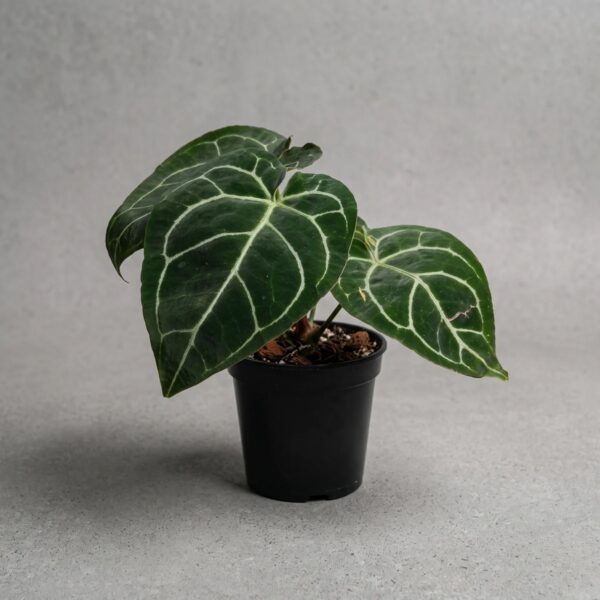
Anthurium crystallinum
Anthurium crystallinum
Original price was: HK$780.00.HK$380.00Current price is: HK$380.00.
In stock · store pickup
View plant
FREE PLANT ADVICE
Send us a photo before you change anything
WhatsApp a photo of the plant and your window light. Our Causeway Bay team will suggest care steps or plants that suit your space.
STORE · CAUSEWAY BAY
4/F, 39 Yiu Wa Street, Causeway Bay
Daily 12:30–8:00pm · ~3 min walk from Times Square
Map & directionsPlant Care