
How to Care for Syngonium Milk Confetti in Hong Kong | Plantjai

Plantjai 植仔 · Care Encyclopedia
Syngonium Milk Confetti
Syngonium podophyllum 'Milk Confetti' 牛奶合果芋
Hong Kong care guide — useful before you buy and after it arrives.
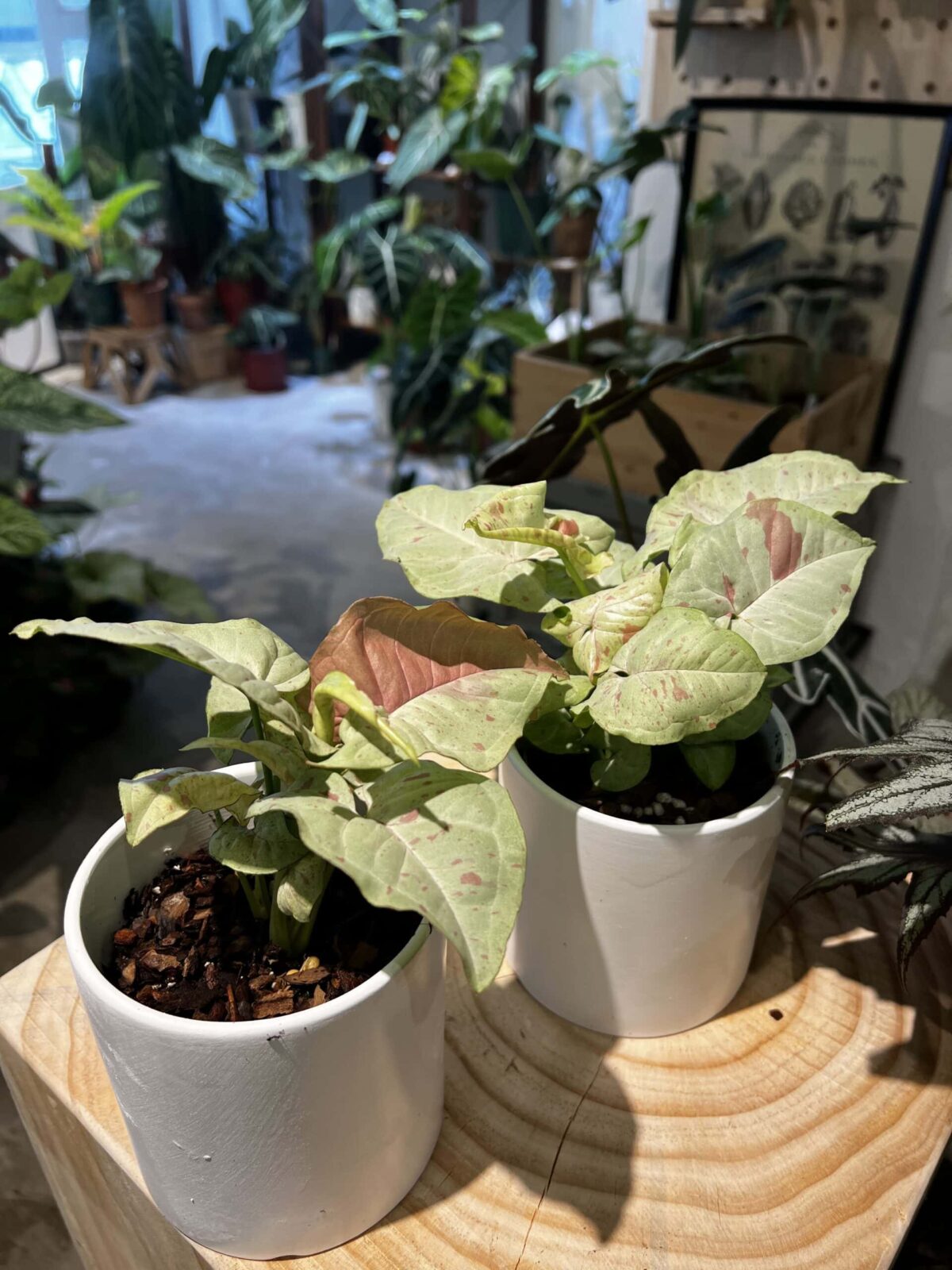
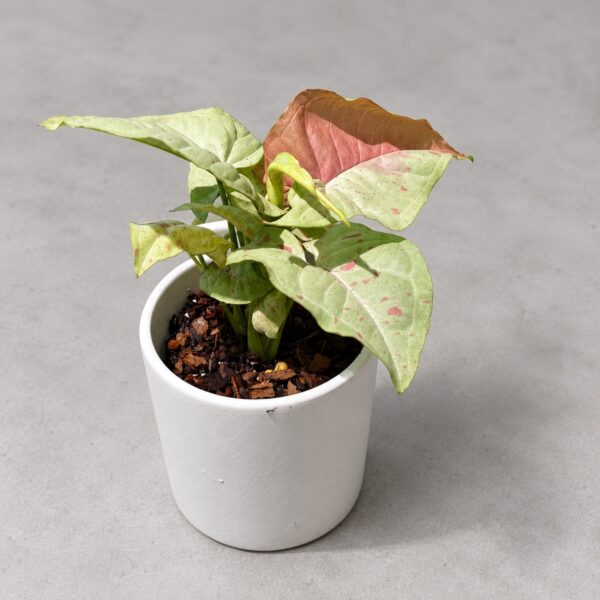
Shop this plantAs though milk had been splashed across a canvas of green, this dreamy speckled foliage makes every leaf a one-of-a-kind piece of natural art.
Origin & characteristics
Milk Confetti Syngonium is a tropical foliage plant in the family Araceae, genus Syngonium, native to the tropical rainforests of Central and South America, ranging from eastern Mexico all the way to northern Brazil. 'Milk Confetti' is a popular horticultural cultivar of Syngonium podophyllum, known for its speckled pattern of creamy white and green. Leaf shape changes with growth stage — young leaves are arrowhead-shaped, gradually developing into three- or five-lobed palmate leaves as the plant matures.
As a vining plant, Milk Confetti Syngonium can climb or trail, grows quickly, and is highly adaptable, making it an excellent entry-level choice for anyone new to variegated plants.
⚠️ Toxicity warning: Milk Confetti Syngonium contains calcium oxalate crystals and is a toxic plant. Ingestion may cause mouth pain, swelling, and stomach upset, and sap contact with skin may cause an allergic reaction. Keep it somewhere out of reach of children and pets, and wash your hands after handling.
Light
Milk Confetti Syngonium likes bright indirect light, best placed by a window filtered with a sheer curtain, or 1.5-2 metres from a south- or west-facing window. Ample light makes the creamy white speckling more pronounced and vivid, with richer overall leaf colour.
- Ideal placement: an east- or north-facing windowsill, or a desk or shelf near natural light indoors
- Avoid: prolonged exposure to direct sun, which scorches the leaves and causes crisp edges
- Signs of insufficient light: speckling fades, leaves turn deep green, and internodes elongate with sparser growth
Watering
Follow the principle of "water thoroughly once the topsoil is dry." Insert a finger about 2-3 cm into the soil surface — water once it feels dry.
- Spring/summer (peak growth): roughly every 5-7 days, keeping the soil lightly moist but not waterlogged
- Autumn/winter (slower growth): roughly every 10-14 days, allowing the soil more time to dry out
- Method: water slowly around the rim until it drains from the base, emptying tray runoff after half an hour
- Water quality: room-temperature tap water is fine; if you notice browning at the leaf tips, switching to filtered water may help
Avoid letting the soil stay wet for extended periods, which easily leads to root rot.
Soil & pot
Soil recipe
Needs a well-draining, breathable medium. Recommended recipe:
- Quality indoor plant peat soil 50%
- Perlite or vermiculite 25% (for aeration and drainage)
- Coco coir or bark 15%
- Activated charcoal or pumice 10% (extra drainage and to help prevent root disease)
A commercial Araceae-specific mix (Aroid Mix) can also be used directly.
Pot choice
- Terracotta pot: best breathability, great for beginners, helps the soil dry out faster
- Plastic pot: lightweight and retains moisture, but watch not to overwater
- Drainage holes at the base are essential — never plant directly in a decorative pot without drainage
- Repotting timing: check the roots each spring, and move up a pot size once roots start emerging from the drainage holes
Temperature & humidity
Temperature
- Ideal growing temperature: 18-26°C
- Minimum tolerable temperature: 15°C (prolonged exposure below this stalls growth)
- Note: not cold-hardy — keep it away from AC vents and drafty windows in winter
Humidity
- Ideal humidity: 50% or above
- Typical Hong Kong indoor humidity is usually sufficient, with naturally higher humidity in summer
- When running the AC or during dry seasons, occasionally mist the foliage, or place the pot on a pebble tray to raise surrounding humidity
- Benefits of higher humidity: promotes fuller leaf unfurling and reduces browning at leaf tips
Common problems
| Issue | Likely cause | What to do |
|---|---|---|
| Leaves turning fully green, speckling disappearing | Insufficient light | Move to a brighter spot, but avoid direct sun |
| Leaf tips or edges browning | Air too dry / water too hard / fertiliser too concentrated | Increase humidity, switch to filtered water, dilute fertiliser |
| Leaves yellowing and dropping | Overwatering leading to root rot | Check soil moisture, reduce watering frequency, repot and trim roots if needed |
| Elongated internodes, sparse leaves | Severely insufficient light | Move to a better-lit position immediately |
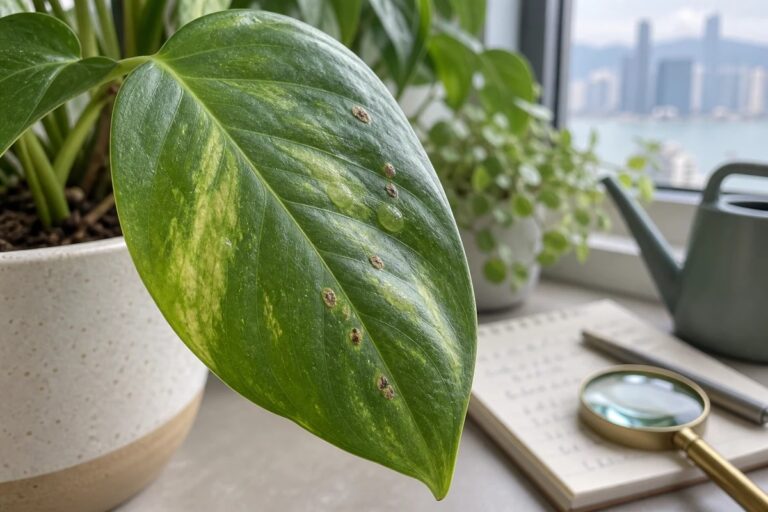
| Brown spots on leaves | Sunburn or fungal infection | Check light intensity, avoid prolonged water pooling on foliage |
| Growth stalled | Temperature too low or roots have filled the pot | Check the environmental temperature, consider a larger pot |
How to explain to customers
"This Milk Confetti Syngonium is a hugely trendy variegated cultivar in recent years — its leaves look like milk splashed across them, with no two leaves alike, genuinely stunning for photos! It's really easy to care for, no need to water it every day — just water once the soil has dried out. Remember to keep it somewhere with indirect light, and don't let it sit in direct sun, so the speckling stays looking its best. Also, it's toxic — if you have cats, dogs, or young children at home, be careful where you place it so they can't get to it."
Fun facts
- Syngonium undergoes a "metamorphosis" as it matures — starting as a simple arrowhead shape when young, gradually developing lobed and even palmately compound leaves, so the same plant can display several different leaf forms at once!
- 'Milk Confetti's speckling is a type of "speckled variegation," a natural variation caused by uneven chlorophyll distribution — different environmental stresses can affect how intense and how widely distributed the speckling appears.
- Syngonium is one of the air-purifying plants studied by NASA, and while the effect is modest, it does contribute a little to indoor air quality.
Keywords
Syngonium podophyllum Milk Confetti, Milk Confetti Syngonium, variegated Syngonium cultivar, Araceae, tropical foliage plant, indoor plant, speckled variegation, easy-care plant, beginner-friendly, climbing plant, trailing plant, Hong Kong indoor plant, Plantjai
參考資料(想知來源可展開)
References
- Missouri Botanical Garden — Plant Finder: Syngonium podophyllum, https://www.missouribotanicalgarden.org/PlantFinder/PlantFinderDetails.aspx
- ASPCA — Toxic and Non-Toxic Plant List, https://www.aspca.org/pet-care/animal-poison-control/toxic-and-non-toxic-plants
⚠️ Contains calcium oxalate crystals; toxic to humans and pets if ingested. Keep out of reach of children and pets.
Plantjai · Causeway Bay collector indoor plants · WhatsApp +852 66807550
Plantjai shop · In stock online
Syngonium podophyllum 'Milk Confetti'
Syngonium podophyllum 'Milk Confetti'
HK$168.00
Hong Kong delivery · Causeway Bay pickup
For Hong Kong homes and offices. Stock and pricing follow the product page.
IN STORE NOW
Plants for this guide
Related plants in stock now — live prices, delivery or Causeway Bay pickup.
Syngonium podophyllum 'Milk Confetti'
Syngonium podophyllum 'Milk Confetti'
HK$168.00
In stock · store pickup
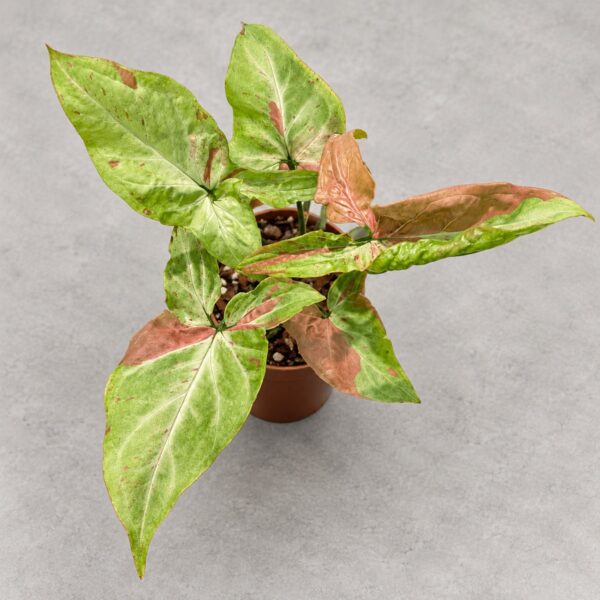
View plantSyngonium podophyllum 'Pink Salmon'
Syngonium podophyllum 'Pink Salmon'
HK$380.00
In stock · store pickup
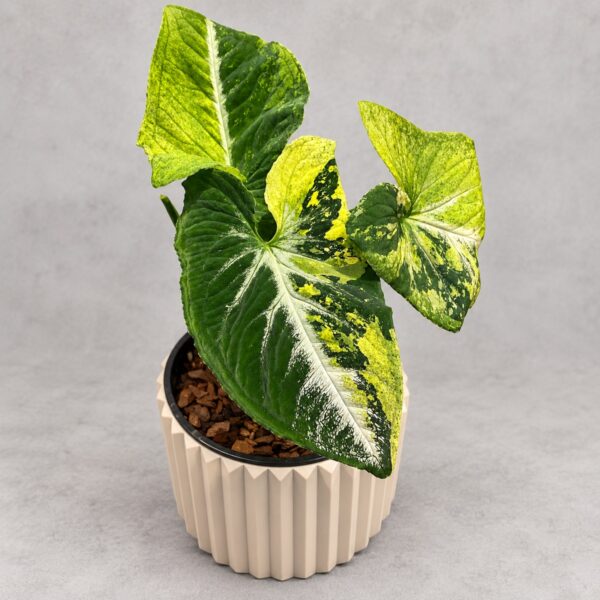
View plantSyngonium Wendlandii 'Scrambled Eggs'
Original price was: HK$1,280.00.HK$280.00Current price is: HK$280.00.
In stock · store pickup
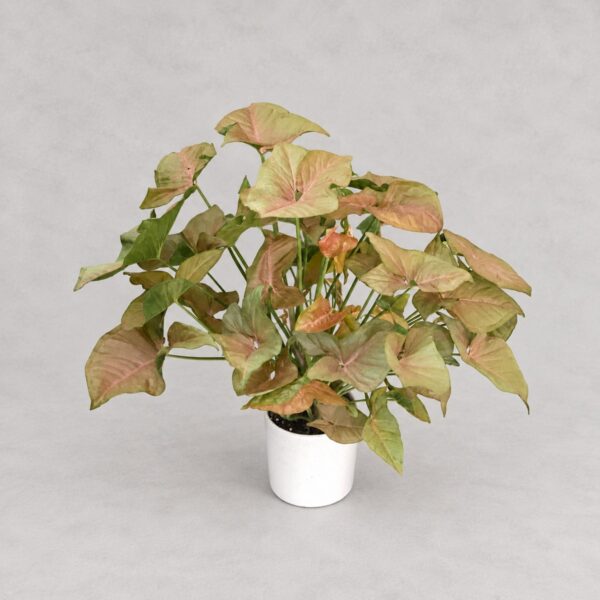
View plantSyngonium podophyllum 'Infrared'
Syngonium podophyllum 'Infrared'
HK$138.00
In stock · store pickup
View plant
FREE PLANT ADVICE
Send us a photo before you change anything
WhatsApp a photo of the plant and your window light. Our Causeway Bay team will suggest care steps or plants that suit your space.
STORE · CAUSEWAY BAY
4/F, 39 Yiu Wa Street, Causeway Bay
Daily 12:30–8:00pm · ~3 min walk from Times Square
Map & directionsPlant Care