

Pot and Planter Aesthetics: The New Trend of 3D-Printed Planters

Introduction: A Planter Is More Than a Pair of Shoes for Your Plant
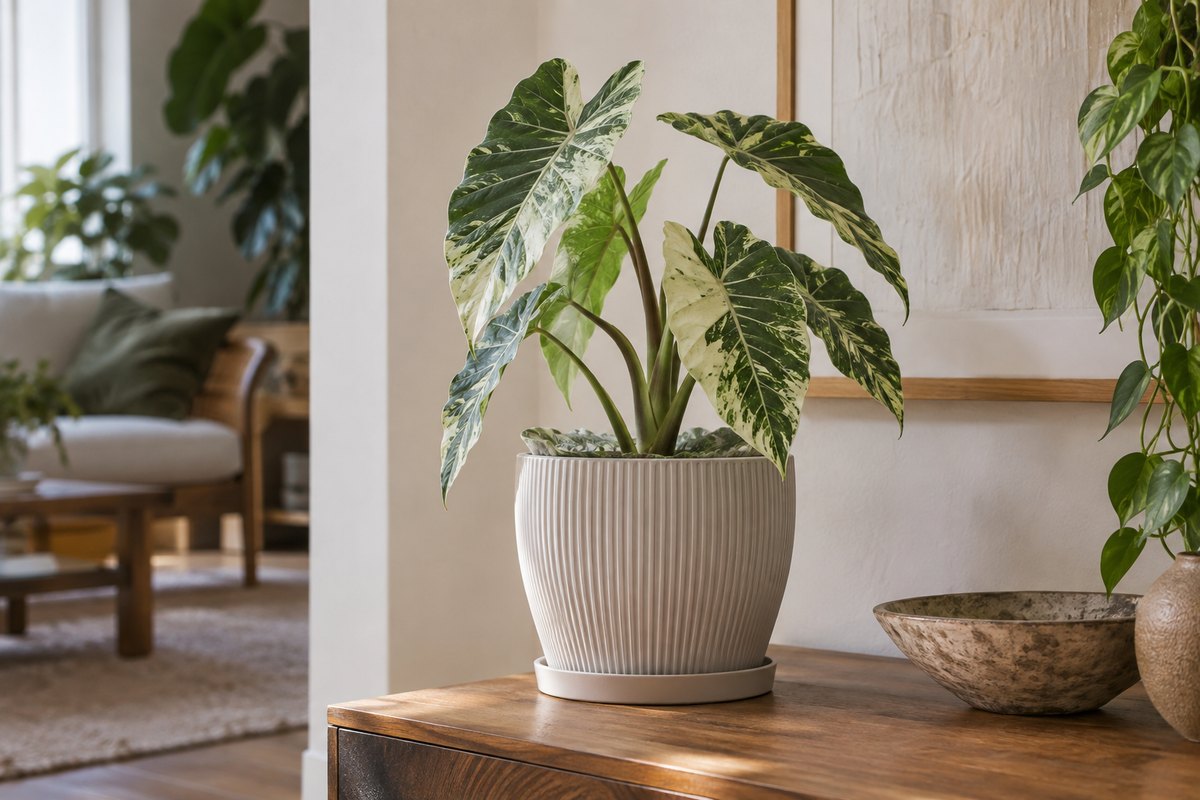
I’ve seen too many plant parents keep a thousand-dollar variegated alocasia in a flimsy plastic nursery pot, and it always breaks my heart a little. Choosing the right plant pot is often compared to picking shoes for your plant — but honestly, it matters far more than that. An ill-fitting pair of shoes might give you blisters; a poorly chosen planter can suffocate roots, cause root rot, or outright kill your plant.
And that’s before we even talk about aesthetics. A beautifully chosen planter paired with the right foliage plant creates a visual impact far greater than the sum of its parts. That’s why I often spend half a day at the specimen archive matching new arrivals with their perfect homes.
In this article, we’ll explore planter materials, colour pairing principles, and a trend that genuinely excites me — 3D-printed planters.
Common Planter Materials: Each Has Its Own Personality
Terracotta: The Classic, Breathable Choice
Terracotta is my go-to for plants that hate wet feet. Its microporous structure allows air to pass through the walls and reach the root zone — a lifesaver for cacti, succulents, and sensitive Alocasia species prone to root rot.
The downsides are obvious: heavy, fragile, faster water evaporation (meaning more frequent watering), and those white mineral stains that accumulate over time. Some find them charming; others, unsightly.
Plastic: Lightweight, Underrated, Practical
Plastic pots get snubbed in plant circles as “inferior,” but here’s my confession: my propagation area runs almost entirely on plastic. They’re light, cheap, uniform, and retain moisture well — which is actually ideal for tropical plants that prefer consistent humidity.
My approach? Let the plastic pot handle plant health, then slip it into a decorative cover pot for aesthetics. Best of both worlds.
Ceramic and Glazed Pots: Beautiful but Tricky
Glazed ceramic pots are gorgeous, but nearly impermeable to air, and often have just one tiny drainage hole — or none at all. Using them for direct planting demands skill in soil mix and watering. Beginners should use them as decorative outer pots until they’ve built up enough experience.
Cement Pots: Industrial Vibes Done Right
The raw texture of cement planters pairs beautifully with bold foliage plants like monstera or fiddle-leaf figs. Their weight is actually an advantage for tall plants — less risk of toppling. Do note that cement is slightly alkaline, which can affect soil pH over time for acid-loving species.
Wood and Woven Baskets: Natural Warmth
Wooden planters and woven baskets bring organic warmth to a space, perfect for trailing plants or ferns. That said, wood rots eventually, and woven baskets usually need a plastic liner. Treat them as decorative sleeves rather than direct planting vessels.
Colour Pairing: Making Plant and Pot Elevate Each Other
Contrasting Colours: Visual Impact
Deep green foliage against white or cream pots is the safest and most effective contrast combination. Our Monstera deliciosa ‘Thai Constellation’ at the archive sits in a matte white terracotta pot — the white variegation on its leaves echoes the pot colour, and it stops every visitor in their tracks.
Purple-backed Calathea species against light grey cement pots also work wonderfully — the muted grey lets the flamboyant foliage shine without competing.
Analogous Colours: Harmonious and Subtle
Matching deep green plants with forest-green or dark green pots creates a unified, sophisticated look. This approach works when you want the plant to blend into the space rather than dominate it. Small desktop plants particularly suit this understated approach.
Neutrals: The Foolproof Choice
White, grey, cream, and tan planters go with virtually anything. If your collection is diverse, standardising on neutral pots actually makes your space look more cohesive rather than chaotic.
Form Resonance: When Pot Shape Mirrors Plant Habit
This is often overlooked, but when done right, the effect is stunning.
Trailing plants with tall or hanging planters: Epipremnum aureum (pothos) or Philodendron micans cascading from an elevated position benefits from height — it amplifies that sense of flow. Low pots let trailers drag on the floor, which looks untidy.
Upright plants with low, wide pots: Snake plants (Sansevieria) shooting upward look visually anchored in a low, broad planter. Tall narrow pots make them look top-heavy and unstable.
Clumping plants with round pots: Ferns and peperomias spreading outward in all directions naturally suit rounded planters. Square pots work too, but the contrast feels more deliberate.
3D-Printed Planters: The Future Has Arrived
This is what excites me most about where planter design is heading. 3D printing technology frees pot design from the constraints of traditional moulds, bringing revolutionary advantages:
Customisable Forms, Truly Unique
Traditional manufacturers only produce bestsellers because moulds are expensive. 3D printing can produce any shape — geometric facets, organic curves, lattice textures, even surfaces mimicking coral or tree bark. Your planter can be genuinely one-of-a-kind.
Precision Sizing, Perfect Fit
Every plant’s root system is different; standard sizes are always a compromise. 3D printing allows custom diameters, depths, drainage hole placement and quantity based on the plant’s actual needs. For rare and precious specimens, this tailored approach is invaluable.
Sustainable Materials
Many 3D-printed planters now use PLA (polylactic acid), a biodegradable material, or filaments made from recycled plastics. For sustainability-minded plant parents, this is a clear advantage over conventional options.
Function Meets Art
3D printing enables intricate ventilation patterns in pot walls — beautiful and functional simultaneously. Precision structures like hidden drainage systems, water-level windows, or integrated self-watering mechanisms become possible in ways traditional manufacturing cannot achieve.
The 3D-printed planter collection at plantjai.com represents exactly this kind of innovation. Their designers draw inspiration from natural forms while incorporating functional considerations, creating homes for foliage plants that are both practical and sculptural. If you’re tired of the same cylindrical pots everywhere, their 3D-printed range might just hold that perfect piece you didn’t know you were looking for.
Conclusion: A Planter Is a Plant’s Best Stage
A good planter shouldn’t just be a container — it should be a stage that lets the plant’s beauty be fully seen. Whether you love terracotta’s earthiness, cement’s rawness, or the futuristic appeal of 3D printing, the goal is finding that pairing where your plant lives comfortably and looks spectacular.
Next time you visit plantjai.com’s Causeway Bay store, spend a moment with the planters displayed alongside the plants. When the right plant meets the right pot, that instant spark of joy is what potting aesthetics is all about.
IN STORE NOW
Plants for this guide
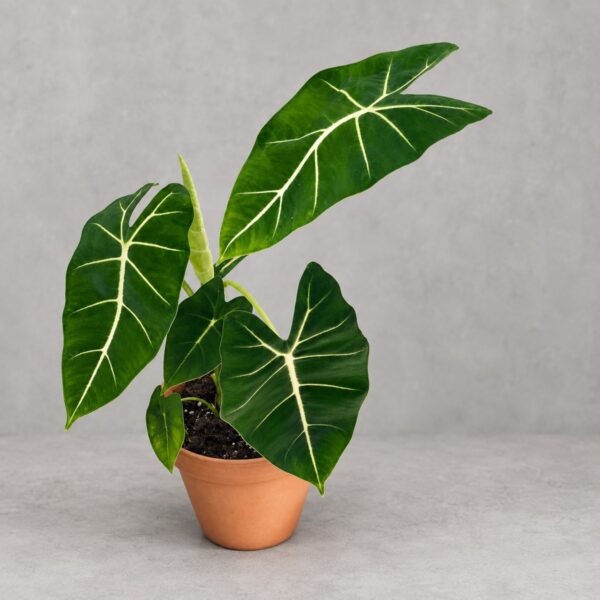
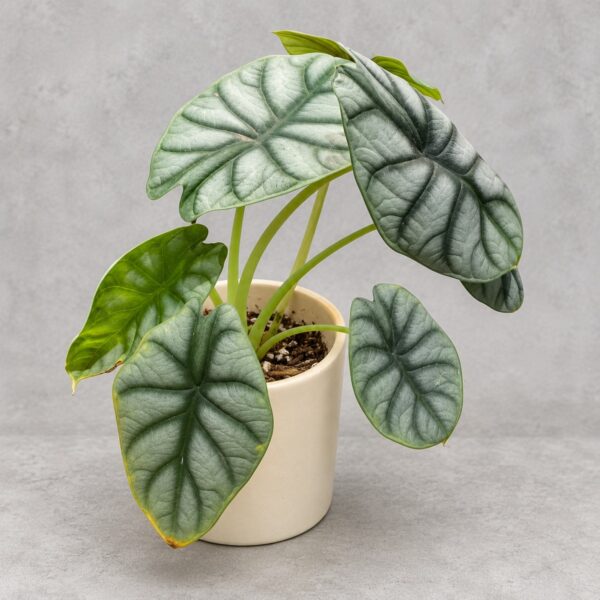
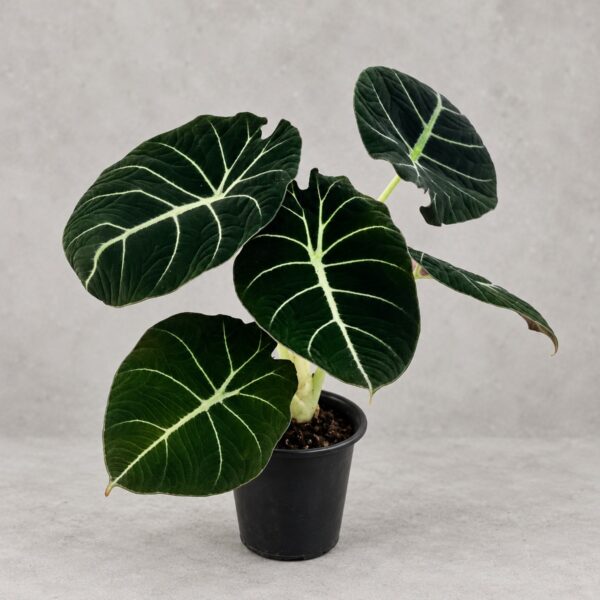
Related plants in stock now — live prices, delivery or Causeway Bay pickup.
FREE PLANT ADVICE
Send us a photo before you change anything
WhatsApp a photo of the plant and your window light. Our Causeway Bay team will suggest care steps or plants that suit your space.
STORE · CAUSEWAY BAY
4/F, 39 Yiu Wa Street, Causeway Bay
Daily 12:30–8:00pm · ~3 min walk from Times Square
Map & directionsChoosing Plants


