

The Art of Dish Gardens: Creating Harmonious Green Compositions

Introduction: A Miniature Forest in One Container
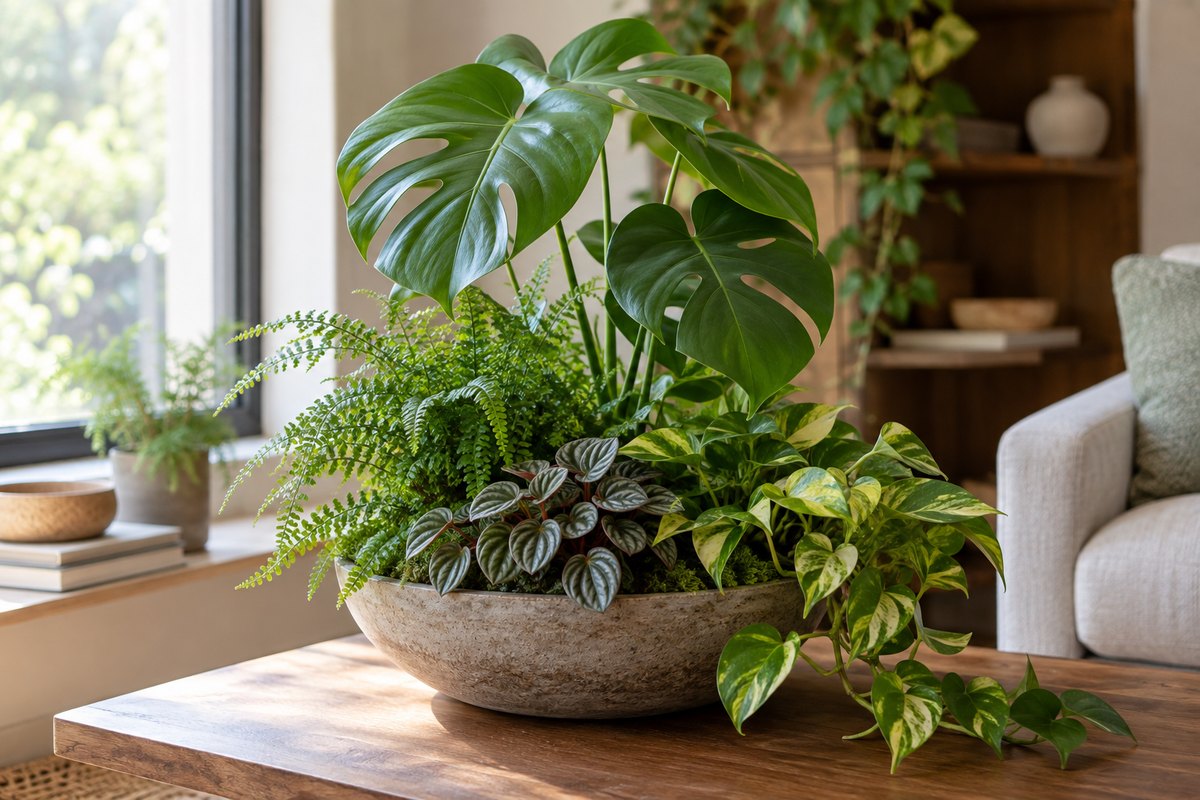
Walk into plantjai.com’s Causeway Bay store and you’ll spot several large dish gardens near the windows that stop people in their tracks — tall monstera rising through a cluster of ferns, trailing pothos cascading over the rim, peperomias covering every inch of soil below. This isn’t simply stuffing several plants into a big pot; it’s a designed miniature ecosystem. Within one container, undulating heights and distinct layers condense a slice of tropical rainforest for your home.
Dish gardening is advanced territory for foliage enthusiasts. It tests not just technique but vision — how to make different varieties coexist in one space, each playing its role while elevating the whole. This article guides you into the world of dish garden design.
Fundamental Design Principles: Four Pillars
Height Hierarchy: The Key to Dimension
A successful dish garden needs clear “elevation differences.” If everything grows at similar heights, it looks like a messy clump of weeds. I mentally draw levels: the tallest thriller anchors the centre or rear, mid-level fillers create visual transition, ground covers blanket the soil surface, and spillers overflow from the edges. This “mountain—hill—plain—waterfall” structure immediately gives your arrangement three-dimensionality.
Colour Contrast: Harmony, Not Chaos
Foliage colours should complement, not compete. The safest approach: choose a dominant palette (deep greens, for example) and add one to two accent colours (silver-grey or burgundy) as highlights. Variegated plants serve as focal punctuation marks, but limit to one per arrangement or visual focus scatters.
Texture Pairing: Dialogue Between Coarse and Fine
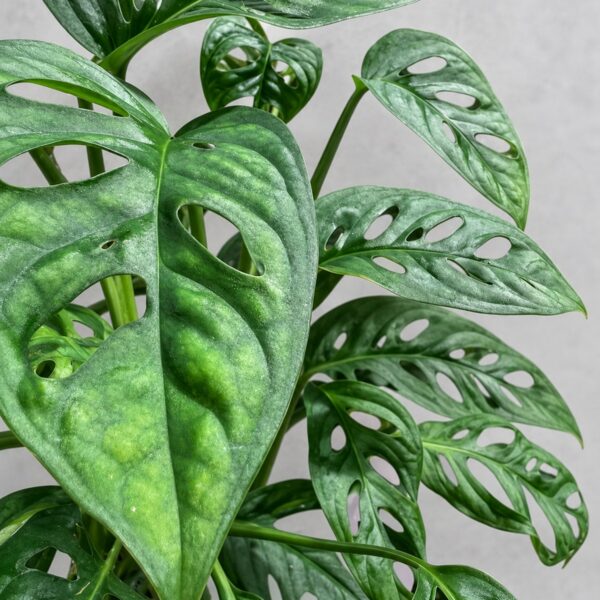
Leaf texture differences create rich tactile associations. Monstera’s large fenestrated leaves (bold) paired with fittonia’s delicate veining (refined); fern’s soft fronds (light) contrasted with snake plant’s rigid blades (sturdy). This textural contrast gives dish gardens “hand feel” — even through photographs, you sense the layers.
Compatible Growth Habits: Beautiful AND Survivable
This is the most practical yet most overlooked consideration. Pairing moisture-loving ferns with drought-tolerant succulents results in half drowning and half desiccating. Successful dish gardens require members with similar light needs, watering frequency, and humidity preferences. This is where science overrides art — and determines how long your arrangement survives.
Structural Components: Every Role Matters
Thriller: The Presence That Commands Attention
The soul of your dish garden — the tallest, most commanding specimen. It defines the entire arrangement’s character. Could be Monstera deliciosa’s dramatic fenestrations, Ficus lyrata’s upright stance, or Alocasia macrorrhizos’s massive shield leaves. Thrillers typically occupy centre stage or the rear position, becoming the natural focal point.
Filler: Green Transitions Filling the Gaps
Mid-level plants bridge thriller and ground cover, filling visual voids. Their height usually ranges from one-third to one-half of the thriller, with smaller but still noticeable leaves. Calathea species (rich leaf colour variation), Aglaonema (tough and shade-tolerant), or Begonia (colourful foliage) all make excellent fillers.
Ground Cover: Hiding the Soil
Nothing ruins a dish garden faster than exposed potting mix. Ground covers use fine-textured foliage to completely blanket the soil surface, creating that “forest floor vegetation” effect. Pilea species, compact Peperomia, or miniature ferns excel here. They grow quickly, soon weaving a green carpet.
Spiller: Softening the Edges
Plants cascading over the rim soften the container’s silhouette and add movement. Epipremnum aureum (pothos), Philodendron hederaceum, and Tradescantia zebrina (wandering jew) are classic spiller choices. Plant them at the edges and let stems flow outward naturally — the arrangement instantly gains life.
Successful Combination Examples: Three Style References
Tropical Rainforest Style: Lush, Humid, Bursting With Life
My personal favourite and plantjai.com’s most popular dish garden style.
– Thriller: Monstera deliciosa or Philodendron bipinnatifidum, providing rainforest “canopy tree” presence
– Filler: Various Calathea or Maranta species, their richly patterned leaves simulating the rainforest understory’s dappled colours
– Ground cover: Pilea nummulariifolia or miniature Selaginella, densely blanketing the surface
– Spiller: Epipremnum aureum ‘Marble Queen’, trailing from edges like forest vines
This combination needs high humidity (60%+) and bright indirect light — perfectly suited to Hong Kong’s climate.
Desert Style: Minimal, Rugged, Sun-Drenched
Ideal for south-facing windows with abundant light, delivering a clean, modern aesthetic.
– Thriller: Tall columnar cactus like Cereus or Pachycereus as visual anchor
– Filler: Globe cactus clusters (Echinocactus, Mammillaria), staggered heights for visual interest
– Ground cover: Succulents like Sedum or Echeveria filling gaps
– Accent: Aloe vera or snake plant adding leaf shape variety
Critical reminder: all desert combination members need excellent drainage and strong sunlight. Never mix with rainforest-style plants.
Minimalist Style: The Beauty of Restraint
Suited for minimalist interiors, using very few elements to create strong visual impact.
– Thriller: One sculptural Ficus elastica ‘Burgundy’ or Strelitzia nicolai
– Ground cover: Single species — Soleirolia soleirolii (baby’s tears) or Pilea depressa — simply carpeting the surface
– Container: Clean cement or 3D-printed pot in grey or white
This style’s essence lies in “negative space” — don’t fill the container completely. Let the thriller have room to command attention.
Care Considerations: Keeping Your Dish Garden Thriving
Consistent Water Needs
This is the iron rule of dish garden success. If you combine moisture-loving ferns with water-averse snake plants, someone suffers regardless of how you water. Always confirm each plant’s hydration preferences before grouping — only combine those with similar habits.
Matching Light Requirements
Equally crucial. Shade-tolerant peperomias and sun-hungry cacti cannot share a container. Select varieties with compatible light needs so everyone flourishes.
Matched Growth Rates
Often overlooked. Fast-growing pothos can overwhelm slow-growing peperomias within months, blocking light and causing decline. Ideal combinations share similar growth speeds, or you must commit to regularly trimming vigorous members.
Room for Growth
Don’t pack the container completely full. Plants grow —预留20-30% space for future expansion. Otherwise, three months later you’ll face overcrowding, poor air circulation, and plants crushing each other.
Step-by-Step Dish Garden Creation
Step 1: Choose Your Container
Select based on desired style. Large dish gardens need at least 30 cm diameter, approximately 25-30 cm depth. Ensure adequate drainage holes — with multiple plants and large soil volume, poor drainage causes root rot more readily.
Step 2: Prepare Your Mix
Dish garden medium needs good drainage with moderate water retention. My formula: quality peat moss 40% + perlite 30% + coco coir 20% + slow-release fertiliser. This blend retains moisture without waterlogging.
Step 3: Plan Placement
Arrange plants while still in their nursery pots within the larger container. Test different layouts without committing. Thriller at centre or rear, fillers surrounding, ground covers and spillers at edges. Only proceed when satisfied.
Step 4: Remove and Plant
Gently remove plants from nursery pots. If roots are circling, slightly loosen the outer root ball. Dig corresponding holes in the container mix, place plants, and firm surrounding soil. Maintain each plant’s original planting depth from its nursery pot.
Step 5: Fill and Cover
After planting all specimens, fill gaps with mix and gently shake the container to settle medium. Top-dress with decorative covering — white pebbles, bark chips, or moss — for aesthetics and weed suppression.
Step 6: Water Thoroughly
First watering must be thorough until water drains from bottom holes. This ensures mix-to-root contact while testing drainage efficiency.
Plantjai.com’s Dish Garden Service
If DIY feels challenging, plantjai.com offers professional dish garden services. Based on your space conditions (light, humidity, size constraints) and style preferences, they design and create bespoke combination planters. Plant selection, container pairing, and mix formulation are all handled by their experienced team.
You can also bring ideas to discuss in-store — “I want a rainforest-style dish garden for my living room corner, indirect light but limited space” — and they’ll find your perfect solution. Completed arrangements include detailed care instructions to help you maintain your miniature forest’s lushness.
Conclusion: Dish Gardens Are the Symphony of the Plant World
Growing a single plant is a solo performance; dish gardening is a symphony — each plant an instrument, combining to create rich, layered music. The process itself is creative: choosing your thriller, arranging layers, orchestrating colours, balancing growth rhythms. When you complete a harmonious composition, the satisfaction far exceeds growing any single specimen.
And dish gardens possess a unique magic: they evolve over time. Three months later the trailing vines have lengthened; six months later the ground cover has woven its carpet; a year later the entire composition has transformed from its original form — this is living art.
Ready to create your first combination planter? Visit plantjai.com’s Causeway Bay store to see their demonstration pieces and chat with staff about your ideas. Or browse their website’s dish garden inspiration section to find a style that speaks to you. The specimen archive always welcomes dish garden enthusiasts — let’s grow a forest together, within one container.
IN STORE NOW
Plants for this guide
Related plants in stock now — live prices, delivery or Causeway Bay pickup.
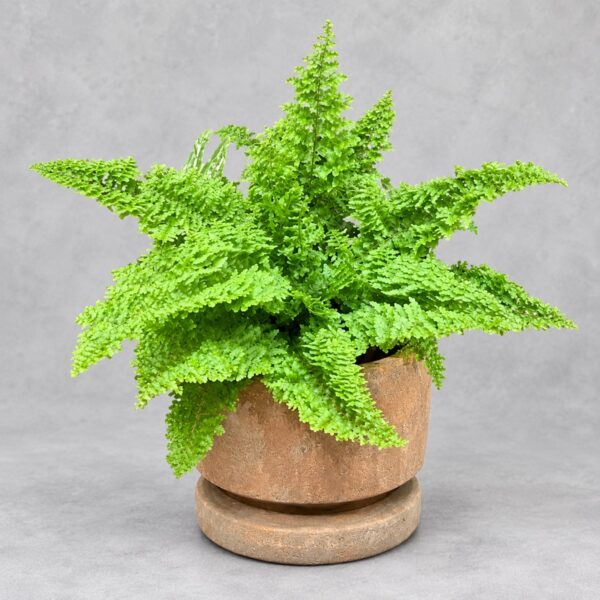
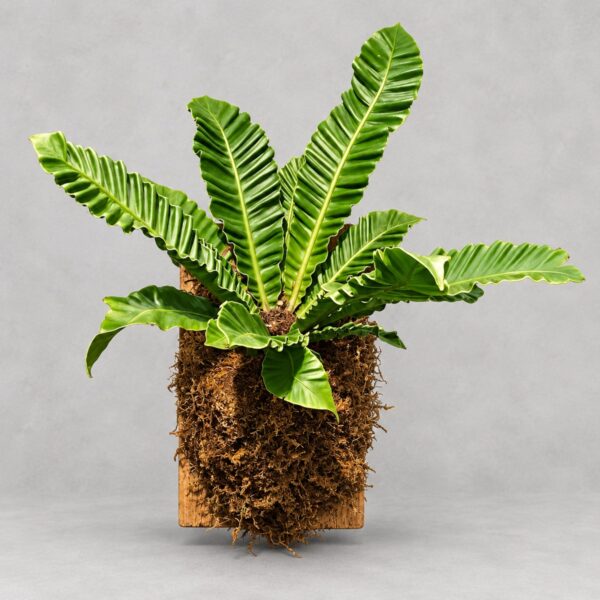
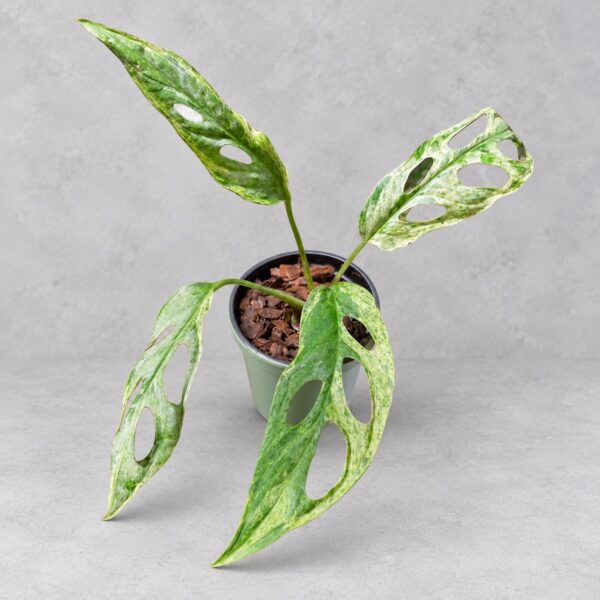
Asplenium nidus var plicatum
Original price was: HK$428.00.HK$180.00Current price is: HK$180.00.
In stock · store pickup
View plant
FREE PLANT ADVICE
Send us a photo before you change anything
WhatsApp a photo of the plant and your window light. Our Causeway Bay team will suggest care steps or plants that suit your space.
STORE · CAUSEWAY BAY
4/F, 39 Yiu Wa Street, Causeway Bay
Daily 12:30–8:00pm · ~3 min walk from Times Square
Map & directionsChoosing Plants


