

Water Propagation to Soil: Comparing Two Cultivation Methods

Introduction: The Choice Between Water and Earth
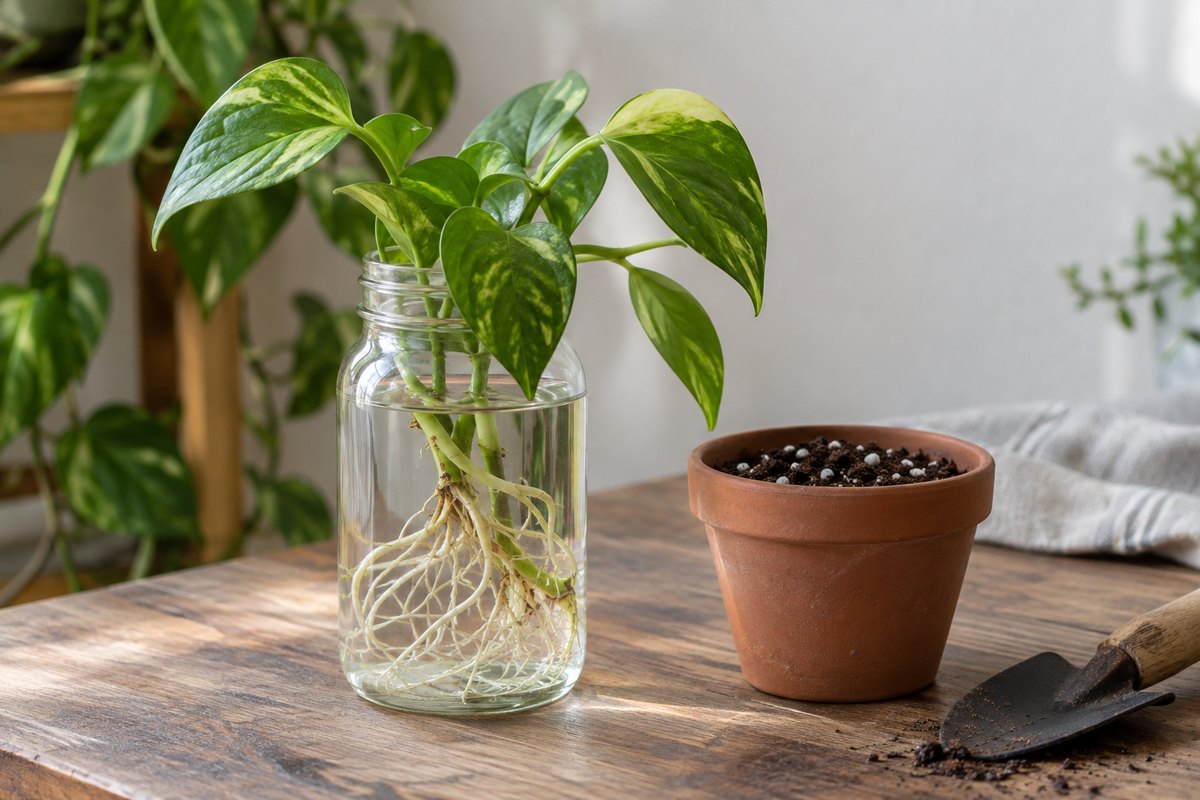
In a corner of the specimen archive sits a glass jar holding a water-propagated pothos. Through the transparent vessel, white roots unfurl like mist frozen in water, slowly stretching out. Every two weeks I change its water, watching those roots breathe freely in the clear liquid — a uniquely therapeutic sight that soil cultivation can never replicate.
Yet simultaneously, in my greenhouse, a soil-grown Philodendron melanochrysum is pushing out new leaves at an astonishing rate, its roots tangling richly through the earth — that vigorous vitality is something water propagation struggles to match. Water or soil: which is better? I’ve been asked this countless times. The answer: neither is absolutely superior — it depends on context. Let’s lay both methods on the table and compare them properly.
Water Propagation vs. Soil Cultivation: The Fundamental Difference
Hydroponics, as the name suggests, uses water as the growing medium. Roots either submerge directly or anchor in soilless substrates (perlite, rockwool, LECA), receiving nutrients from manually added fertiliser solution. Soil cultivation is the traditional approach we all know — roots grow in soil or custom potting mix, drawing water, nutrients, and oxygen from within.
The most obvious difference: water propagation lets you see the roots; soil cultivation makes plants grow stronger. Each has its charms and its headaches.
Advantages of Water Propagation: Clean, Transparent, Therapeutic
Clean and Pest-Free
This is water propagation’s biggest draw — no soil means virtually no soil-borne pests or diseases. No fungus gnats emerging from pots, no hidden eggs hatching, no muddy splashes dirtying floors. For the cleanliness-minded, water propagation is pure bliss.
The Unique Beauty of Visible Roots
White roots stretching through a transparent container are minimalist décor in themselves. Several water-propagation jars lined along a windowsill, sunlight streaming through water onto roots — that crystalline quality is unmatched by any ornament. This is why Nordic interior designers particularly favour hydroponic plants.
No Risk of Overwatering
Overwatering is the #1 plant killer for beginners. Water propagation eliminates this entirely — there’s no “watering” to get wrong, only “water changing.” No agonising over how much is enough — a massive relief for novices.
Easy Root Health Monitoring
Soil hides roots; problems only surface when leaf symptoms appear. Water propagation roots are fully visible — you can observe root tip colour, new root growth rate, any rot or darkening. This immediate feedback catches problems early.
Disadvantages of Water Propagation: Freedom Has Limits
Limited Nutrient Supply
Water-propagated plants depend entirely on the nutrients you provide. Get the formula right and they thrive; get it wrong and growth stalls or roots burn. Soil contains naturally occurring trace minerals and beneficial microbial communities that hydroponics struggles to fully replicate. Long-term pure water propagation often results in slower growth and smaller leaves compared to soil-grown counterparts.
Regular Water Changes Required
This is water propagation’s hidden cost. Stagnant water breeds bacteria and algae while dissolved oxygen depletes. Summer demands changes every 5-7 days; winter extends to 10-14 days. Skipping too long directly harms root health. Ultimately, water propagation swaps “watering” for “water changing” — the workload isn’t necessarily lighter.
More Fragile Root Structure
Water-formed roots differ structurally from soil-grown ones — they’re softer, more delicate, with thinner epidermis. These roots damage easily when introduced to soil through friction or pressure, which is why water-to-soil transitions require such care.
Not All Plants Suit It
Among tropical foliage plants, many reject water propagation entirely. Succulents and cacti — adapted to arid conditions — are virtually impossible to maintain hydroponically long-term. Some highly root-sensitive varieties (most Alocasia species) perform significantly worse in water. Successful water propagation mainly works for varieties from naturally humid environments with adaptable root systems.
Advantages of Soil Cultivation: Hundreds of Millions of Years of Evolutionary Wisdom
Comprehensive, Balanced Nutrition
Quality potting mix (and I mean genuinely good mix, not random garden soil) contains rich organic matter, minerals, and trace elements, supported by soil microbial communities that provide nutrition in ways hydroponics cannot fully simulate. This is why the same variety often grows more robustly in soil with larger leaves.
Healthier Root Development
Soil roots must “work” to expand — navigating through substrate particles, seeking water and nutrients, establishing firm anchorage. This moderate resistance stimulates robust development, producing thicker epidermis and more extensive root architecture. These roots far outmatch water roots in environmental resilience.
Universally Applicable
Nearly all foliage plants can be soil-grown, from the most delicate variegated varieties to the toughest snake plants. Soil cultivation also offers greater margin for error — occasional overwatering can be mitigated by good drainage; minor nutrient imbalance is buffered by soil chemistry.
Closer to Natural Conditions
Plants evolved for soil environments over hundreds of millions of years. Soil cultivation essentially restores this natural state, letting plants grow in their most “comfortable” way. I’ve seen the same plant accelerate growth and deepen leaf colour after transitioning from water to soil countless times.
Disadvantages of Soil Cultivation: Technique and Patience Required
Messier — For Some
Soil drops, dusts, and dirties floors during repotting. Unavoidable. For someone like me who handles soil daily, this is actually joy. But for those wanting pristine white mansions with plants, soil cultivation does present challenges.
The Watering Skill Barrier
“When? How much? Top-water or bottom-soak?” These questions plague countless beginners. Overwatering-induced root rot is the leading cause of plant death, and judging correctly requires accumulated experience. Water propagation’s “water changing” is operationally simpler.
Media Requires Periodic Replacement
Soil decomposes, acidifies, and accumulates salts over time, typically needing replacement every 1-2 years. This process stresses plants and requires effort from the owner. Water propagation has no “soil change” — just continued water changes.
Water-to-Soil Transition: The Art of Gradual Change
This is a challenge every water propagation enthusiast eventually faces. Perhaps to promote stronger growth, or simply to switch methods. Rush this transition and plants readily wilt or die. Here are key techniques:
Gradual Transition, Not Instant
Never bury water roots directly into dry soil. My method: prepare moist but not soggy mix (I use peat moss and perlite, roughly 6:4 ratio), dig a hole with your finger, gently place the water-rooted plant inside, and firm the soil. The critical point: pre-moisten the medium — dry soil instantly sucks moisture from root surfaces, causing dehydration shock.
Maintain High Humidity
The first two weeks post-transition are critical. Water roots are accustomed to 100% humidity; soil’s fluctuating moisture is a massive challenge. Cover the plant with a clear plastic bag (with a few air holes) or place it in a humid environment (bathroom, or grouped with other plants) while roots adapt.
Hold Off on Fertiliser
No fertilising for at least one month post-transition. Roots are vulnerable now, and additional salt exposure can cause damage. Fresh potting mix contains sufficient nutrients to carry the plant through adaptation. Resume normal feeding only when new leaf growth signals recovery.
Reduce Light Intensity
During transition, diminished root absorption supplies less water to foliage. If light is too strong, rapid transpiration causes wilting. Temporarily move to a shadier spot, gradually increasing light as root function recovers.
Recommended Plants for Water Propagation
If water propagation’s clean aesthetic appeals to you, these varieties perform best in my experience:
Epipremnum aureum (Pothos/Golden Pothos): The classic water propagation starter. Strong roots, adaptable, fast growth. Simply cut a stem section and place it in water — new roots emerge within two weeks.
Spathiphyllum (Peace Lily): Surprisingly excellent in water. White roots in transparent containers are visually stunning, and it’ll bloom in water too — a unique twist.
Chlorophytum comosum (Spider Plant): Snip off baby plantlets and pop them in water. Cascading roots develop quickly, perfect for hanging water-propagation vessels in bright spots.
Hedera helix (English Ivy): Unexpectedly strong water-growing ability, and that elegant trailing habit paired with glass containers makes for the most beautiful desk or windowsill accent.
Conclusion: Two Methods, One Love for Plants
Water propagation and soil cultivation aren’t opposing camps — they’re two paths to the same goal: helping plants thrive under our care. My personal approach: water propagation for small desktop plants and root-display specimens; soil for large foliage plants needing vigorous growth. Both methods coexist, each playing to its strengths.
Whichever you choose, remember this principle: observe your plant — it will tell you what’s best. New leaves unfurling, roots staying white and firm, colours remaining vibrant — these are your plant saying “thank you, I’m doing well.”
Ready to start your water propagation journey, or seeking quality potting mix to transition your water roots to soil? Plantjai.com offers complete nutrient solutions and growing media, plus knowledgeable staff to answer your cultivation questions. Visit their Causeway Bay store or browse their website for everything you need.
IN STORE NOW
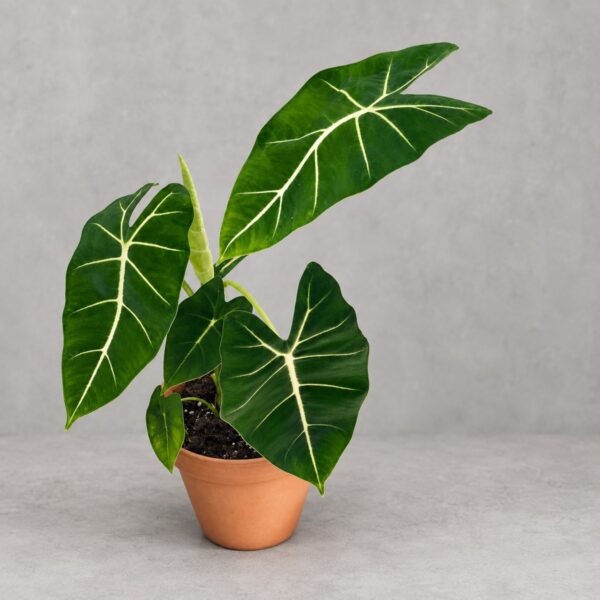
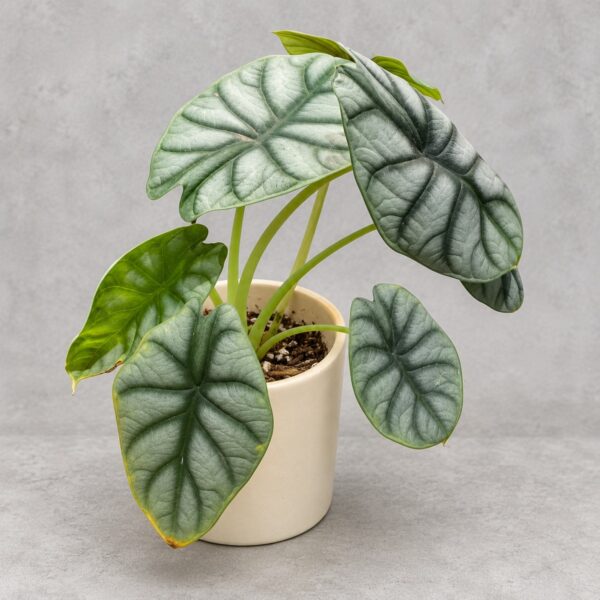
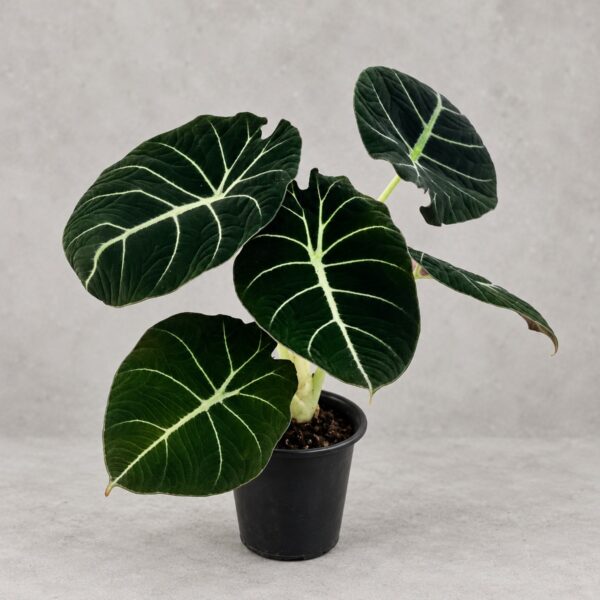
Plants for this guide
Related plants in stock now — live prices, delivery or Causeway Bay pickup.
FREE PLANT ADVICE
Send us a photo before you change anything
WhatsApp a photo of the plant and your window light. Our Causeway Bay team will suggest care steps or plants that suit your space.
STORE · CAUSEWAY BAY
4/F, 39 Yiu Wa Street, Causeway Bay
Daily 12:30–8:00pm · ~3 min walk from Times Square
Map & directionsChoosing Plants


