

How to Choose Healthy Plants: The Curator’s Expert Eye, Six Steps to Avoid Pitfalls

Introduction
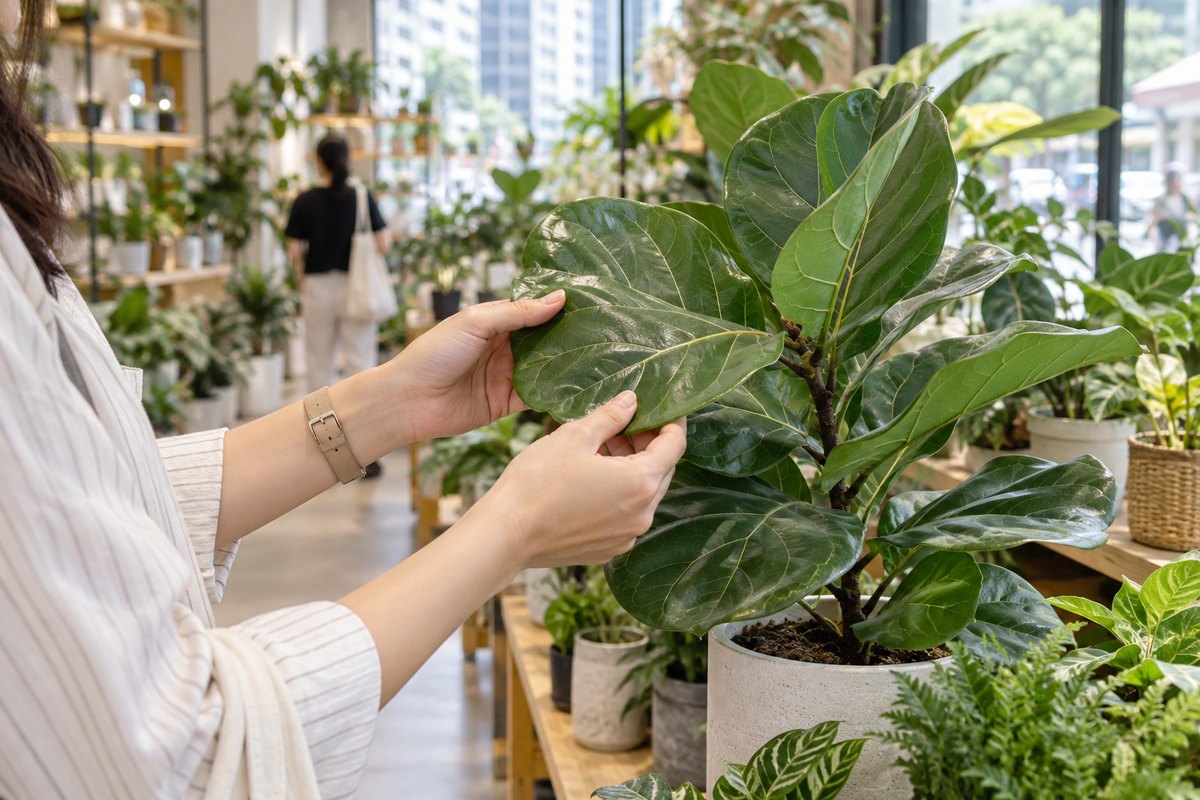
Last week at our Causeway Bay store, an excited customer told me she’d “scored a bargain” at a market—a fiddle-leaf fig at “half price.” Three days later, she showed me photos: leaves completely yellow, stem turning black, roots emitting a rotting stench. The plant’s root system had already rotted through. That so-called “bargain” became nothing more than a pot of soil and decaying roots to throw away.
“Curator, why do I always end up buying nearly dead plants?” she asked, frustrated.
I’ve heard this question too many times. Selecting plants is like selecting fruit—you need to know what to look for, what to smell, and what to touch. Today, I’m sharing my years of cultivated selection expertise from the Specimen Archive. These six simple inspection steps will ensure you never strike out when buying plants in Hong Kong.
Step 1: Leaf Inspection—The Window to Plant Health

Leaves are the most direct indicator of plant health, like a person’s complexion.
What to look for:
– Color uniformity: Healthy leaves should have even, saturated color without abnormal yellow, white, or brown spots. Of course, some varieties are naturally variegated (like the yellow edges of Snake Plants or the colorful patterns of Caladiums)—these are normal characteristics, not disease.
– Leaf edge condition: Edges should be intact, without scorching, curling, or drying. Scorched edges usually signal improper watering (too much or too little) or insufficient humidity.
– Leaf texture: Gently touch the leaves; they should have some thickness and elasticity. Leaves that are paper-thin, soft, or drooping typically indicate a plant that’s been weak for a long time.
– Pest damage: Carefully inspect the undersides of leaves and leaf axils for small insects, eggs, fine spider-web-like threads, or tiny black dots (which may be scale insect excretions).
Curator’s tip: Gently shake the plant. If a large number of leaves fall off, this plant is either severely underwatered or has serious root damage—put it down and walk away.
Step 2: Stem Inspection—The Skeleton of Plant Health
Many people only look at leaves and ignore stems. This is a major mistake. The stem is the plant’s “skeleton.” If the skeleton has problems, no matter how beautiful the leaves are, it’s all superficial.
What to look for:
– Color and texture: Healthy stems should be firm with uniform color. If you see black, brown, or soft mushy spots, these are typically signs of fungal infection.
– Node condition: Check the nodes on the stem (where leaves emerge)—they should be clean, without abnormal lumps or mold.
– New growth points: Look for tiny buds or new leaf traces at the stem tip or sides. Active growth points mean the plant is growing healthily, not just “hanging on by a thread.”
Special note: Some sellers use chemicals to make plant leaves temporarily appear glossy and healthy, but stem blemishes cannot be concealed. Stem inspection is the key to revealing the true nature of “made-up plants.”
Step 3: Root Inspection—The Hidden Health Code Under the Pot
Roots are the plant’s “heart,” but they’re also the most easily overlooked inspection area. When buying a plant, you should perform at least a basic root assessment.
How to check:
1. Observe from drainage holes: Pick up the plant and look at the bottom drainage holes. Healthy white or light-colored roots may be peeking through—this is a good sign indicating active root growth. But if you see dark brown roots or smell a rotting odor, be cautious.
2. The gentle tug test: With one hand supporting the soil surface, gently pull the plant upward with the other. If the plant stays firmly “stuck” in the soil, it means the roots have fully extended and gripped the soil—this is healthy. If the plant pulls out easily with few roots attached—this is what’s known as a “lightly rooted” plant that will be difficult to keep alive.
3. Observe the soil surface: If the surface is covered with green moss or white mold, this is usually the result of overwatering and poor ventilation, suggesting roots may have begun to rot.
Step 4: New Leaf Inspection—Proof of Vitality
New leaves are the best evidence of a plant’s vitality. A plant that’s actively growing will inevitably produce new foliage.
What to look for:
– Number and size of new leaves: Healthy plants should have new leaves emerging or recently unfurled. New leaf size should be proportionate to mature leaves. If new leaves are progressively smaller, this is a signal the plant is “starving” (nutrient deficient).
– New leaf color: Freshly unfurled leaves are typically lighter in color (pale green or with reddish-brown tints)—this is normal. But if new leaves are yellow, white, or deformed, this may indicate nutrient deficiency or pest/disease issues.
– Growing tip condition: The apical bud (the growing point at the stem tip) should be plump and vibrantly colored. If the growing tip is dried, blackened, or missing, this plant’s growth has stalled, and it will be difficult to produce new leaves after you bring it home.
Step 5: Overall Form—The Balanced Aesthetics of Stem-to-Leaf Ratio
This step requires some experience, but the basic principle is simple: a healthy plant should appear “balanced.”
What balance means:
– Stem-to-leaf ratio: The stem should be thick enough to support the leaves. If the stem is thin as a toothpick but topped with massive leaves, this is typically the result of “etiolation” (leggy growth)—the plant desperately stretched its stem seeking light in a low-light environment, resulting in a weak stem and sparse foliage.
– Leaf distribution: Leaves should be evenly distributed around the stem, not concentrated at the top (also a sign of etiolation) or all drooping (which may indicate underwatering or root damage).
– Plant posture: The plant should stand upright with vigor, not leaning precariously. Asymmetric growth may be due to phototropism, but if the plant is clearly too weak to support itself, consider root or stem problems.
Step 6: Growing Medium Inspection—Soil Can Talk
The final step: examine the growing medium (soil or sphagnum moss). Many people overlook this, but the medium’s condition tells you how the plant has been treated in the past.
What to smell and see:
– Odor: Healthy soil should have a faint earthy smell. If you detect sourness, rotting, or any pungent odors, these are clear signals of root rot or mold proliferation.
– Moisture status: The soil surface should be slightly moist but not waterlogged. If it feels like soggy mud, this plant has likely been overwatered. If the surface is cracked and dry, it may have gone without water for an extended period.
– Mold and debris: White or gray mold threads, or tiny black flying insects (fungus gnats) hovering over the soil surface—these are all evidence of poor cultivation practices.
Five Red Flags: Turn Around and Walk Away
Beyond the six inspection steps above, there are five obvious “danger signals.” Once you spot any of these, don’t buy—no matter how cheap:
1. Signs of Root Rot from Overwatering
Water pooling on the soil surface, dark brown water draining from the bottom, or a rotting smell emanating from the plant—these are all signs that root decay has already begun. Root rot is extremely difficult to save, especially for beginners.
2. Severe Infestation
Leaves covered with scale insects (appearing as brown or white small bumps), spider-web-like threads coating the undersides of leaves, or black sooty mold covering the foliage—these infestations don’t just affect this one plant; they can spread to your entire plant collection at home.
3. Etiolation (Leggy Growth)
Thin elongated stems, excessively large internode spacing, sparse and small leaves—these are the results of severely inadequate light. While etiolated plants can be saved, they require pruning and environmental adjustment, which is challenging for beginners.
4. Overcrowding
Seven or eight seedlings crammed into a tiny pot may look “lush,” but each one is competing for nutrients. These “combo plates” will soon show weaker individuals dying off.
5. Unrecovered from Environmental Shock
Some plants are shipped directly from greenhouses to store shelves while still recovering from “environmental shock.” Signs include drooping leaves, some yellowing, and overall listlessness. These plants aren’t impossible to save, but they require more patience and have uncertain survival rates.
Timing Your Purchase: Weather Matters Too
When buying plants in Hong Kong, there’s also a practical factor to consider—the weather.
Extreme summer heat (especially July and August) can cause heat damage during transport. Winter cold snaps (particularly around January) can cause tropical plants to suffer cold damage outdoors. The best purchasing windows are spring and autumn (March to May, September to November), when temperatures are mild and plants experience the least stress adapting to new environments.
If you must buy during extreme weather, request proper packaging from the seller (especially insulation or heat protection) and get the plant home as quickly as possible, avoiding prolonged outdoor exposure.
Conclusion: Good Plants Are Selected, Not Left to Chance
Selecting plants is a skill that can be learned. When you master these six inspection steps—leaves, stems, roots, new growth, overall form, and growing medium—you gain the ability to screen out healthy specimens from the vast ocean of available plants.
Of course, the easiest approach is still choosing a trustworthy seller. At the PLANTJAI Specimen Archive, every plant undergoes rigorous inspection by our team to ensure healthy roots, freedom from pests and diseases, and stable condition before reaching our shelves. We don’t sell “made-up plants,” and we don’t sell specimens “hanging on by a thread.”
Want to see with your own eyes what “truly healthy plants” look like? Visit [plantjai.com](https://plantjai.com) to browse our species catalog, or come directly to 4/F, Nam Hing Fong, 39 Yiu Wa Street, Causeway Bay, and let us use our six-step standard to select a plant that will accompany you for years to come.
IN STORE NOW
Plants for this guide
Related plants in stock now — live prices, delivery or Causeway Bay pickup.
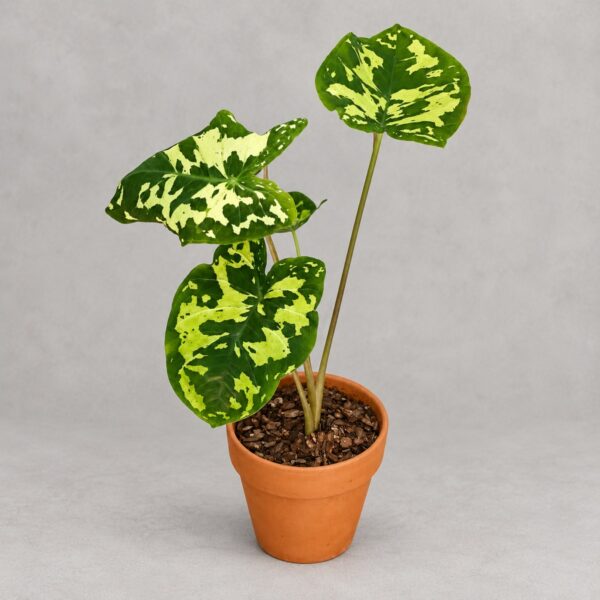
Caladium praetermissum 'Hilo Beauty'
Caladium praetermissum 'Hilo Beauty'
HK$188.00
In stock · store pickup
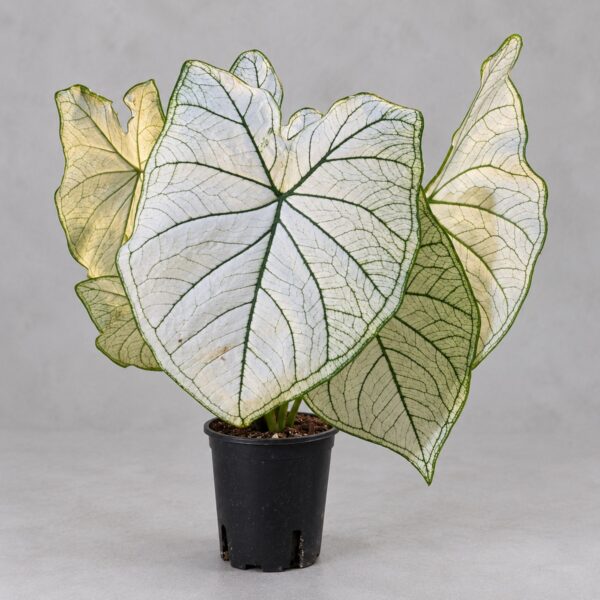
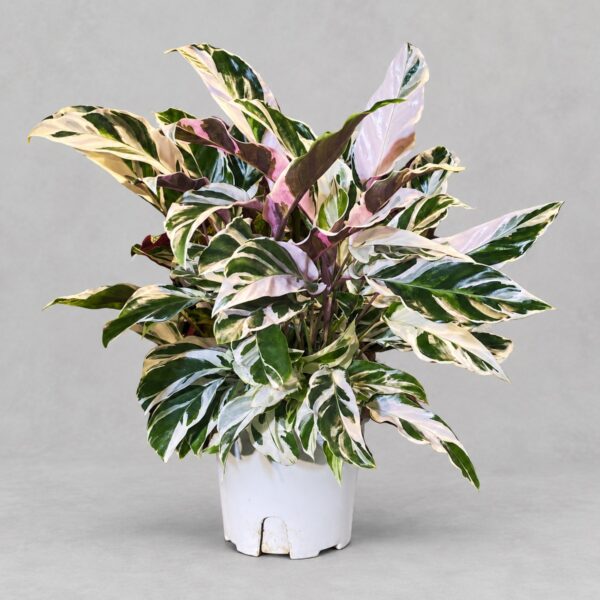
View plantCaladium 'White Christmas'
Caladium 'White Christmas'
Original price was: HK$398.00.HK$298.00Current price is: HK$298.00.
In stock · store pickup
View plant
FREE PLANT ADVICE
Send us a photo before you change anything
WhatsApp a photo of the plant and your window light. Our Causeway Bay team will suggest care steps or plants that suit your space.
STORE · CAUSEWAY BAY
4/F, 39 Yiu Wa Street, Causeway Bay
Daily 12:30–8:00pm · ~3 min walk from Times Square
Map & directionsChoosing Plants


