
Plants and Interior Design: How to Create Magazine-Worthy Homes with Foliage Plants

Introduction
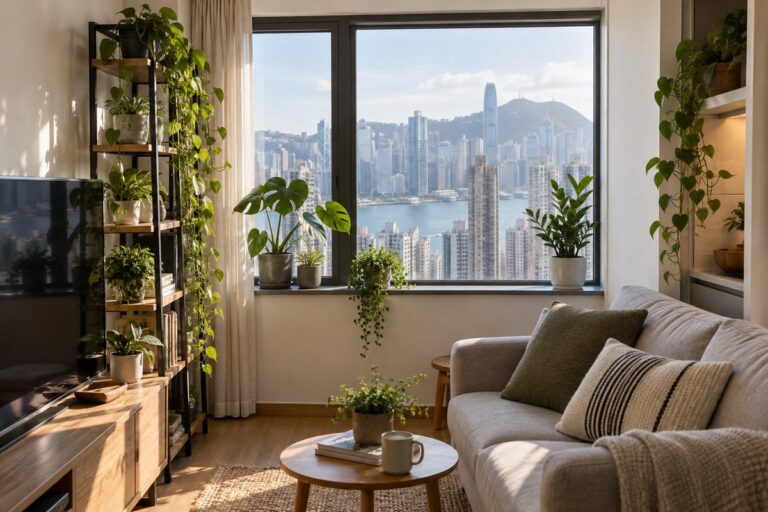
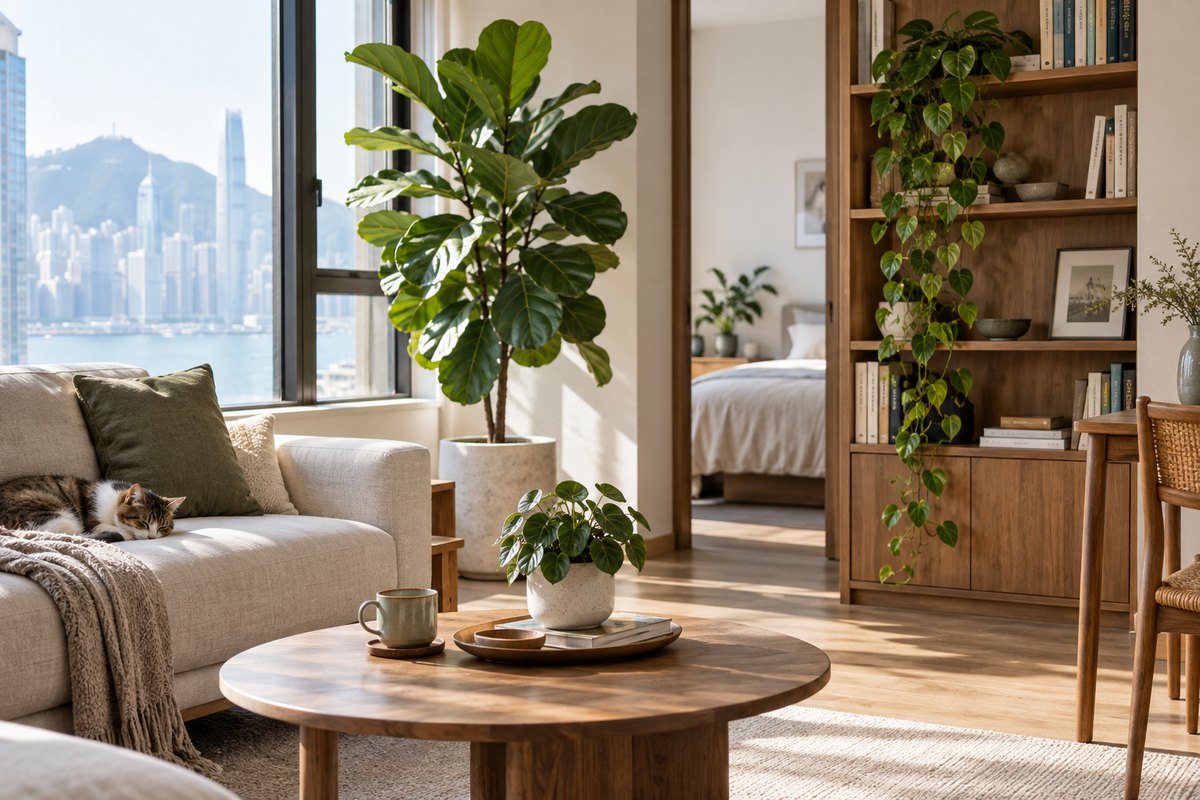
You walk into a Nordic-style apartment from a magazine, and everywhere you look — beyond the minimalist furniture and soft lighting — greenery is perfectly positioned: a fiddle-leaf fig by the floor-to-ceiling window, golden pothos cascading from a bookshelf, a small peperomia on the coffee table quietly radiating life. These plants aren’t randomly placed. They’re part of the spatial design, the key element that transforms a “house” into a “home.”
Welcome back to the PLANTJAI Specimen Archive. Today we’re not talking about plant care — let’s discuss plant aesthetics. How to make foliage plants the design highlight of your home, rather than optional decorations in the corner.
Aesthetic Principles for Indoor Plant Arrangement
Height Layering: Creating Visual Depth
The most fundamental and crucial principle of plant arrangement is having varied heights. Imagine a forest — tall canopy trees, medium shrubs, low ground cover. This natural layering is what you want to simulate. A space should have tall focal plants (like fiddle-leaf fig Ficus lyrata or dragon tree Dracaena marginata) as visual anchors, medium plants filling the middle layer, and small plants adorning surfaces and shelves. Having everything at the same height looks flat and lifeless.
Colour Contrast: A Palette Beyond Green
Most people think plant arrangement is just about “green,” but foliage plants actually offer an incredibly rich colour range. Caladium (Caladium) has pink, burgundy, and pure white leaves. Nerve plant (Fittonia) features deep red or silver-white veining. Variegated monstera leaves have cream-coloured patterns. Coordinating or contrasting these colours with your interior palette creates stunning visual effects. Personally, I love placing a deep red ti plant (Cordyline fruticosa) in a grey or beige Nordic space — that colour collision instantly gives the entire room a soul.
Texture Pairing: Visualising Touch
Leaf textures vary tremendously — monstera’s large leaves are smooth and glossy, air plants (Tillandsia) are rugged and fuzzy, zebra plant (Aphelandra squarrosa) has embossed leaf patterns, while cactus spines and trichomes speak an entirely different visual language. Placing plants with different textures together makes your plant corner look like a carefully curated art installation. Try placing a smooth-leafed rubber plant (Ficus elastica) next to a fuzzy hare’s foot fern (Polypodium). The textural contrast makes both stand out more.
Plant Selection for Different Design Styles
Nordic Style: Green Declarations of “Less Is More”
Nordic design emphasises clean lines and neutral tones. Here, plants play the role of “creating maximum visual impact with minimum elements.” Suitable varieties have clean forms and neat foliage — the violin-shaped leaves of fiddle-leaf fig, the fenestrated leaves of monstera, and the enormous banana-like leaves of bird of paradise (Strelitzia nicolai) are Nordic staples. Choose white or light grey ceramic pots with simple lines that don’t steal attention from the plant. Remember the Nordic essence: one big plant beats ten small ones.
Japanese Style: Dialogue Between Zen and Nature
Japanese spaces pursue the beauty of “wabi-sabi” — imperfection, impermanence, rustic simplicity. Suitable plants should carry this quality: miniature ficus bonsai, the linear elegance of bamboo, the moist tranquillity of moss. Alocasia (Alocasia) leaves have an unmistakably Eastern quality. Placed in a pale cement pot with an interesting stone, the Zen feeling emerges naturally. Japanese-style plant arrangement emphasises “ma” (negative space) — don’t fill every corner. Give plants and space room to breathe. A single monstera leaf in a simple bamboo vase might have more impact than ten potted plants.
Industrial Style: Collision Between Rugged and Living
Exposed concrete walls, metal piping, dark wood floors — industrial spaces have a cold, hard allure, and foliage plants are the perfect tool to soften that edge. Industrial-style plants need “presence”: large monstera, rubber plant, snake plant, or cascading pothos waterfalls. Pot choice is key — cement pots, metal planters, even rusted buckets blend perfectly with industrial aesthetics. I particularly love using black metal plant stands with multiple tiers of smaller plants in industrial spaces — the contrast between rugged and delicate is captivating.
Tropical Style: Bringing the Rainforest Into Your Living Room
If you love the feeling of being surrounded by plants, tropical style is made for you. This approach emphasises “lush, multi-layered density” — hanging pothos and string of pearls (Senecio rowleyanus) up high, broad-leafed Marantaceae plants and various alocasias at mid-level, ferns and peperomias at ground level. Air plants on walls, a large areca palm (Dypsis lutescens) or traveller’s palm (Ravenala madagascariensis) in the corner. This style needs higher humidity and bright indirect light, suitable for well-lit Hong Kong flats. Living here, you’ll feel like you’ve just returned from a tropical holiday every day.
How Pot Selection Affects the Overall Effect
Too many people overlook the importance of pots. A beautiful planter can elevate an ordinary plant; a poor choice can diminish even a rare specimen.
The Language of Materials
Terracotta pots are breathable and natural, best for root health, perfect for rustic and bohemian styles. Ceramic pots have refined texture, come in many colours, and are the top choice for modern homes. Cement pots are rugged and characterful, matching both industrial and Japanese styles. Metal pots feel contemporary but watch for heat conduction issues. Woven baskets add warmth and rustic charm, ideal for Nordic and country styles.
Colour Coordination
A simple colour principle: pot colours should either harmonise with or contrast against your interior environment. Deep green pots in a beige space feel harmonious; terracotta in a grey space creates a warm accent. My experience: when in doubt, choose white or dark grey — these two colours almost never fail.
Proportional Sizing
The proportion between pot and plant matters. Too small looks top-heavy; too large makes the plant seem insignificant. Generally, the pot diameter should be one-third to one-half of the plant’s spread. For focal plants, a slightly larger pot adds a sense of gravitas.
Using Focal Plants
Every space needs a “star.” A focal plant is that attention-commanding presence.
Several points for choosing focal plants: first, it must have sufficient height — floor-standing focal plants should be at least one metre tall; second, it should have distinctive form or foliage — fiddle-leaf fig’s violin leaves, monstera’s fenestrated leaves, bird of paradise’s enormous banana leaves; third, it needs prime placement — by windows, beside sofas, at entryway focal points where the eye naturally rests.
Keep “breathing space” around your focal plant. Don’t crowd it with other greenery. Stars need a stage, not a packed chorus line.
Plant Grouping Configuration Techniques
The Magic of Three
Designers know a secret: three objects grouped together are the most visually comfortable. Three plants at different heights form a natural triangular composition. Try placing the tallest at the back, medium height to one side and front, smallest at the very front. This configuration works especially well in corners.
Using Trays and Plant Stands
Placing several small plants on the same tray or stand makes them look like a unified whole rather than a disorganised collection. Wooden trays with ceramic pots have great texture; metal plant stands add contemporary flair.
Utilising Vertical Space
Don’t limit plants to floors and surfaces. Hang a few air plants on the wall, place cascading pothos on top of a bookshelf, hang ivy near a curtain rod — these vertical plant placements make greenery flow throughout the space rather than being isolated at a few points.
Seasonal Adjustments and Changes
Rotating Focal Points with Seasons
Plants change with seasons, and your arrangement can adjust accordingly. Spring is when plants grow most vigorously — be bold and try new combinations. In summer, move heat-sensitive plants to shadier spots. In autumn, add warmer-toned varieties like ti plant. In winter, showcase the hardiest species in the most prominent positions.
Small Rituals for Holidays
Hang small decorations on plants at Christmas, swap in red pot sleeves for Lunar New Year — these small changes keep your plant corner in rhythm with life. Don’t underestimate these details — they’re the bonds that connect you emotionally with your plants.
Conclusion
Foliage plants in interior design aren’t mere decorations — they’re living, breathing, growing spatial elements. A plant placed in the right position can completely transform a room’s atmosphere. I hope this article inspires you to start looking at your home’s plant arrangement with a designer’s eye.
If you want to see large focal plants and designer pots in person, visit the PLANTJAI Specimen Archive. We’re on the 4th floor of Nam Hing Fong, 39 Yiu Wa Street, Causeway Bay, with styled plant display areas where you can directly experience how plants pair with different spaces. You can also browse our plant catalogue and pot collection at plantjai.com first. Let’s turn your home into a magazine cover together.
IN STORE NOW
Plants for this guide
Related plants in stock now — live prices, delivery or Causeway Bay pickup.
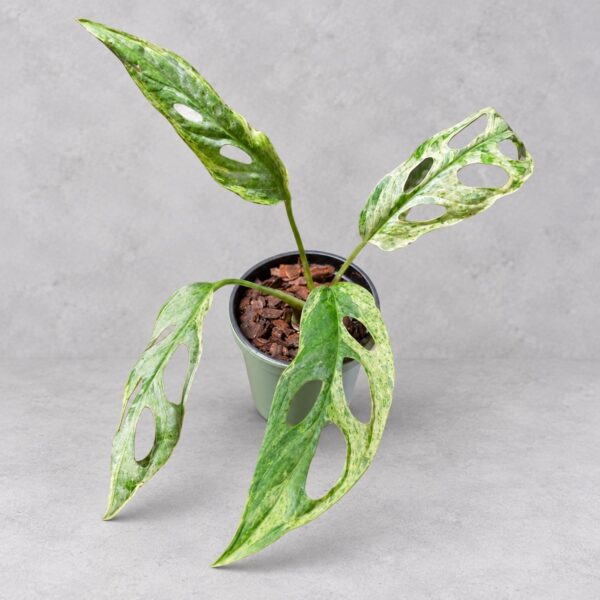
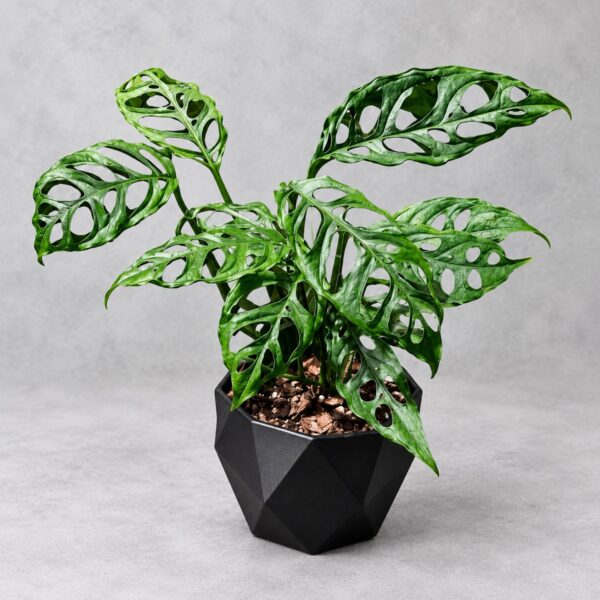
Monstera obliqua Peru
Original price was: HK$480.00.HK$280.00Current price is: HK$280.00.
In stock · store pickup
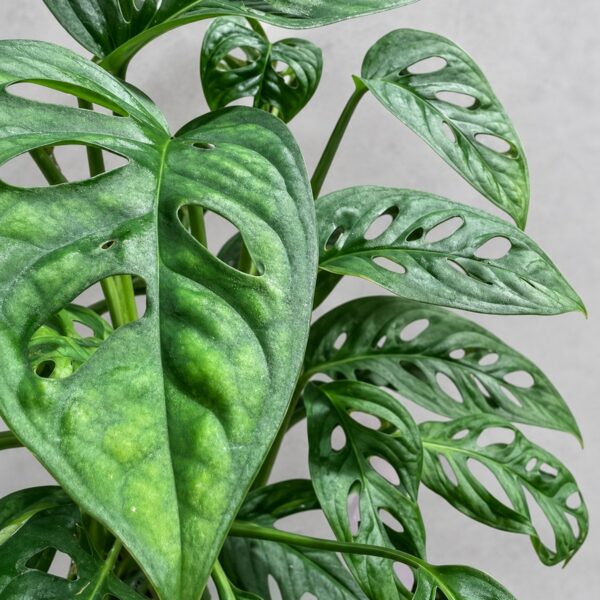
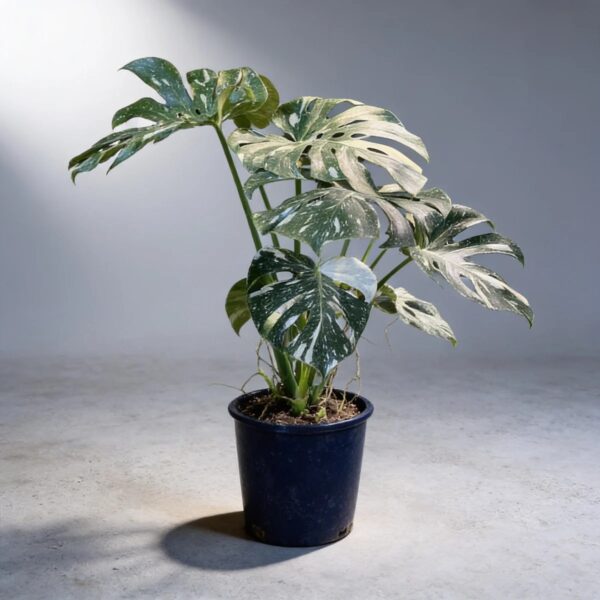
View plantMonstera 'Thai Constellation'
Monstera 'Thai Constellation'
from HK$280.00
In stock · store pickup
View plant
FREE PLANT ADVICE
Send us a photo before you change anything
WhatsApp a photo of the plant and your window light. Our Causeway Bay team will suggest care steps or plants that suit your space.
STORE · CAUSEWAY BAY
4/F, 39 Yiu Wa Street, Causeway Bay
Daily 12:30–8:00pm · ~3 min walk from Times Square
Map & directionsHK Plant Living