Balcony and Terrace Gardening: Challenges and Solutions for Outdoor Planting in Hong Kong

Introduction
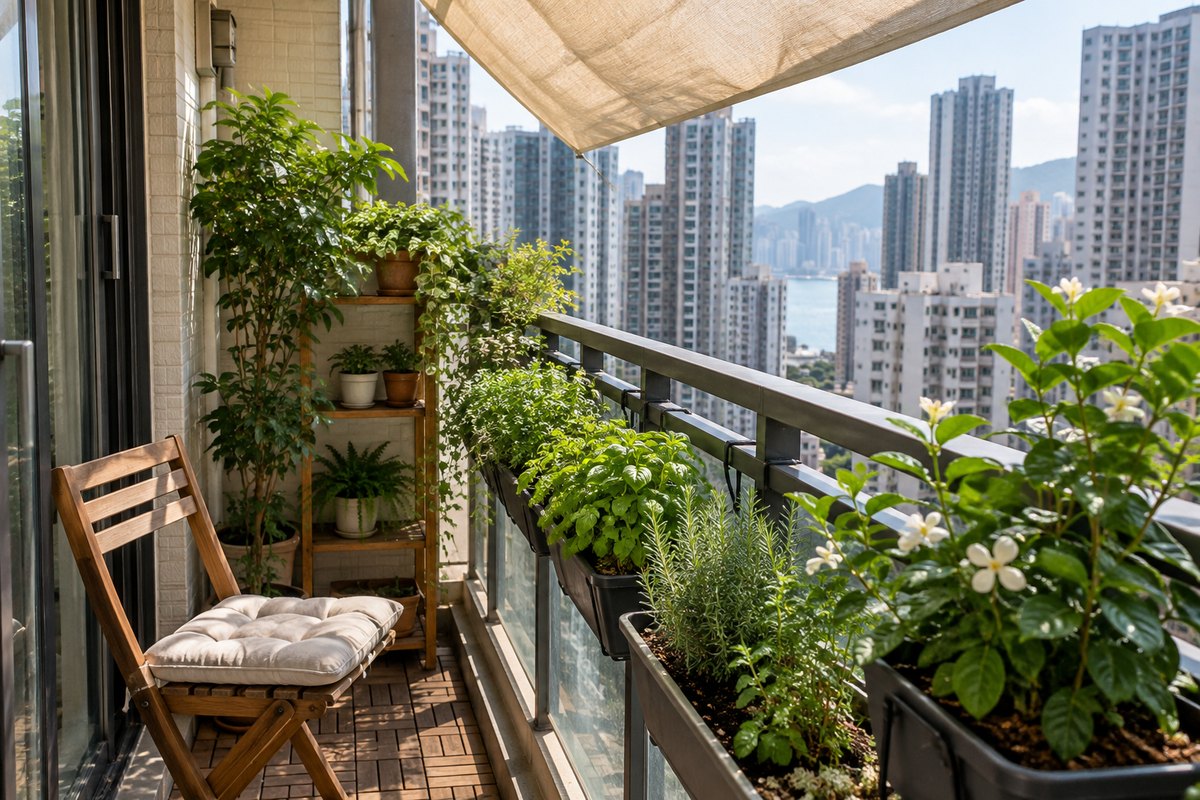
“Chief, my balcony gets so hot even the stones would catch fire — what plants can actually survive out there?” This is a question I’ve heard countless times at the Specimen Archive. Living in Hong Kong, having an outdoor space — even a two-foot-wide balcony — is a luxury. But turning that space into a lush little garden is an ongoing battle against weather, environment, and space constraints.
Don’t worry. In this article, I’m sharing all the hard-won experience I’ve gained over the years helping Hong Kong customers create their balcony gardens. From analysing environmental challenges to choosing plants for different orientations, plus practical wind and sun protection techniques — let’s turn your balcony or terrace into a true urban oasis.
Environmental Challenges for Outdoor Planting in Hong Kong
Challenge One: Tropical Intense Sunlight and Heat
Hong Kong sits just south of the Tropic of Cancer, and summer sun intensity is staggering. West-facing balconies can exceed forty degrees in the afternoon. Moisture evaporates from potting soil at alarming speed, and many seemingly tough plants won’t survive their first summer.
Challenge Two: Dry Winds and Sea Salt
Hong Kong’s forest of high-rises means the higher the floor, the stronger the wind. Sea breezes carry salt that causes chronic damage to plant leaves, with leaf margins browning over time. East and southeast-facing units especially need to watch for this.
Challenge Three: Air Pollution
While Hong Kong’s overall air quality has improved significantly over the past decade, vehicle exhaust and construction dust in urban areas still affect outdoor plants. Some sensitive foliage varieties like ferns struggle to thrive roadside.
Challenge Four: Limited Space
The average Hong Kong balcony spans only a few dozen square feet, with some barely extending beyond a small platform outside the window. Creating visual layering in such limited space is an art in itself.
Plant Selection Strategies for Different Orientations
This is the most crucial lesson for Hong Kong balcony gardening. Choose the wrong direction, and even the best plants won’t survive.
South-Facing Balcony: Full Sun Warriors
South-facing balconies receive the most direct sunlight, perfect for sun-loving plants. Agave species are the stars here — their thick, water-storing leaves have a sculptural quality, and they’re built for this environment. Various cactus species also thrive: from compact golden barrel cacti to tall columnar types. Sago palm (Cycas revoluta) is a particular recommendation of mine — its ancient, primordial presence creates a visual focal point on any balcony, and it’s incredibly sun and drought tolerant.
West-Facing Balcony: Heat and Drought Hardy Troopers
Western exposure is Hong Kong’s number one plant killer. But some plants can take it. Coleus (Coleus) produces spectacularly coloured foliage in red, purple, and green patterns under partial sun conditions, bringing tropical flair to your balcony. Dwarf umbrella tree (Schefflera arboricola) adapts remarkably well, surviving anything from full sun to partial shade, with attractive palmately compound leaves. Larger schefflera varieties can even serve as mini-trees, providing a touch of green canopy on west-facing balconies.
East-Facing Balcony: The Golden Location with Maximum Choice
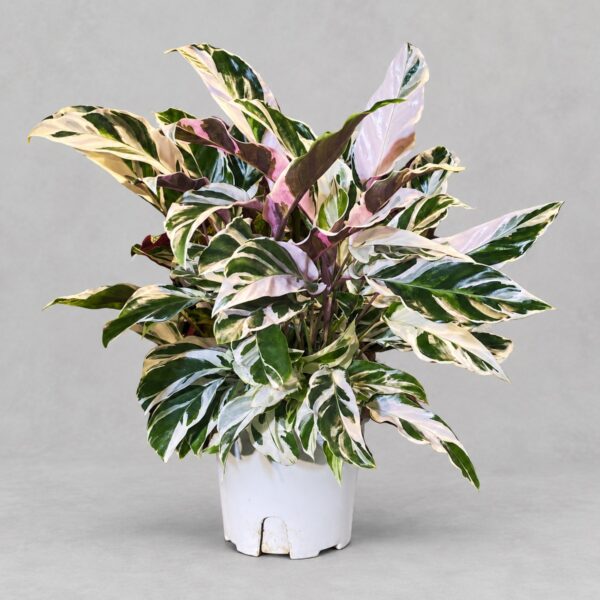
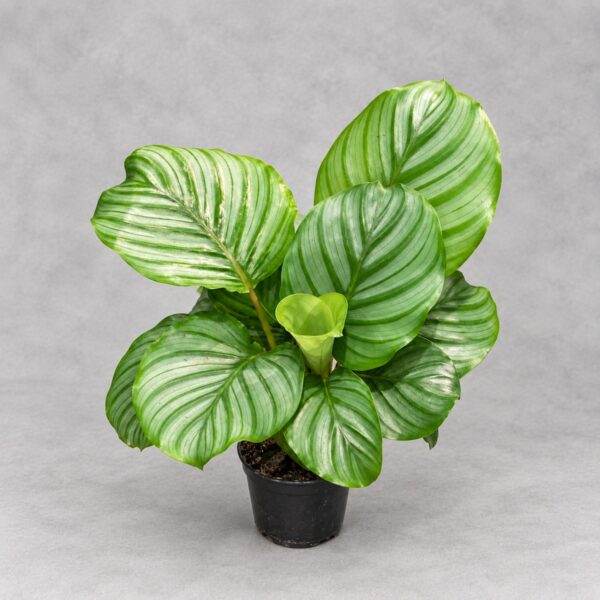
East-facing balconies get gentle direct sun in the morning, shifting to bright indirect light in the afternoon — the ideal growing orientation. The range of suitable plants is widest here: from shade-tolerant ferns to partial-sun foliage plants. Peperomia varieties, various Marantaceae family plants, and even pothos (Epipremnum aureum) will grow far more vigorously here than indoors. If you want to experiment with flowering foliage plants, an east-facing balcony is a great choice.
North-Facing Balcony: Green Strategies for Shady Spaces
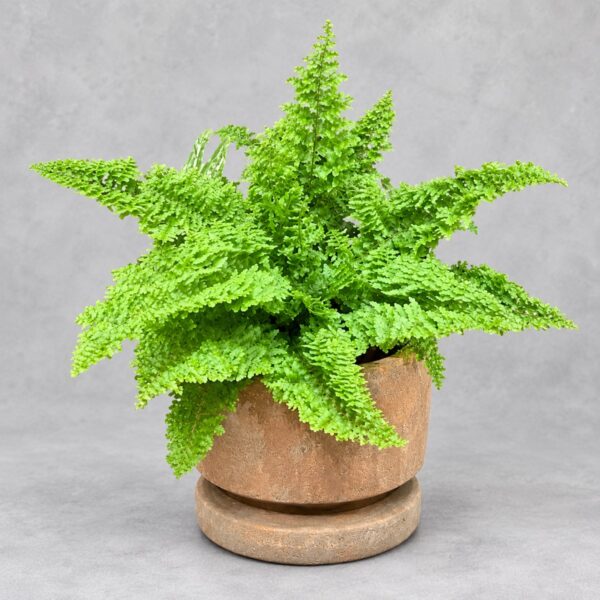
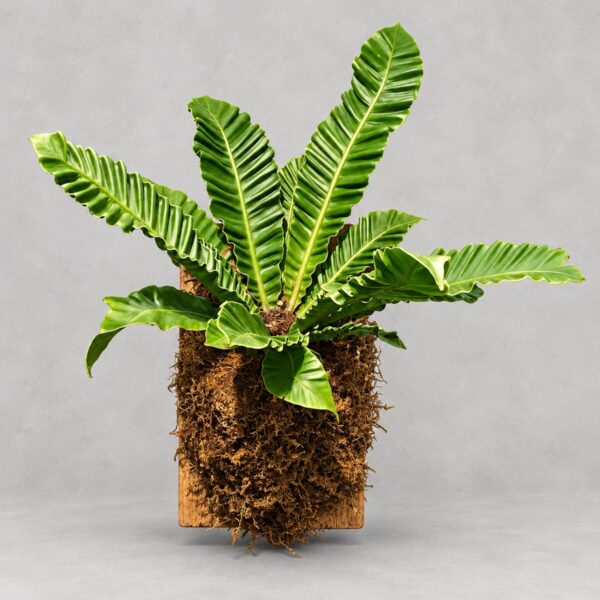
North-facing balconies receive virtually no direct sun, but that doesn’t mean you can’t grow plants. Snake plant (Sansevieria) still performs well here. Various ferns like Boston fern (Nephrolepis exaltata) and bird’s nest fern (Asplenium nidus) will be happier here than in full sun. Consider some foliage-focused climbing plants trained along railings to add layering to a north-facing space.
Recommended Foliage Plants for Hong Kong Outdoor Growing
Here’s a battle-tested recommendation list:
Extremely sun and drought tolerant: Agave, cacti, sago palm, aloe vera (Aloe vera), snake plant, crown of thorns (Euphorbia milii)
Strong partial sun adaptability: Dwarf umbrella tree, coleus, rubber plant, monstera, arrowhead plant (Syngonium), pothos
Can survive in shade: Various ferns, Marantaceae family plants, peperomia, pothos, peace lily
One reminder: even the same plant species needs an acclimatisation period when moved from indoors to outdoors. Place it in a sheltered spot for a week or two, letting it gradually adjust to stronger light, before moving it to its final position.
Wind and Sun Protection Measures
Shade Cloth: An Economical Sun Protection Solution
For severely west-exposed balconies, my most common recommendation is installing shade cloth. Available in different shading percentages (50%, 70%, 90%), you can choose based on your balcony’s actual conditions. A 50% shade cloth softens light considerably while retaining enough brightness for plant growth. Secure it with rope or hooks above the railing — put it up in summer, take it down in winter. Flexible and affordable.
Wind Barriers: Protecting Plants and Yourself
Strong winds at high-level units accelerate moisture loss and can topple taller or lighter pots. The solution is simple: place taller, sturdier plants on the windward side as natural barriers, or install windbreak fabric along railings. Special balcony windbreaker rolls are available that look good while effectively reducing wind speed.
Securing Pots: Preventing Tragedy
Every typhoon season in Hong Kong brings news of balcony pots “jumping” off buildings. Please ensure large pots have sufficient weight and stability. Terracotta pots are heavier than plastic and more wind-resistant. Add stones at the bottom of pots for extra weight, or group multiple pots together for mutual support.
Simple Automatic Watering System Installation
Hong Kong’s busy lifestyle makes automatic watering especially important. You don’t need expensive professional systems — these solutions can significantly reduce your burden.
Drip Irrigation Kits
Simple drip irrigation kits available online are budget-friendly. Connect one to your tap, run lines across your balcony, and set a timer — even if you’re away for several days, your plants won’t go thirsty. I recommend choosing adjustable flow drip emitters, as different plants have vastly different water needs.
Self-Watering Pots
Some well-designed self-watering pots feature built-in water reservoirs, letting plants absorb moisture as needed. This is a lifesaver for frequent business travellers. However, self-watering pots can lead to overwatering — choose ones with water level indicators.
Moisture Retention Tips
With summer’s rapid evaporation, a layer of coir or gravel on the soil surface helps reduce moisture loss. Placing small pots on shallow trays filled with pebbles and water also increases ambient humidity through evaporation.
Elevated Planting and Vertical Greening Techniques
Creating Spatial Depth Through Layering
The secret to small balconies is growing upward. Use shelving to arrange plants in tiers — tall at the back, short at the front — creating a three-dimensional visual effect. Install wall grids or brackets and train climbing plants like pothos or ivy (Hedera helix) upward. Space-saving and beautiful.
Hanging Plant Displays
Railing planters are balcony gardening allies — they don’t use floor space and add cascading lines to your balcony. Suitable plants include spider plant (Chlorophytum comosum), ivy, and various small ferns. Choose lightweight planters with drainage holes to avoid waterlogging and excessive weight.
Container Combinations
Plant multiple species in one large container to simulate a natural community effect. For example, a sago palm as the centrepiece, surrounded by coleus and dwarf umbrella tree, with moss or ornamental ferns at ground level. This approach is design-forward while accommodating more varieties in limited space.
Conclusion
Balcony gardening in Hong Kong has never been easy — intense sun, dry winds, sea salt, cramped space, every factor is a test. But it’s precisely these limitations that make a successful balcony garden so precious. When you step onto your balcony after a hectic day and see those green lives still standing tall after surviving typhoons and scorching heat, the sense of achievement is unmatched.
If you’re planning your own balcony or terrace garden, bring photos and orientation details of your balcony to the PLANTJAI Specimen Archive. We’re on the 4th floor of Nam Hing Fong, 39 Yiu Wa Street, Causeway Bay. I’ll help you select the most suitable outdoor foliage plants based on your actual environmental conditions. You can also browse our outdoor plant collection at plantjai.com. Let’s turn every little balcony in this city into a tropical oasis.
IN STORE NOW
Plants for this guide
Related plants in stock now — live prices, delivery or Causeway Bay pickup.
Asplenium nidus var plicatum
Original price was: HK$428.00.HK$180.00Current price is: HK$180.00.
In stock · store pickup
View plant
FREE PLANT ADVICE
Send us a photo before you change anything
WhatsApp a photo of the plant and your window light. Our Causeway Bay team will suggest care steps or plants that suit your space.
STORE · CAUSEWAY BAY
4/F, 39 Yiu Wa Street, Causeway Bay
Daily 12:30–8:00pm · ~3 min walk from Times Square
Map & directionsHK Plant Living