

The Chemistry of Fertilising: NPK and Micronutrients in Plant Nutrition

Introduction
Step into the Specimen Archive greenhouse and you’ll notice something curious: under the same lighting, with the same watering schedule, some plants grow leaves as large as fans—lush, green, and radiant—while others remain stunted, their foliage yellowing and weak. What’s the difference? The answer often lies in the soil—or rather, in the nutrients invisible to the naked eye.
Welcome to the chemistry classroom of the Plant Laboratory. Today we’re discussing the science of plant fertilising. Don’t let the word “chemistry” intimidate you; this isn’t some impenetrable theory, but essential knowledge every plant parent should have. After all, growing plants is like raising people—they need proper food to thrive.
NPK: The Three Pillars of the Plant Diet Pyramid
Pick up any fertiliser package and you’ll see three numbers: 20-20-20, or perhaps 30-10-10. This is the NPK ratio—the proportions of Nitrogen (N), Phosphorus (P), and Potassium (K). These three elements are like carbohydrates, protein, and vitamins for plants; omit any one, and the plant suffers.
Nitrogen (N): The Soul of Leaves
Nitrogen is the core component of chlorophyll, and chlorophyll is the engine of photosynthesis. Without nitrogen, a plant cannot manufacture its own food.
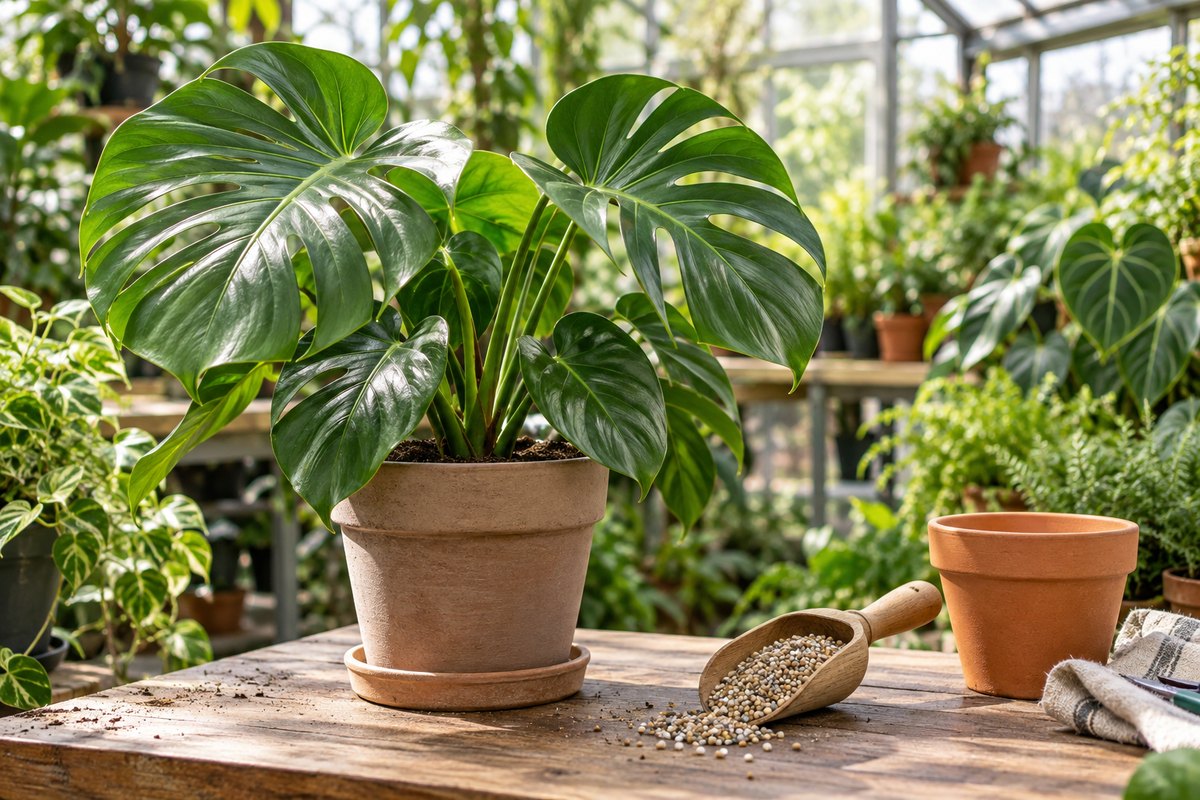
For foliage plants, nitrogen is particularly crucial. Monstera deliciosa needs ample nitrogen to produce those iconic fenestrated giants. Philodendron species rely on it to maintain their glossy, vibrant leaves. The classic sign of nitrogen deficiency is uniform yellowing of older leaves, smaller and thinner new growth, and an overall “unwell” appearance—rather like a person subsisting on insufficient protein.
Phosphorus (P): The Root and Energy Engine
Phosphorus facilitates energy transfer and storage within the plant. It’s essential for root development and flowering. Even though we grow foliage plants primarily for their leaves, not their flowers, healthy roots are the foundation of the entire plant. Without strong roots, even the most beautiful foliage will not endure.
Phosphorus-deficient plants develop dark green or purplish-tinged leaves and growth slows dramatically. If your plant seems to ignore all your watering and feeding efforts, check whether phosphorus supply is adequate.
Potassium (K): The Plant’s Immune System
Potassium doesn’t directly build plant tissue, but it participates in nearly every critical physiological process—regulating stomatal opening, activating enzymes, and enhancing disease resistance. Think of potassium as the plant’s “multivitamin”; without it, plants become weak and susceptible.
Potassium deficiency manifests as browning, scorched leaf margins, starting from older leaves and gradually spreading upward.
Nitrogen Requirements of Foliage Plants: Why the Ratio Matters
Foliage plants have markedly different nutritional needs compared to flowering plants or succulents. When we cultivate Ficus lyrata (Fiddle Leaf Fig) or Calathea, we’re admiring their magnificent leaves, not waiting for blooms. Therefore, foliage plant fertiliser typically employs a high-nitrogen formula, such as 24-8-16, where nitrogen significantly exceeds phosphorus and potassium.
A common misconception: many households have just one “all-purpose” fertiliser and assume it’s universally suitable. A 20-20-20 ratio may work for flowering plants, but for foliage plants, phosphorus is often excessive while nitrogen falls slightly short. The plant will survive, but leaf quality and growth rate will suffer.
Micronutrients: Small Roles, Big Impact
NPK may be the stars, but every great production needs its supporting cast. Micronutrients are needed in trace amounts, yet they govern critical aspects of plant health:
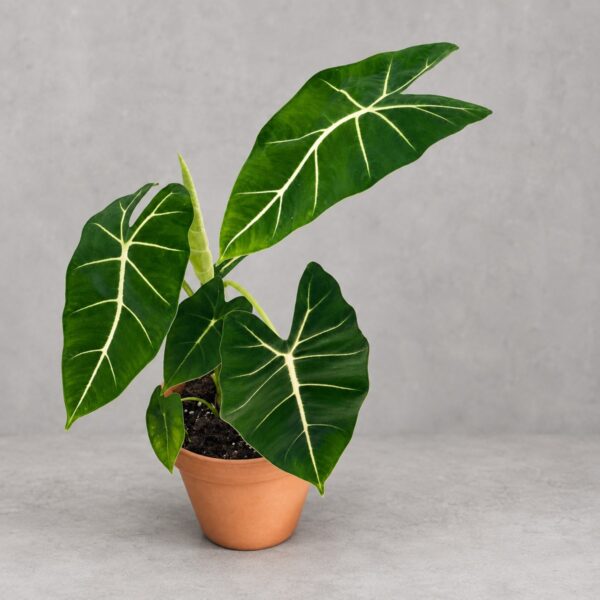
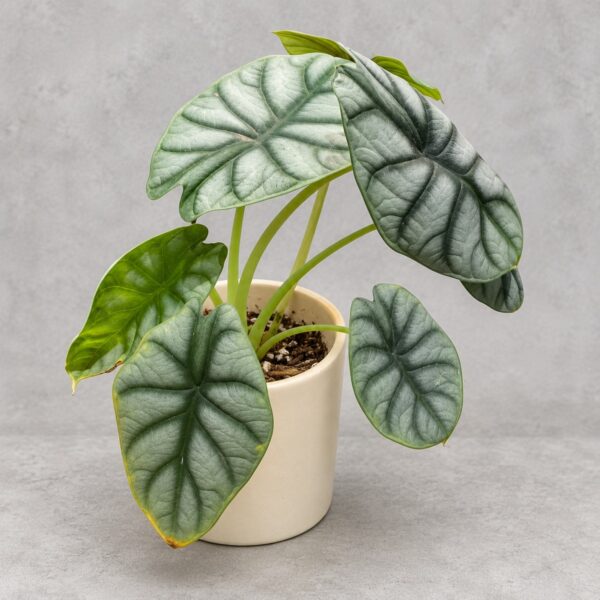
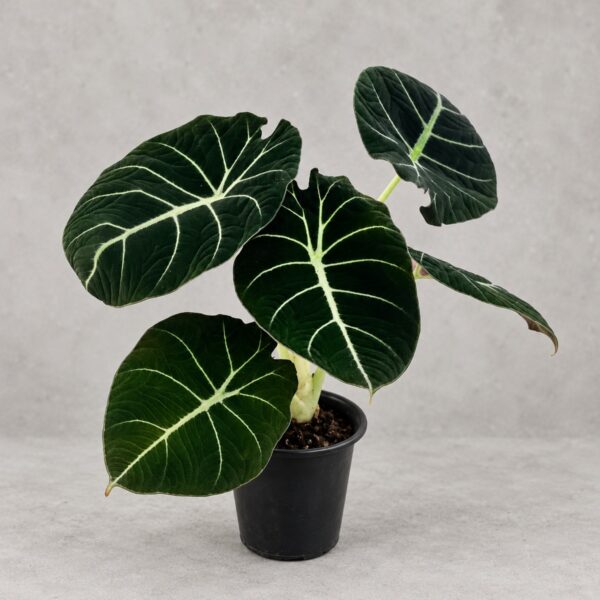
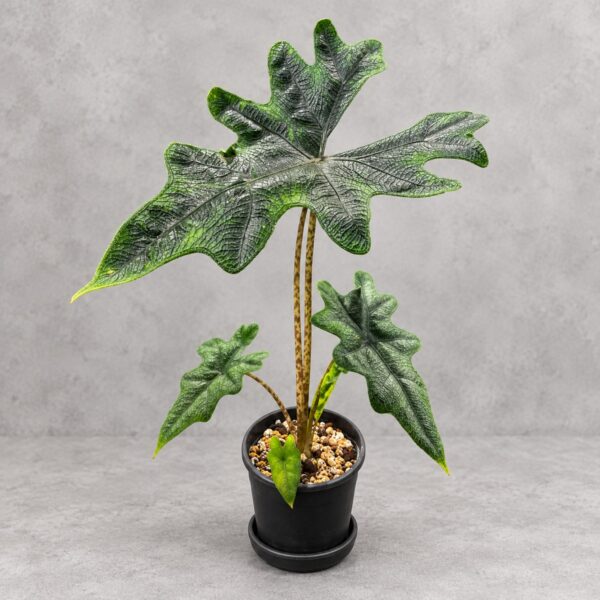
– Iron (Fe): Essential for chlorophyll synthesis. Iron deficiency causes new leaves to yellow while veins remain green, creating a reticulated pattern. This is particularly common in Alocasia species.
– Magnesium (Mg): The central atom of the chlorophyll molecule. Magnesium deficiency causes interveinal chlorosis on older leaves, like a faded canvas.
– Calcium (Ca): The “cement” of cell walls. Calcium deficiency leads to deformed new leaves and necrotic growing tips.
– Sulphur (S): A building block for protein synthesis. Sulphur deficiency causes uniform yellowing similar to nitrogen deficiency, but starting from new leaves.
Quality plant nutrition products will list these micronutrients (chelated micronutrients) on the label—something worth checking when you shop.
Organic vs Chemical Fertiliser: Which Side to Choose?
This is one of the most debated topics in the Archive. Both have their advocates. My view? It depends on the situation and your habits.
Chemical fertiliser (fast-acting) offers rapid results, precise formulation, and convenience. Liquid fertiliser applied today can be absorbed within days. For indoor environments requiring precise control, chemical fertilisers are practical. The downside: long-term exclusive use may lead to soil acidification or salt accumulation.
Organic fertilisers (worm castings, bone meal, seaweed extract) are like “slow-cooked soup”—nutrients release gradually while improving soil structure and microbial activity. They won’t cause fertiliser burn, but they work slowly, and indoor odour can be an issue—your flatmate may not appreciate the “natural aroma” of worm castings.
My recommendation? Use chemical liquid fertiliser as your mainstay, with occasional organic amendments for soil conditioning. The two complement each other perfectly.
Liquid Fertiliser vs Slow-Release: The Art of Timing
Liquid Fertiliser: Precision Control
Liquid fertiliser dissolved in water is immediately available to plants. Ideal for the growing season (spring and summer), applied every two weeks. It allows quick nutrient supplementation and adjustable concentration. Remember the principle of “weak and frequent”—better to halve the concentration and increase frequency than to administer a strong dose once. Plant root hairs are delicate; high concentrations cause “fertiliser burn” and root damage.
Slow-Release Fertiliser: The Lazy Gardener’s Friend
Slow-release fertiliser (such as Osmocote) consists of resin-coated granules that release nutrients gradually with each watering. One application lasts three to six months. Perfect for busy people who can’t maintain a feeding schedule, and ideal for mixing into potting medium during repotting as a base feed.
My approach: liquid fertiliser as the mainstay during spring and summer growing season, reduced or stopped in autumn and winter; slow-release granules mixed in during spring repotting as “insurance rations.”
Common Fertilising Mistakes: Lessons from the Archive
Over-Fertilising: Too Much Love Hurts
The most common beginner mistake is “I don’t think it’s getting enough.” Excess fertiliser leads to salt accumulation in soil, roots dehydrating like pickled vegetables, scorched leaf margins, and white salt crust on the soil surface. If you suspect over-fertilising, leaching with copious amounts of clean water is the best first aid.
Winter Feeding: Disturbing the Plant’s Slumber
As autumn light diminishes and temperatures drop, most foliage plants enter semi-dormancy. Feeding now is like waking someone at midnight for a meal—not kindness, but disturbance. The plant’s metabolism slows and cannot absorb excess nutrients; accumulated fertiliser in the soil damages roots instead. From November through March, stop feeding or use only very dilute concentrations.
Feeding Dry Soil: Adding Insult to Injury
Never fertilise bone-dry soil. Fertiliser salts concentrate dramatically in dry medium, directly scorching roots. The correct approach: water once with plain water to moisten the soil, then apply diluted liquid fertiliser the following day.
Conclusion
At its core, fertilising is simply giving your plant a balanced meal. Understanding nitrogen’s role, phosphorus’s function, potassium’s importance, and the part micronutrients play puts you ahead of most plant parents. Remember: plants rarely die from one missed feeding, but they can suffer from one excessive dose. In the classroom of fertilising, “conservative” always trumps “aggressive.”
If you’d like to select the ideal fertiliser for your foliage plants, or have feeding questions that need a one-on-one answer, visit plantjai.com to browse our curated plant nutrition products, or stop by our Causeway Bay store—there’s always tea brewing in the Archive, and I’m always ready to talk plants.
IN STORE NOW
Plants for this guide
Related plants in stock now — live prices, delivery or Causeway Bay pickup.
FREE PLANT ADVICE
Send us a photo before you change anything
WhatsApp a photo of the plant and your window light. Our Causeway Bay team will suggest care steps or plants that suit your space.
STORE · CAUSEWAY BAY
4/F, 39 Yiu Wa Street, Causeway Bay
Daily 12:30–8:00pm · ~3 min walk from Times Square
Map & directionsPlant 101