
A Complete Guide to Indoor Plant Lighting in Hong Kong: Light Management from Dawn to Dusk

How Plants See Light: It’s Not Just “Having Light”
You might think placing a plant by the window solves everything. But in the plant world, light is a precise science. Photosynthesis requires specific wavelengths, and chlorophyll is most sensitive to blue light (around 450nm) and red light (around 660nm) — these drive different physiological processes. Blue light promotes compact leaf growth, while red light drives flowering and stem elongation.
Standard incandescent or ordinary LED bulbs have spectra ill-suited for plant needs. That’s why grow lights and full-spectrum lamps exist — they mimic the sun’s spectral distribution, providing indoor plants with light they can actually “consume.”
Four Light Levels in Hong Kong Homes
Let’s be practical. Here’s how light actually breaks down in a typical Hong Kong flat:
Direct Sunlight: Where sunbeams hit directly, usually within one metre of south- or west-facing windows. Light intensity can reach 1000–2000 μmol/m²/s or more. Good for cacti, succulents, and some flowering plants. But watch out — Hong Kong’s afternoon western sun in summer is brutal. Window-side temperatures can spike dramatically, scorching delicate leaves.
Bright Indirect Light: Plenty of light but no direct sun. Think sheer-curtained windows, east-facing positions, or open-plan living rooms with even natural light distribution. Intensity around 150–500 μmol/m²/s. This is paradise for most foliage plants — Monstera, pothos, Philodendron, and syngoniums all love it here.
Medium Indoor Light: Areas more than two to three metres from windows, or rooms relying solely on north-facing windows. Intensity around 50–150 μmol/m²/s. Shade-tolerant species like snake plants, rubber plants, and some peperomias do fine here. Growth slows, but plants stay healthy.
Low Light: Far corners away from windows, windowless bathrooms, or dim office cubicles. Intensity below 50 μmol/m²/s. Only a handful of plants like Dracaena ‘Compacta’ and some ferns survive long-term here, and most will etiolate — stretching their stems with smaller, thinner leaves.
Assessing Light Levels at Home
You don’t need expensive instruments. A few simple tricks can help you evaluate your indoor plant light conditions.
The Hand Shadow Test
At noon, hold your palm about 30 cm from a wall or tabletop where you plan to place your plant, and observe the shadow’s clarity:
– Sharp, well-defined shadow edges → Direct or very strong indirect light
– Fuzzy but still recognisable shadow → Moderate indirect light, ideal for most foliage plants
– Barely any shadow → Low light environment; choose shade-tolerant species or add artificial lighting
It’s crude but surprisingly accurate. I often walk customers through this test at our Causeway Bay store, and watching their eyes light up with understanding never gets old.
Window Direction and Obstructions
Hong Kong’s high building density complicates window orientation:
South-facing Windows: Theoretically the brightest, but many Hong Kong flats have their southern view blocked by neighbouring towers. If unobstructed, you’ll get all-day light in winter and peak midday sun in summer — great for high-light plants.
North-facing Windows: Stable but weaker light all year round. Bright indirect light with virtually no direct sun. Perfect for shade-tolerant foliage plants, with zero risk of leaf scorch.
East-facing Windows: Gentle morning sun is a favourite for many plants. Moderate intensity, cooler temperatures — an excellent position for most foliage plants.
West-facing Windows: Afternoon sun from 3pm onwards packs a serious punch, especially in summer. The challenge here is leaf scorch from intense western exposure. Use sheer curtains or pull plants slightly back from the glass.
Building Shadows and Light Wells: Hong Kong’s iconic “tower gazing at tower” landscape means even theoretically good orientations may underdeliver. If you’re on a lower floor, spend a few days observing light patterns at different times — it’s far more reliable than orientation alone.
Artificial Lighting: When Nature Doesn’t Deliver
With space at a premium in Hong Kong, many flats simply lack ideal natural light. That’s where grow lights become your best friend.
Choosing LED Grow Lights
Plant grow lights fall into several categories:
Red-Blue LED Lights: Designed around chlorophyll absorption peaks, commonly in 3:1 or 4:1 red-to-blue ratios. Efficient and affordable, but cast a purplish-pink glow that makes both plants and your living space look strange. Not ideal for aesthetically-minded home environments.
Full-Spectrum LED Lights: Mimic natural sunlight, covering blue, red, and intermediate wavelengths like green and yellow. Plants appear in their natural green, and human eyes find the light comfortable. Highly recommended for home use.
White High-Brightness LED Lights: Quality LEDs with colour temperatures between 4000K–6500K, paired with sufficient brightness (at least 20–30 watts per square metre), can satisfy most foliage plants. Easy to buy, simple to install — a great entry-level option.
Practical Tips for Using Grow Lights
– Light Duration: Most foliage plants need 10–14 hours of light daily. Use a timer to automate on/off cycles, mimicking natural day-night rhythms.
– Distance from Plants: LEDs emit relatively little heat, so you can typically position them 20–40 cm from plants. Too close risks excessive intensity; too far reduces effectiveness.
– Even Coverage: Grow lights have limited coverage areas. For larger plant collections, you may need multiple lights or bar-style fixtures.
Categorising Foliage Plants by Light Needs
Based on our experience at the Specimen Archive, here’s how common foliage plants sort into light requirement categories:
High Light Needs (Bright Indirect to Filtered Direct)
– Monstera deliciosa — Swiss Cheese Plant
– Ficus elastica — Rubber Plant
– Strelitzia nicolai — White Bird of Paradise
– Variegated plants (Monstera deliciosa ‘Albo’, Philodendron ‘Pink Princess’, etc.)
These plants demand ample light for best colour and growth. Variegated plants especially need attention — their white or pink variegated sections lack chlorophyll, and insufficient light causes new leaves to revert to all-green, losing their ornamental value.
Medium Light Needs (Standard Indirect Light)
– Epipremnum aureum — Golden Pothos
– Spathiphyllum — Peace Lily
– Aglaonema — Chinese Evergreen
– Dieffenbachia — Dumb Cane
These are adaptable survivors that thrive in typical Hong Kong household light conditions — safe choices for beginners.
Low Light Tolerant (General Indoor to Dim Light)
– Sansevieria — Snake Plant
– Zamioculcas zamiifolia — ZZ Plant
– Aspidistra elatior — Cast Iron Plant
– Dracaena fragrans — Corn Plant
These evolved in forest understories or arid regions, developing efficient low-light harvesting mechanisms. But remember — “tolerates low light” doesn’t mean “loves low light.” Give them better light, and they’ll reward you with more beautiful growth.
Distress Signals: Reading Your Plant’s Light SOS
Plants can’t talk, but their leaves tell you exactly what’s wrong with your lighting.
Signs of Insufficient Light
– New leaves become smaller, with stretched gaps between leaf nodes (etiolation)
– Leaf colour fades, losing variegation or original pigmentation
– Stems grow thin and soft, leaning toward the light source
– Growth stalls, with no new leaves for extended periods
– Lower older leaves yellow and drop
Signs of Excessive Light
– Brown or white scorched spots on leaves
– Crispy, curling leaf edges
– The whole plant looks “sun-beaten and droopy”
– Soil dries unusually fast, with wilting returning soon after watering
When you spot these signals, the first step is repositioning — move light-starved plants closer to windows or add grow lights, and pull sun-stressed plants back or add sheer curtains.
Conclusion
Light is the ancient covenant between plants and the sun. In Hong Kong’s concrete jungle, our job is to secure the best possible lighting for our indoor foliage plants — choosing the right window positions, understanding directional differences, and supplementing with grow lights when needed.
Next time you visit the PLANTJAI Specimen Archive in Causeway Bay, bring this knowledge with you. Our team will recommend the perfect plant varieties based on your home’s light conditions. After all, putting a plant in the right light matters more than any care technique.
Browse [plantjai.com](https://plantjai.com) to explore our foliage plant collection, or stop by our store for a complimentary home lighting assessment.
The Specimen Curator, writing from Causeway Bay
“Where there is light, there are plants.”
IN STORE NOW
Plants for this guide
Related plants in stock now — live prices, delivery or Causeway Bay pickup.
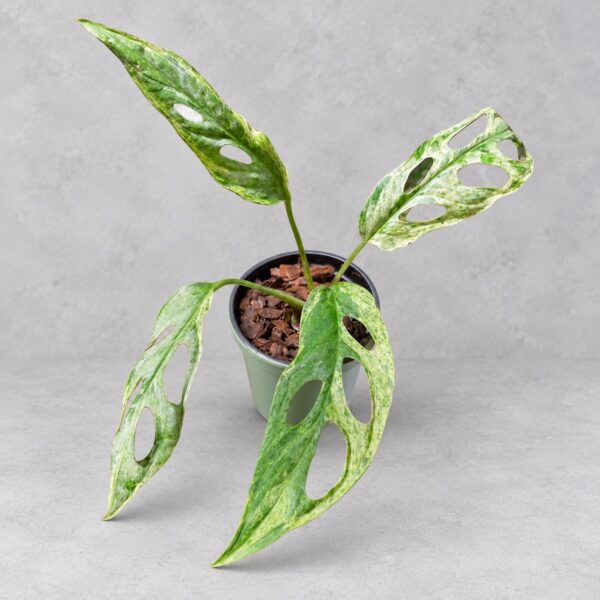
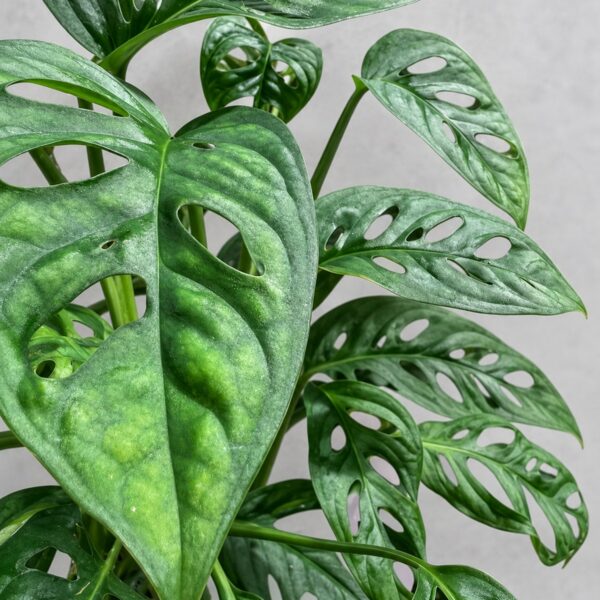
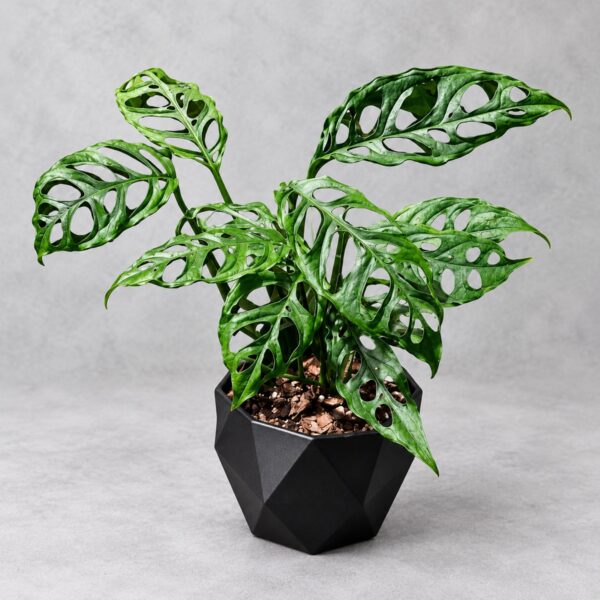
Monstera obliqua Peru
Original price was: HK$480.00.HK$280.00Current price is: HK$280.00.
In stock · store pickup
View plantMonstera 'Thai Constellation'
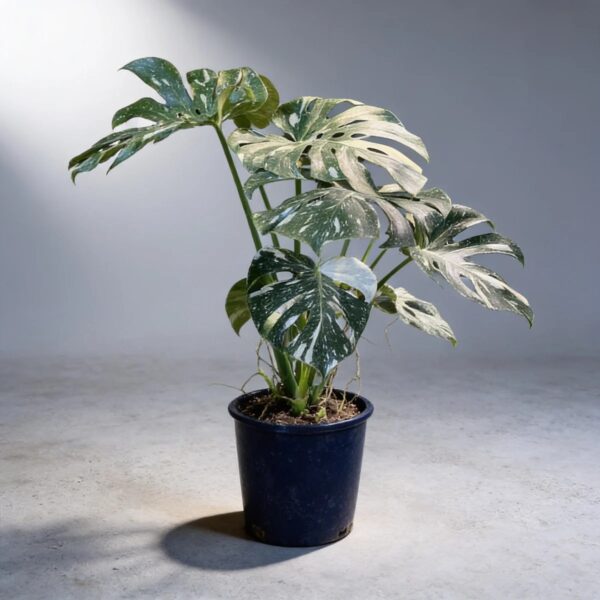
Monstera 'Thai Constellation'
from HK$280.00
In stock · store pickup
View plant
FREE PLANT ADVICE
Send us a photo before you change anything
WhatsApp a photo of the plant and your window light. Our Causeway Bay team will suggest care steps or plants that suit your space.
STORE · CAUSEWAY BAY
4/F, 39 Yiu Wa Street, Causeway Bay
Daily 12:30–8:00pm · ~3 min walk from Times Square
Map & directionsPlant 101