
How to Care for Hoya Australis Albomarginata in Hong Kong | Plantjai


Plantjai 植仔 · Care Encyclopedia
Hoya Australis Albomarginata
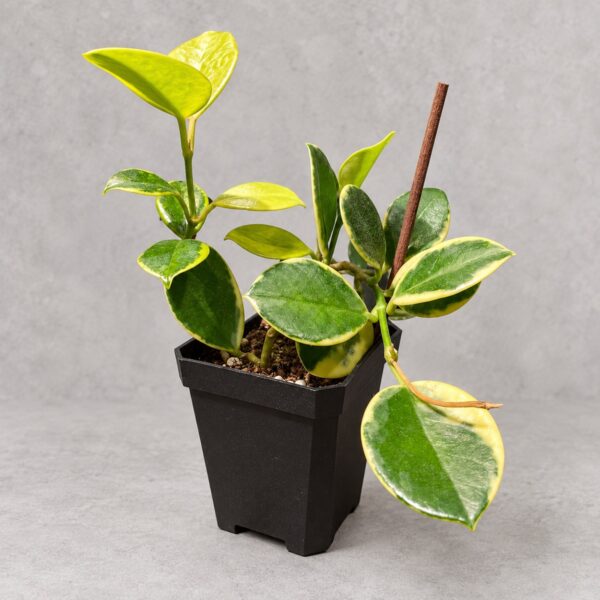
Hoya australis albomarginata 南方外錦毬蘭
Hong Kong care guide — useful before you buy and after it arrives.
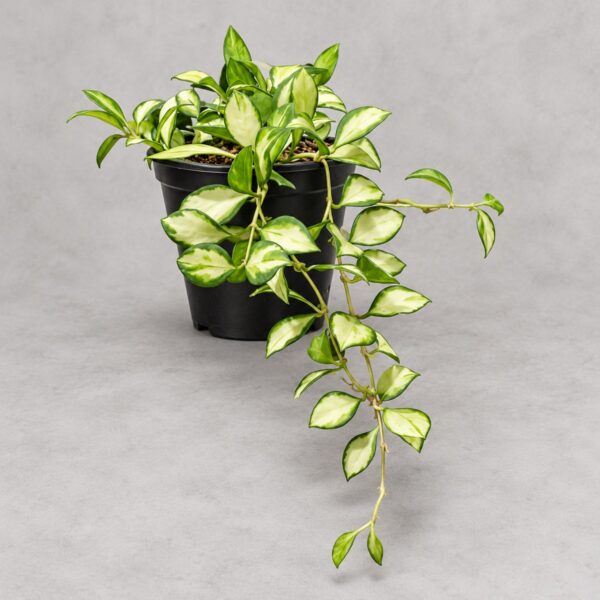
Shop this plantCreamy-white piping traces the edge of every leaf, like each one has been hand-outlined — a living work of art that's also drought-tolerant and easy to bring into bloom, making it the top pick for anyone starting a va…
Brand: Plantjai
Botanical status: confirmed — a variegated cultivar of Hoya australis
Classification: Apocynaceae, genus Hoya
Origin & characteristics
Hoya australis is native to eastern Australia and Pacific islands, typically growing at the edge of rainforest canopies as an epiphytic vine. "Albomarginata" is Latin for "white margin," referring to the creamy-white to pale yellow variegated band along the leaf edges, contrasting sharply with the rich green centre.
Key characteristics:
- Leaves: oval, thick and succulent, with a waxy surface and white/cream variegated margins; new leaves sometimes show a faint reddish tint
- Vines: vigorous, reaching 2–4 metres — suitable for trailing or climbing
- Flowers: small white star-shaped blooms in a half-globe cluster, with a red or pink centre, releasing a honey- or chocolate-like sweet fragrance that lasts about a week
- Growth rate: moderate to fast
- Toxicity: non-toxic to cats and dogs (ASPCA verified), safe for pet households
Light
- Ideal: bright indirect light, east- or west-facing windows are best
- Acceptable range: 1–2 metres from a south-facing window, or a north-facing window
- Notes:
- The variegated (white) portions lack chlorophyll and need plenty of light to stay vivid, but never direct scorching sun
- Avoid harsh midday direct sun, which browns the white margins
- Insufficient light causes variegation to revert to green and reduces flowering
- Watch new growth: with enough light, new leaves show a faint red tint; too little light causes stretched stems and thinner leaves
Watering
- Principle: "err dry rather than wet" — the thick leaves store water well, making this species quite drought-tolerant
- Growing season (spring–autumn): let the top 2–3 cm dry out before watering, roughly every 7–10 days
- Dormant season (winter): water much less, letting the soil get nearly fully dry, roughly every 2–3 weeks
- Tips:
- Lift the pot to gauge weight — noticeably lighter means it's time to water
- Water thoroughly until it drains from the base, then empty the saucer after 30 minutes
- Never let the pot sit in standing water long-term, or root rot follows
- Persistently wet soil in winter is a common cause of rot — be disciplined
Soil & pot
Soil recipe:
This cultivar likes an airy, fast-draining mix. Suggested recipe:
- 2 parts quality potting soil
- 1 part perlite (for aeration)
- 1 part orchid bark or coco coir (mimicking an epiphytic environment)
Alternatively, a ready-made cactus/succulent mix with 30% extra perlite works well too.
Pot choice:
- Drainage holes are essential — non-negotiable
- Terracotta pots are the best choice, breathable and help wick away excess moisture
- Plastic pots work too, but you'll need to watch watering frequency more closely
- Hoyas like being "snug," so there's no need to repot often — every 2–3 years once roots are visibly pot-bound is typical
- When repotting, size up by just 2–3 cm in diameter
Temperature & humidity
| Item | Ideal range | Minimum tolerance |
|---|---|---|
| Temperature | 18–29°C | 10°C (prolonged below 15°C stalls growth) |
| Humidity | 50–60% | 30% (adapts well to typical households) |
- This cultivar is more drought- and dry-air tolerant than many Hoyas, thriving in typical Hong Kong indoor humidity (40–60%)
- Keep away from direct AC airflow in summer
- Avoid cold drafts near windows in winter; move it somewhere warmer if night temperatures drop below 12°C
- In particularly dry homes (long AC/heater use), a humidity tray or occasional misting helps
Common problems
| Issue | Likely cause | What to do |
|---|---|---|
| Variegation turning green | Insufficient light | Move to a brighter spot, acclimating gradually to avoid sunburn |
| White margins turning brown/scorched | Too much direct sun or low humidity | Move further from the window, or filter light with a sheer curtain |
| Wrinkled, soft leaves | Severe underwatering | Soak the pot to rehydrate, then resume a normal watering schedule |
| Yellowing, dropping leaves | Overwatering, root rot | Check roots, trim rot, repot with fresh soil, and adjust watering frequency |
| Leggy, sparse growth | Severe light deficiency | Increase light; leggy sections can be cut and propagated |
| Won't flower | Immature plant, insufficient light, or oversized pot | Provide 4–6 hours of bright indirect light daily; don't rush to a bigger pot; never cut the flower stalk after blooming (it reblooms from the same spot) |
How to explain to customers
"This variegated Hoya australis is a great entry-level variegated pick, perfect if it's your first Hoya. Its biggest draw is that creamy-white edge on every leaf — really refined-looking. The leaves are also nice and thick, so they store water, meaning if you forget to water occasionally it won't die on you right away. Keep it near a window with indirect light, avoiding harsh midday sun. For watering, let the soil dry out first — better a bit dry than too wet. When it flowers, you get lovely white flower clusters with a faint honey scent. It's non-toxic to cats and dogs too, so pet families can buy with confidence."
Fun facts
- Reusable flower stalks: after Hoya australis blooms, don't cut off the peduncle (flower stalk) — next season's flowers emerge from the very same spot, reused year after year. Cutting it wastes that "flowering position"!
- Night-scented bloomer: the fragrance is designed to attract night-flying moths for pollination, so the scent is strongest in the evening — placing it near a bedroom can double as natural aromatherapy.
- The secret of marginal variegation: "albomarginata" means the variegation appears at the leaf edge while the centre stays green, letting the plant retain enough chlorophyll for photosynthesis while still looking gorgeous — a perfect balance of nature and horticultural breeding.
- Traditional uses: Australian Aboriginal communities traditionally used Hoya australis sap to treat skin wounds, though this is a historical practice and not recommended for modern self-treatment.
Keywords
Hoya australis, Albomarginata, variegated Hoya, cream white margin, thick-leaved Hoya, epiphyte, drought-tolerant, bright indirect light, well-draining soil, non-toxic pet-safe, Hong Kong indoor plant, trailing plant, climbing plant, white flower cluster, honey fragrance, beginner-friendly, Plantjai
參考資料(想知來源可展開)
References
- Royal Botanic Gardens, Kew — Plants of the World Online: Hoya australis, https://powo.science.kew.org/
- ASPCA — Toxic and Non-Toxic Plant List, https://www.aspca.org/pet-care/animal-poison-control/toxic-and-non-toxic-plants
⚠️ Non-toxic to cats and dogs; sap may mildly irritate skin.
Plantjai · Causeway Bay collector indoor plants · WhatsApp +852 66807550
Plantjai shop · In stock online
Hoya australis albomarginata
HK$128.00
Hong Kong delivery · Causeway Bay pickup
For Hong Kong homes and offices. Stock and pricing follow the product page.
IN STORE NOW
Plants for this guide
Related plants in stock now — live prices, delivery or Causeway Bay pickup.
FREE PLANT ADVICE
Send us a photo before you change anything
WhatsApp a photo of the plant and your window light. Our Causeway Bay team will suggest care steps or plants that suit your space.
STORE · CAUSEWAY BAY
4/F, 39 Yiu Wa Street, Causeway Bay
Daily 12:30–8:00pm · ~3 min walk from Times Square
Map & directionsPlant Care