
How to Care for Ficus Pandurata in Hong Kong | Plantjai

Plantjai 植仔 · Care Encyclopedia
Ficus Pandurata
Hong Kong care guide — useful before you buy and after it arrives.
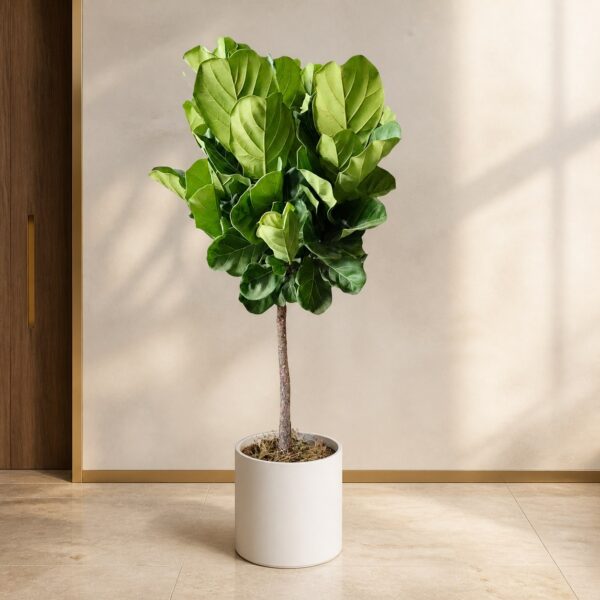
Shop this plantThe indoor foliage plant that single-handedly furnishes a room — the fiddle leaf fig's enormous, violin-shaped leaves are the soul of Scandinavian and minimalist interiors, instantly elevating any living room the mome…
Brand: Plantjai | Botanical note: Ficus pandurata is one name used for the fiddle leaf fig; in the trade it's also frequently listed as Ficus lyrata, and there may be some taxonomic overlap between the two. This document uses Ficus pandurata as its reference name.
Origin & characteristics
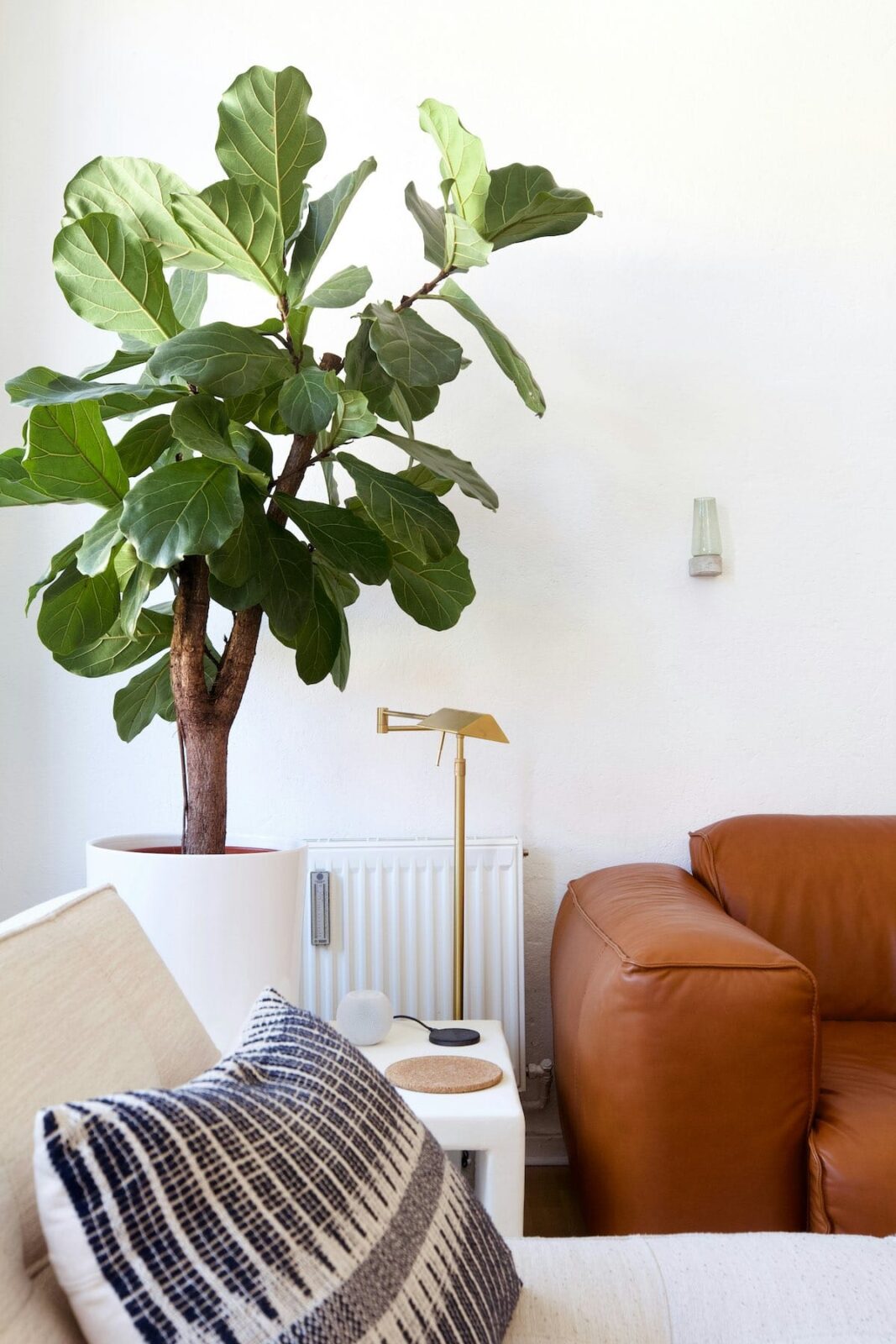
The fiddle leaf fig is native to West Africa's tropical rainforests, found mainly across Sierra Leone, Liberia, and into Nigeria. In the wild it can grow into a mid-sized tree up to 12 metres tall, though as a potted plant it's usually kept to 1–3 metres.
Key characteristics:
- Leaves: large, leathery, deep green, shaped like a violin or lyre, up to 50 cm long — among the largest leaves of any common indoor foliage plant
- Trunk: upright, sturdy, greyish-brown, developing a subtly woody texture as it matures
- Growth habit: moderate to slow growth, prefers a stable environment, and is fairly sensitive to change
- Air-purifying: has some capacity to absorb formaldehyde and other volatile organic compounds
- Toxicity note: the sap is toxic — breaking a stem or leaf releases a milky white latex that can irritate skin on contact and cause gastrointestinal upset if ingested. Households with young children or pets (especially cats and dogs) should keep it out of reach
Light
| Item | Recommendation |
|---|---|
| Ideal light | Bright, indirect light — an east- or north-facing window is best |
| Tolerable range | Partial shade to bright indirect light |
| Avoid | Intense midday summer sun (can scorch leaves and cause spotting); prolonged dark corners (leaves shrink, drop, and stems grow leggy) |
| Tip | Rotate the pot every two to three weeks for even light exposure and to prevent lopsided growth |
Fiddle leaf figs are fairly sensitive to changes in light — moving it can trigger a temporary leaf-drop adjustment period, so transition gradually rather than moving it straight from a dim spot into strong light.
Watering
| Item | Recommendation |
|---|---|
| Principle | Let the topsoil dry out fully before watering — err dry, not wet |
| Frequency | Roughly every 7–10 days in spring/summer; roughly every 10–14 days in autumn/winter (adjust for ambient humidity and airflow) |
| Method | Water slowly around the rim of the pot until it drains from the base, then stop; empty the saucer after about 15 minutes |
| Water quality | Room-temperature water is best; tap water can be left to settle overnight to release chlorine |
| Avoid | Prolonged standing water at the base, which quickly leads to root rot; avoid direct strong light on wet leaves, which can cause water-mark spotting |
Testing for dryness: insert a finger about 2–3 cm into the soil — water once it feels dry. Alternatively, insert a wooden skewer into the pot; if it comes out with no moisture on it, it's time to water.
Soil & pot
Soil recipe:
Fiddle leaf figs need excellent drainage. A suggested recipe:
- Quality potting soil 50%
- Perlite or coarse sand 25% (for aeration and drainage)
- Coco coir or peat 25% (for moisture and nutrient retention)
Pot selection:
- Material: terracotta or concrete pots are ideal (good breathability); plastic or glazed ceramic pots need extra attention to drainage
- Drainage holes: essential — fiddle leaf fig fears waterlogging above all else
- Size: choose a pot 5–8 cm wider in diameter than the current one; avoid jumping to an oversized pot in one go, since overly wet soil that struggles to dry increases the risk of root rot
- Repotting timing: once a year in spring — roots emerging from the drainage holes is your signal
Temperature & humidity
| Item | Recommendation |
|---|---|
| Ideal temperature | 18–26°C |
| Minimum temperature | Not below 10°C; risk of cold damage below 5°C |
| Humidity | 50–70% ideal; typical Hong Kong indoor humidity is usually sufficient |
| Raising humidity | In dry seasons, occasional misting (avoiding intense midday light), a pebble water tray, or grouping with other plants for a shared microclimate |
| Note | Avoid AC vents, heaters, and doors/windows that open frequently — fiddle leaf fig dislikes wild temperature swings and strong drafts |
Common problems
Q1: Brown spots or scorched leaf edges
- Most common causes: overwatering causing root issues, or water that's too cold or high in fluoride
- Fix: check soil moisture and adjust watering frequency; switch to settled, room-temperature water
Q2: Yellowing, dropping lower leaves
- Most common causes: natural ageing (a small amount is normal); extensive dropping may indicate overwatering, insufficient light, or a sudden environmental change
- Fix: observe the drop pattern and adjust care conditions accordingly, avoiding frequent relocation
Q3: Small new leaves, stalled growth
- Most common causes: insufficient light or lack of nutrients
- Fix: move to a brighter spot; feed with diluted liquid fertiliser every 2–4 weeks during the growing season (spring/summer)
Q4: White powdery residue or pest infestation on leaves
- Most common causes: scale insects or spider mites (more common in dry air)
- Fix: wipe with a cotton swab dipped in diluted alcohol; for severe cases, use neem oil or soapy water spray; maintaining adequate humidity helps prevent infestation
Q5: White sap oozing from broken stems
- Explanation: a normal self-protective response
- Note: wash thoroughly after skin contact, and avoid contact with eyes or ingestion
How to explain to customers
"The fiddle leaf fig is the ultimate Scandinavian-style plant — its huge leaves really do look like violins, and it can give any room that magazine-cover feel the moment you set it down. It's not especially difficult, but remember the golden rule: let it dry before you water. Never water it out of guilt when the soil's still moist — waterlogging leads to root rot fast. Give it a spot with good natural light, no need for direct sun. If you have kids or pets, keep it up high, since broken stems release a white sap that can irritate skin. Basically, give it a stable environment and it'll be happy — a single tree transforms the whole room!"
Fun facts
- Where the name comes from: the fiddle leaf fig's English name comes from its leaves resembling a violin (fiddle), though it isn't actually a fig-bearing fig despite belonging to the same genus (Ficus).
- A mystery of aerial roots: in its native habitat, the fiddle leaf fig grows aerial roots to help support its large canopy, but this is rarely seen indoors where humidity is much lower.
- An interior design darling: the fiddle leaf fig became a viral sensation starting in the 2010s, becoming a fixture of Instagram feeds and home decor magazines, and even sparking a "one tree transforms a room" interior design trend.
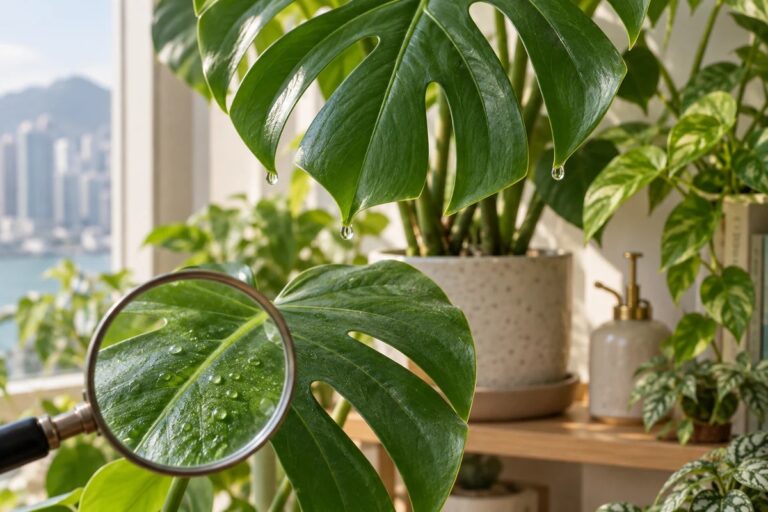
- Leaves that "sweat": when humidity is very high, water droplets can sometimes appear along the leaf edges — a phenomenon called guttation. This is a completely normal physiological process, not a cause for concern.
Keywords
Fiddle leaf fig | Ficus pandurata | Ficus lyrata | Fiddle Leaf Fig | Scandinavian style plant | large indoor foliage plant | foliage plant | shade-tolerant plant | air-purifying | toxic plant | pet-unfriendly | Ficus genus | dry-then-thorough watering | indirect light | home greening | living room plant | fiddle leaf fig leaf drop | fiddle leaf fig care | fiddle leaf fig root rot | fiddle leaf fig repotting | Plantjai
Plantjai · Causeway Bay collector indoor plants · WhatsApp +852 66807550
Plantjai shop · In stock online
Ficus pandurata
Ficus pandurata
from HK$88.00
Hong Kong delivery · Causeway Bay pickup
For Hong Kong homes and offices. Stock and pricing follow the product page.
IN STORE NOW
Plants for this guide
Related plants in stock now — live prices, delivery or Causeway Bay pickup.
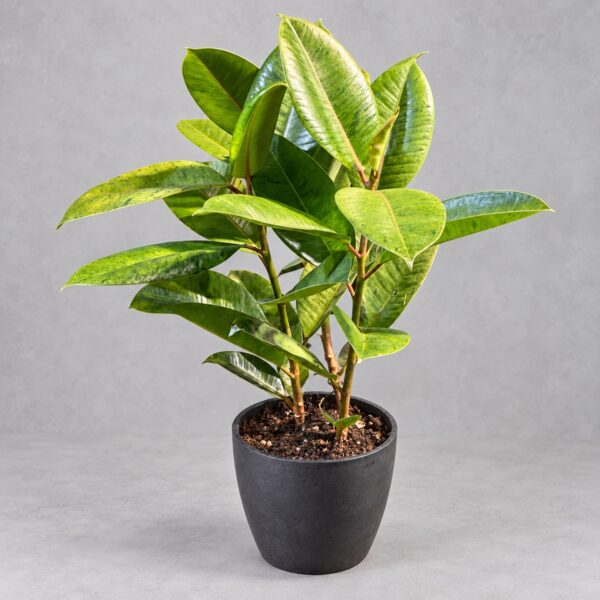
Ficus elastica 'Shivereana'
Ficus elastica 'Shivereana'
from HK$198.00
In stock · store pickup
View plant
FREE PLANT ADVICE
Send us a photo before you change anything
WhatsApp a photo of the plant and your window light. Our Causeway Bay team will suggest care steps or plants that suit your space.
STORE · CAUSEWAY BAY
4/F, 39 Yiu Wa Street, Causeway Bay
Daily 12:30–8:00pm · ~3 min walk from Times Square
Map & directionsPlant Care