How to Care for Colocasia Lemon Brush in Hong Kong | Plantjai

Hong Kong care guide for Colocasia Lemon Brush.
Bright yellow brushstroke patterns painted across a green leaf — a full-dose-of-sunshine potted plant.
Plantjai Care Document | For Dify RAG
– Brand: Plantjai
– Document type: plant care guide
– Audience: retail customers, gardening enthusiasts
– Safety note: this plant is toxic throughout; please read the safety notice carefully
Origin & characteristics
Colocasia 'Lemon Brush' is a horticultural cultivar bred in tropical Southeast Asia, renowned for its distinctive yellow brushstroke-like patterning. The leaves have a green base overlaid with vivid lemon-yellow stripes and patches, flowing naturally as if a painter had swept a brush across the leaf surface — full of artistic charm. The leaf shape is classically heart-shaped with a slightly drooping tip, and the leaf surface carries a faint waxy sheen. Standing 30–50 cm tall, growth is moderate, and it's considered one of the easier Colocasia cultivars to care for. Spring and summer are its main growing seasons, with the colouring most vivid as new leaves unfurl.
Light
- Ideal environment: bright diffused light, 4–6 hours of gentle light daily
- Indoor placement: near an east-facing window, or 1.5–2 metres from a south-facing window
- Outdoor planting: a partially shaded balcony or planter box, ideally with some shade
- Notes: the yellow patterning needs sufficient diffused light to appear vivid; too little light causes the yellow to fade with a shift toward more green
Watering
- Frequency: water once the top 2 cm of soil dries out — generally every 3 days
- Amount: water thoroughly until it drains from the pot's base, then empty any standing water from the saucer
- Seasonal adjustment: every 2–3 days in summer; every 5–7 days in winter
- Key principle: keep the soil lightly moist, avoiding both complete dryness and prolonged waterlogging
- Water preference: room-temperature tap water is fine, avoiding ice-cold water
Soil & pot
- Soil recipe: loose, fertile potting soil, suggested ratio of general potting mix 60% + perlite 20% + coco coir 20%
- pH: slightly acidic (pH 5.5–6.5) is most favourable for nutrient uptake
- Pot selection:
- Terracotta or cement pots offer better breathability
- Plastic pots are lightweight but ensure the drainage holes stay unobstructed
- The pot base must have drainage holes
- Repotting time: repot each spring, choosing a new pot about 5 cm larger
Temperature & humidity
- Suitable temperature: 22–30°C is optimal for growth
- Minimum tolerance: above 15°C; growth slows below 15°C
- Overwintering notes: Hong Kong winters generally allow safe indoor overwintering — avoid placing near AC vents
- Humidity requirements: 60–75% is ideal
- Humidification tips: mist the leaves regularly during dry seasons, or place a moist water tray near the pot
Fertilising
- Growing season (April–October): apply a diluted balanced liquid fertiliser every two weeks (balanced NPK formula)
- Colour enhancement: adding a higher-potassium and -magnesium fertiliser once a month helps the yellow patterning stay vivid
- Dormancy period (November–March): apply an extremely diluted feed once a month, or stop fertilising entirely
- Notes: water before fertilising, and always err on the side of weaker rather than stronger concentration
Pruning & propagation
- Pruning: trim yellowed leaves, cutting from the base of the petiole
- Propagation methods:
- Division: separate rooted offshoots in spring
- Corm division: divide the corm during dormancy, then replant
- Best timing: spring, March–May, is ideal
Common problems
| Issue | Likely cause | What to do |
|---|---|---|
| Yellow patterning fading | Insufficient light | Move to a brighter, diffused-light position |
| Scorched leaf edges | Overly dry air or direct strong sun | Increase humidity, move to partial shade |
| Yellowing, mushy leaves | Overwatering (root rot) | Reduce watering, check drainage |
| Slow growth | Nutrient deficiency or temperature too low | Supplement fertiliser or adjust placement |
| Brown spots on leaves | Fungal infection | Trim off diseased leaves, improve ventilation |
| Above-ground portion withering in winter | Normal low-temperature dormancy | Reduce watering; growth will resume once spring warms up |
🚨 Safety notice (important)
This plant is toxic throughout, containing calcium oxalate crystals; ingestion may cause oral burning, swelling, drooling, and vomiting.
>
– Keep out of reach of children and pets
– Wash hands thoroughly after handling
– If accidentally ingested, rinse the mouth immediately and seek medical attention
– Those with sensitive skin should wear gloves when handling
How to explain to customers
"The yellow patterning on Lemon Brush is really eye-catching — put it in your home and the whole space instantly feels brighter, lifting your mood right along with it! It's fairly easy to care for too — just avoid direct strong sun and keep the soil lightly moist, and the leaves will stay beautiful."
Fun facts
The yellow patterning on ornamental Colocasia leaves is caused by areas of the leaf lacking chlorophyll, revealing the underlying carotenoids. Lemon Brush's "brushstroke" pattern follows a genetically determined distribution, meaning every new leaf that unfurls is essentially a small piece of natural art.
Keywords
Colocasia Lemon Brush, Colocasia, yellow-patterned leaves, foliage plant, indoor potted plant, tropical plant, Araceae, medium potted plant, sunny-feeling plant, green-and-yellow palette, beginner-friendly, Plantjai
This document was prepared by Plantjai for reference only. Growing conditions vary by environment; please adjust care practices based on actual circumstances.
For Hong Kong homes and offices. Stock and pricing follow the product page.
IN STORE NOW
Plants for this guide
Related plants in stock now — live prices, delivery or Causeway Bay pickup.
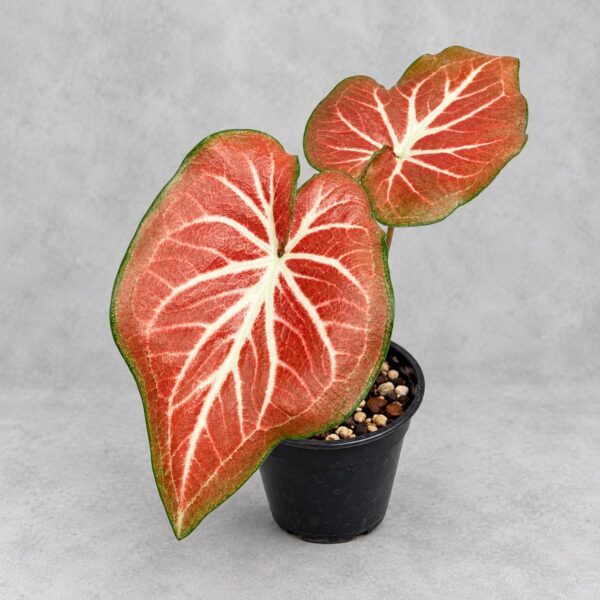
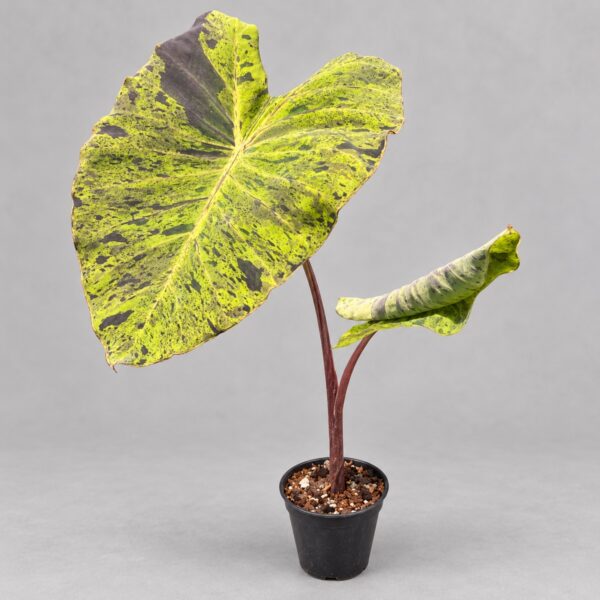
Colocasia 'Mojito'
Colocasia 'Mojito'
Original price was: HK$880.00.HK$280.00Current price is: HK$280.00.
In stock · store pickup
View plant
FREE PLANT ADVICE
Send us a photo before you change anything
WhatsApp a photo of the plant and your window light. Our Causeway Bay team will suggest care steps or plants that suit your space.
STORE · CAUSEWAY BAY
4/F, 39 Yiu Wa Street, Causeway Bay
Daily 12:30–8:00pm · ~3 min walk from Times Square
Map & directionsPlant Care