
How to Care for Begonia Snowflex in Hong Kong | Plantjai


Plantjai 植仔 · Care Encyclopedia
Begonia Snowflex
Hong Kong care guide — useful before you buy and after it arrives.
Shop this plantDelicate white leaf patterning with a light, airy grace — like a snow sprite dancing across the leaves.
⚠️ Toxicity warning: Begonias contain soluble calcium oxalate, which can cause oral burning and vomiting if ingested, and are toxic to pets and children. Keep out of reach.
Origin & characteristics
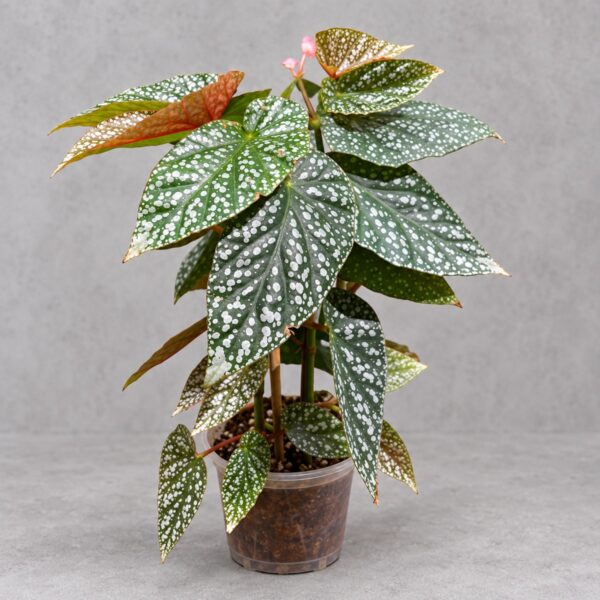
Snowflex is a garden hybrid with its botanical name still unconfirmed. The plant carries itself with a light, elegant poise, and its leaves display fine white or silver patterning that gives a translucent, almost luminous quality — like a snow sprite mid-dance. A small-to-medium foliage begonia with a moderate growth rate and medium care difficulty, it does well in a humus-rich potting mix and adapts to either a sheltered outdoor spot or a typical indoor setting, showing good overall adaptability.
Light
- Prefers bright, diffused light to half-day sun exposure
- Suits an indoor windowsill, a shaded balcony, or a well-lit office
- Avoid prolonged strong direct sun, especially harsh summer midday sun, which can scorch the leaves
- An east- or north-facing window is ideal
- Insufficient light causes the white patterning to fade and the plant to become loose and leggy
- If you notice the leaf colour darkening, that's a sign more light is needed
Watering
- Follow the "half-dry, water thoroughly" strategy: water thoroughly once the soil is at a half-dry stage
- Insert a finger about 2–3 cm into the soil; if it feels dry, it's time to water
- Roughly every 5–7 days during the growing season (spring/summer)
- Roughly every 7–10 days in autumn/winter
- Water in one thorough application until it flows from the pot's base
- Always empty standing water from the saucer, avoiding prolonged root submersion
- Room-temperature filtered water or rainwater is preferable
Soil & pot
- Suits a humus-rich, well-draining potting mix
- Recommended recipe: peat or coco coir 40% + perlite 30% + leaf mould 20% + bark 10%
- Keep the medium loose and breathable, avoiding heavy garden soil
- Choose a pot with drainage holes; plastic or terracotta both work
- Choose a pot diameter about 3–5 cm larger than the root ball — avoid jumping to an oversized pot in one go
- Check the root system each spring and repot promptly once roots fill the pot
Temperature & humidity
- Ideal temperature: 18–26°C
- Minimum tolerance: about 12°C
- Avoid placing near AC vents or doors/windows — sudden temperature swings easily damage the leaves
- Humidity requirement: 50–70%
- Hong Kong's typical indoor humidity is generally adequate, but pay attention to supplementing moisture in dry autumn/winter conditions
- A humidifier, pebble tray, or grouping with other plants can help raise humidity
- Consider an enclosed growing method if humidity stays below 40% for extended periods
Common problems
| Issue | Likely cause | What to do |
|---|---|---|
| White patterning fading | Insufficient light | Move to a brighter position, increase diffused light |
| Leaves going soft and drooping | Underwatering or a root issue | Check soil moisture, inspect root health if necessary |
| Scorched, yellowing leaf edges | Air too dry or poor water quality | Increase humidity, switch to filtered water or rainwater |
| Slow growth | Temperature too low or nutrients insufficient | Ensure appropriate temperature, fertilise during the growing season |
| White powdery coating on leaves | Powdery mildew | Improve ventilation, reduce leaf humidity, treat if necessary |
| Small new leaves | Root-bound or lacking fertiliser | Consider repotting or beginning to fertilise |
How to explain to customers
"Snowflex Begonia really suits its name — the leaves are light and elegant, with such delicate white markings, genuinely like a little snow sprite!"
"It's a medium-difficulty plant to care for — the most important thing is not watering too often. Let the soil reach a half-dry stage before watering, and it'll grow beautifully."
Fun facts
The genus name Begonia honours French botanist Michel Bégon, who as governor of the French Antilles in the 17th century strongly supported botanical specimen collection. Snowflex belongs to a Rex-type hybrid lineage, a group renowned for their gorgeously patterned leaves, often described as "jewels among foliage."
Keywords
Snowflex Begonia, Begonia Snowflex, small begonia, foliage plant, white leaf patterning, half-dry watering method, humus-rich soil, medium difficulty, toxic plant, indoor potted plant, Plantjai, Hong Kong plant shop
In-depth care guide
Introduction
Snowflex is a garden hybrid begonia belonging to a Rex-type lineage prized for its intricately patterned foliage. Its most distinctive quality is a light, almost airy grace to its overall growth habit, combined with fine white or silver leaf markings that create a delicate, translucent effect — evoking the image of a snow sprite caught mid-dance. While its exact botanical parentage remains unconfirmed, its adaptability to a range of growing conditions, from sheltered outdoor spots to typical indoor apartment settings, has made it a popular choice among Hong Kong plant enthusiasts looking for something a bit different from the more common begonia cultivars.
Light requirements
Snowflex prefers bright, diffused light through to half-day sun exposure, making it a versatile choice for an indoor windowsill, a shaded balcony, or even a well-lit office desk. An east- or north-facing window is ideal, providing consistent gentle light without the risk of harsh exposure. Prolonged strong direct sun should be avoided, especially during Hong Kong's intense summer midday hours, since this can scorch the delicate leaves.
Insufficient light causes the signature white patterning to fade and the plant to become loose and leggy as it stretches toward available light. If you notice the leaf colour darkening over time, take this as a clear signal that the plant needs to move somewhere brighter.
Watering
Follow a "half-dry, then water thoroughly" approach — insert a finger about 2–3 cm into the soil, and if it feels dry, it's time for a thorough watering. This typically works out to roughly every 5–7 days during the growing season in spring and summer, extending to every 7–10 days during the slower autumn and winter months.
Water in one thorough application until it flows from the pot's base, then always empty any standing water from the saucer to avoid prolonged root submersion. Room-temperature filtered water or rainwater is preferable, especially if your tap water tends to be hard.
Soil and pot
A humus-rich, well-draining potting mix suits Snowflex well. A useful recipe combines peat or coco coir (40%), perlite (30%), leaf mould (20%), and bark (10%), keeping the medium loose and breathable while avoiding heavy garden soil that can compact over time.
Choose a pot with drainage holes, with plastic or terracotta both being suitable options. When repotting, choose a pot diameter about 3–5 cm larger than the root ball, rather than jumping to an oversized pot in one step. Check the root system each spring, repotting promptly once roots have filled the current pot.
Temperature and humidity
Snowflex grows best between 18°C and 26°C, tolerating a minimum of around 12°C. Avoid placing it near AC vents or drafty doors and windows, since sudden temperature swings can easily damage the leaves. Humidity should ideally sit between 50% and 70%.
Hong Kong's typical indoor humidity is generally adequate for this cultivar, but pay particular attention to supplementing moisture during the drier autumn and winter months. A humidifier, pebble tray, or grouping the plant with others can all help raise ambient humidity. If humidity drops below 40% for extended periods, consider a more enclosed growing setup to help stabilise conditions.
Common problems in detail
Fading white patterning is a clear sign of insufficient light — move the plant to a brighter position with more diffused light.
Soft, drooping leaves can indicate underwatering or a root issue — check soil moisture first, and inspect root health if the problem persists after adjusting watering.
Scorched, yellowing leaf edges typically point to air that's too dry or poor water quality — increase ambient humidity and consider switching to filtered water or rainwater.
Slow growth may result from temperatures too low or a lack of nutrients — ensure the plant is kept at an appropriate temperature and fertilise during the active growing season.
White powdery coating on leaves signals powdery mildew — improve ventilation around the plant, reduce leaf-level humidity, and treat with a fungicide if necessary.
Small new leaves can indicate the plant is root-bound or lacking fertiliser — consider repotting or beginning a regular fertilising routine.
Toxicity information
Snowflex contains soluble calcium oxalate throughout the plant, which can cause oral burning and vomiting if ingested, and is toxic to both pets and children. Keep the plant well out of reach, and wash your hands after handling or pruning.
參考資料(想知來源可展開)
References
- American Begonia Society. Rex and hybrid begonia cultivars. https://www.begonias.org/
- RHS. Begonias as Houseplants. https://www.rhs.org.uk/plants/begonias/houseplants
- ASPCA. Begonia – Toxic and Non-Toxic Plants. https://www.aspca.org/pet-care/animal-poison-control/toxic-and-non-toxic-plants/begonia
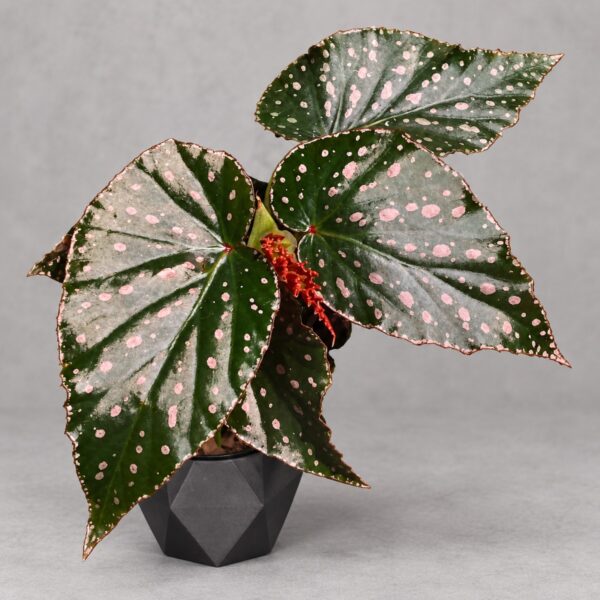
Plantjai shop · In stock online
Begonia 'Snowflex'
Begonia 'Snowflex'
HK$198.00
Hong Kong delivery · Causeway Bay pickup
For Hong Kong homes and offices. Stock and pricing follow the product page.
IN STORE NOW
Plants for this guide
Related plants in stock now — live prices, delivery or Causeway Bay pickup.
FREE PLANT ADVICE
Send us a photo before you change anything
WhatsApp a photo of the plant and your window light. Our Causeway Bay team will suggest care steps or plants that suit your space.
STORE · CAUSEWAY BAY
4/F, 39 Yiu Wa Street, Causeway Bay
Daily 12:30–8:00pm · ~3 min walk from Times Square
Map & directionsPlant Care