
How to Care for Begonia Sharon Seelert in Hong Kong | Plantjai


Plantjai 植仔 · Care Encyclopedia
Begonia Sharon Seelert
Begonia 'Sharon Seelert' 莎朗喜悅秋海棠
Hong Kong care guide — useful before you buy and after it arrives.
Shop this plantAngel-wing leaves paired with cascading pink blooms — elegant and joyful, flowering nearly year-round.
Origin & characteristics
Sharon Seelert belongs to the cane begonia group, bred over several generations from begonias native to Brazil and other parts of South America. The leaves are an elegant angel-wing shape, glossy emerald green with a reddish tint on the underside; the slender stems are upright and sturdy, jointed like bamboo. It flowers abundantly over a long period, with graceful cascading clusters of soft pink or pale red blooms continuing from late spring through early autumn. In warm, bright conditions, it grows more vigorous and full over time, making it an excellent flowering-and-foliage plant suited to both indoor and outdoor settings. The whole plant contains calcium oxalate crystals and is toxic if ingested, potentially causing oral irritation and gastrointestinal upset.
Light
- Prefers bright, warm, diffused light — an east- or southeast-facing windowsill is ideal
- Tolerates gentle morning sun, but avoid harsh midday direct sun
- Under ample light, flowering is more abundant and growth stands more upright
- Insufficient light reduces flowering and causes stems to become leggy and weak
- A shaded balcony or terrace is also a good placement option
- Indoors, rotate the pot weekly to keep growth even
Watering
- Keep the soil evenly lightly moist, watering once the topsoil is dry about 2–3 cm down
- Roughly every 5–7 days during the growing season, adjusted to conditions
- Slightly more water is needed during flowering — never let the soil dry out completely
- Reduce watering in winter, letting the topsoil dry a little before watering
- Water directly onto the soil, avoiding wetting the leaves and flowers
- Empty any standing water from the saucer promptly to prevent root rot
Soil & pot
- Choose an organic-matter-rich, loose, well-draining substrate
- Recommended recipe: general potting soil + perlite + coco fibre (roughly 2:1:1)
- Slightly acidic soil (pH around 5.5–6.5) is ideal
- Pot must have drainage holes; terracotta or plastic both work
- Cane begonias have deeper roots, so a medium-to-deep pot suits them well
- As the plant grows larger, move to a bigger pot or prune to manage its shape
Temperature & humidity
| Factor | Ideal range | Notes |
|---|---|---|
| Temperature | 18–28°C | Growth stalls below 15°C; avoid cold drafts |
| Humidity | 50–70% | Slightly higher humidity during flowering extends bloom time |
- Keep away from AC vents, heaters, and drafty doors/windows
- Higher humidity helps keep leaves glossy and flowers lasting longer
- A pebble tray or humidifier can help raise surrounding humidity
- Avoid misting the leaves directly, as damp leaves invite fungal issues
- Good air circulation reduces pest and disease problems
Common problems
| Issue | Likely cause | What to do |
|---|---|---|
| Little or no flowering | Insufficient light or lacking nutrients | Move to a brighter position, feed balanced liquid fertiliser every 2–4 weeks during growth |
| Weak, leggy stems | Insufficient light | Increase light, prune leggy stems if necessary |
| Leaves yellowing and dropping | Overwatering or temperature too low | Check soil moisture, adjust watering frequency, move to a warmer spot |
| Powdery mildew | Poor air circulation, humidity too high | Trim affected leaves, improve ventilation |
| Root rot | Overwatering or poor drainage | Reduce watering, check drainage, repot and trim roots if necessary |
| Pests (whitefly, scale insects) | Environment too warm or poor ventilation | Check regularly, wipe with neem oil or soapy water |
How to explain to customers
"Sharon Seelert is one of the most floriferous cane begonias — strings of pink flowers cascade down, absolutely lovely. It's not particularly demanding either — just give it enough light and don't let it sit waterlogged, and it should flower for you pretty much year-round."
"This one suits a shaded balcony or windowsill really well — it enjoys the morning sun, but avoid strong midday sun. Remember to bring it back indoors in winter, since it doesn't tolerate cold — below 15°C it starts to struggle."
Fun facts
Cane begonias earned the nickname "Angel Wing Begonia" because their leaves resemble an angel's outstretched wings; the cultivar name 'Sharon Seelert' is said to honour a begonia enthusiast, in recognition of her contribution to and joy in breeding begonias.
Keywords
Sharon Seelert Begonia, Begonia Sharon Seelert, cane begonia, Cane Begonia, Angel Wing Begonia, flowering begonia, foliage and flowering plant, pink cascading flowers, indoor potted plant, terrace plant, bright diffused light, medium humidity, toxic plant, stem cutting propagation
參考資料(想知來源可展開)
References
- American Begonia Society. Cane-like Begonias. https://www.begonias.org/
- RHS. Begonias as Houseplants. https://www.rhs.org.uk/plants/begonias/houseplants
- ASPCA. Begonia – Toxic and Non-Toxic Plants. https://www.aspca.org/pet-care/animal-poison-control/toxic-and-non-toxic-plants/begonia
⚠️ Toxicity warning: Sharon Seelert contains calcium oxalate crystals throughout the plant and is toxic if ingested, potentially causing oral irritation and gastrointestinal upset. Keep out of reach of children and pets.
In-depth care guide
Introduction
Sharon Seelert is a cane-type begonia, part of a group also affectionately known as "Angel Wing Begonias" for the distinctive shape of their leaves, which resemble a pair of outstretched wings. This cultivar was bred through several generations of crossing among begonia species native to Brazil and other parts of South America, and it combines two qualities that don't always come together in the same begonia — genuinely attractive, glossy foliage and an unusually generous, long-lasting flowering habit.
Cane begonias grow via sturdy, upright, bamboo-like stems with clearly visible nodes, which give the group its name. Unlike the rhizomatous Rex-type begonias, cane begonias grow taller and more shrub-like over time, making Sharon Seelert an excellent choice for adding vertical interest and colour to a room or a shaded outdoor space.
Light requirements
Sharon Seelert performs best in bright, warm, diffused light, with an east- or southeast-facing windowsill being ideal — this orientation provides gentle morning sun without the harshness of midday exposure. The plant can tolerate soft morning direct sun, but should be shielded from strong midday sun, which can damage the leaves.
Light levels directly affect this cultivar's flowering performance — under good light, blooming is more abundant and the growth habit stays upright and sturdy; under insufficient light, flowering drops off noticeably and the stems become weak and leggy as they stretch toward available light. A shaded balcony or terrace also makes an excellent home for this plant, particularly in Hong Kong's climate. Rotating the pot weekly helps keep growth balanced on all sides.
Watering
Keep the soil evenly, lightly moist, watering once the topsoil has dried out to a depth of about 2–3 cm — typically every 5–7 days during the growing season, adjusted based on your specific conditions. During flowering, the plant needs slightly more consistent moisture, so avoid letting the soil dry out completely during this period.
Reduce watering in winter, letting the topsoil dry out a bit more before watering again. Always water directly onto the soil rather than over the leaves or flowers, and empty any water collecting in the saucer promptly to prevent root rot — a particular risk for the thicker, cane-like stems if kept consistently too wet, especially during cooler months.
Soil and pot
An organic-matter-rich, loose, well-draining substrate suits Sharon Seelert well. A useful recipe combines general potting soil with perlite and coco fibre in roughly a 2:1:1 ratio, aiming for a slightly acidic pH of around 5.5–6.5. Unlike the shallow-rooted rhizomatous begonias, cane begonias develop deeper root systems, so a medium-to-deep pot suits this plant better than a shallow one.
The pot must have drainage holes, with terracotta or plastic both being suitable options. As the plant matures and grows larger, either move it to a bigger pot or prune it back periodically to manage its size and shape — cane begonias respond well to pruning and will branch out nicely afterward.
Temperature and humidity
Sharon Seelert grows best between 18°C and 28°C, with growth stalling below 15°C — keep it away from cold drafts, particularly during Hong Kong's cooler winter months, and bring it indoors if it's normally kept on a balcony or terrace. Humidity should ideally sit between 50% and 70%, with slightly higher humidity during the flowering period helping extend how long the blooms last.
Keep the plant away from AC vents, heaters, and drafty gaps around doors and windows. Higher ambient humidity helps keep the foliage glossy and supports longer-lasting flowers, and a pebble tray or humidifier can help achieve this in drier conditions. Avoid misting the leaves directly, since damp foliage can invite fungal issues, and maintain good air circulation around the plant to reduce the risk of pests and disease.
Common problems in detail
Little or no flowering usually points to insufficient light or a lack of nutrients — move the plant to a brighter position and feed with a balanced liquid fertiliser every 2–4 weeks during the growing season.
Weak, leggy stems result from insufficient light — increase light exposure, and prune back leggy growth if needed to encourage a fuller, more compact shape.
Yellowing, dropping leaves can indicate overwatering or temperatures too low — check soil moisture, adjust your watering routine, and move the plant somewhere warmer if needed.
Powdery mildew develops from poor air circulation combined with excess humidity — trim affected leaves and improve ventilation around the plant.
Root rot results from overwatering or poor drainage — reduce watering frequency, verify the pot drains well, and repot with root trimming if the problem has progressed.
Pests such as whitefly or scale insects tend to appear in overly warm or poorly ventilated conditions — check the plant regularly and treat with neem oil or soapy water at the first sign of trouble.
Toxicity information
Sharon Seelert contains calcium oxalate crystals throughout the plant, toxic if ingested by humans or pets, potentially causing oral irritation and gastrointestinal upset. Keep the plant out of reach of children and pets, and wash your hands after handling or pruning.
References
- American Begonia Society. Cane-like Begonias. https://www.begonias.org/
- RHS. Begonias as Houseplants. https://www.rhs.org.uk/plants/begonias/houseplants
- ASPCA. Begonia – Toxic and Non-Toxic Plants. https://www.aspca.org/pet-care/animal-poison-control/toxic-and-non-toxic-plants/begonia
- Missouri Botanical Garden. Begonia – Cane Begonia Group. Plant Finder. http://www.missouribotanicalgarden.org/PlantFinder/
Plantjai shop · In stock online
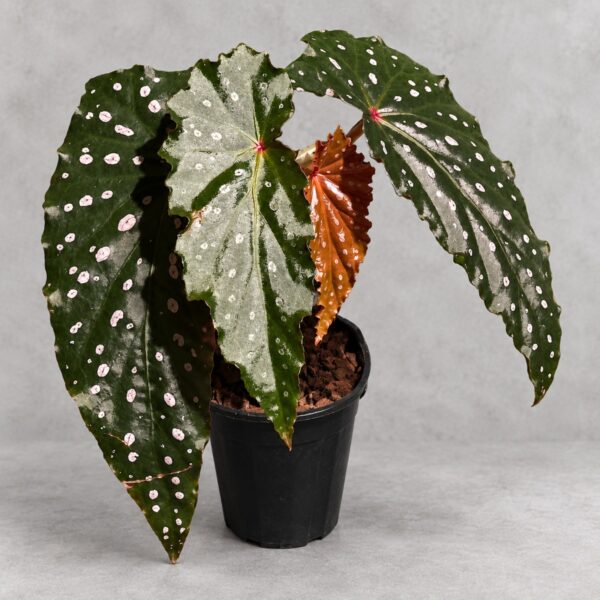
Begonia 'Sharon Seelert'
Begonia 'Sharon Seelert'
HK$238.00
Hong Kong delivery · Causeway Bay pickup
For Hong Kong homes and offices. Stock and pricing follow the product page.
IN STORE NOW
Plants for this guide
Related plants in stock now — live prices, delivery or Causeway Bay pickup.
FREE PLANT ADVICE
Send us a photo before you change anything
WhatsApp a photo of the plant and your window light. Our Causeway Bay team will suggest care steps or plants that suit your space.
STORE · CAUSEWAY BAY
4/F, 39 Yiu Wa Street, Causeway Bay
Daily 12:30–8:00pm · ~3 min walk from Times Square
Map & directionsPlant Care