
How to Care for Begonia Little Brother Montgomery in Hong Kong | Plantjai

Plantjai 植仔 · Care Encyclopedia
Begonia Little Brother Montgomery
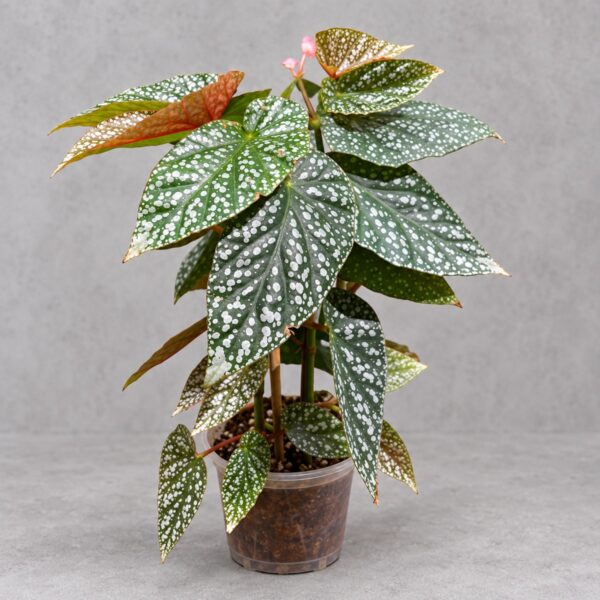
Begonia 'Little Brother Montgomery' 楓葉秋海棠
Hong Kong care guide — useful before you buy and after it arrives.
Shop this plantMaple-shaped leaves dusted with silver, pink new growth — a tall, graceful foliage plant.
Origin & characteristics
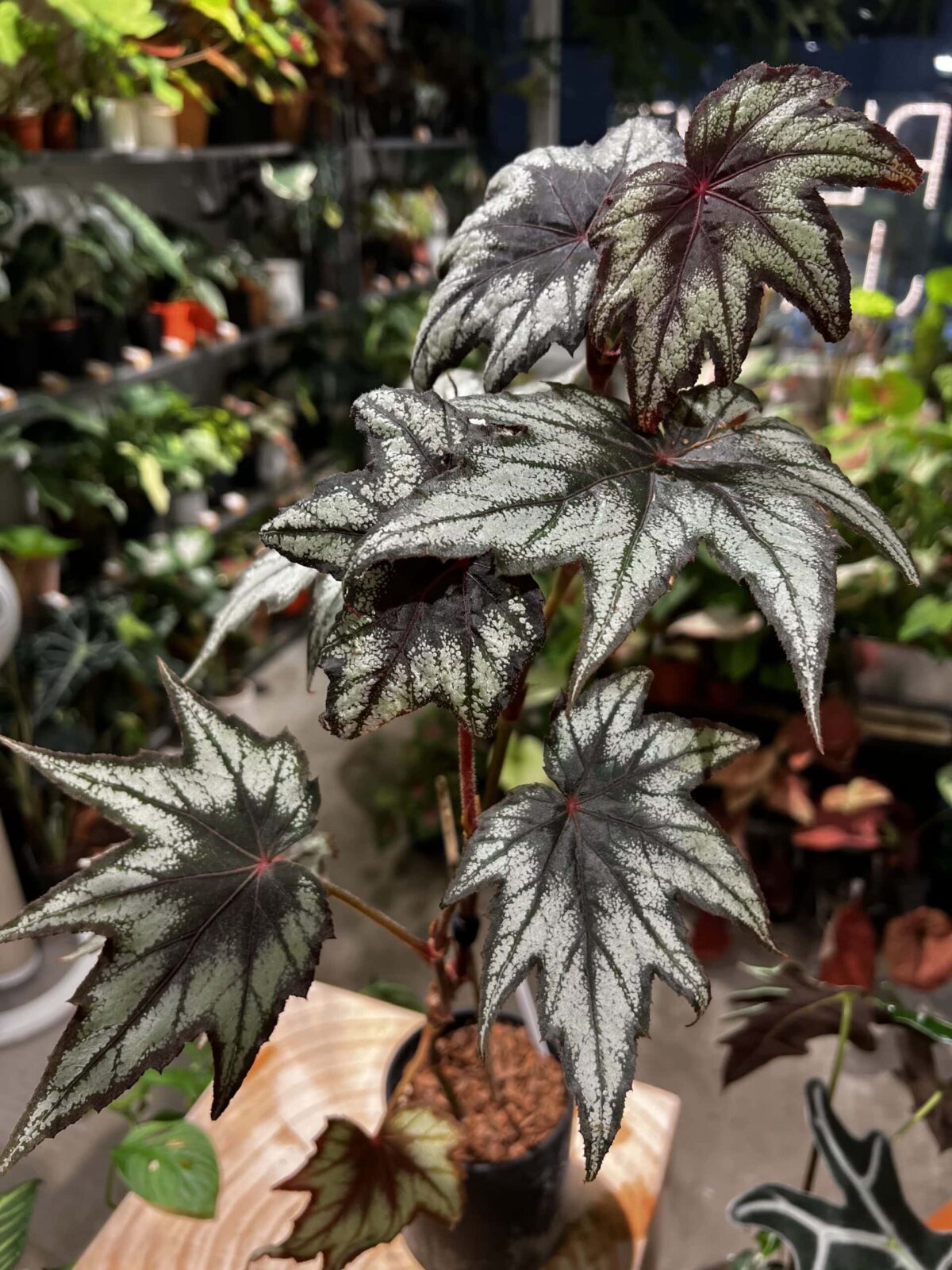
Maple Leaf Begonia is a garden cultivar with its botanical name still unconfirmed, belonging to the cane-type begonia group. It's named for its maple-like, deeply palmate-lobed leaves, and is one of the few begonias with genuine cold tolerance. The plant grows upright, reaching 60–100 cm tall. Leaves are deep green, dotted with silver spots along the veins and margins, with new growth carrying a pink tone and a reddish-brown underside; it produces small, deep pink flowers. This cultivar is notably tough and can be grown outdoors in a shaded spot, with an extended ornamental period lasting until the depths of winter.
Light
- Ideal placement: bright, diffused light, such as an east- or west-facing window
- Outdoor growing: partial to full shade, avoiding direct sun
- Notes:
- Avoid harsh direct sun; prolonged exposure easily scorches the leaves
- Too much light fades the silver patterning and makes leaves brittle
- Too little light causes stems to elongate, leaves to shrink, and patterning to diminish
- For indoor growing, choose a spot with bright, diffused light
Watering
- Principle: keep the soil moist but never waterlogged, watering once the topsoil is dry roughly 3 cm down
- Frequency: roughly every 5–7 days in summer, every 7–10 days in winter
- Method:
- Water along the pot's edge, avoiding wetting the leaves as much as possible
- After a thorough soak, let excess water drain away
- Placing pebbles in the saucer can help increase humidity at the base
- Winter adjustment: reduce watering, letting the topsoil dry out slightly before watering, to avoid root rot
- Important note: although this cultivar is somewhat more tolerant of moisture, still avoid standing water
Soil & pot
- Soil recipe: well-draining, organic-matter-rich
- Recommended: quality potting soil mixed with perlite and compost (roughly 3:1:1 ratio)
- Or: general potting soil with about 30% perlite added
- For outdoor planting, choose a deep, fertile, moist but well-draining humus-rich soil
- pH: slightly acidic to neutral (6.0–7.0)
- Pot selection:
- Choose a pot with drainage holes, medium depth is sufficient
- Given the plant's height, a somewhat heavier terracotta pot adds stability
- Or place stones inside a plastic pot to add weight at the base and prevent tipping
- Repotting: roughly once a year in spring
- Feeding: during the growing season (May–September), apply a high-potassium liquid fertiliser every two weeks to promote flowering
Temperature & humidity
| Factor | Ideal range | Minimum tolerance |
|---|---|---|
| Temperature | 18–24°C | 10°C |
| Humidity | 50–70% | 40% |
- Temperature notes:
- Ideal growing temperature is 18–24°C
- Keep above 13°C in winter, never below 10°C
- This cultivar is relatively cold-tolerant, but prolonged low temperatures still cause leaf drop and dormancy
- Avoid placing near AC vents or heaters
- Humidity:
- Prefers higher humidity
- Grouping with other plants can help create a shared microclimate
- Or place on a pebble-lined tray
Common problems
| Issue | Likely cause | What to do |
|---|---|---|
| Leaves turning white, fading | Sunburn from too much light | Move to a more shaded position |
| Elongating stems, shrinking leaves | Insufficient light | Move closer to a light source |
| Dry, brittle leaf edges | Humidity too low | Increase surrounding humidity |
| Leaves yellowing, going soft | Overwatering or poor drainage | Reduce watering, check drainage |
| Lower leaves dropping | Natural aging or improper watering | Remove dead leaves, adjust watering |
| Grey mould on leaves | Poor air circulation, humidity too high | Improve ventilation, remove affected leaves |
| Pests (caterpillars, mealybugs, thrips, root mealybugs) | Poor ventilation or introduced with new plants | Remove manually or treat with neem oil |
| Growth stalling | Temperature too low or nutrients insufficient | Check temperature, fertilise appropriately |
How to explain to customers
"Maple Leaf Begonia has such a distinctive look — the leaves really do look like maple leaves, deep green with silver spots, and the new growth comes in pink! It's fairly tall too, can grow to nearly a metre, so it makes a real statement in a corner of your home. Just remember to keep it in a bright spot, no direct sun, and keep the soil moist but never soaked."
Fun facts
Maple Leaf Begonia is one of the few begonia varieties that can survive outdoors through winter — in temperate regions, simply covering the rhizome with fallen leaves or compost lets it sprout again in spring, which is exactly why it's sometimes called a "hardy begonia."
Keywords
Maple Leaf Begonia, Little Brother Montgomery, cane-type begonia, cold-hardy begonia, foliage plant, maple-shaped leaves, silver spots, upright growth, deep pink flowers, indoor plant, partial-shade plant, outdoor begonia, toxic plant, calcium oxalate, Plantjai, botanical name unconfirmed, garden cultivar
參考資料(想知來源可展開)
References
- American Begonia Society. Cane-like Begonias. https://www.begonias.org/
- RHS. Begonias as Houseplants. https://www.rhs.org.uk/plants/begonias/houseplants
- ASPCA. Begonia – Toxic and Non-Toxic Plants. https://www.aspca.org/pet-care/animal-poison-control/toxic-and-non-toxic-plants/begonia
⚠️ Toxicity warning: Begonias contain soluble calcium oxalate throughout the plant, toxic to both humans and pets. In humans, ingestion may cause oral burning, drooling, vomiting, and diarrhoea, with sensitised individuals possibly developing skin allergies from sap contact. In cats and dogs, ingestion causes drooling and difficulty swallowing. Keep out of reach of children and pets, including outdoor plantings, and wash your hands after handling.
In-depth care guide
Introduction
Maple Leaf Begonia is a garden cultivar within the cane-type begonia group, named for its distinctive maple-like, deeply palmate-lobed leaf shape — a departure from the more typical oval or asymmetrical leaves common to most begonias. It stands out further as one of the few begonia varieties with genuine cold tolerance, capable of persisting through cooler conditions that would quickly kill most tropical begonia species.
Growing upright to a substantial 60–100 cm, this cultivar produces deep green leaves dotted with silver spots along the veins and margins, while new growth emerges with a distinctive pink tone before maturing, and the leaf undersides display a reddish-brown colouring. Small, deep pink flowers add further ornamental interest. Its notable toughness means it can be grown outdoors in a shaded garden spot, with an unusually extended ornamental period that lasts right through until the depths of winter before the foliage finally dies back.
Light requirements
Maple Leaf Begonia does best in bright, diffused light, such as that from an east- or west-facing window; for outdoor growing, choose a position offering partial to full shade, avoiding direct sun entirely. Prolonged exposure to harsh direct sun easily scorches the leaves — too much light fades the silver patterning and makes the leaves noticeably brittle, while too little light causes the stems to elongate, leaves to shrink, and patterning to diminish. For indoor growing, a spot with consistently bright, diffused light suits this variety well.
Watering technique
Keep the soil moist but never waterlogged, watering once the topsoil has dried to a depth of roughly 3 cm. This typically works out to every 5–7 days in summer and every 7–10 days in winter. Water along the pot's edge, avoiding wetting the leaves as much as possible, and let excess water drain away completely after each thorough soak. Placing pebbles in the saucer beneath the pot can help raise humidity at the base without risking waterlogged roots. In winter, reduce watering and let the topsoil dry out slightly more before watering again, to avoid root rot. While this cultivar shows somewhat more tolerance for moisture than many other begonias, standing water should still always be avoided.
Soil and potting
A well-draining, organic-matter-rich soil mix works best: quality potting soil combined with perlite and compost in roughly a 3:1:1 ratio, or general potting soil with about 30% perlite added. For outdoor planting, choose a deep, fertile, moisture-retentive but well-draining humus-rich soil. Maintain a pH between 6.0 and 7.0. Choose a pot with drainage holes, medium depth being sufficient; given the plant's substantial height, a somewhat heavier terracotta pot adds useful stability, or you can place stones inside a lighter plastic pot to add weight at the base and prevent tipping. Repot roughly once a year in spring, and during the growing season from May to September, apply a high-potassium liquid fertiliser every two weeks to promote flowering.
Temperature and humidity
Maple Leaf Begonia grows best between 18°C and 24°C, tolerating a minimum of 10°C. Keep it above 13°C in winter where possible — while this cultivar is relatively cold-tolerant compared with most begonias, prolonged exposure to low temperatures will still trigger leaf drop and dormancy. Humidity should ideally sit between 50% and 70%, and the plant prefers the higher end of this range. Avoid placing it near AC vents or heaters, both of which cause damaging temperature swings. Grouping the plant with others helps create a shared, more humid microclimate, and a pebble-lined tray offers another simple humidity boost.
Common problems in detail
Leaves turning white or fading points to sunburn from excessive light — move the plant to a more shaded position.
Elongating stems with shrinking leaves signal insufficient light — move the plant closer to a light source to restore compact growth.
Dry, brittle leaf edges typically result from humidity too low — increase surrounding humidity through grouping or a pebble tray.
Yellowing, softening leaves indicate overwatering or poor drainage — reduce watering and verify the pot drains properly.
Lower leaves dropping can be either natural aging or a sign of improper watering — remove the dead leaves and review your watering routine.
Grey mould on leaves results from poor air circulation combined with excess humidity — improve ventilation and remove affected leaves promptly.
Pests such as caterpillars, mealybugs, thrips, or root mealybugs typically arrive via poor ventilation or newly introduced plants — remove them manually or treat with a neem oil spray.
Stalled growth may indicate temperatures too low or a nutrient deficiency — check the ambient temperature and fertilise appropriately during the growing season.
Toxicity information
Begonias contain soluble calcium oxalate throughout the plant, toxic to both humans and pets. In humans, ingestion may cause oral burning, drooling, vomiting, and diarrhoea, with sensitised individuals potentially developing skin allergic reactions from sap contact. In cats and dogs, ingestion causes drooling and difficulty swallowing, along with vomiting. Keep the plant out of reach of children and pets — including when grown outdoors — and wash your hands thoroughly after handling.
References
- American Begonia Society. Cane-like Begonias. https://www.begonias.org/
- RHS. Begonias as Houseplants. https://www.rhs.org.uk/plants/begonias/houseplants
- ASPCA. Begonia – Toxic and Non-Toxic Plants. https://www.aspca.org/pet-care/animal-poison-control/toxic-and-non-toxic-plants/begonia
- Missouri Botanical Garden. Begonia – Cane Begonia Group. Plant Finder. http://www.missouribotanicalgarden.org/PlantFinder/
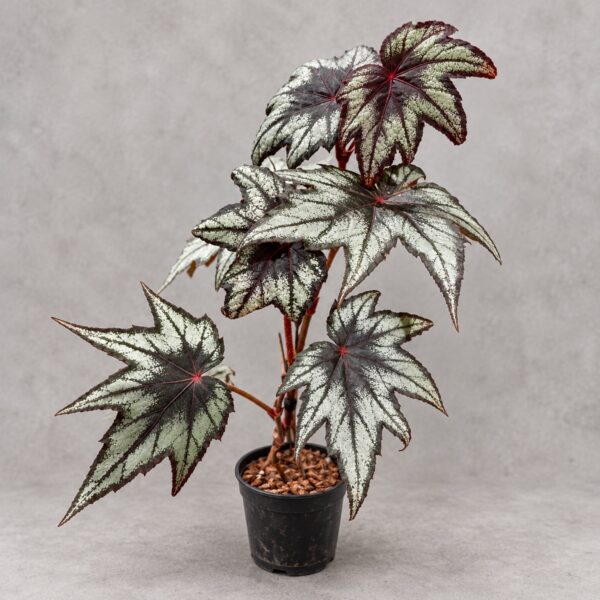
Plantjai shop · In stock online
Begonia 'Little Brother Montgomery'
Begonia 'Little Brother Montgomery'
HK$298.00
Hong Kong delivery · Causeway Bay pickup
For Hong Kong homes and offices. Stock and pricing follow the product page.
IN STORE NOW
Plants for this guide
Related plants in stock now — live prices, delivery or Causeway Bay pickup.
FREE PLANT ADVICE
Send us a photo before you change anything
WhatsApp a photo of the plant and your window light. Our Causeway Bay team will suggest care steps or plants that suit your space.
STORE · CAUSEWAY BAY
4/F, 39 Yiu Wa Street, Causeway Bay
Daily 12:30–8:00pm · ~3 min walk from Times Square
Map & directionsPlant Care