
How to Care for Anthurium Regale in Hong Kong | Plantjai


Plantjai 植仔 · Care Encyclopedia
Anthurium Regale
Hong Kong care guide — useful before you buy and after it arrives.
Shop this plantGiant heart-shaped leaves with spectacular venation — the regal presence of the Anthurium world.
Origin & characteristics
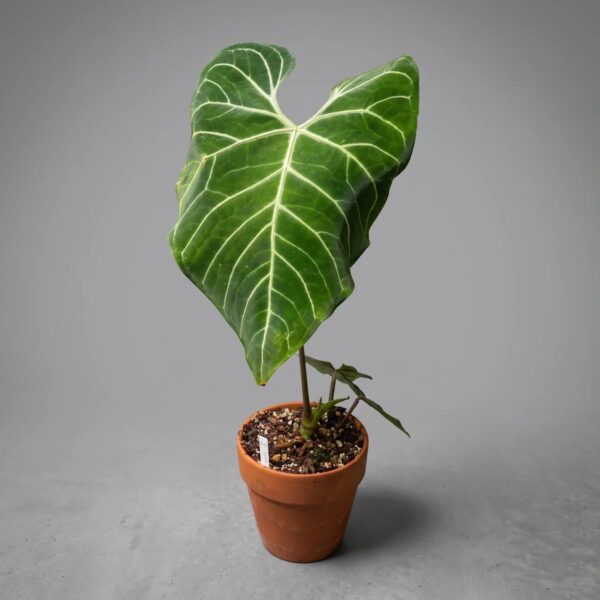
Regale Anthurium is native to the tropical rainforests of the eastern Andean foothills in Peru, and stands as one of the most kingly cultivars within the Anthurium genus. Its most striking feature is its ability to produce giant heart-shaped leaves, with mature leaves reaching over a metre, the surface covered in dramatic silver-white or golden venation, and a thick, leather-like texture. New leaves emerge reddish-brown before gradually turning deep green — a genuinely spectacular growth process. Because of its impressive size and the challenges of caring for it, this cultivar is often called the "graduation piece" of Anthurium collecting.
Light
- Ideal placement: a large east- or north-facing window, receiving plenty of diffused light
- Light intensity: 10,000–20,000 lux (bright, diffused light — larger leaves need more light to support their growth)
- Note: avoid direct midday sun, since large leaves scorch even more easily; insufficient light causes new leaves to come in progressively smaller
- Tip: large leaves tend to lean toward the light source — rotate the pot 90 degrees every 1–2 weeks
Watering
- Frequency: water once the top 2–3 cm has dried — every 7–10 days in summer, every 10–14 days in winter
- Method: water generously until it flows from the pot's base, ensuring the roots are thoroughly saturated, then empty the standing water
- Water quality: room-temperature plain water, rainwater, or distilled water — hard water leaves mineral deposits on the leaf surface
- Note: Regale Anthurium grows fast and has high water needs, but it can never tolerate waterlogging
Soil & pot
- Medium: a chunky, aerated large-format aroid mix — 2 parts orchid bark + 1 part perlite + 1 part coco coir + 1 part sphagnum moss
- pH: 5.5–6.5
- Pot: a breathable ceramic pot or a large plastic pot (needing extra care with drainage), drainage holes at the base are essential
- Repotting: repot annually or once the pot is root-bound — since it grows quickly, it needs adequate space; sizing up one pot size is sufficient
Temperature & humidity
- Temperature: 18–24°C is ideal; its native habitat is cooler, so avoid exceeding 28°C, and cold damage risk appears below 12°C
- Humidity: 70–85% is best — large leaves transpire quickly, and high humidity supports leaf health
- Humidification methods: a humidifier is the best choice; large plants aren't suited to overly enclosed spaces
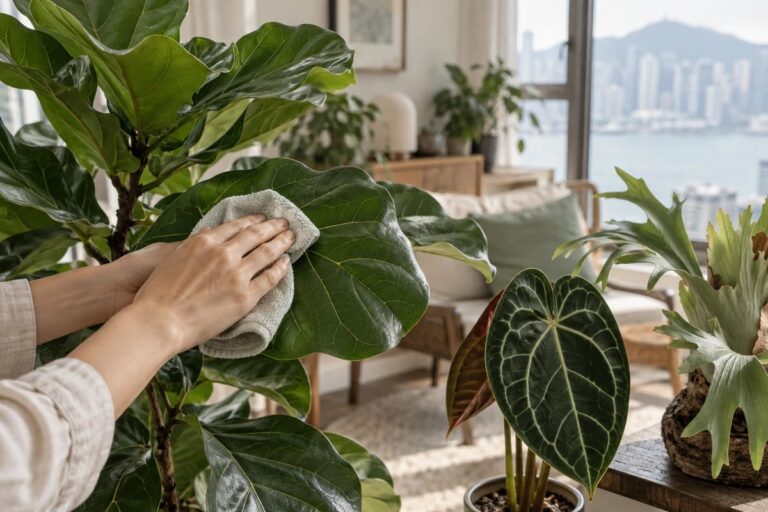
- Note: large leaves accumulate dust easily, affecting photosynthesis — wipe gently with a damp cloth regularly
Common problems
| Issue | Likely cause | What to do |
|---|---|---|
| Small new leaves | Insufficient light or inadequate nutrients | Increase diffused light, feed during the growing season |
| Scorched leaf edges | Humidity too low or water too hard | Increase humidification, switch to soft water |
| Indistinct venation | Insufficient light | Move closer to a brighter spot |
| Slow growth | Temperature too low or root damage | Keep above 18°C, check root health |
| Drooping leaves | Underwatering or root rot | Check soil moisture; root rot requires immediate treatment |
| Spider mites | Air too dry | Increase humidity; use neem oil for severe cases |
How to explain to customers
"Regale Anthurium is the ceiling of the Anthurium world — its leaf can grow big enough to hide your face behind, and it instantly transforms any living room! Because the leaves are so large, humidity needs to be adequate — ideally paired with a humidifier — that's when you'll get the best leaves."
Fun facts
Every new leaf Regale Anthurium produces tends to grow larger than the one before, so the older the plant, the more magnificent it becomes — well-grown mature specimens can produce giant leaves nearly the size of a tabletop.
Keywords
Regale Anthurium, large Anthurium, giant heart-shaped leaf, spectacular venation, collector-grade plant, foliage plant, high humidity, large-space plant, advanced growing, rainforest plant
⚠️ Pet / toxicity note: Anthuriums contain calcium oxalate crystals, toxic to pets and children. Given Regale Anthurium's larger size and greater sap volume, wearing gloves during pruning is essential, and the plant should be placed out of reach of children and pets.
In-depth care guide
Introduction
Regale Anthurium (Anthurium regale) is one of the most legendary and highly coveted species within the Anthurium genus of the Araceae family, native to the tropical cloud forests of the eastern Andean foothills in Peru. Its species name "regale" comes from Latin, meaning "regal" or "royal," perfectly capturing this plant's extraordinary presence. Within the foliage plant collecting world, Regale Anthurium has long been considered one of the most dreamed-about acquisitions, particularly because it can produce heart-shaped leaves exceeding a metre in length, making it a genuine king among Anthuriums.
Regale Anthurium's most breathtaking feature is its leaves. Mature leaves are deep green with a velvety texture, and most eye-catching of all is the extremely clear white or silver venation network on the leaf surface, creating a striking contrast effect, making each leaf look like a work of art carefully rendered by nature. New leaves typically emerge coppery-red or pale green initially, gradually deepening over time — a colour transformation that's itself a major visual treat.
According to Grow Tropicals' classification, Regale Anthurium belongs to the strap-leaf type, ranking alongside A. warocqueanum as one of the most sought-after species in this category (Grow Tropicals, 2026).
Light requirements
Regale Anthurium needs bright, diffused light, but absolutely cannot tolerate intense direct sunlight. In its native habitat, it grows beneath tall trees, receiving only light that's been softened by filtering through the canopy above. Overly strong sun will burn its precious velvety leaves, causing irreversible brown scorch spots.
The best placement is an east- or north-facing window, which provides steady, gentle light. If only a south- or west-facing spot is available, place the plant several feet back from the window, or use a sheer curtain to filter the light. According to Plants For All Seasons, an artificial grow light can be considered as a supplement, especially in regions with shorter winter daylight hours (Plants For All Seasons, 2025).
If you notice new leaves getting progressively smaller, petioles elongating, or growth slowing, these are all warning signs of insufficient light. Conversely, if the velvety texture starts fading, or leaf edges appear dry, the light may be too strong, requiring a move to a shadier spot.
Temperature and humidity
Regale Anthurium has fairly strict temperature requirements. The ideal growing temperature is 18–28°C, and it should never be exposed to prolonged temperatures below 16°C. Cold damage is fatal to this plant, especially cold drafts — a window left open happily in summer could seriously harm the plant come winter.
According to Grow Tropicals' observations, Regale Anthurium places more emphasis on stable warmth and root-zone moisture compared to other foliage Anthuriums (such as warocqueanum), rather than purely on air humidity (Grow Tropicals, 2026). But this doesn't mean humidity isn't important — maintaining 60–80% relative humidity remains an ideal target. Below 60% humidity starts to stress the plant, showing as browning leaf tips and incomplete leaf unfurling.
At home, it's recommended to place the plant in the warmest, brightest room, rather than the coldest windowsill table. In winter, when heating dries out the air, an ultrasonic humidifier is recommended to raise humidity. Grouping several tropical plants together can also create a more humid microclimate. Note that high humidity must be paired with good air circulation — hot, stuffy, humid environments easily trigger fungal disease and bacterial leaf spot.
Watering method
Regale Anthurium's watering principle is to keep the roots evenly moist, while absolutely never allowing waterlogging. Viriar experts recommend waiting until the top 2–3 cm of soil has dried before watering, then watering thoroughly, letting excess drain completely from the pot's base (Viriar, 2026). Never let the pot sit in standing water for extended periods, since this easily leads to root rot.
In practice, you can test soil moisture by inserting a finger roughly an inch deep. If it feels dry, it's time to water. In summer's active growing period, you may need to water roughly once a week; in winter, reduce this frequency. Remember to use room-temperature water, avoiding cold water, since sudden temperature changes stress the roots.
Another important tip: if you notice the soil never seems to dry out for a long time, this usually indicates a problem with the soil recipe or pot rather than overwatering. A loose, well-draining soil recipe is crucial for Regale Anthurium.
Soil recipe
Regale Anthurium needs an extremely loose, aerated, well-draining soil environment. As a semi-epiphytic plant, it's native to growing on tree trunks or rock surfaces, with roots accustomed to an air-rich environment, and absolutely cannot tolerate dense, waterlogged soil.
Viriar's recommended recipe is (Viriar, 2026):
- Orchid bark (40%) — provides structure and aeration
- Perlite (30%) — increases drainage
- Peat moss or coco coir (20%) — maintains appropriate moisture
- Horticultural charcoal (10%) — purifies water quality and inhibits pathogens
The key is ensuring the soil has good drainage and air circulation while retaining enough moisture to prevent the plant from drying out. From personal experience, many successful Regale Anthurium growers choose a professionally formulated Anthurium-specific soil, since ordinary potting soil is too dense and quickly suffocates the roots.
For pots, choose a container with drainage holes. Semi-transparent orchid pots or even semi-hydroponic methods are good choices, since they let you clearly observe root health.
Feeding method
Regale Anthurium needs regular feeding during the growing season (spring and summer). Viriar recommends using a balanced liquid fertiliser (such as NPK 20-20-20) every two weeks, diluted to half the concentration recommended on the packaging (Viriar, 2026). During slower growth periods, reduce this to once a month.
Many experienced growers also recommend supplementing with calcium and magnesium (using a CalMag product), since velvety Anthuriums easily develop trace element deficiencies in areas with softer water, with symptoms including yellowing between leaf veins on new leaves and weakened growth. If growing hydroponically, you'll need to add biological protectants regularly to keep the water tank clean, along with regularly flushing the medium to remove accumulated salts.
Stop feeding after autumn begins, letting the plant rest during its winter dormancy. Overfeeding causes leaf-tip burn and soil salt accumulation, problems often mistaken for insufficient humidity.
Propagation methods
Regale Anthurium has three main propagation methods: division, seed propagation, and stem cuttings.
Division
The safest and most reliable method is dividing the plant during repotting. When the mother plant has produced side shoots that already have their own root system, they can be carefully separated. Ensure each division has a healthy root system and at least one growth point. After division, plant into fresh soil and care for it in a warm, humid environment.
Seed propagation
Regale Anthurium can produce seeds through hand pollination. Anthurium's female flowers typically mature earlier than the male flowers, and pollen can be transferred from male to female flowers using a fine brush. After successful pollination, the female flower develops into a berry containing seeds. According to Plant and Stories, Anthurium seeds must be sown fresh, since they quickly lose their ability to germinate once dried (Plant and Stories, 2026). Sow the seeds on moist, well-aerated medium, maintaining high humidity and warmth (roughly 24–26°C), and they should germinate within a few weeks. Though slow, this method lets you grow a plant that's genuinely your own.
Stem cuttings
For plants with visible nodes and aerial roots, stem cuttings can be taken. Cut a section of stem below a node, insert it into moist sphagnum moss, and maintain warmth and high humidity — roots should form within one to two months. Note that propagation shouldn't be attempted on a weak plant or one that's recently been imported — wait until the plant has recovered its health first.
Repotting timing
Regale Anthurium typically needs repotting every 2–3 years, with the best time being spring or summer during the active growing season. When you notice roots circling the pot's base, drainage slowing, or growth clearly stalling, it's time to repot.
The new pot should be one to two sizes larger than the current one — never jump to an oversized pot in one go. When repotting, gently loosen the old soil ball, check root health, and trim away any rotten or discoloured roots. Use fresh Anthurium-specific soil, and keep the plant in a slightly shadier spot for the first few days after repotting to help it adjust to its new environment.
Common problems and solutions
Yellowing leaves
The most common cause is overwatering, poor drainage, or humidity too low. First check soil moisture and root health. If the roots have turned brown and rotten, you need to act immediately: remove the plant, trim away the rotten roots, repot into fresh loose soil, and reduce watering frequency.
Browning leaf tips
Usually caused by low humidity or fertiliser salt accumulation, particularly common in dry rooms with heating running in winter. Besides increasing humidity, it's recommended to regularly flush the soil with plenty of plain water to help wash away accumulated salts. According to Grow Tropicals' experience, brown tips are often mistaken for a humidity problem when they're actually caused by overfeeding (Grow Tropicals, 2026).
Small new leaves, elongated petioles
This is a clear sign of insufficient light. The plant elongates its petioles chasing light, while new leaves become progressively smaller. The solution is to increase light intensity or improve light distribution, considering a grow light if necessary.
Fading velvety texture or scorch spots on leaves
A sign of light too strong. Move the plant to a shadier spot immediately to prevent further damage to the leaves.
Bacterial leaf spot
Shows as water-soaked spots with yellow halos on the leaves, spreading along the veins. This disease typically occurs in high-humidity, poorly ventilated environments. Prevention involves maintaining good air circulation and avoiding prolonged leaf moisture. Once symptoms appear, remove affected leaves immediately and improve ventilation conditions.
Toxicity reminder
Like all Anthurium species, Regale Anthurium contains calcium oxalate crystals (raphides), toxic to both humans and pets. Chewing any part of the plant causes intense oral burning, swelling, and throat discomfort. Wear gloves when handling the plant to avoid direct skin contact with the sap. If you have children or pets at home, always place the plant somewhere they can't reach.
參考資料(想知來源可展開)
References
- Grow Tropicals. (2026). Foliage Anthurium Care Guide. https://growtropicals.com/blogs/houseplant-care-a-z/foliage-anthurium-care-guide
- Plants For All Seasons. (2025). A Guide to Anthurium Regale Care. https://www.plantsforallseasons.co.uk/blogs/anthurium-care/a-guide-to-anthurium-regale-care
- Viriar. (2026). Anthurium regale – Care, Propagation & Tips. https://www.viriar.com/fr/blogs/aroid-encyclopedia/anthurium-regale
- Plant and Stories. (2026). Anthurium Care Essential Tips Foliage. https://plantandstories.com/en/blogs/entretien-famille-plantes-guide-conseils/entretien-anthurium-conseils-essentiels-feuillage
- Proven Winners. Caring for Anthurium Plants Indoors. https://www.provenwinners.com/learn/houseplants/anthurium
Plantjai shop · In stock online
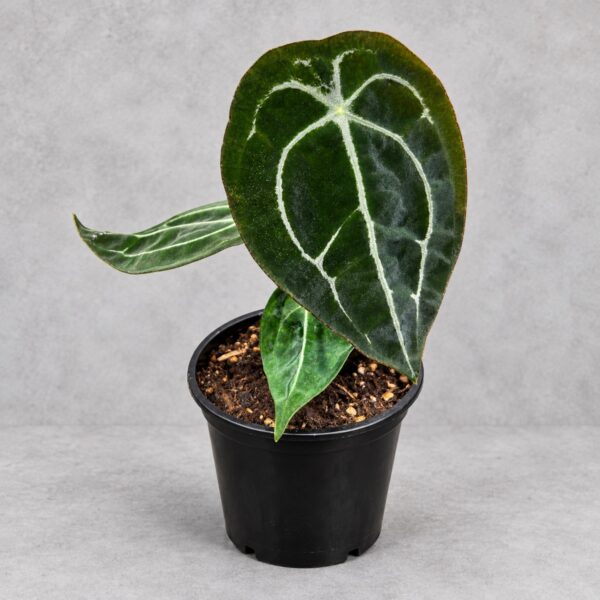
Anthurium regale
Anthurium regale
Original price was: HK$3,380.00.HK$1,380.00Current price is: HK$1,380.00.
Hong Kong delivery · Causeway Bay pickup
For Hong Kong homes and offices. Stock and pricing follow the product page.
IN STORE NOW
Plants for this guide
Related plants in stock now — live prices, delivery or Causeway Bay pickup.
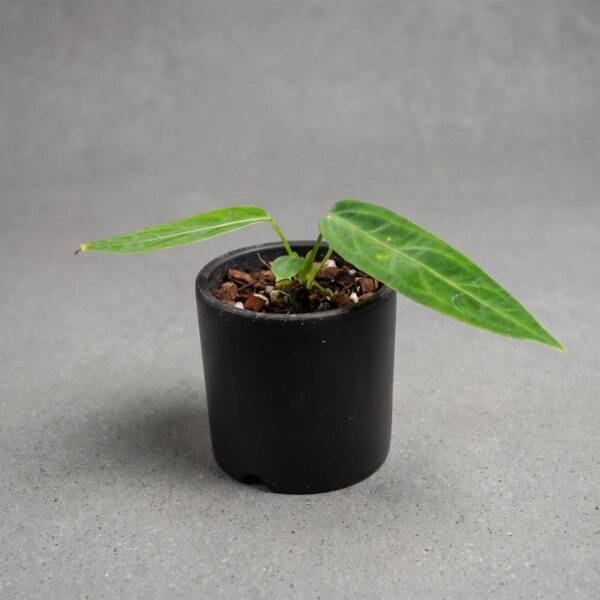
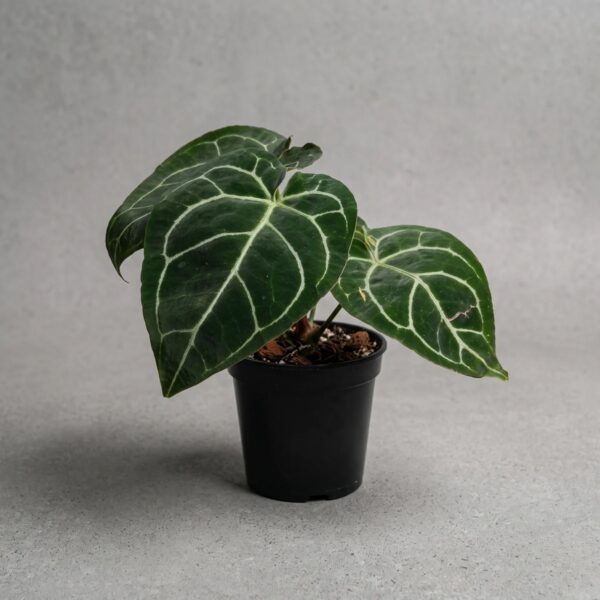
Anthurium crystallinum
Anthurium crystallinum
Original price was: HK$780.00.HK$380.00Current price is: HK$380.00.
In stock · store pickup
View plant
FREE PLANT ADVICE
Send us a photo before you change anything
WhatsApp a photo of the plant and your window light. Our Causeway Bay team will suggest care steps or plants that suit your space.
STORE · CAUSEWAY BAY
4/F, 39 Yiu Wa Street, Causeway Bay
Daily 12:30–8:00pm · ~3 min walk from Times Square
Map & directionsPlant Care