
How to Care for Anthurium Dressleri in Hong Kong | Plantjai

Hong Kong care guide for Anthurium Dressleri.
Dark, velvety leaves with silver-white veins — the understated luxury pick of the dark-leaf Anthurium world.
Origin & characteristics
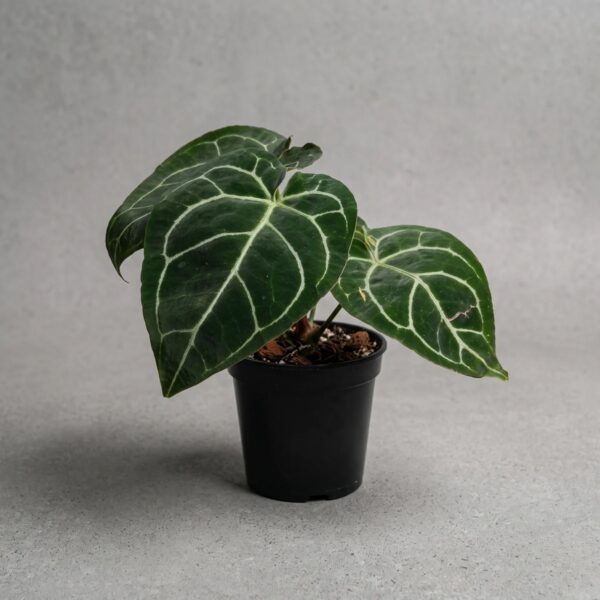
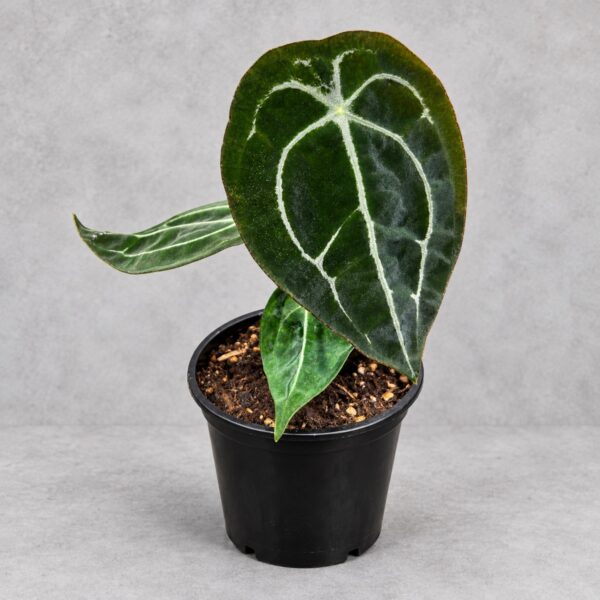
Dressleri Anthurium is native to the tropical rainforests spanning Panama to Colombia in Central America, named after the botanist who discovered it, Dressler. Its leaves are heart-shaped to oval, with a thick velvety texture, coloured deep green to nearly black, paired with strikingly bold silver-white or pale green veins that create a dramatic, high-impact contrast. Mature plants can produce upright inflorescences, giving the whole plant an air of understated luxury — a genuine dream piece for advanced collectors. The exact botanical name of this cultivar is still being confirmed.
Light
Dressleri Anthurium likes soft, diffused light and hates direct strong sun. An east-facing windowsill or a spot well back from a south-facing window works best. Although the dark leaves theoretically absorb more light, they're actually more prone to scorching and leaving permanent marks — take extra care. 5–7 hours of daily indirect light is enough; light that's too strong causes the leaf colour to fade and lose that dark, moody quality. If using a grow light, keep it more than 50 cm away to avoid heat concentration.
Watering
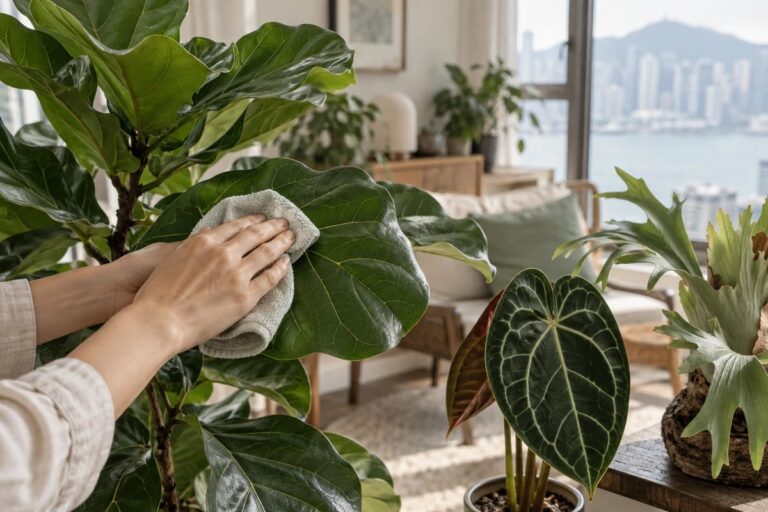
Keep the soil lightly moist, watering once the top 2–3 cm has dried, and never let the soil dry out completely. Roughly once every 5–7 days in summer, extending to every 7–10 days in winter. Dark leaves show water marks easily, so use filtered water or rainwater and avoid spraying directly onto the leaves. If you need to clean the leaf surface, gently wipe with a slightly damp soft cloth. Ideal humidity is 65%–85%; in low-humidity conditions, a sphagnum moss tray or humidifier can help.
Soil & pot
A highly aerated, well-draining medium is key: pine bark 30% + perlite 25% + peat 25% + charcoal 10% + sphagnum moss 10%. Dressleri Anthurium's roots prefer a well-ventilated environment and rot very easily if waterlogged. Choose a ceramic pot as your first choice, not too large — just one to two sizes bigger than the root ball. Repot every 12 months to check root health, gently loosening any tangled roots and refreshing the soil if needed. Consider adding a sphagnum moss pole for the aerial roots to climb, which helps the plant grow sturdier.
Temperature & humidity
Ideal temperature is 20–27°C, with a fairly narrow comfortable range. Don't let it drop below 17°C — it's quite sensitive to temperature fluctuations, so avoid placing it near AC vents or doorways. Humidity requirements are on the higher side, with 70%–85% being ideal; below 60%, scorched leaves become likely. Hong Kong summer humidity is usually sufficient, but in winter you'll need a humidifier or a naturally more humid spot like a bathroom windowsill. Good air circulation matters just as much, to avoid stuffy, damp conditions that trigger fungal problems.
Common problems
| Issue | Likely cause | What to do |
|---|---|---|
| Leaf colour turning greener/fading | Light too strong or nutrient deficiency | Move to a shadier spot and supplement with diluted liquid fertiliser |
| Small, weak new leaves | Insufficient humidity or root problems | Check humidity and soil moisture; repot if necessary |
| Brown spots on leaves | Possible sunburn or fungal infection | Adjust light position and ensure good ventilation |
| Root rot | Overwatering or poor soil aeration | Trim rotten roots, repot into fresh soil, and reduce watering frequency |
| Spider mites or whitefly | Common in dry conditions | Check leaf undersides regularly; treat immediately with neem oil or soapy water |
How to explain to customers
"Dressleri Anthurium is genuinely striking — the leaves are such a deep green they're almost black, paired with silver stripes that instantly add a touch of class to your home! This is an advanced-level cultivar, so you'll need to keep humidity and temperature stable, but growers with a bit of experience will find it especially rewarding — a well-grown specimen is stunning."
Fun facts
Dressleri Anthurium is named after the American botanist Robert L. Dressler, an authority on orchids and tropical plant research who discovered many new species in the rainforests of Central America.
Keywords
Dressleri Anthurium, Anthurium dressleri, dark-leaf Anthurium, velvet-leaf Anthurium, silver-veined Anthurium, tropical foliage plant, advanced tropical plant, rainforest plant, Anthurium genus, collector plant, rare Anthurium, toxic to pets
參考資料(想知來源可展開)
References
- Plants of the World Online (POWO) — Anthurium dressleri Croat, Kew Science. https://powo.science.kew.org/taxon/urn:lsid:ipni.org:names:15249-2
- Croat, T.B. (1986). A revision of the genus Anthurium (Araceae) of Mexico and Central America. Part II: Panama. Monographs in Systematic Botany from the Missouri Botanical Garden, 14, 1–204.
- Vannini, J. (2021). Velvet leaf anthuriums in cultivation. Exotica Esoterica Magazine.
⚠️ Pet / toxicity note: Anthuriums contain calcium oxalate crystals, toxic to pets and children. Ingestion may cause oral pain, drooling, and vomiting. Keep out of reach of pets and small children. If accidental ingestion occurs, rinse the mouth immediately and seek medical attention.
In-depth care guide
A note on classification: The botanical name of Dressleri Anthurium is subject to some ongoing discussion and confusion within the botanical community. According to Plants of the World Online (POWO), Anthurium dressleri Croat is an accepted species name, native to Panama through northwestern Colombia. However, botanist Jay Vannini has pointed out in his research that A. kunayalense Croat & Vannini (co-described in 2010), long confused with A. dressleri, is actually the westernmost distribution of Colombia's A. splendidum-luxurians-debile-giraldoi-nutibarense species complex. In addition, some plants sold commercially as A. dressleri may actually be undescribed new species (such as A. sp. nov. aff. dressleri), so the exact identity is still being confirmed. This article covers care based on the POWO-accepted A. dressleri Croat.
Introduction
Dressleri Anthurium, scientifically Anthurium dressleri, is an extremely popular rare foliage cultivar within the Anthurium genus of the Araceae family, described by botanist Thomas Croat. It's native to the tropical rainforests spanning Panama in Central America to northwestern Colombia in South America, growing in a humid tropical biome as an epiphytic Anthurium. This species enjoys enormous popularity in the international foliage plant collecting world, famous especially for its dark green velvety leaf texture and dark venation. Due to restrictions on wild collection and the relative difficulty of propagation, high-quality A. dressleri has long been in short supply on the market, commanding premium prices. It's worth noting that A. dressleri is a parent to several well-known Anthurium hybrids, including Anthurium Panamama™ (A. dressleri × A. papillilaminum 'Fort Sherman'), bred by Jay Vannini, showcasing its significant value in breeding programmes.
Physical characteristics
Mature Dressleri Anthurium leaves are elongated-oval to egg-shaped, with a thick leaf texture covered in a fine layer of fuzz, giving the leaf surface a velvety sheen and quality. The leaf colour is deep green to a dark forest green, with even darker veins creating a subtle contrast. New leaves typically emerge in a lighter green or with a faint reddish tone, gradually deepening as they mature. Under ideal conditions, leaf size can grow quite large, placing this among the medium-to-large Anthuriums. The overall plant form is elegant, with long, sturdy petioles supporting the outward-spreading leaves. The spathe and spadix are relatively understated but hold reference value for identification. Growth rate is moderate — slower than some fast-growing Anthuriums (such as A. crystallinum) — but it makes up for this with consistent form, each new leaf matching the last in texture and colour.
Light requirements
Dressleri Anthurium needs bright but indirect light, mimicking the diffused light it would receive growing epiphytically on tree trunks in its native rainforest. The ideal light range is roughly 2,000–4,000 lux per square metre. Indoors, an east- or north-facing windowsill is usually ideal; south-facing windows need a sheer curtain or semi-transparent screen to filter direct sunlight. Insufficient light causes leggy growth, elongated petioles, and thinner leaves, with reduced velvet texture and colour quality on new growth. Conversely, direct sunlight will scorch the leaves, causing irreversible white or brown burn spots. If you notice growth has stalled or new leaves getting progressively smaller, check light levels first. A grow light is a great option, especially during autumn and winter when daylight hours are shorter — a full-spectrum LED light run for 12–14 hours daily, positioned roughly 30–45 cm from the leaf surface, provides adequate lighting.
Temperature requirements
Dressleri Anthurium's ideal growing temperature is between 18°C and 28°C, a classic tropical plant profile. It can briefly tolerate temperatures as low as 10°C, but prolonged exposure below 15°C stalls growth and significantly increases the risk of root rot. In summer, temperatures shouldn't exceed 32°C — if they do, make sure humidity and ventilation are both adequate. For Hong Kong's growing conditions, spring, summer, and autumn room temperatures are generally suitable, but in winter, if temperatures drop below 10°C, the plant should be moved indoors or kept warm with heating. Take special care to avoid placing the plant near AC vents, doorways/windows, or heaters, since sudden temperature swings and cold drafts stress the plant, showing up as browning leaf edges or malformed new growth. According to USDA hardiness zones, Dressleri Anthurium is suited to zones 10–12 and has no cold tolerance.
Humidity management
High humidity is an essential condition for Dressleri Anthurium. Its native habitat typically maintains relative humidity between 75% and 95%, so indoors it's recommended to keep humidity at 65%–80% or above. Below 60% humidity, leaf edges start to dry out and brown, and in severe cases this can even affect proper unfurling of new leaves. The best way to raise humidity is with an ultrasonic humidifier, placed roughly 1–2 metres from the plant, paired with a digital hygrometer to monitor and ensure humidity stays within the ideal range. Another effective method is grouping several tropical plants together to create a humid microclimate. While misting can briefly raise humidity, the effect isn't lasting, and if ventilation is poor, leaves staying wet for extended periods can actually encourage bacterial and fungal growth. Hong Kong summer humidity is usually high enough that this isn't much of an issue, but in autumn and winter when heaters are running, humidity drops significantly, and a humidifier or other humidification measures become essential.
Watering technique
The watering guideline for Dressleri Anthurium is "keep evenly moist, avoid both waterlogging and drying out." During the growing season, water once the top 2–3 cm of soil has dried. Water thoroughly each time, letting water drain completely from the pot's base — never let water sit in the saucer. For water quality, filtered water, rainwater, or tap water left to stand overnight work best, since Anthuriums are fairly sensitive to chlorine and high mineral content. Prolonged use of hard water causes salt build-up in the soil, showing up as white deposits on the soil surface or pot rim — flush thoroughly with plain water if you see this. In winter, as temperatures drop and light weakens, growth slows, so reduce watering frequency accordingly, waiting until the soil is roughly half dry before watering again. The most reliable way to judge whether watering is needed is inserting a finger about two knuckles deep into the soil — water if it feels dry. Remember, overwatering is the number one cause of death for Anthuriums, and once root rot sets in, it's very difficult to save the plant.
Soil recipe
Dressleri Anthurium needs a chunky, loose, well-aerated, well-draining growing medium that mimics the conditions its roots experience while growing epiphytically in the wild. Use an aroid-specific mix, with a recipe roughly as follows: orchid bark (medium-to-large grade, roughly 6–12 mm) at 40%, providing structural air channels that mimic epiphytic root growth conditions; perlite or pumice at 30%, preventing compaction and improving drainage; coco coir or peat moss at 20%, handling moisture retention and providing organic matter; and horticultural activated charcoal at 10%, absorbing toxins and inhibiting bacterial growth. The key to this recipe is ensuring the roots get plenty of airflow while not drying out too quickly. If you notice the soil dries out very fast after watering (in under two to three days), increase the proportion of coco coir or peat moss; if the soil stays wet for over a week, increase the proportion of perlite and bark. When planting, make sure the crown isn't buried too deep — it should sit just slightly above the soil surface, reducing the risk of crown rot.
Feeding method
Dressleri Anthurium is a light feeder, and the feeding principle is "light doses, frequently applied." During the growing season (roughly March to September), apply a diluted balanced liquid fertiliser every two to three weeks, such as NPK 20-20-20, diluted to half the concentration recommended on the packaging. A dedicated orchid fertiliser is also a good choice, since Anthuriums share similar growth requirements with orchids. Slow-release fertilisers like Osmocote Plus can be used every three to six months, simply sprinkled on the soil surface. For organic options, diluted fish emulsion applied once a month at quarter strength works well and plants generally respond well to it. Stop feeding completely in winter (November to February), since reduced root absorption at low temperatures means excess fertiliser will just accumulate in the soil. Always water normally before feeding, avoiding concentrated fertiliser touching dry soil directly. Roughly once a month, flush the soil thoroughly with plain water to prevent salt accumulation. If new growth is slow with pale colour, consider increasing the nitrogen ratio; if the whole plant looks weak, it may need supplemental calcium and magnesium.
Repotting timing
Dressleri Anthurium grows at a moderate rate, so repotting every 18–24 months is generally sufficient. The best time to repot is spring (March to April), when new growth is about to begin. Signs it's time to repot include roots emerging from the pot's drainage holes, slow water drainage after watering, or the plant starting to lean unsteadily. The new pot should only be 2–3 cm larger in diameter than the old one — never jump to an oversized pot, or the soil will stay wet for too long and increase root rot risk. When repotting, gently loosen the old soil, check root health, trim away any blackened, soft, rotten roots, and dust the cut wounds with cinnamon powder or sulphur powder. After repotting, keep the plant in a shaded, well-ventilated spot for about a week to let the root wounds heal, reducing watering during this time. Then gradually move it back to its normal light position and resume regular care. If the plant is healthy and roots aren't crowded, you can even extend the interval to three years between repottings.
Propagation methods
Dressleri Anthurium is propagated mainly by division or rhizome cutting. Division is best done during spring repotting: remove the mature plant from its pot, locate naturally occurring side shoots at the base, make sure each side shoot has its own independent root system, and separate it with a sterilised, sharp knife. After cutting, let the wound air-dry for two hours before planting separately. Maintain high humidity (you can cover with a clear plastic bag to raise humidity, but open it briefly each day for ventilation) and a warm environment (roughly 22–28°C), and new roots should appear within about three weeks. Another method is rhizome cutting: choose a healthy, sturdy rhizome, cut it into sections each with at least one growth point, and plant into sphagnum moss or perlite, keeping it moist and humid until new shoots emerge. Seed propagation is theoretically possible but requires hand pollination, fresh seeds (Anthurium seed viability drops quickly with storage time), and a sterile germination environment — quite difficult, and not particularly suited to home growers. When performing any propagation, wear gloves, since Anthurium sap contains calcium oxalate crystals that can irritate skin.
Common problems and solutions
Dry, browning leaf edges: most commonly caused by low humidity or hard water. Immediately check your hygrometer, increase environmental humidity, and switch to filtered water or rainwater. Also check whether the plant is near an AC or heater vent.
Yellowing leaves: gradual yellowing of older leaves may be normal ageing; but if multiple leaves turn yellow simultaneously, especially newer ones, suspect overwatering causing root rot, insufficient light, or nutrient deficiency. Check soil moisture and root condition, repotting with root trimming if necessary.
New leaves not unfurling completely or malformed: usually caused by low humidity or improper watering. Ensure humidity stays above 65%, and water on a regular schedule — don't let the soil dry out completely before watering.
Loss of velvety texture: if the leaf surface becomes smooth or glossy, it may be caused by light too strong or insufficient humidity. Adjust placement and increase humidity, letting the plant gradually recover.
Root rot: if the plant suddenly wilts with drooping leaves while the soil remains moist, remove it from the pot immediately for inspection. Trim away all rotten roots, soak in a diluted hydrogen peroxide solution, repot into fresh soil, and reduce watering for a week afterward.
Pests: spider mites (common in dry conditions, visible as tiny red dots and webbing on leaf undersides), mealybugs (brown or white bumps on leaf undersides and petioles), and whitefly. Spray diluted neem oil every five days for three consecutive applications, usually effective. Prevention is better than cure — quarantine newly purchased plants for two to three weeks before introducing them to your main collection.
References
- Plants of the World Online (POWO). Anthurium dressleri Croat. Kew Science. https://powo.science.kew.org/taxon/urn:lsid:ipni.org:names:15249-2
- Croat, T.B. (1986). A revision of the genus Anthurium (Araceae) of Mexico and Central America. Part II: Panama. Monographs in Systematic Botany from the Missouri Botanical Garden, 14, 1–204.
- Vannini, J. (2021). Velvet leaf anthuriums in cultivation. Exotica Esoterica Magazine. https://exoticaesoterica.com
- Govaerts, R., & Frodin, D.G. (2002). World Checklist and Bibliography of Araceae (and Acoraceae): 1–560. The Board of Trustees of the Royal Botanic Gardens, Kew.
- Viriar. Anthurium dressleri – Care, Propagation & Tips. Aroid Encyclopedia. https://viriar.com/fr/blogs/aroid-encyclopedia/anthurium-dressleri
For Hong Kong homes and offices. Stock and pricing follow the product page.
IN STORE NOW
Plants for this guide
Related plants in stock now — live prices, delivery or Causeway Bay pickup.
Anthurium crystallinum
Anthurium crystallinum
Original price was: HK$780.00.HK$380.00Current price is: HK$380.00.
In stock · store pickup
View plant
FREE PLANT ADVICE
Send us a photo before you change anything
WhatsApp a photo of the plant and your window light. Our Causeway Bay team will suggest care steps or plants that suit your space.
STORE · CAUSEWAY BAY
4/F, 39 Yiu Wa Street, Causeway Bay
Daily 12:30–8:00pm · ~3 min walk from Times Square
Map & directionsPlant Care