
How to Care for Alocasia Watsoniana Doff in Hong Kong | Plantjai

Plantjai 植仔 · Care Encyclopedia
Alocasia Watsoniana Doff
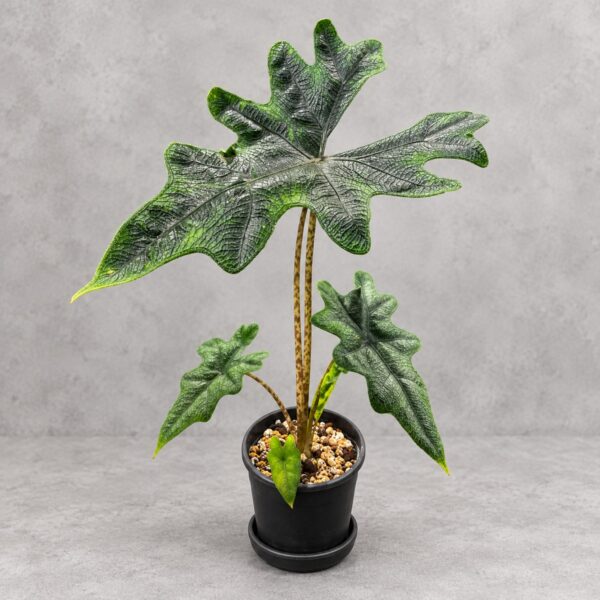
Alocasia watsoniana doff 絨面屈臣海芋
Hong Kong care guide — useful before you buy and after it arrives.
Shop this plantA velvety canopy of huge leaves — a soft-touch giant that fills a room with presence.
Botanical name unconfirmed: listed in the trade as "Alocasia watsoniana doff," where "doff" may be a cultivar name or spelling variant — some sources record it as "Duff" or as a separate cultivar.
Origin & characteristics
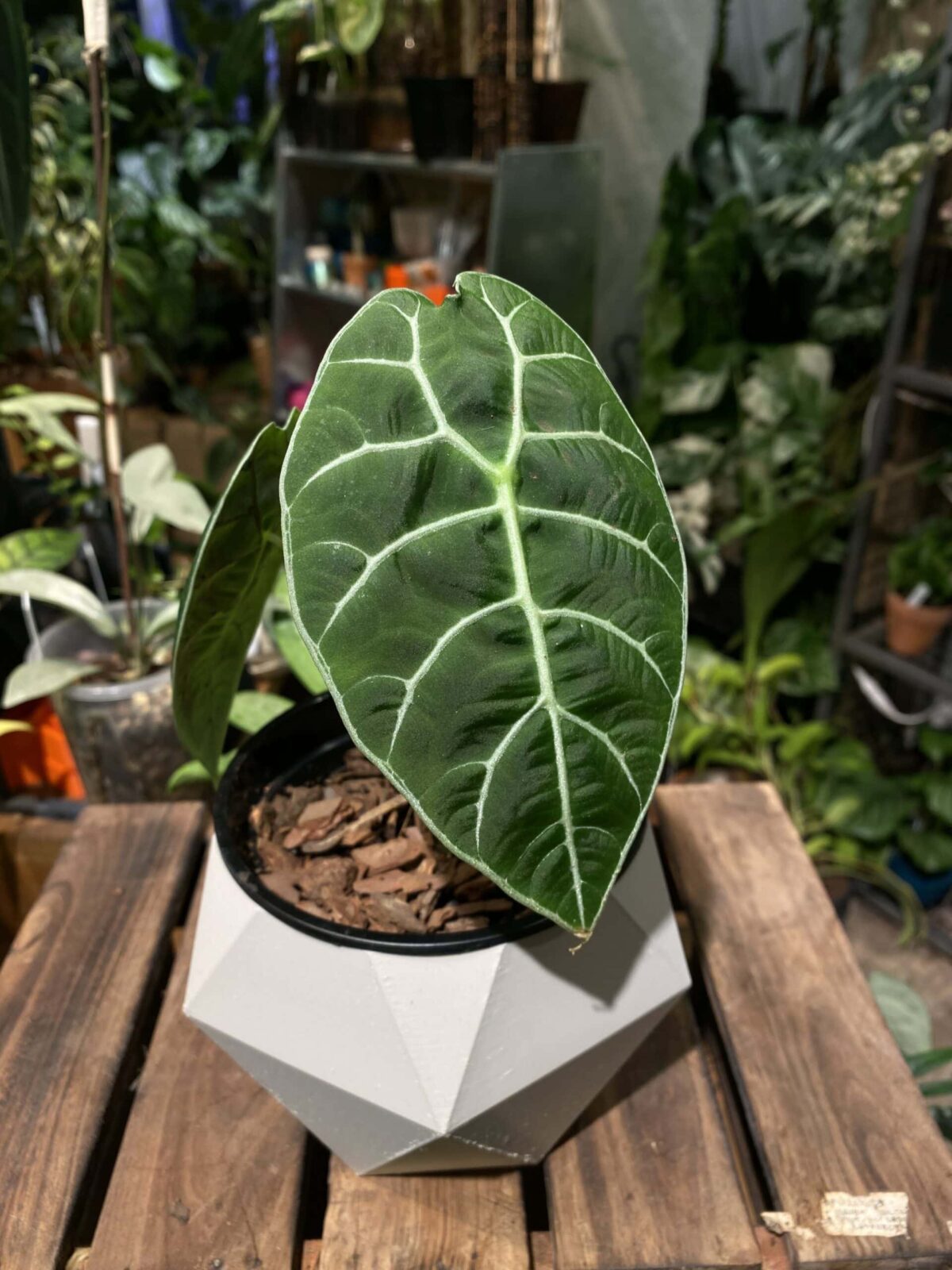
Velvet Watson Alocasia is a velvet-leaved form of Alocasia watsoniana, native to the tropical rainforests of Borneo and the Philippines in Southeast Asia. Its standout feature is an enormous shield-shaped leaf covered in a fine, matte velvet pile, ranging from deep green to bronze, with a soft, fabric-like texture when touched. The veins sit in shallow depressions that create a three-dimensional pattern across the leaf, and the margin has a gentle wave. Mature plants can exceed 1 m, making an impressive statement piece for anyone building a jungle-inspired interior.
Light
- Ideal light: bright, indirect light, roughly 1,000–1,800 lux.
- Placement: east- or north-facing windows, or 2–3 m from a south-facing window.
- A note on the velvet leaf: the velvety pile collects dust, which can interfere with photosynthesis — clean it gently and regularly.
- Signs of insufficient light: thinner leaves, dulled velvet sheen, small new leaves.
Watering
- Frequency: water once the top 2–3 cm of soil has dried, roughly every 5–7 days.
- Method: water slowly until it drains from the base; empty the saucer after 30 minutes.
- Water quality: room-temperature settled or filtered water; avoid cold water.
- Dormant season: extend the interval to 7–10 days in autumn/winter.
- Tip: avoid wetting the velvet leaf surface directly — trapped moisture invites bacterial issues, so water along the pot's edge instead.
Soil & pot
- Soil recipe: peat 40% + perlite 30% + coco coir 20% + pine bark 10%, maintaining good aeration and drainage.
- pH: slightly acidic, 5.5–6.5.
- Pot choice: a breathable terracotta pot or a plastic pot with plenty of drainage holes.
- Repotting: once roots fill the pot or emerge from the drainage holes (roughly once a year in spring); given its large size, a sturdy, weighted base helps prevent tipping.
Temperature & humidity
- Ideal temperature: 20–30°C, best at 22–28°C.
- Minimum: growth stops below 15°C; frost-damage risk below 10°C.
- Humidity: 65–85% is ideal.
- Raising humidity: a nearby humidifier, a pebble tray, or grouping with other plants to build a microclimate.
- Note: the velvet leaf surface is sensitive to dry conditions — leaf edges brown easily under low humidity.
Common problems
| Issue | Likely cause | What to do |
|---|---|---|
| Dusty leaf surface | Velvet pile traps dust | Gently dust with a soft dry cloth or makeup brush — don't rinse with water |
| Brown, curling leaf edges | Humidity too low | Raise environmental humidity immediately |
| Stiff or matted velvet texture | Contact with chemicals or hard-water residue | Switch to filtered water |
| Holes or malformed new leaves | Low humidity during unfurling, or physical damage | Maintain high humidity and avoid moving the plant |
| Soft, collapsing stem | Overwatering leading to root rot | Check roots and trim any rot |
How to explain to customers
"Velvet Watson's leaves are big enough to genuinely cast shade — put one in your living room and you've got instant rainforest vibes! Just remember the leaves have a velvet texture, so please don't spray water directly on them — a soft dry cloth for dusting is all they need."
Fun facts
Alocasia watsoniana is named after 19th-century British botanist John Watson; the velvety pile on the 'Doff'/'Duff' form is actually an adaptation that reduces water loss and helps the plant cope with strong light, allowing it to thrive better in the forest understorey.
Keywords
Plantjai, Velvet Watson Alocasia, Alocasia watsoniana doff, velvet leaf, large Alocasia, Watson Alocasia, indirect light, high humidity, toxic to pets, rainforest style, Hong Kong gardening
參考資料(想知來源可展開)
References
- Plants of the World Online (Kew) — Alocasia watsoniana. https://powo.science.kew.org
- RHS — Alocasia care. https://www.rhs.org.uk/plants/alocasia
- Proven Winners — How to Grow Alocasia Indoors and Outdoors. https://www.provenwinners.com/learn/houseplants/alocasia
⚠️ Pet / toxicity note: Contains calcium oxalate crystals throughout the plant; ingestion causes oral pain, drooling and vomiting. Keep away from pets 🐕🐈 and small children 👶, and wash hands after handling.
In-depth care guide
Introduction
Velvet Watson Alocasia (Alocasia watsoniana 'Doff') is a striking large-leaved cultivar in the Araceae family, prized for the extraordinary velvet texture of its foliage. Where most Alocasias have a glossy or semi-glossy leaf surface, this one is covered in a fine, matte pile that genuinely feels like fabric under your fingers — deep green to bronze in colour, with veins sitting in shallow channels that give the whole leaf a sculpted, three-dimensional quality. Combined with its imposing size, it's a genuine centrepiece plant for anyone wanting to build a jungle-like interior.
Alocasia watsoniana is native to the tropical rainforests of Borneo and the Philippines, where it grows as a large understorey plant in warm, consistently humid conditions. The 'Doff' (sometimes recorded as 'Duff') form is distinguished by its especially pronounced velvet texture, which some growers consider a distinct cultivar and others treat as a natural variant within the species. Whatever its precise taxonomic status, the plant in cultivation is unmistakable — huge, shield-shaped leaves with a soft, almost plush surface unlike nearly any other houseplant.
Growth habit and scale
Mature Velvet Watson Alocasia can exceed 1 m, with individual leaves sometimes reaching 60–90 cm across on sturdy, upright petioles. This scale means it needs real floor space and a heavy, stable pot to avoid tipping as the plant matures — a genuine consideration when planning where to place it in a Hong Kong home.
Growth is moderate, and as with other Alocasias, the plant stores energy in a rhizome that supports new leaf production through the growing season. It may slow down or drop a leaf or two during cooler winter months, which is a normal seasonal response rather than a sign of distress.
Light requirements
Velvet Watson needs bright, indirect light to maintain healthy growth and the vivid appearance of its velvet leaf surface.
Ideal placement:
- East- or north-facing windows for good indirect light
- 2–3 m from a south-facing window
- A well-lit interior room with consistent daily brightness
A note on the velvet surface: the fine pile that gives this cultivar its signature texture also collects dust more readily than a glossy leaf would, and a dusty leaf surface can measurably reduce photosynthesis over time. Regular gentle cleaning (see the care section below) is genuinely part of keeping this plant healthy, not just cosmetic upkeep.
Signs of insufficient light: thinner leaves, a dulled or flattened velvet sheen, and small, underwhelming new growth all suggest the plant needs to move somewhere brighter.
Signs of too much light: since Velvet Watson's leaves are large but not especially thick, direct sun — particularly through glass at midday — can scorch them fairly quickly, leaving yellow-brown patches that don't recover.
Watering technique
Velvet Watson prefers evenly moist soil that's never allowed to become waterlogged.
Watering principles:
- Water once the top 2–3 cm of soil has dried
- Water slowly and thoroughly until it drains from the base, then empty the saucer within 30 minutes
- Use room-temperature settled or filtered water
- Avoid wetting the velvet leaf surface directly when watering — trapped moisture on the pile can encourage bacterial or fungal issues, so water along the rim of the pot rather than over the crown
Seasonal adjustment:
- Spring/summer growing season: roughly every 5–7 days
- Autumn/winter: extend to every 7–10 days as growth slows
Soil and potting
Given its size, Velvet Watson needs a soil structure that balances good drainage with enough substance to support a large root system.
Recommended soil mix:
- 40% peat
- 30% perlite
- 20% coco coir
- 10% pine bark
Pot selection:
- A breathable terracotta pot or a well-drained plastic pot both work
- Because the plant grows tall and top-heavy, choose a wide, heavy-based pot to prevent tipping
- Repot once a year in spring, or when roots begin emerging from the drainage holes
Humidity and temperature
Humidity: ideal range is 65–85%. The velvet leaf surface is notably sensitive to dry air, and leaf edges brown quickly when humidity drops. A humidifier or pebble tray, combined with grouping other tropical plants nearby, helps maintain the stable, humid environment this cultivar needs to look its best.
Temperature: ideal range is 20–30°C, with 22–28°C being optimal. Growth stops below 15°C, and there's a real risk of frost damage below 10°C. Keep the plant away from AC vents and cold draughts in Hong Kong's air-conditioned interiors, and take extra care during winter to avoid cold shock.
Feeding
Velvet Watson is a moderate feeder given its large size and correspondingly high energy needs for leaf production.
Feeding recommendations:
- Use a balanced liquid fertiliser, diluted to half strength
- Feed every 2–4 weeks during the growing season (spring/summer)
- Reduce or stop feeding entirely in autumn/winter
- Water before feeding to avoid burning dry roots
Common problems in detail
Dusty leaf surface: the velvet pile traps dust more readily than a smooth leaf. Clean gently with a soft, dry cloth or a makeup brush, working from the base of the leaf toward the tip — never rinse or spray water directly onto the velvet surface.
Brown, curling leaf edges: almost always a sign of insufficient humidity. Raise ambient humidity immediately with a humidifier or pebble tray.
Stiff, matted, or discoloured velvet texture: can result from contact with chemical leaf-shine products or from hard-water mineral residue building up on the surface. Switch to filtered water and avoid any leaf-polishing products entirely — they will damage the velvet texture.
Holes or malformed new leaves: low humidity during the delicate unfurling stage, or physical knocks while the leaf is still soft, are the usual culprits. Keep humidity especially high and avoid moving or bumping the plant while new growth is developing.
Soft, collapsing stem: a sign of overwatering leading to root or stem rot. Check the root system promptly, trim away any soft or blackened tissue, and repot into fresh, dry soil.
Toxicity information
Like all Alocasia species, Velvet Watson contains calcium oxalate crystals throughout the plant, toxic to both humans and pets. Ingestion causes oral pain, drooling, and vomiting. Keep it well out of reach of children and pets, and wash your hands thoroughly after handling — particularly after any pruning or repotting.
References
- Plants of the World Online (Kew) — Alocasia watsoniana. https://powo.science.kew.org
- RHS — Alocasia care. https://www.rhs.org.uk/plants/alocasia
- Proven Winners — How to Grow Alocasia Indoors and Outdoors. https://www.provenwinners.com/learn/houseplants/alocasia
- Missouri Botanical Garden — Plant Finder, Alocasia. https://www.missouribotanicalgarden.org/PlantFinder/PlantFinderDetails.aspx?taxonid=285730
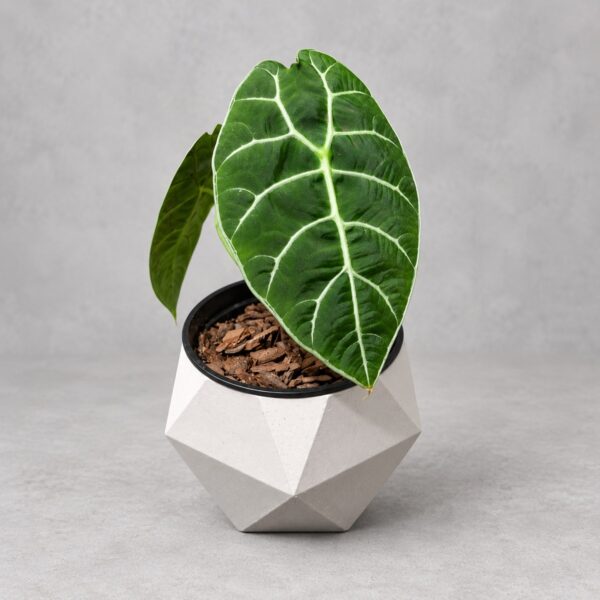
Plantjai shop · In stock online
Alocasia watsoniana doff
HK$380.00
Hong Kong delivery · Causeway Bay pickup
For Hong Kong homes and offices. Stock and pricing follow the product page.
IN STORE NOW
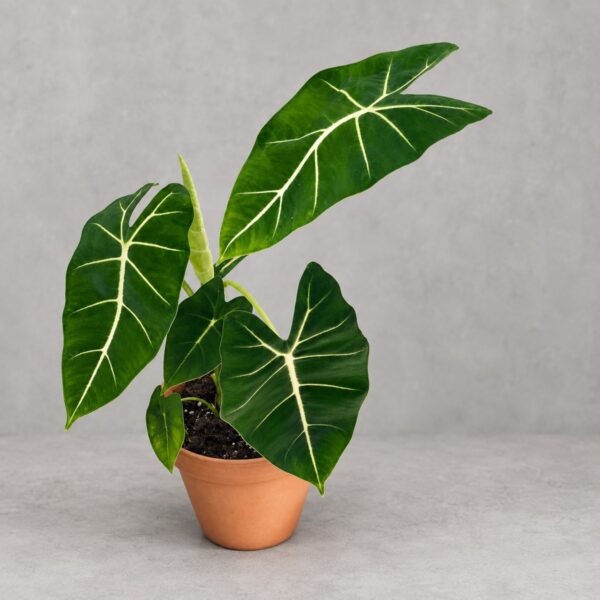
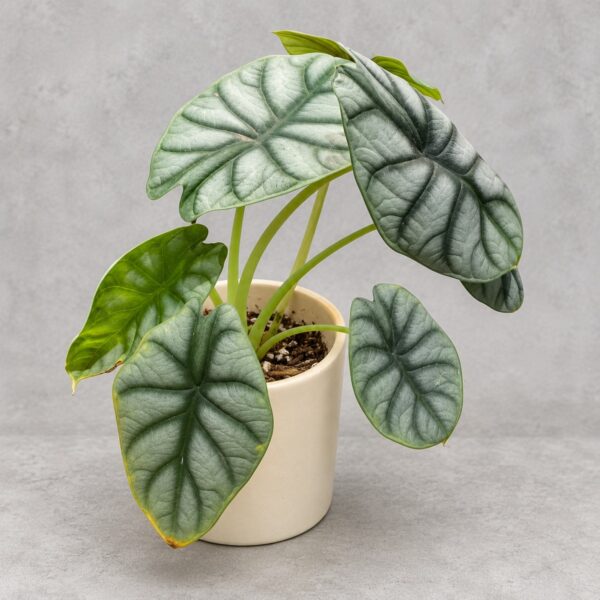
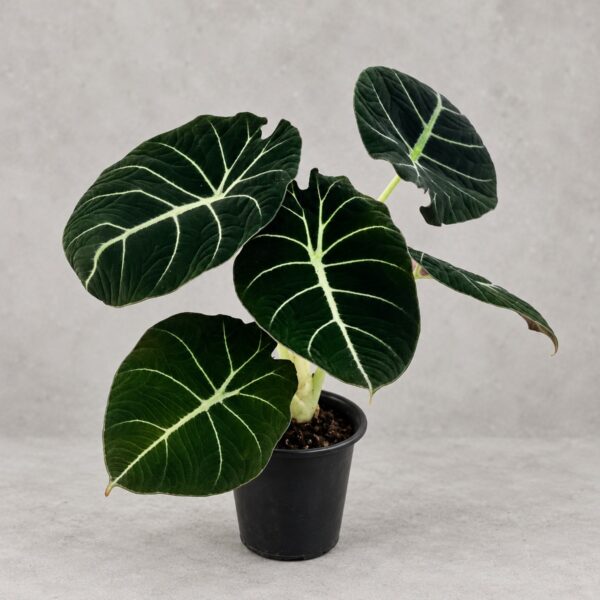
Plants for this guide
Related plants in stock now — live prices, delivery or Causeway Bay pickup.
FREE PLANT ADVICE
Send us a photo before you change anything
WhatsApp a photo of the plant and your window light. Our Causeway Bay team will suggest care steps or plants that suit your space.
STORE · CAUSEWAY BAY
4/F, 39 Yiu Wa Street, Causeway Bay
Daily 12:30–8:00pm · ~3 min walk from Times Square
Map & directionsPlant Care