
How to Care for Alocasia Cuprea in Hong Kong | Plantjai


Plantjai 植仔 · Care Encyclopedia
Alocasia Cuprea
Hong Kong care guide — useful before you buy and after it arrives.
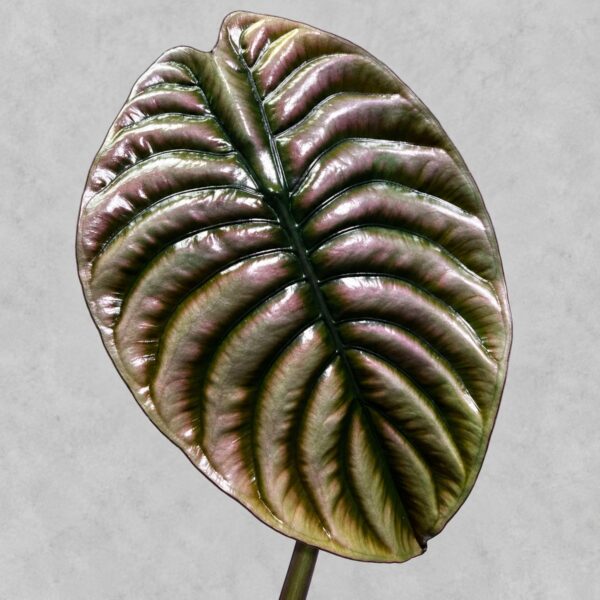
Shop this plantThick, copper-bronze leaves with an almost metallic mirror finish — a genuine classic among jewel Alocasias.
Origin & characteristics
Alocasia cuprea is native to the rainforests of Sabah, Borneo. Its species name comes from the Latin cuprea, "coppery," describing its extraordinary metallic copper-red to bronze leaf sheen. Also known as the Mirror Plant or Jewel Alocasia, its thick, substantial leaves shift between copper, bronze, deep red, and near-black tones depending on the angle of light. It stays compact indoors, typically 30–60 cm, growing slowly with roots that are especially sensitive to cold and overwatering — a rewarding but genuinely advanced-level plant.
Light
Needs bright, indirect light, around 10,000–20,000 lux. An east-facing window, or 1–2 m from a south-facing one, both work well. A little gentle morning sun helps growth, but strong midday light fades and can scorch the leaves. Too little light dulls the metallic sheen, thins the leaves, and weakens the whole plant. Wiping the leaves gently with a damp cloth from time to time helps maintain photosynthetic efficiency.
Watering
Let the top third of the soil dry before watering; keep the growing period lightly moist but never wet. This species is highly sensitive to overwatering, and root rot is a real risk. Cut back significantly in winter — err on the dry side. Use room-temperature water; if using tap water, let it stand for at least 24 hours to reduce chlorine and fluoride exposure. Always empty the saucer after watering.
Soil & pot
Use a fine-to-medium chunky mix: orchid bark, perlite, coco coir, plus a little horticultural charcoal. The mix should be airy but retain some moisture — overly coarse blends dry out too fast. Choose a pot only slightly larger than the root ball, with good drainage. Repot roughly every two years, ideally in spring, and avoid disturbing the roots more than necessary to reduce transplant shock.
Temperature & humidity
Ideal range is 20–28°C; below 15°C growth and root health both suffer significantly. Keep it well away from AC vents and cold drafts in winter. Humidity of 60–80% is ideal — the metallic-leaved varieties look their best at the higher end of that range. Below 50% humidity, leaf tips dry out. A humidifier, plant grouping, or a dedicated plant cabinet all help maintain adequate moisture in the air.
Common problems
| Issue | Likely cause | What to do |
|---|---|---|
| Metallic sheen fading | Insufficient light, low humidity, or general stress | Move to a brighter spot and stabilise humidity |
| Crispy leaf tips | Air too dry or water too hard | Raise humidity and switch to filtered water; natural ageing can also cause mild tip browning |
| Growth stalling | Roots too cold or soil too wet | Keep the root zone warm and check soil moisture |
| Yellowing after watering | Overwatering or poor drainage | Check roots immediately and repot with fresh soil if needed |
| Dust buildup on leaves | Reduces photosynthesis over time | Wipe leaves gently with a damp cloth monthly |
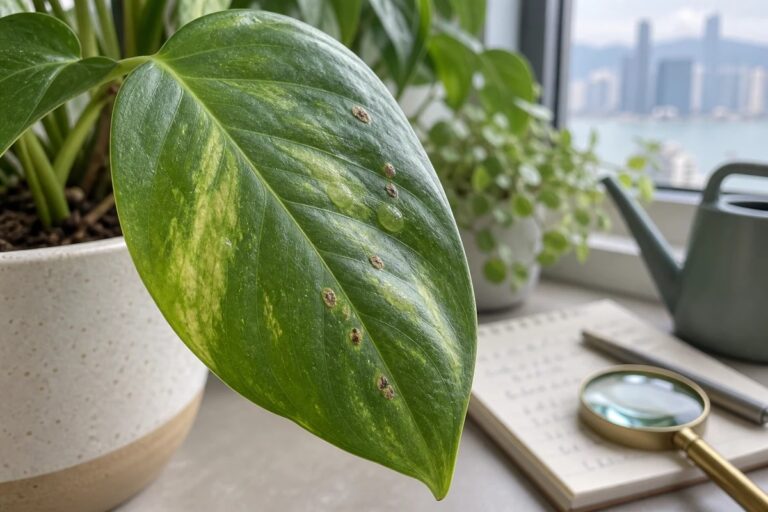
| Spider mites / scale | Check leaf undersides and stems regularly | Keep foliage clean to catch pests early |
How to explain to customers
"The Mirror Plant is a real classic in the jewel Alocasia world — that copper-bronze metallic sheen has serious texture and depth. It needs warmth and good humidity to really shine, so keep it away from AC vents in winter, and go easy on watering; drier is safer than wetter for this one."
Fun facts
The metallic sheen of Alocasia cuprea comes from a specialised cuticle structure on the leaf surface that reflects light in a way that mimics polished metal — in its rainforest habitat, this likely helps the plant capture whatever faint light filters through the canopy. Despite its tough, thick-looking leaves, the plant itself is surprisingly sensitive to environmental changes — genuinely "tough on the outside, delicate within."
Keywords
Mirror Plant, Alocasia cuprea, jewel Alocasia, metallic sheen, copper leaf, compact Alocasia, advanced houseplant, toxic to pets, high humidity, Borneo
參考資料(想知來源可展開)
References
- Plants of the World Online (Kew) — Alocasia cuprea. https://powo.science.kew.org
- RHS — Alocasia care. https://www.rhs.org.uk/plants/alocasia
- Proven Winners — How to Grow Alocasia Indoors and Outdoors. https://www.provenwinners.com/learn/houseplants/alocasia
⚠️ Pet / toxicity note: Contains calcium oxalate crystals; toxic if ingested, causing oral pain, drooling and swelling in pets and children. Keep out of reach and wash hands after handling or pruning.
In-depth care guide
Introduction
Alocasia cuprea, commonly called the Mirror Plant, is one of the most visually distinctive members of the jewel Alocasia group, prized for a leaf surface that genuinely reflects light like polished metal. It's native to the rainforests of Sabah, on the island of Borneo, where it grows as an understorey plant beneath a dense forest canopy. The species name, derived from the Latin word for "copper," perfectly captures its signature copper-bronze to deep red colouring, which shifts and shimmers depending on the light angle — a quality that has made it a long-standing favourite among aroid collectors, well before the current wave of jewel Alocasia popularity.
Compact and slow-growing, it typically reaches 30–60 cm indoors, with thick, substantial leaves that feel almost leathery to the touch. That toughness is deceptive, though — the plant's root system is notably sensitive to cold and overwatering, and it demands more careful environmental management than its sturdy appearance suggests.
Light requirements
Alocasia cuprea wants bright, indirect light — roughly 10,000 to 20,000 lux is a good target. In its native habitat it grows beneath a closed forest canopy, so harsh direct sun is never appropriate; an east-facing windowsill, or a position 1–2 m from a south-facing window, usually strikes the right balance. An hour or two of gentle morning sun can actually benefit growth and colour intensity, but midday sun — especially in a Hong Kong summer — will fade the metallic sheen and may cause visible brown scorch patches.
Too little light has the opposite problem: the metallic sheen dulls, leaves thin out, and the whole plant weakens and becomes more susceptible to pest and disease issues. Wiping leaves gently with a damp cloth every month or so removes dust that would otherwise reduce photosynthetic efficiency — a small habit that noticeably improves leaf appearance over time.
Temperature requirements
This is a genuinely tropical species with limited cold tolerance. The ideal range is 20–28°C; sustained temperatures below 15°C significantly impair both growth and root health, and can trigger lasting damage to the root system even if the foliage looks fine in the short term. In a Hong Kong winter, keep the plant well away from AC vents, cold window drafts, and any spot where temperatures dip noticeably at night. Consistency matters here — like most jewel Alocasias, cuprea dislikes sudden swings even more than it dislikes cool temperatures per se.
Humidity management
Aim for 60–80% relative humidity — the metallic-leaved jewel Alocasias generally look and perform best toward the higher end of this range. Below 50%, leaf tips begin drying and browning, and the plant becomes noticeably more vulnerable to spider mites. Effective ways to raise humidity include a humidifier placed near the plant, grouping it with other tropical foliage to build a shared microclimate, a pebble tray beneath the pot (keeping the pot base above the waterline), or growing it inside an enclosed plant cabinet, which is an increasingly popular option among serious collectors for exactly this kind of demanding species.
Watering technique
Watering discipline is critical for this species. Let the top third of the soil dry before watering again, keeping the mix consistently but lightly moist during active growth — never fully waterlogged. Alocasia cuprea is markedly sensitive to overwatering, and root rot, once established, is difficult to reverse.
In winter, cut back significantly on frequency; when in doubt, lean dry rather than wet. Use room-temperature water, and if your tap water is hard or heavily chlorinated, let it stand for at least 24 hours before use — this reduces the mineral and chlorine load that can otherwise show up as tip browning over time. After every watering, empty the saucer promptly; standing water at the base is one of the fastest routes to rhizome rot in this species.
Soil, pot & repotting
A fine-to-medium chunky mix suits Alocasia cuprea well: a blend of orchid bark, perlite, and coco coir, with a little horticultural charcoal added to help keep the mix fresh and slightly reduce fungal risk. The goal is a medium that's airy enough to prevent waterlogging but still retains enough moisture that it doesn't dry out within a day or two — overly coarse mixes dry too quickly for this species' comfort.
Choose a pot only slightly larger than the current root ball, always with good drainage holes. Repot roughly every two years, ideally in spring, and try to minimise root disturbance during the process, since this species can take a while to recover from transplant shock. If you notice roots emerging from the drainage holes or water running through unusually fast, that's your cue that it's time.
Feeding
Alocasia cuprea is not a hungry plant. During the growing season, apply a diluted balanced liquid fertiliser at reduced strength every few weeks, and stop entirely through the cooler months. Overfeeding shows up as dull leaf colour, reduced metallic sheen, and salt crust on the soil surface — if you see either, flush the pot thoroughly with plain water and hold off on fertiliser for a few weeks.
Common problems (detailed)
Fading metallic sheen is most often linked to insufficient light, low humidity, or general environmental stress. Move the plant to a brighter (but still indirect) spot, and check that humidity and temperature are both stable.
Crispy leaf tips usually point to air that's too dry, or water that's too hard; natural leaf ageing can also cause mild tip browning on older leaves, which isn't a cause for concern. Raise humidity and consider switching to filtered water if the problem persists on newer growth.
Stalled growth often traces back to cold roots or overly wet soil — this species reacts quickly and visibly to a chilled, damp root zone. Keep the pot away from cold floors or windowsills in winter, and prioritise warmth alongside correct watering.
Yellowing after watering is almost always overwatering or drainage failure. Check the roots without delay; if they're soft or discoloured, repot into fresh, dry mix and cut watering back significantly.
Pests: spider mites and scale insects both favour dry, dusty leaf surfaces, so regular gentle cleaning doubles as pest prevention. Check leaf undersides and the base of petioles periodically, and treat any early infestation with insecticidal soap or neem oil before it spreads.
Toxicity
Like all Alocasias, Alocasia cuprea contains calcium oxalate crystals throughout its tissue. Ingestion causes immediate oral pain, drooling, and swelling in pets and children, and in severe cases can affect breathing. Keep the plant well out of reach, and wash your hands after pruning or repotting, since the sap can also irritate skin.
References
- Plants of the World Online (Kew) — Alocasia cuprea. https://powo.science.kew.org
- RHS — Alocasia care. https://www.rhs.org.uk/plants/alocasia
- Proven Winners — How to Grow Alocasia Indoors and Outdoors. https://www.provenwinners.com/learn/houseplants/alocasia
- Missouri Botanical Garden — Plant Finder, Alocasia. https://www.missouribotanicalgarden.org/PlantFinder/PlantFinderDetails.aspx?taxonid=285730
Plantjai shop · In stock online
Alocasia cuprea
Alocasia cuprea
Original price was: HK$488.00.HK$198.00Current price is: HK$198.00.
Hong Kong delivery · Causeway Bay pickup
For Hong Kong homes and offices. Stock and pricing follow the product page.
IN STORE NOW
Plants for this guide
Related plants in stock now — live prices, delivery or Causeway Bay pickup.
FREE PLANT ADVICE
Send us a photo before you change anything
WhatsApp a photo of the plant and your window light. Our Causeway Bay team will suggest care steps or plants that suit your space.
STORE · CAUSEWAY BAY
4/F, 39 Yiu Wa Street, Causeway Bay
Daily 12:30–8:00pm · ~3 min walk from Times Square
Map & directionsPlant Care